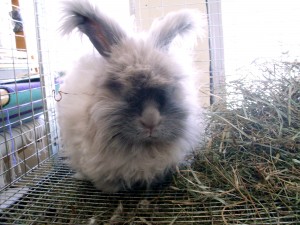
Deyaneria on March 21st, 2011

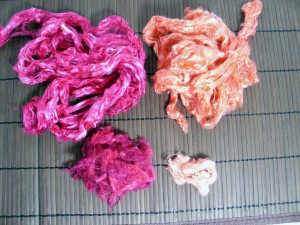
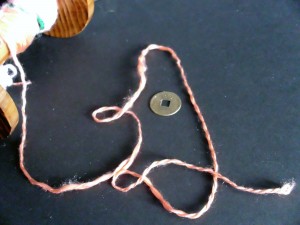
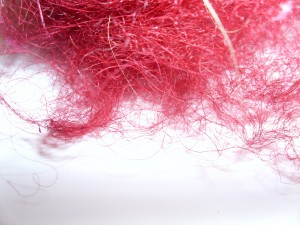
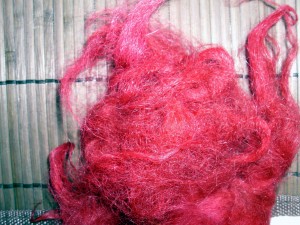
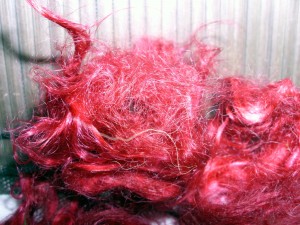
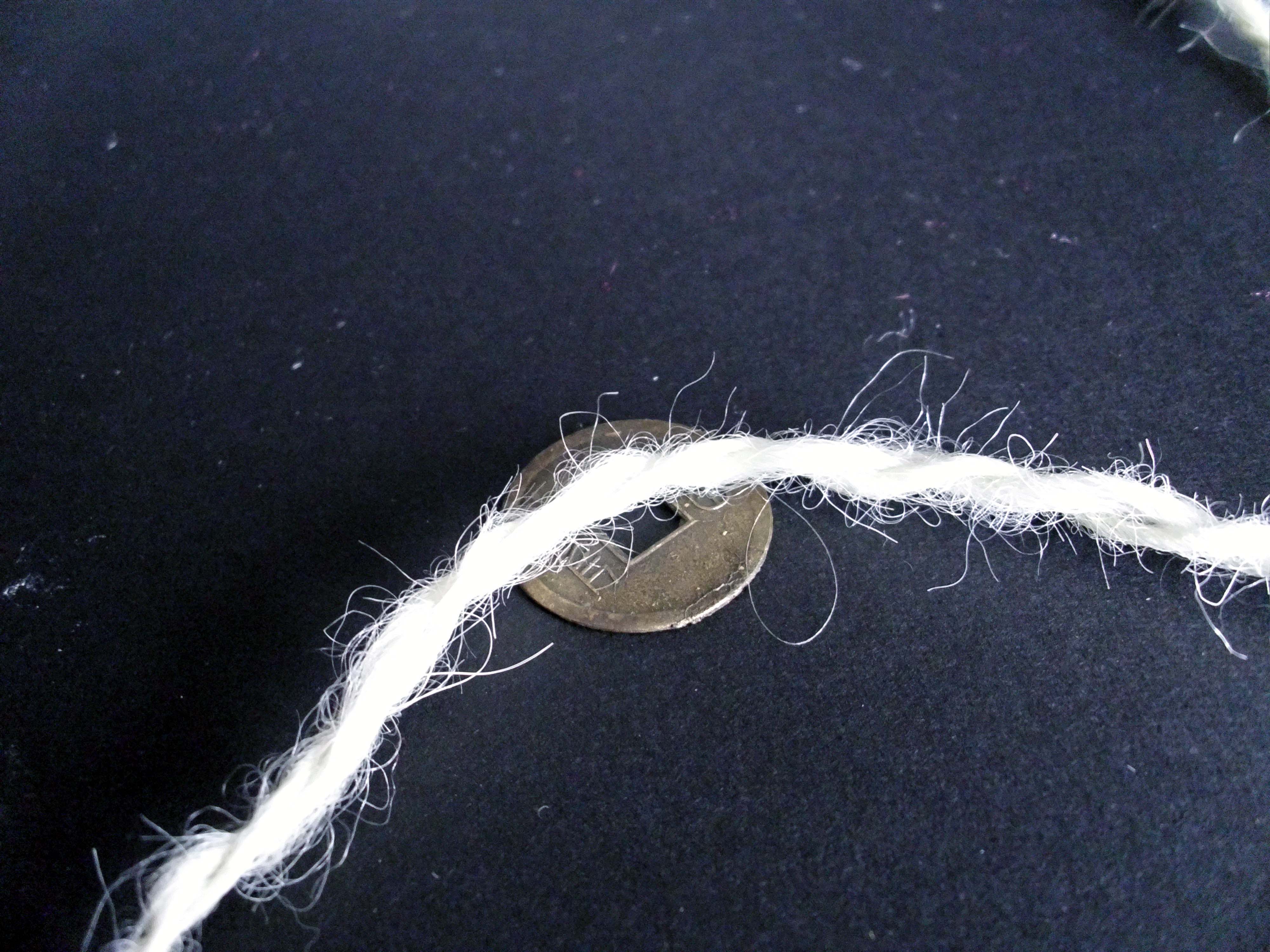
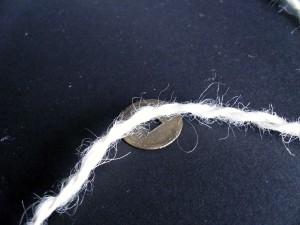
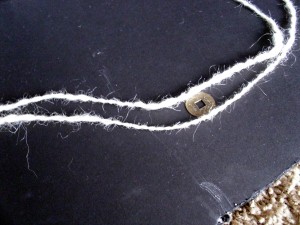
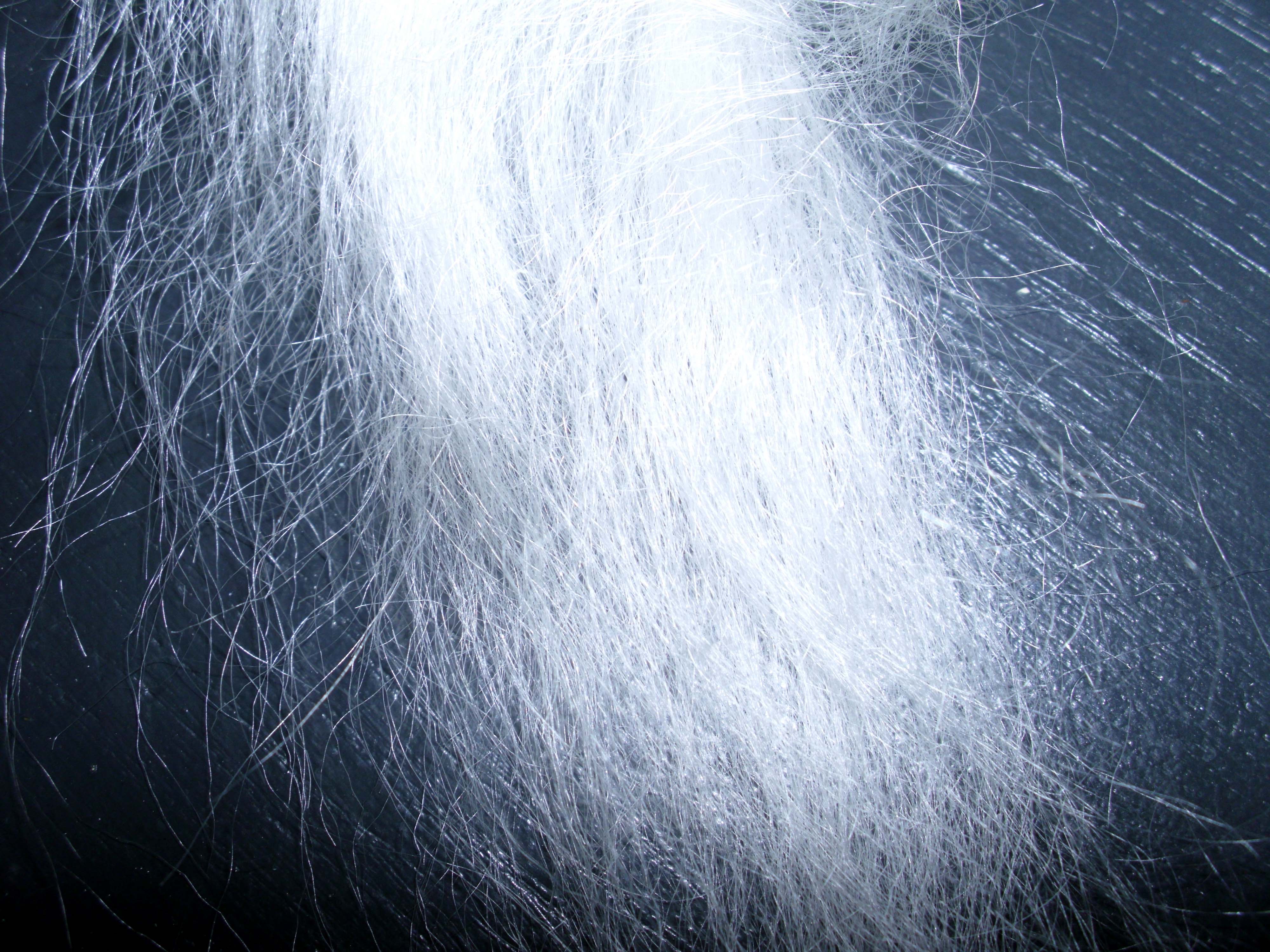
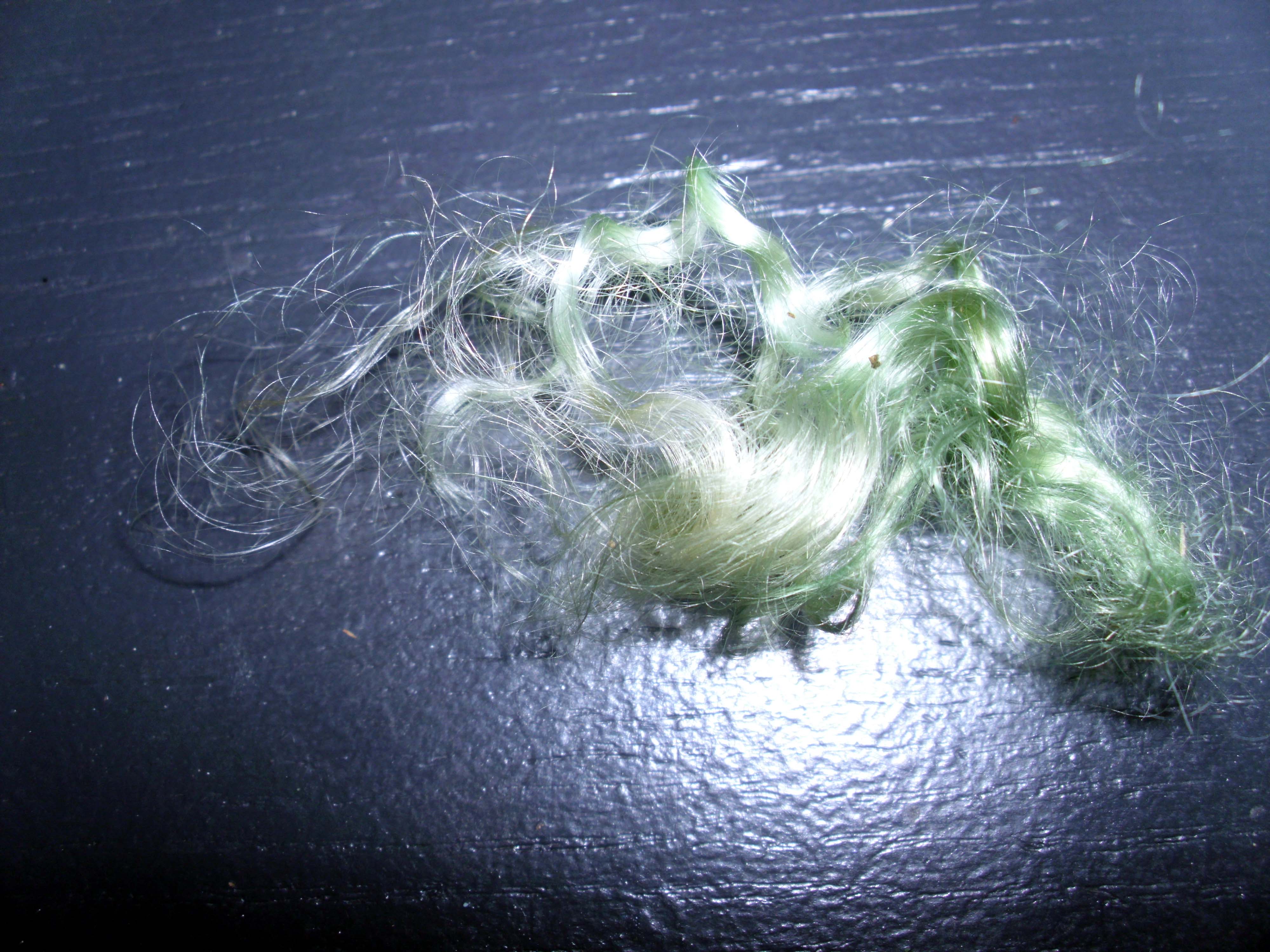
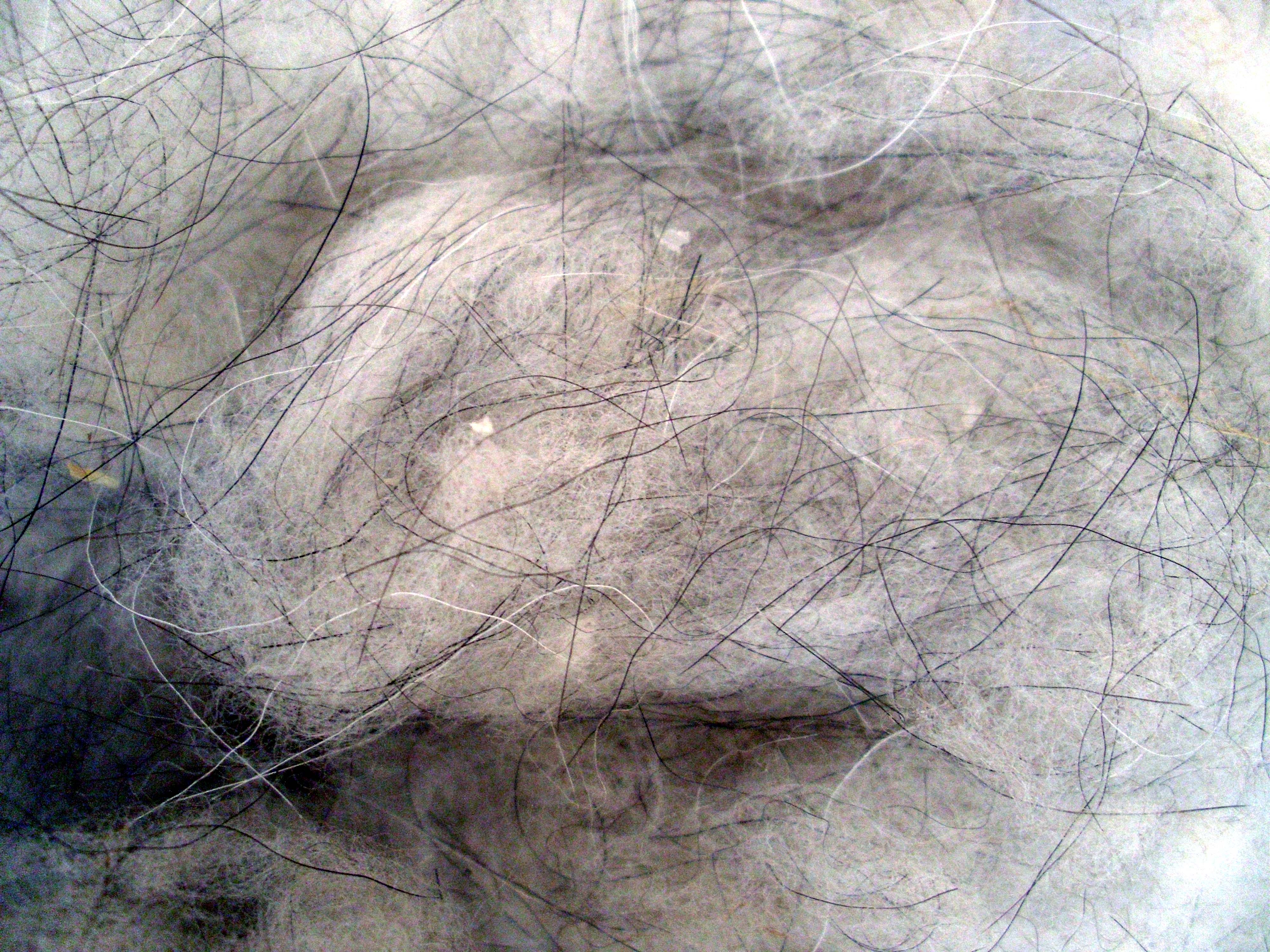
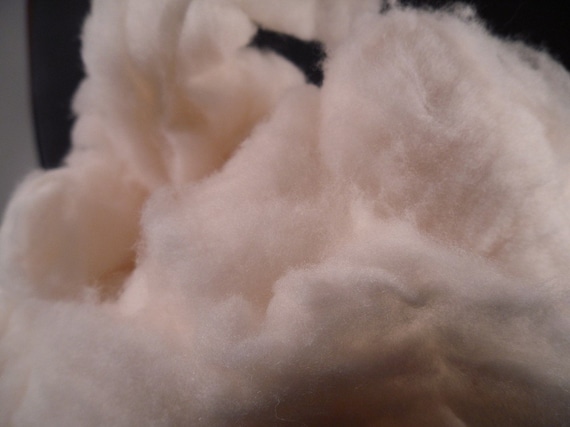
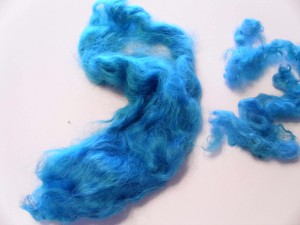
Corn is a interesting plant with many uses. Corn fiber or Corn silk as it is sometimes called is actually the starch of the plant and not the silk we remove for eating. Corn fiber is produced by breaking down the starches into sugars. The carbon and other elements in these natural sugars are then used to make a biopolymer through a process of simple fermentation and separation. The resulting resin, called polylactic acid (PLA), can then be injection molded into plastics goods, extruded for film applications, thermoformed into packaging, or extruded for use in textiles applications(yarn and spinning fiber).

PLA is a sustainable alternative to petroleum products, since the products used in producing it are actually the by-products of corn. I do think this is a better alternative to petroleum products but am unsure of the chemicals and methods used to create this product. One thing I found very interesting about this product is that it is 100%  biodegradable and has been found to be recycleable.

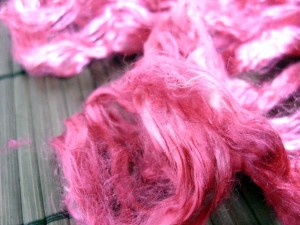
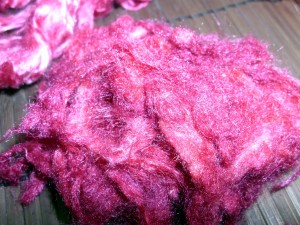
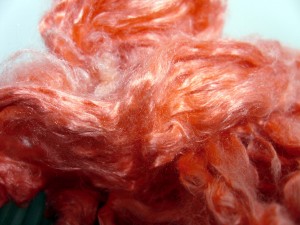
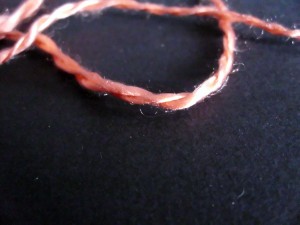
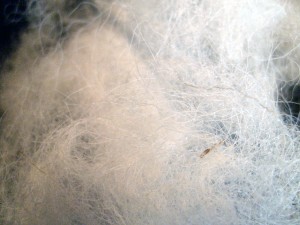
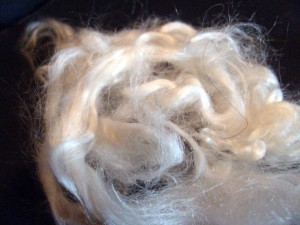
Now that all the scientific stuff is out of the way. You are probably thinking ” That’s great but how does it look?, how does it feel?, is it soft? In my opinion it’s silky and soft but not like silk, it feels thicker than silk. It definitley has a sheen to it.
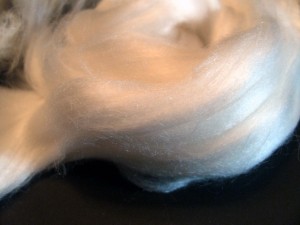
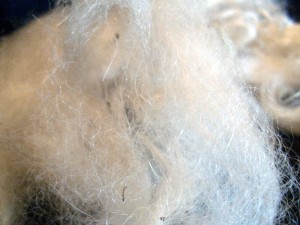
I hope everyone checked out the blog train on saturday. I had alot of fun. I’m still working on combing the cashmere out of the goats take a look.
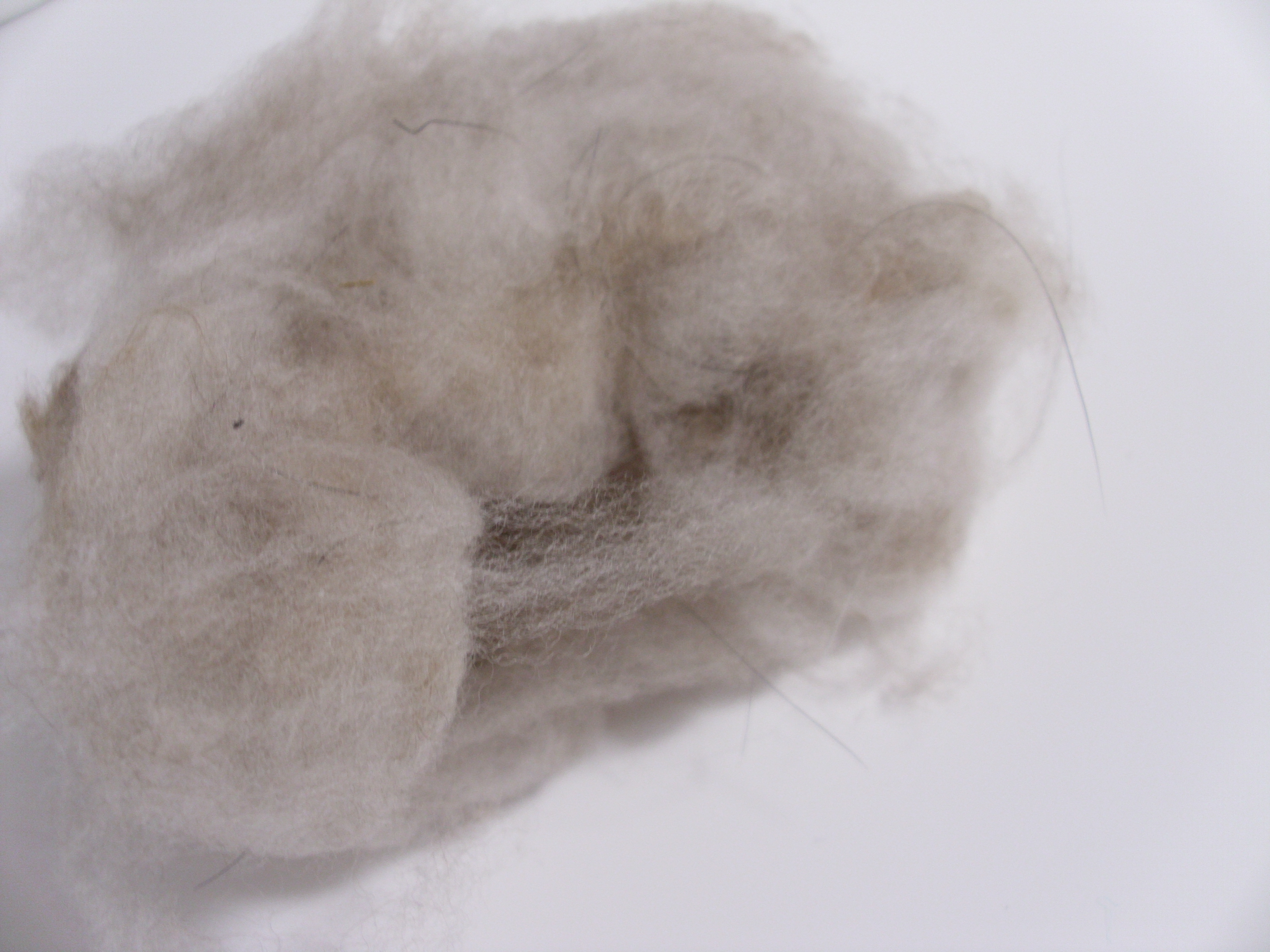
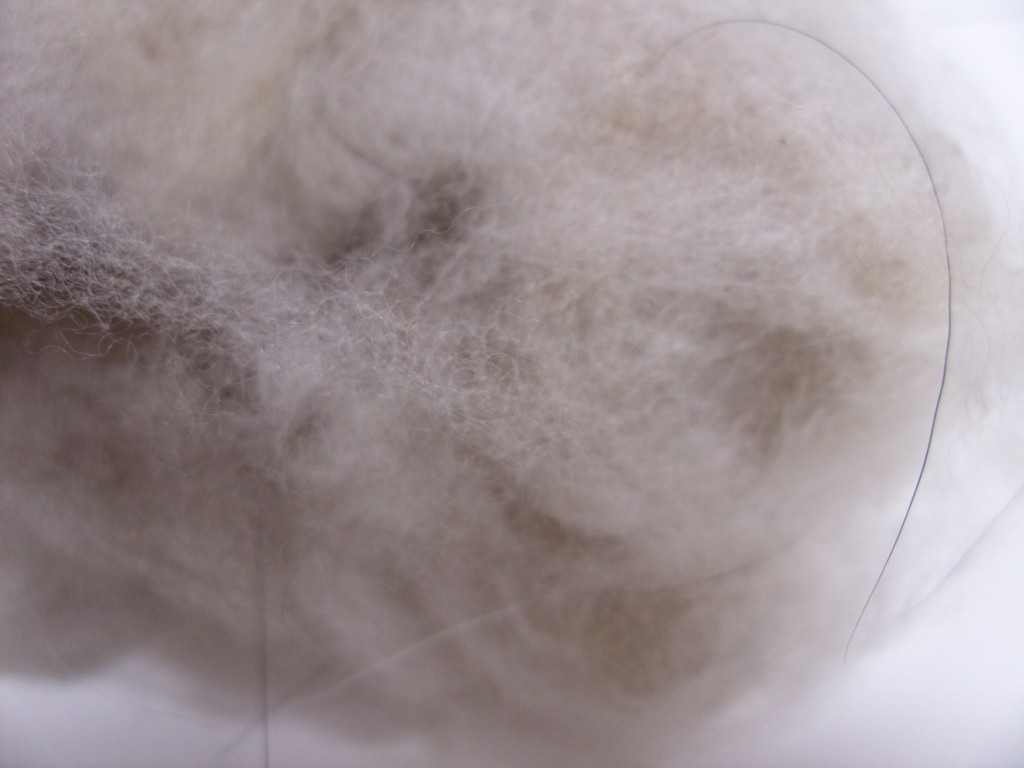
Until next time I’m going to play with my corn.

PS. The third installment of “From Fleece to Scarf/Shawl” is coming out next Tuesday. Sign up for the newletter for your access code.


Tags: , , , , , , , ,

Deyaneria on March 19th, 2011

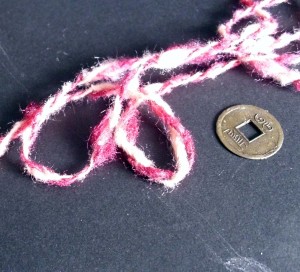
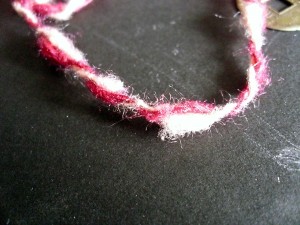
I am joining the Intention Yarns Blog Train. I love the idea of Intentional Yarn colorways can help manifest something. I’ve always believed that there is power in intention and thought. That said I decided to go with colors I wouldn’t normally gravitate toward for an intention that I thought a loved one will need.

Strength colorway ganked from Intention Yarns dot com

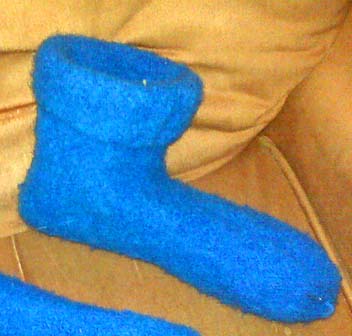
I chose the Strength colorway to create some socks for the hubs. I know I don’t talk much about my home life. I’m a military wife with a hurt husband who is at a hospital in a different state now getting medical care and awaiting  his medical discharge. He needs some strength right now, to be able to finish this. I hope that they will brighten his day and give him a boost when he needs it.

Tags: , ,

Deyaneria on March 18th, 2011

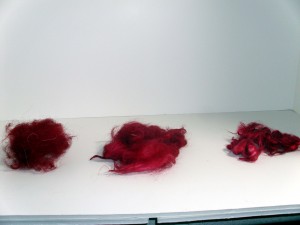
So what comes to mind when you think of silk? Usually it’s something luxurious, smooth, rich and self-indulgent. Silk is all of those things. It’s also crazy strong and dye-able.  Here is what I did with my samples: I dyed both types of silk , I used both acid dyes and direct dyes in the same colorway crimson  from the same company to see what the differences would be. The brand of dyes was Cushings as they are a local company to me. Here is what happened: !st photo acid dyes on left, direct dyes on right , 2nd photo mulberry top acid-dyed, next row 1st photo tussah silk direct dyed, 2nd photo mulberry top direct dyes.


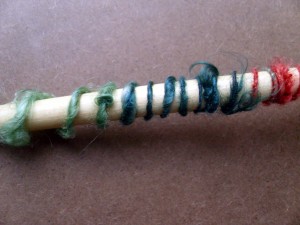
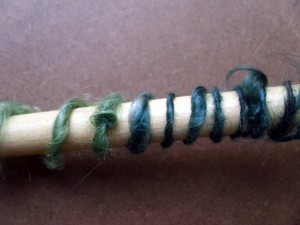
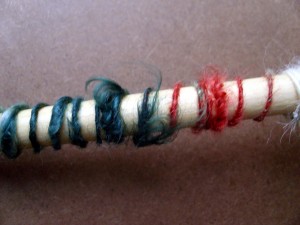
I was trying to figure out what I wanted to do with the fibers I spin small portions of during my “Oh The Fiber” series.  I’ve decided to leave them all on the spindle as singles and when I am done ply them and use them as a giveaway.  Some of the fiber will be used in next weeks colorway as I needed acid dyed crimson.

Here is what spinning them produced.

The Tussah silk on top the mulberry top is on the bottom.

The silk noil is quiet springy and fuzzy, the light peach color of the direct dye part didn’t want to show in the picture. The mulberry top is quite slick and shiny. Both wanted to spin thin but the noil because of the shorter length needed more twist. The brighter colorway(acid dyed) mulberry is going into this weeks Butterfly Collection Colorway.

Tags: , , , , , , ,

Deyaneria on March 16th, 2011

The first thing I always tell people about silk is that it is wormspit(usually while they are petting it). I just can’t help myself.  There are more than 500 species of wild silkworms in the world although only a few are used to produce cloth. The first worm I will be talking about is the one most people are familar with the Bombyx Mori or the mulberry eating silkworm.

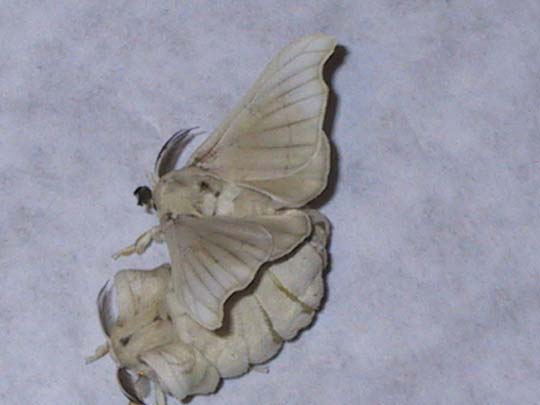
male and female silk moths


I love silk and have tried to grow silkworms in the past. I probably will again. There is some contention about growing silk. We’ve already engineered silkworms to have a very short life. Basically they are hatched, eat and grow, eat and grow, you get the idea,  finally they spin the cocoon(silk). The the person growning them has a choice: Kill them in the cocoon (as this leaves no breaks in the silk) or let the moths emerge on their own.  The moths cannot even eat after they emerge nor can they fly. They basically mate , lay eggs,  and die. For my own preference I feel their little lives are short enough so I say let them live it out.  I’m probably going to cut that long thread anyway to a length that I want.

What is peace silk?

“Peace Silk” is silk that is produced from the fibers of a cocoon cut by the adult silkworms to emerge, and is considered a more humane option. “Tussah Silk” known for its tan color, is made from cocoons that are harvested in the wild, after the moths have left the cocoons.(definition from L.E.A.F Labeling Ecologically Approved Fabrics).

I think some commerical growers are letting the little mothies live and that would be considered peace silk. I think that because we domesticated and changed the Bombyx Mori so that it cannot live without us we need to take care of them.

That being said there are other wild varieties of silk are not domesticated but are still used. Wild silks are usually harvested after the moths have left the cocoons, cutting the threads in the process so that there is not one long thread as with domesticated silkworms. The silks are often tougher and rougher feeling than the the domesticated type. They are often in their natural colors due the the difficulty in dyeing and bleaching these fibers. Here are 3 that popped out at me:

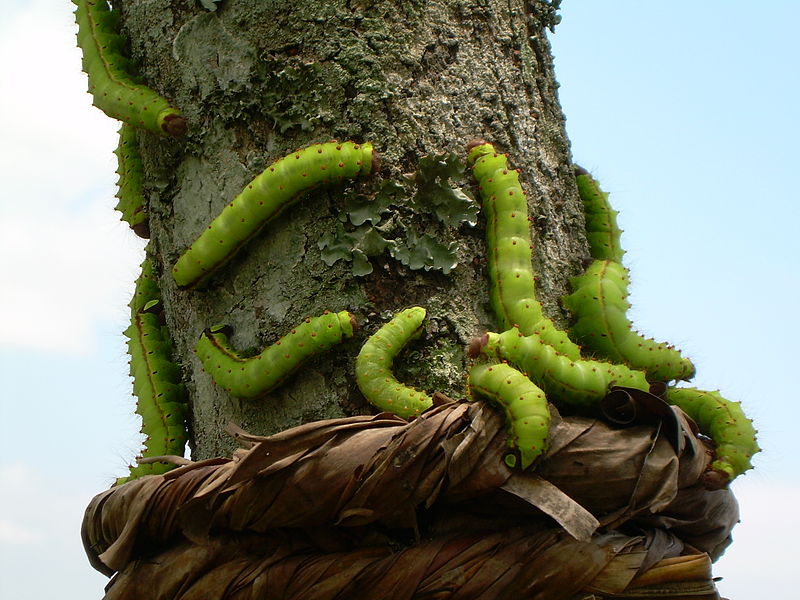
Muga Silk- is created from a different species of silkworm the Antheraea assamensis .  larva of these silkworms feed on Som Tree. The silk produced is known for its glossy fine texture and durability. This silk is undyeable and cannot be bleached, however it’s luster increases after every handwashing. Muga Silk is quite durable and has been known to outlive it’s owner. Below are Muga Silkworms on a Som Tree.

muga silkworms


Tussah silk also called “wild” silk is created by the Antheraea pernyi or Chinese Tasar Moth.

There is also Eri Silkworms they eat mainly the castor oil tree.

I have 2 samples of silk to share.

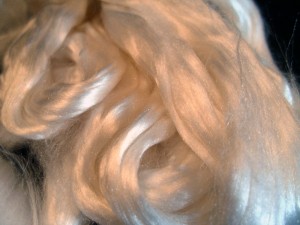
The first is Mulberry top.

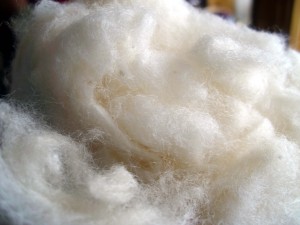
The second is Tussah silk noil that has been carded and bleached.

If you guessed that those were 2 out of the 3 mystery fibers from the last post you were correct.

How do you feel about using silk? I would love to hear some of your thoughts feel free to comment.

Tags: , , , , , , , , ,

Deyaneria on March 14th, 2011


Alpaca dyes pretty well. Here are some examples of wool, white suri and white huacaya washed and then dyed. I used the same dyepot for all 3 fibers.

Top Left suffolk wool washed, top right huacaya fiber washed, left bottom suri fiber washed.

Top Row:1st picture is from left to right wool, huacaya, and suri. 2nd picture is wool alone. Bottom Row: is Huacaya alone, and then suri alone.

Alpaca cards and combs really well too.


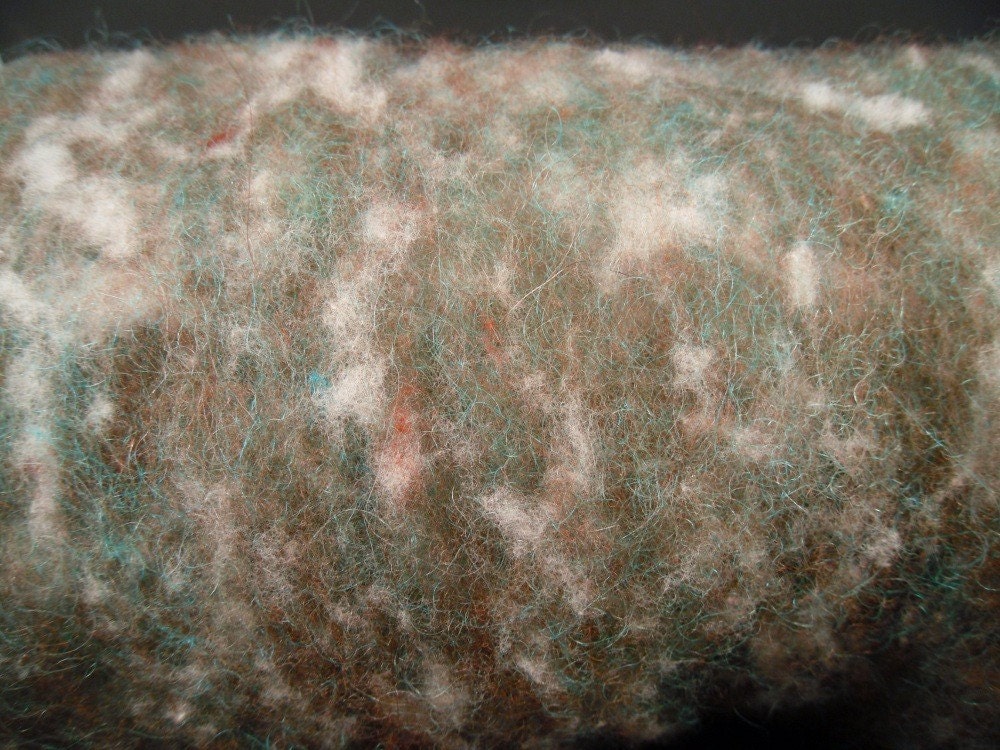
1st Photo is an alpaca(dark brown-black)/ shetland(taupe color) blend top. The 2nd photo is carded alpaca (black) mixed with white angora and red firestar.

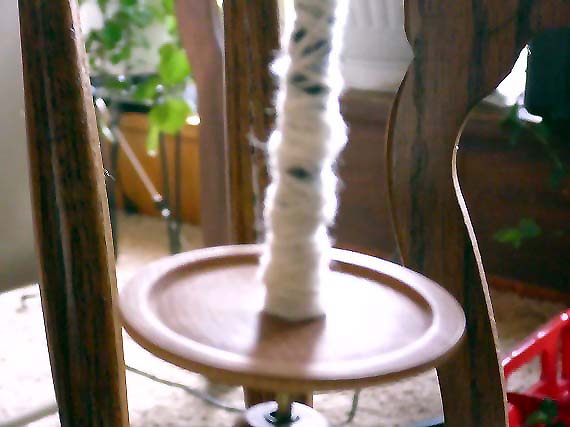
Here is some huacaya spun up on my new sequioa spinning wheel. This fiber was just washed not carded or combed.

I think alpaca is a wonderful fiber to work with. The more I play with it the more I like it.

Let me hear your comments have you played with alpaca fiber yet?

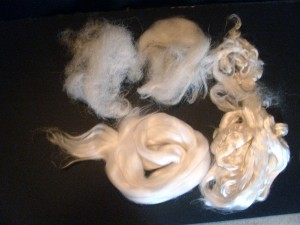
PS. Here are all the fibers I will be playing with for the next couple of posts(sneak-peak ahead).

I’ll tell you what the top 3 are wool, huacaya and suri. Can you guess the bottom 2 and the one on the right? I’ll tell you in the next blog.

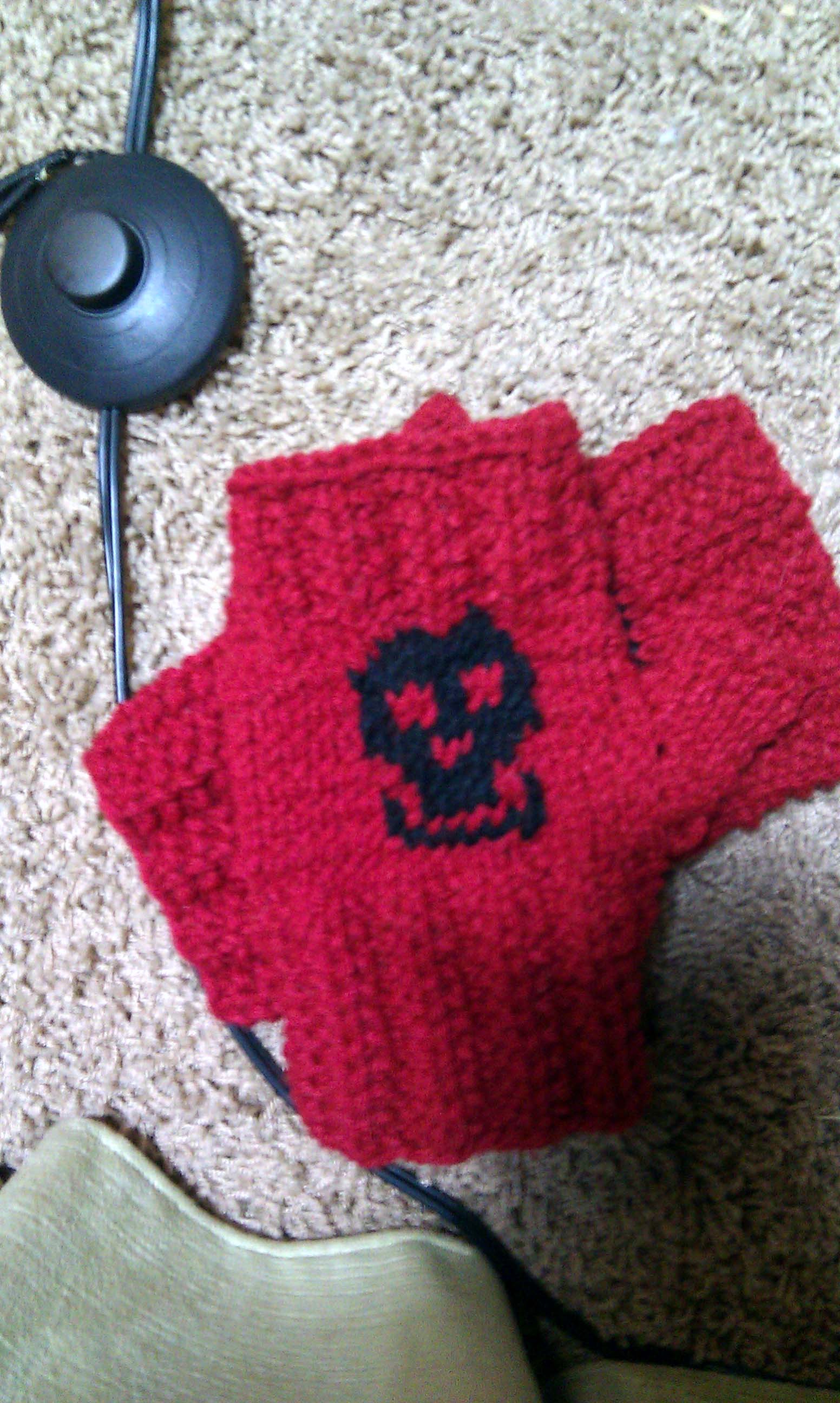
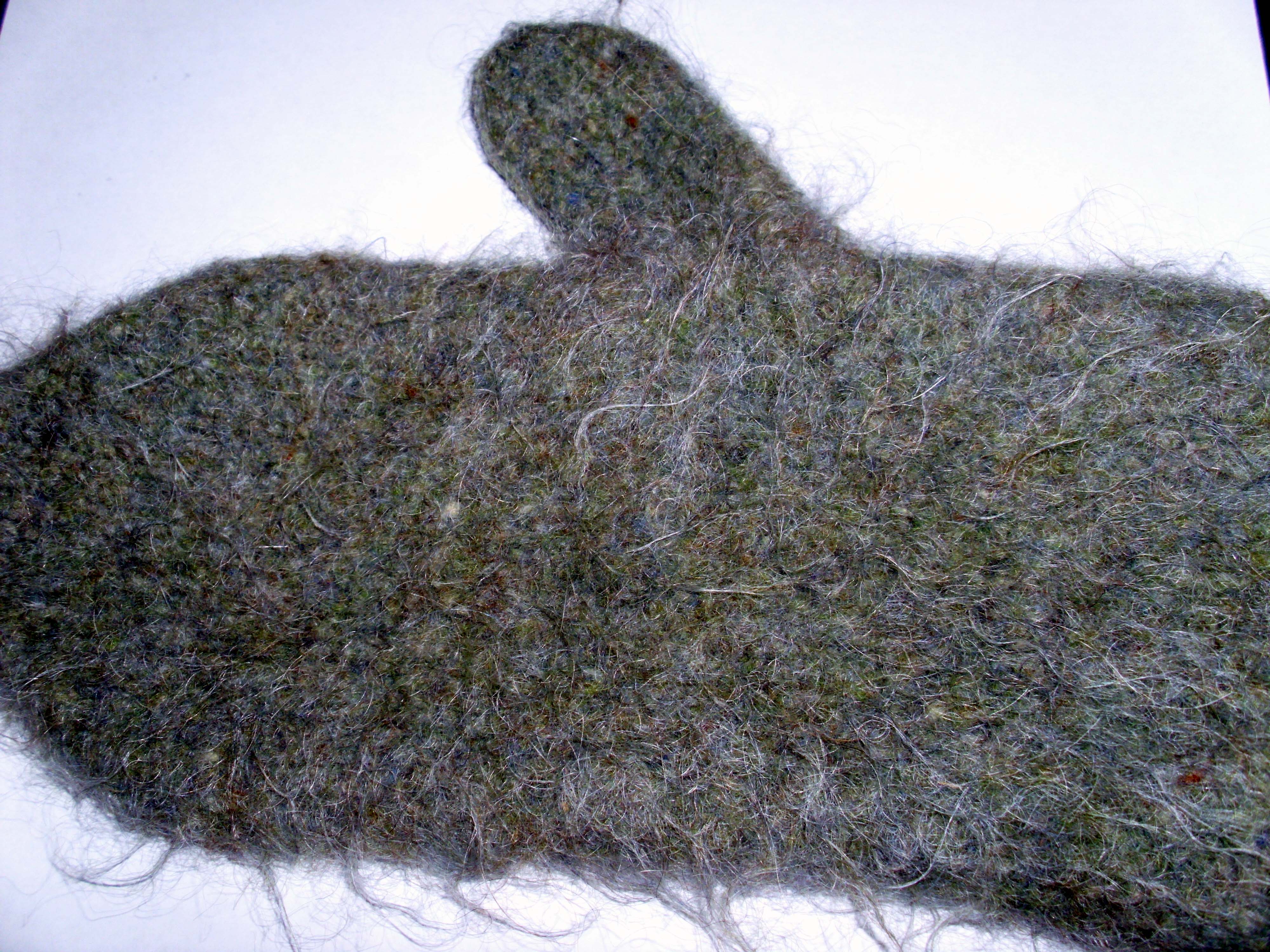
PPS. I’ve finally finished my son’s mitts. He is so happy with them.

Tags: , , , , , , , , , , , ,

Deyaneria on March 11th, 2011


Alpaca fiber comes in 2 varieties suri and huacaya. Huacaya reminds me of a lanolin-free, super-soft sheep fleece. Suri reminds me of supersoft mohair or just washed soft silky hair.

Washed Suri Fiber

  Alpaca is very soft and silky it has no lanolin but can be very dusty as alpacas like to take dust baths. Good quality alpaca fiber is approximately 18 to 25 microns in diameter. As an alpaca gets older the width of the fibers gets thicker. As with all fleece-producing animals, quality varies from animal to animal.

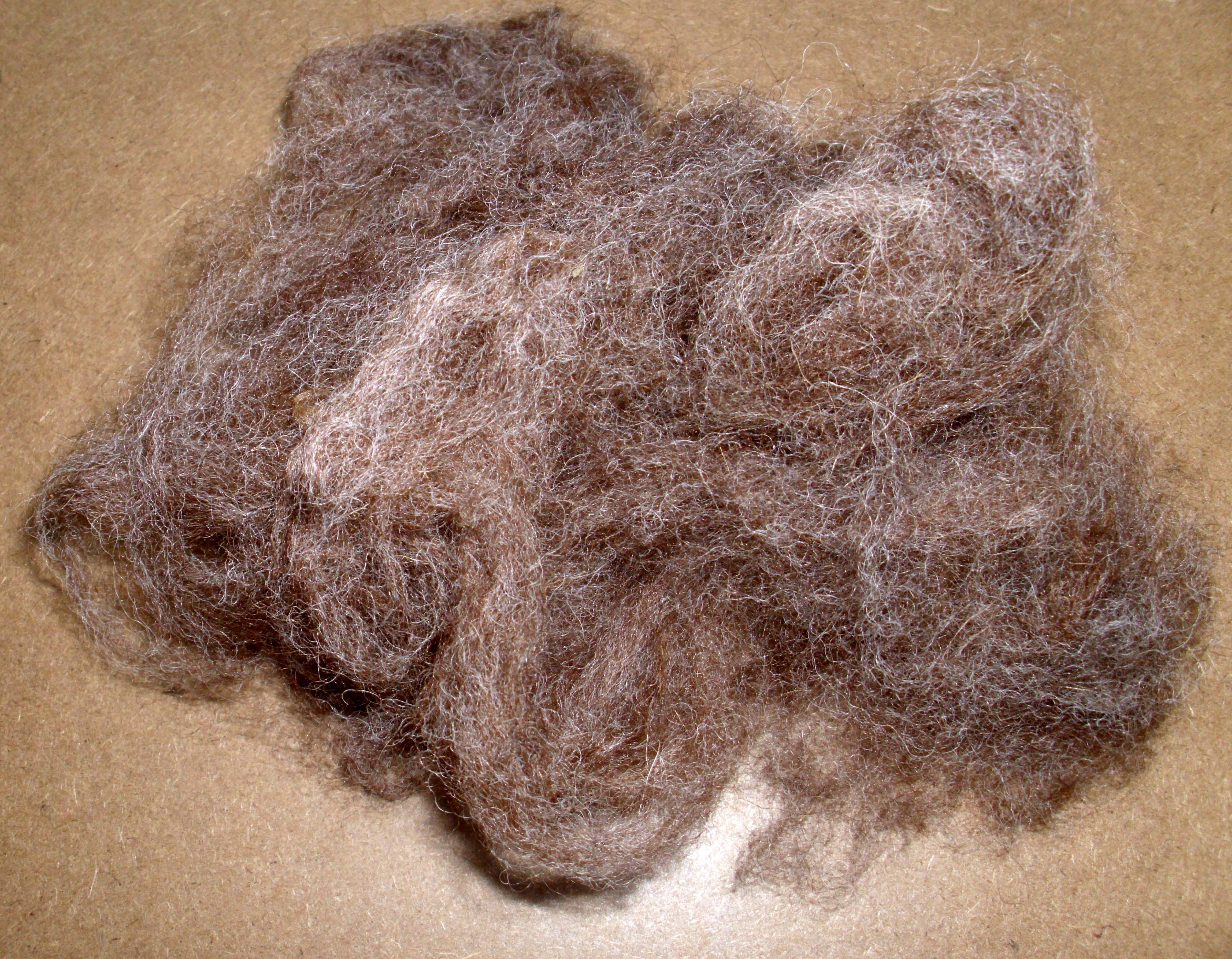
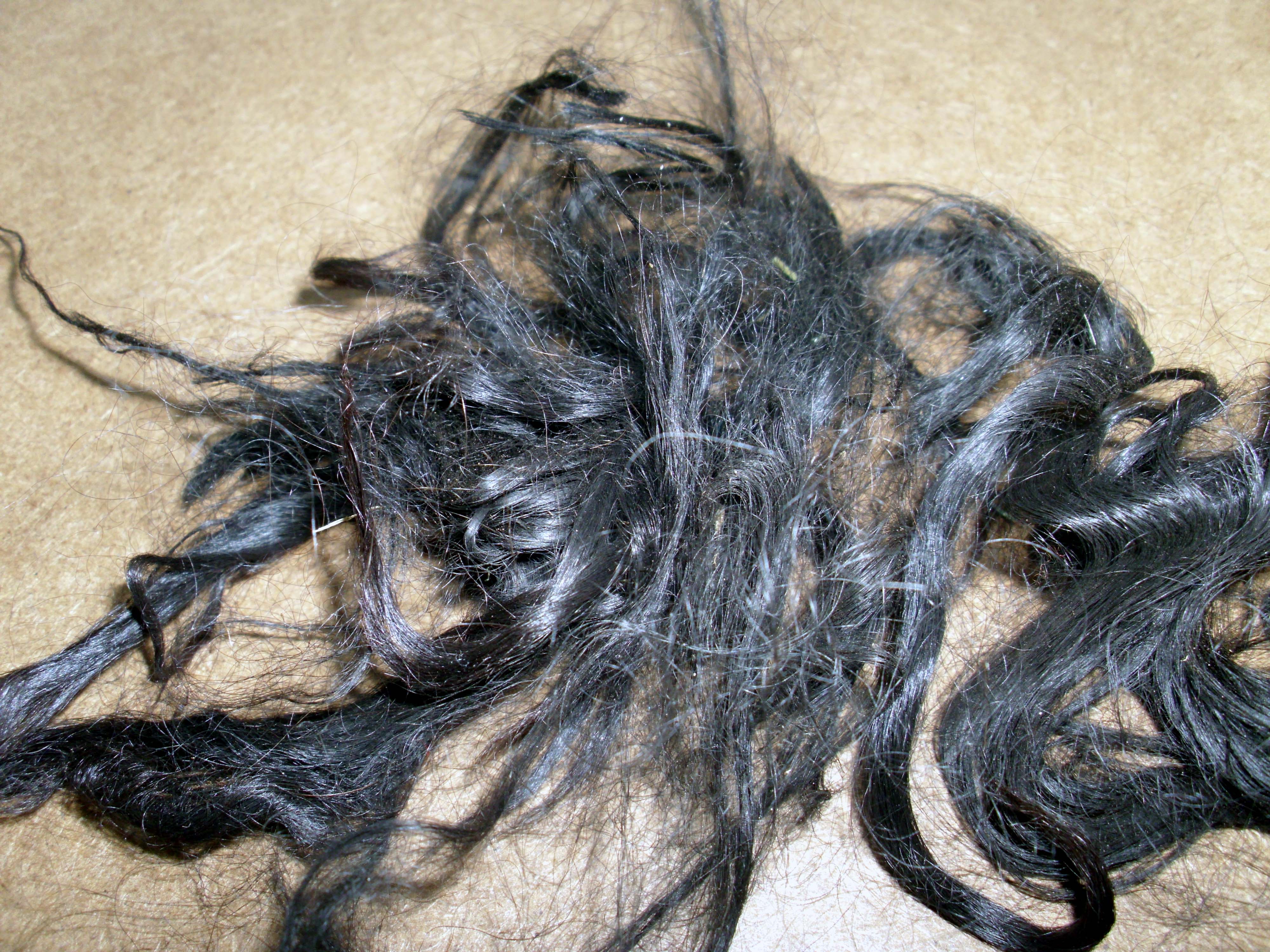
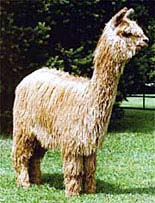
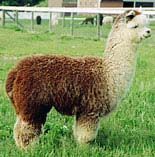
 Alpacas come in many shades from a true-blue black through browns-black(2nd pic), browns, fawns, white, silver-greys, and rose-greys( pic at the top). However, white is predominant, because it is the easiest to dye. The softness factor seems to go from next to skin soft to a slight prickle. Some people de-hair the alpaca I’m not sure this step is necessary, as in my experience it wasn’t that harsh to my sensitive skin. Blending it with other fibers like angora or cashmere would probably negate any slight prickles.

Some cute and fuzzy alpacas.


PS. I’m off to go make an alpaca bed with my fleece.

Tags: , , , , , , , , , , , ,

Deyaneria on March 9th, 2011

Mohair really does take dye very well. Here are a few examples of wool dyed and mohair dyed in the same dye bath. Mohair in the left , Wool on the right.

 I’ve also found it blends really well with other fibers.

From “The Fiber of My Being” Etsy shop

Spinning 100% mohair is fun depending preparation can have different results. Mohair top seems to spin up compact and shiny with a few strands hanging out here and there. My kid mohair locks seemed to spin up thick and thin with tufts sticking out and looking much fuzzier than the top.

I love how the colored came out and the stuff I dyed at the top will be going into next weeks Butterfly Collection Series fiber.

Well I’m off to go tie myself up in mohair.

Tags: , , , , , , , , , , ,

Deyaneria on March 7th, 2011

Mohair is fabric or yarn made from the hair or wool(sometimes as it’s called) of the Angora goat.

Angora Goat

Mohair has scales like wool but they are not fully developed so they don’t felt exactly like wool does.

100% wool felted

wool mohair blend felted

I’ve notice that the stitches in the wool mohair blend are still perceptible. The stitches in the 100% wool blend have disappeared.

There can be a great difference in the handle of mohair fiber because has the goat grows older the fiber usually becomes thicker in diameter.

processed mohair top a bit harsh and very shiny

kid mohair washed and dyed

Mohair can run the gambit between super fine 24-26 microns to coarse 39-40 microns. That means it can run from next to skin soft to rug wool.

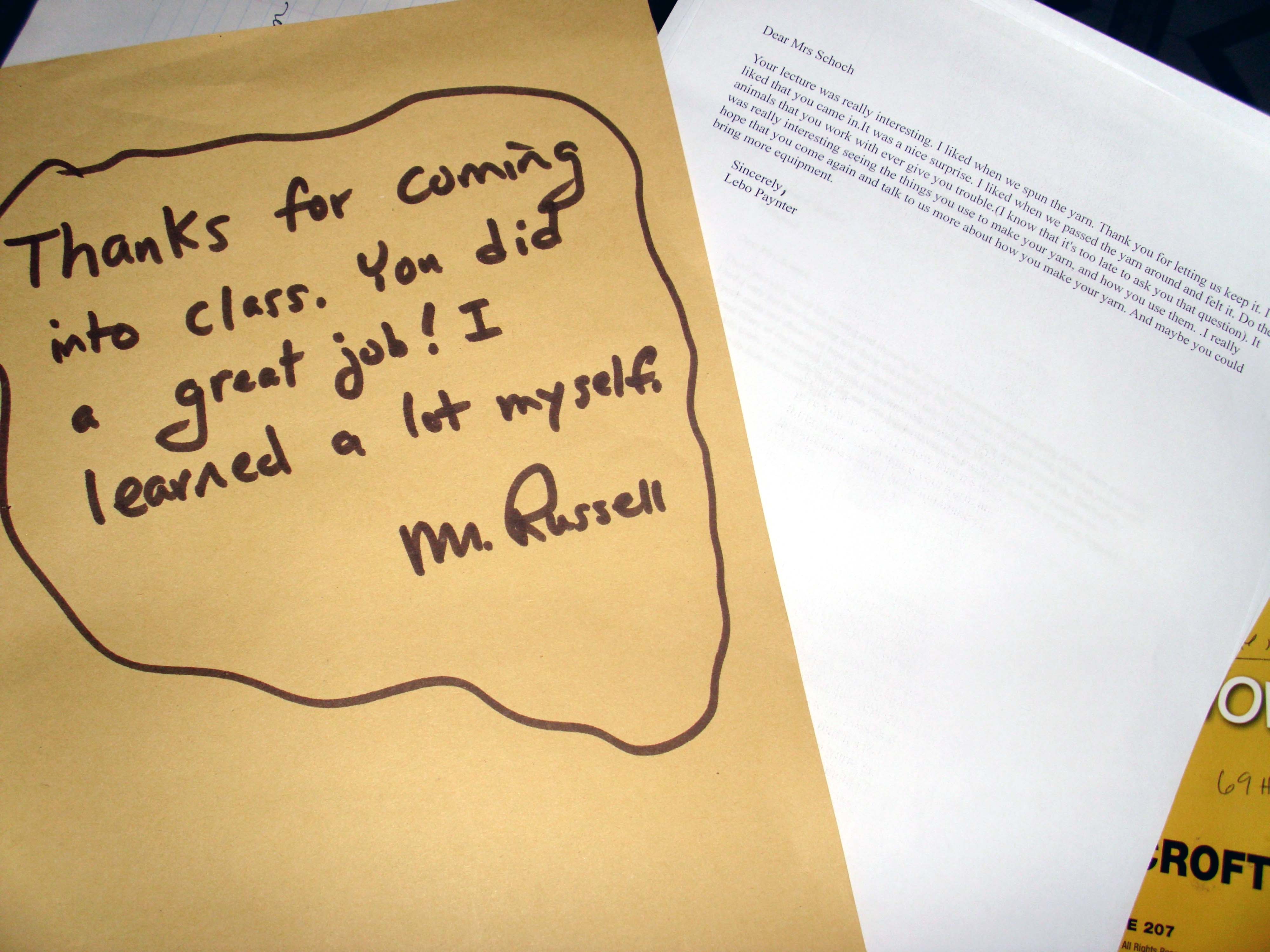
Another quick note I received a bunch of thank you notes from the students at Penquis Valley Middle School. They wanted to thank me for visiting the school and sharing what I know about processing and letting them spin their own yarn.
I hope they do invite me back next year. We all had fun.

PS. Remember the next video in the “Llama to Scarf/Shawl Series” will be posted tomorrow. Sign up for the newsletter to get access.

Tags: , , , , , , , , , , ,

Deyaneria on March 5th, 2011

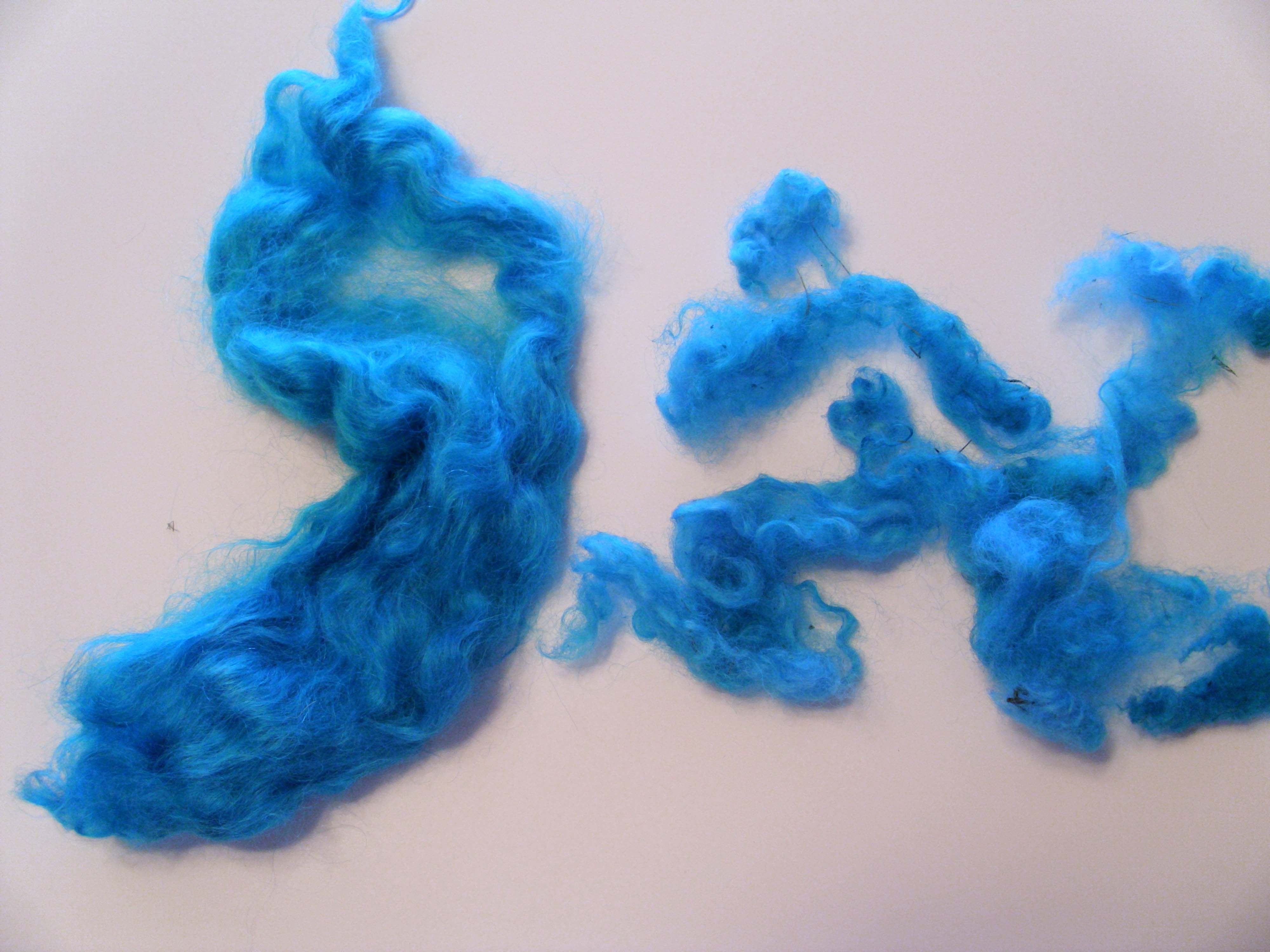
Cashmere dyes beautfully. It is a matt coloring as there seems little shine on cashmere.

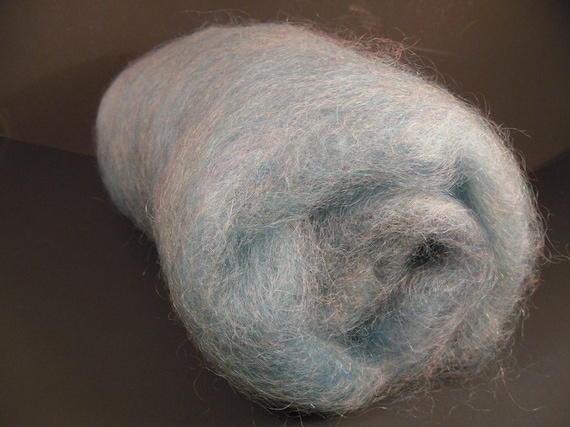
It’s so incredibley soft that I don’t think it matters.  Here is what it did when I carded it.

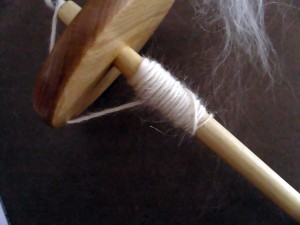
  I admit I’m pretty new at carding cashmere. I’m doing more research to see if I can card it with other fibers to get a better blend. As the fibers are pretty short 1.5 to 3 inches most cashmere I’ve seen is in roving or some sort of carded form. I’ve noticed that cashmere top is available.  I’ve found out that this is usually Italian or other varieties of cashmere. Some people say it’s not cashmere at all but cashgora. I have made top with 3 inch angora fiber so it could be done. I’ve been googling on the subject but have found very little information regarding this. Spinning cashmere is similar to spinning cotton in my experience slow with alot of twist.

            My spun cashmere.

Sorry for the pic the camera didn’t want to focus on the spindle.

I did get the opportunity to speak with two wonderful ladies and ask more questions to my hearts content.

Carol and Carrie Spencer run Foxmoor Farm. Carol specializes in Red Cashmere goats and gave me a ton of information on goat care, like to check to see what minerals are missing from the hay and grass here that I may need to supplement. They do not sell online just locally and are working to breed to a standard. She also created an awesome PDF on how to dehair cashmere by hand(no tweezers needed). As I have only 4 goats and processing has become more expensive this may be an option. Here is the link  for anyone who might be interested.
I also had the pleasure of speaking with Diana Blair of Going to The Sun Fiber Mill. I learned a lot about cashmere processing and how it affects the fiber. If the fiber is run thru the dehairer too many times it may break but there may be guard hair still in it. Finer fiber is not always better for dehairing. She also told me that processing cashmere is not something to be done by rote. She watches the fiber and makes changes to equipment as needed and trains her partners to do the same.  I also learned that humidity plays a huge role when it comes to carding cashmere. Diana told me that is can cause nepping and breakage. She also had a great solution of using some Downy wrinkle-free when I’m carding enough to get it moist and cool but not to soak it. I’m gonna have to give that a try. Diana really impressed me with her attention to detail. She also informed me that I’m going to be blending my cashmere with other fibers and my guardhair was low that I may not need to process it at all.  Imagine that!!! The owner of a fiber processing mill telling me not to process my fiber. Going to the Sun Fiber Mill also processes other exotic fiber such as Yak, Bison ,and Quivet. They also have no processing minimums for fiber processed into rovings or batts. There is a 1pd minimum for yarn.
So enjoy spinning your cashmere of I’m off to go roll in some:)

Tags: , , , , , , , , , , , ,

Deyaneria on March 2nd, 2011

I’ve posted about fiber goat care. So you have fiber how do you process it and what do you do with it?

Cashmere goats produce a double fleece that consists of a fine, soft undercoat and much coarser outer coating of hair called guard hair. For the fine under-down to be processed further, it must be de-haired. De-hairing is a mechanical process that separates the coarse hairs from the fine hair. After de-hairing, the resulting “cashmere” is ready to be dyed and and spun into yarn. I do not dehair my own cashmere, sitting at table, with tweezers, taking the guard hair out is slightly less fun than stabbing yourself repetitively with size 2 dpns.

Raw Cashmere

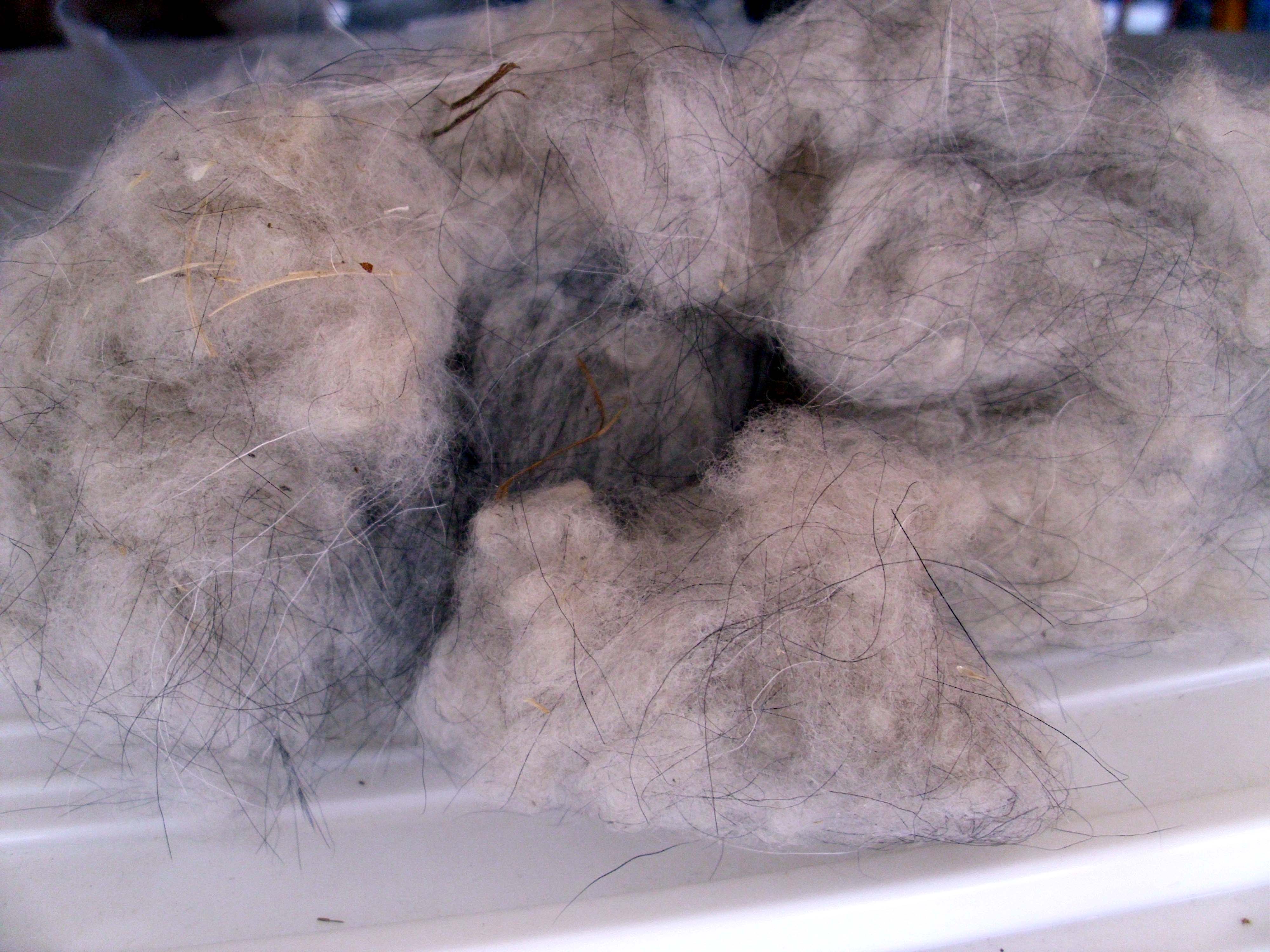
My Cashmere in cloud form.

Cashmere in roving form from Ol West Luxury Fibers Goat Company

 On another note  a goat only yields about 4 ounces of cashmere per year. This small yield combined with the time intensive process of dehairing it accounts for its high price. Cashmere can absorb water more quickly than wool and is very receptive to dyes. Cashmere comes in various shades of white, brown and beige. From my research it is 2.5 times warmer than sheep wool.

Just a quick Farm Update before I “Blog Off.”Check out my girl Aerona before and after a trim.

Before


After

PS. Next week the next video of my series “From Llama to Shawl/Scarf” will be posted. Sign up for my weekly newsletter to get access.

PPS. I was debating using the title “Fiber Series” or “Oh The Fiber” tell me what you think. My right brain likes fiber series but Oh the fiber sounds more fun.
Tags: , , , , , , , , , , ,