Deyaneria on February 28th, 2011

The mission at The Fiber ofMy Being is to educate and inspire people to support my philosophy. I want to be able to help as many fiber animals as possible.  My philosophy is that “we have engineered many of our domesticated species that they cannot live without us, therefore we are responsible for them.”

That being said  the mission of Applebee’s Acres( the farm itself) is to give abandoned, neglected, and sometimes loved enough that owners want a better life for them, fiber animals a home. Many I take permanently, I also act as a foster home for some as long as it takes to find them homes. I have been rescuing animals since I was a child.

How did the name “The Fiber of My Being ” come about?  I was having a conversation in April of 2010 with a dear friend about my latest rescues. I told her “it’s  in the fiber of my being to help  animals.” Lucky for me she piped up immediately and told me I needed to name the (non-existent, still mulling it over ) Etsy store with that phrase.

The name Applebee’s Acres came into play because it is my beloved’s surname and it sounded a heck of alot better than Schoch’s(said shock) Acres.

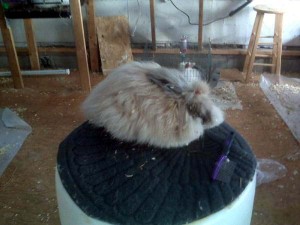
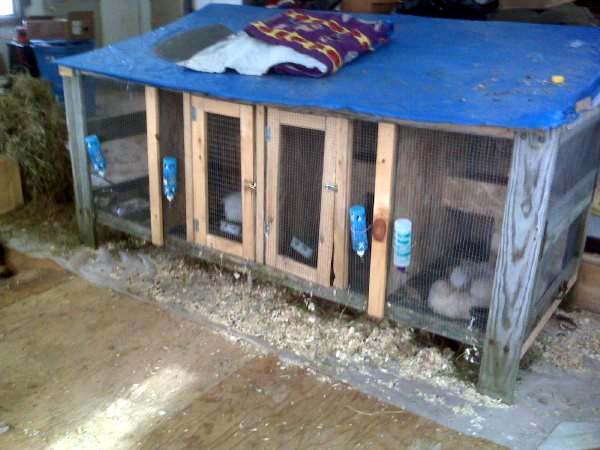
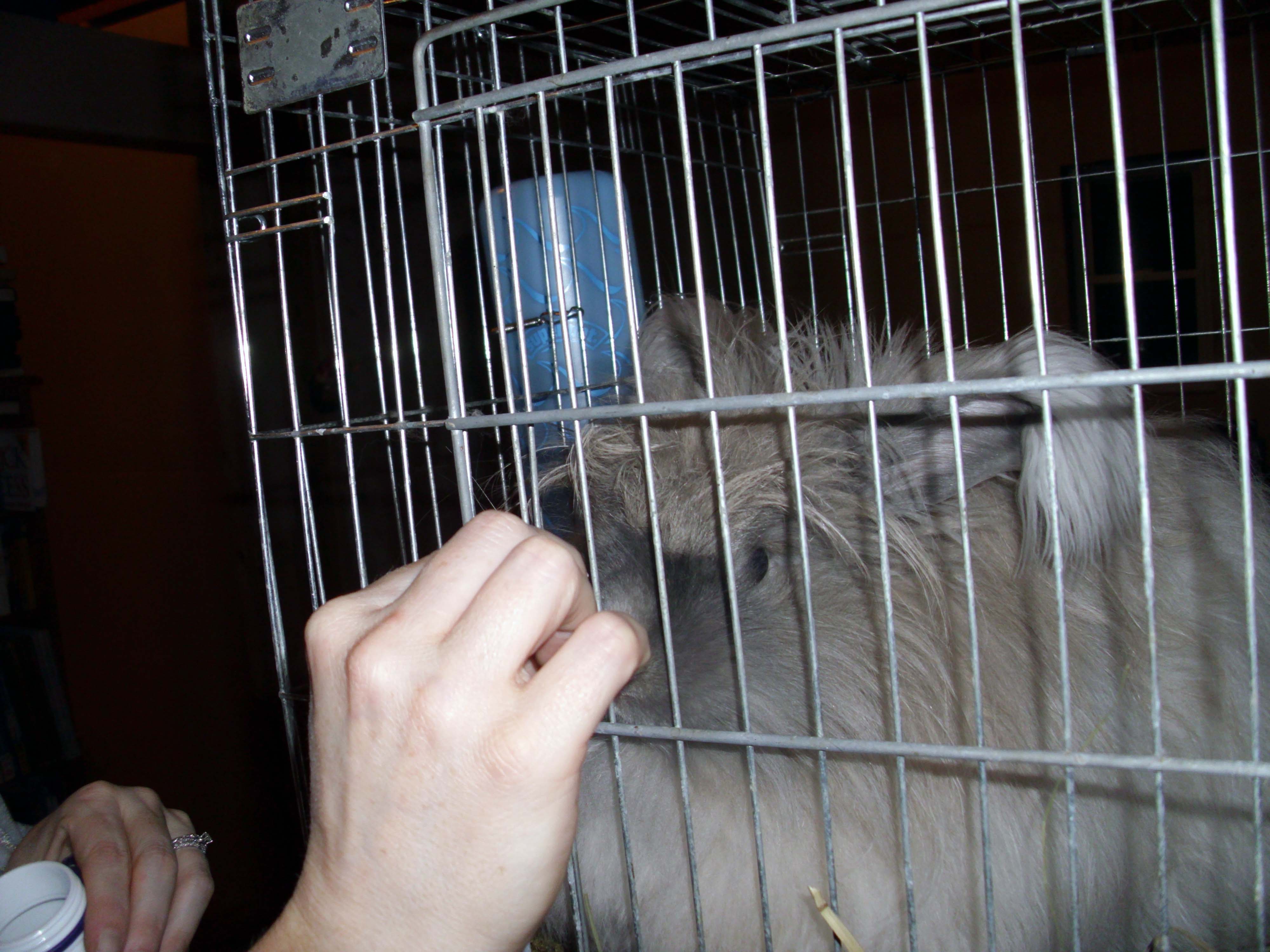
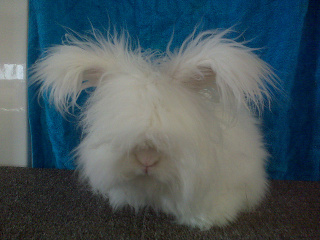
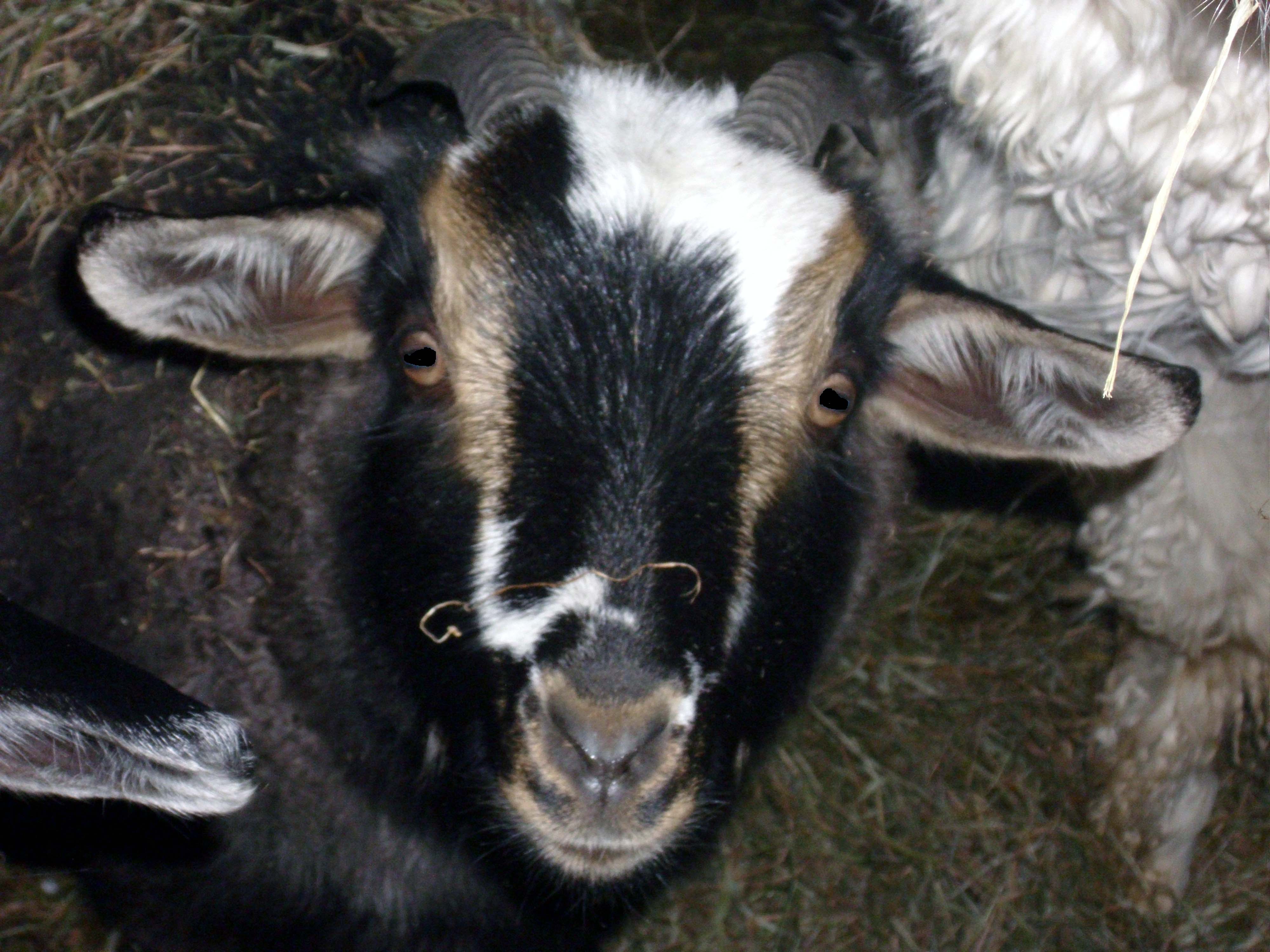
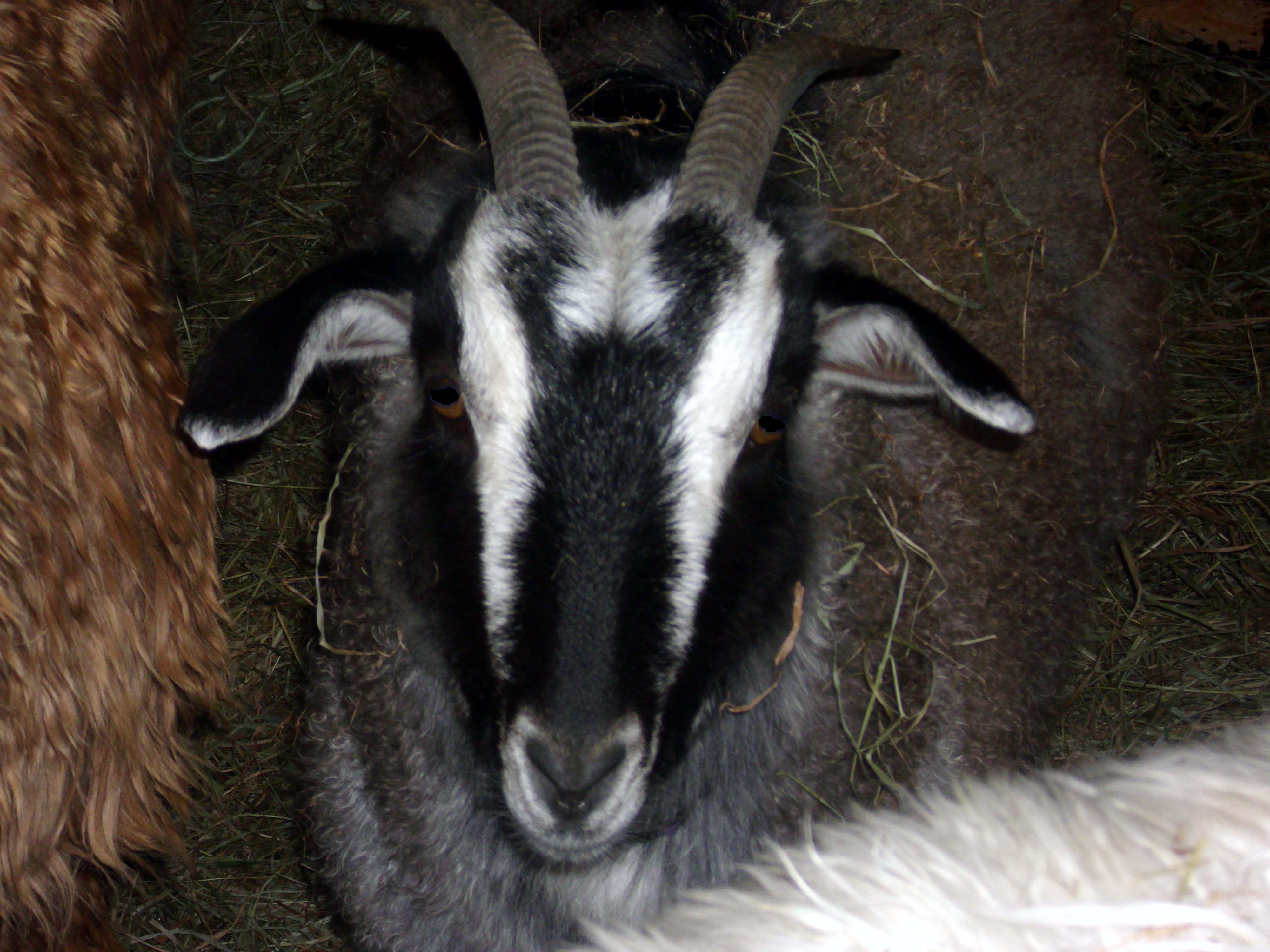
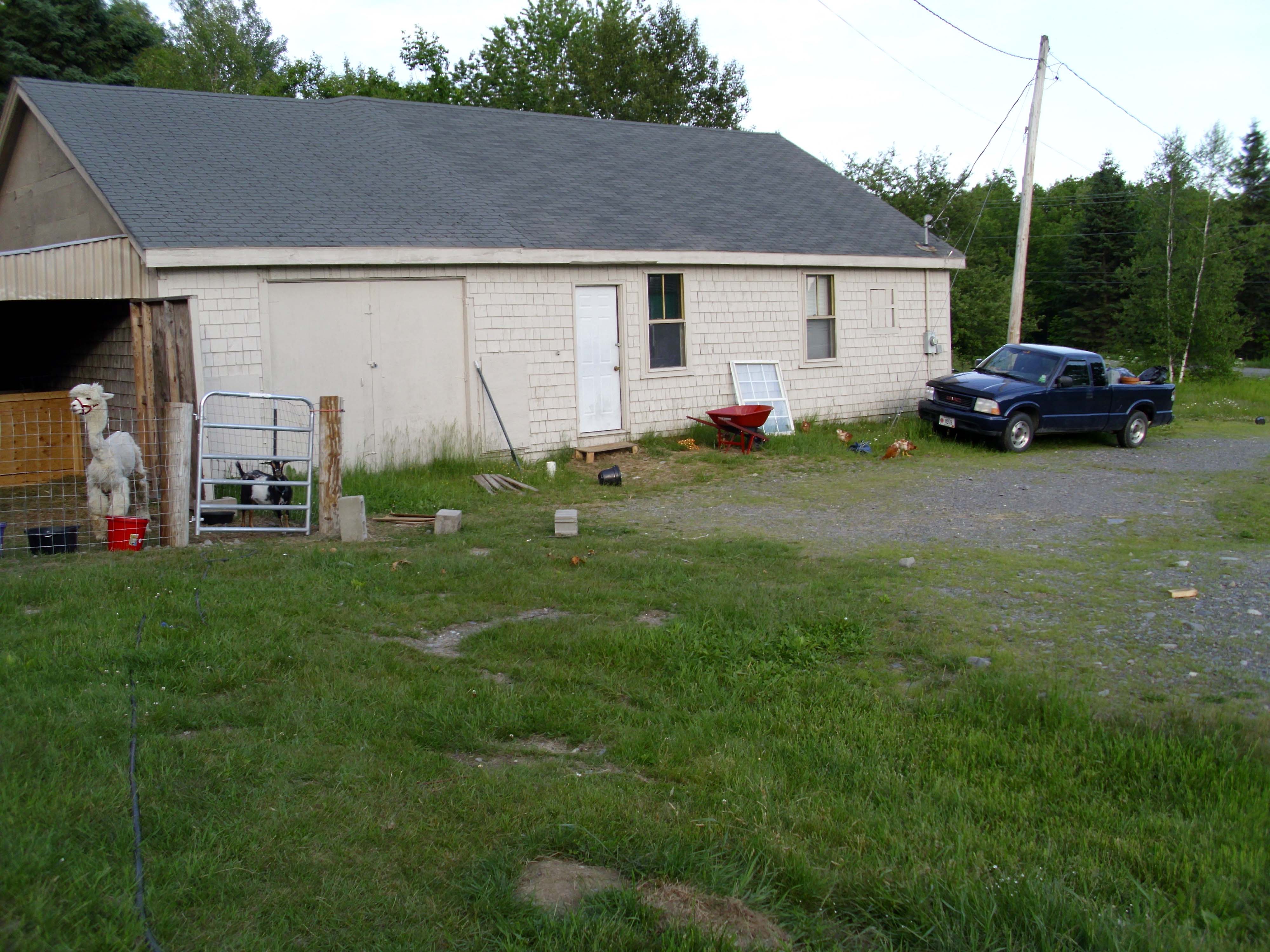
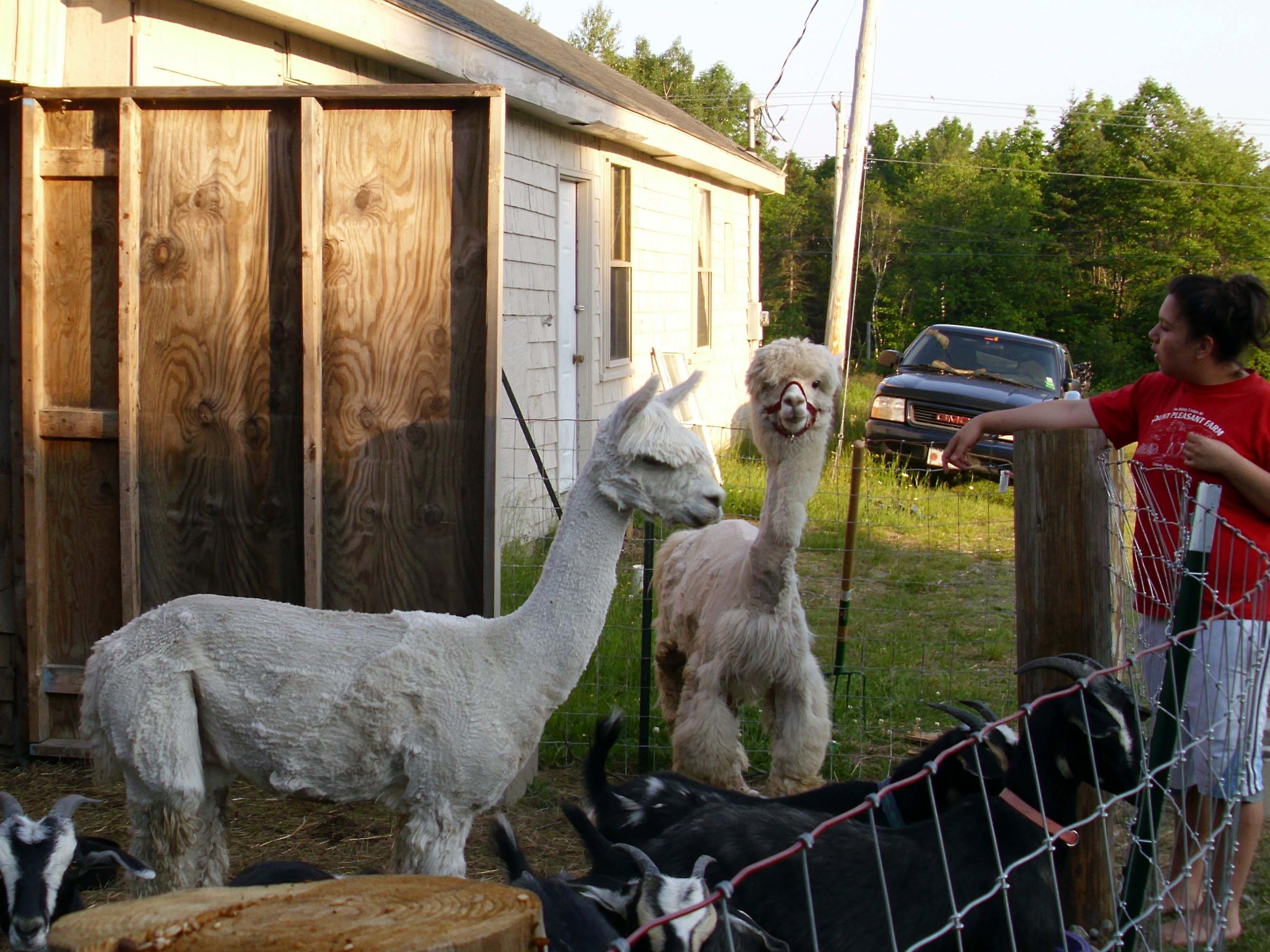
Here are some pictures of the farm. 
P.S. The second video in the ” From Llama to Scarf/Shawl” series will be posted next week. Sign up for the Newsletter to get access.

Tags: , , , , , , , , , , ,

Deyaneria on February 25th, 2011

I know I’ve talked about clipping and plucking. I’ve told you about my Bunnies. Now, I’m going to share with you what to do with all that fibery goodness.

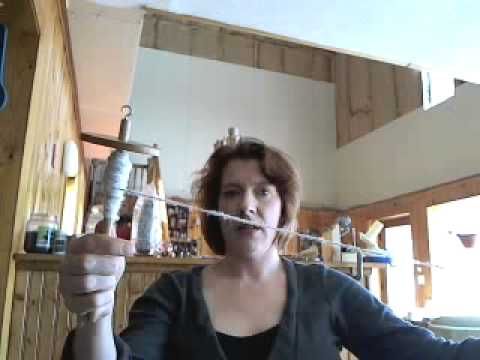
The a wonderful thing about angora fiber is that you can just spin it. That’s right no processing needed you can just spin it. There is no grease and if the rabbit has been well groomed there is very little VM(vegetable matter). I did quick video on drop-spindling raw angora in the previous post.
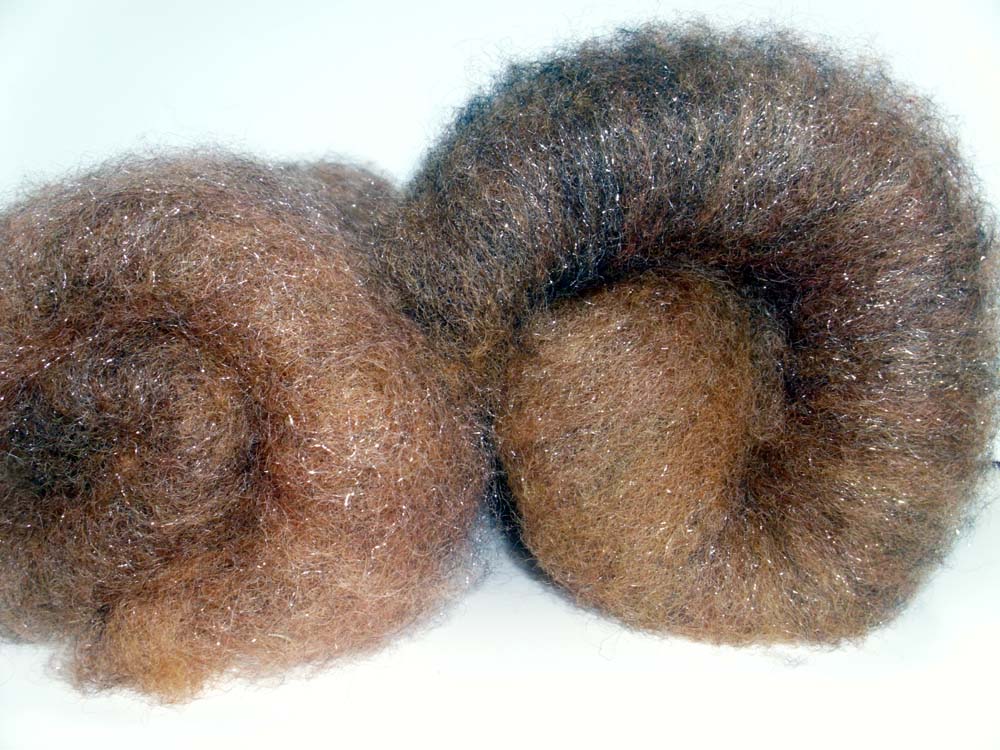
Angora fiber can be dyed with varying results.

angora on left, wool on right

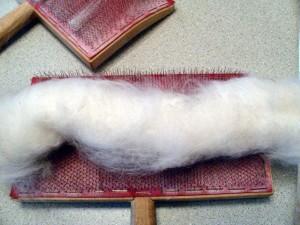
It can be carded to make rolags, or batts.

Rolag or Rolog

It can also be combed into top.

Ashland Bay Angora Top

Angora is often blended with other fibers to strengthen the fiber or to add softness to other fibers. A little does go a long way. Most sweaters are only 10-20% angora. This is for 2 reasons: From the research that I’ve done angora is 7 times warmer than wool so anything that is 100% angora could be too warm, secondly angora fiber can be pretty short and is incredibly soft, but not so strong so combining it with other fibers gives it strength.

Here is the latest colorway going into the store today.

Tags: , , , , , , , , , , , , ,

Deyaneria on February 23rd, 2011

Angora is the fiber clipped or plucked off an Angora Rabbit. There is usually guardhair and  underwool. The softness is determined by the diameter of the fiber , measured in microns. The micron count of angora is around 12-16 microns. For contrast merino wool ranges from 18-25 and a human hair is around 60 microns. Angora fiber is hollow, therefore it is an excellent insulater.

Angora does felt very easily and can happen on the animal if the not groomed regularly. I have a couple of buns, that  it seems if you look at them they matt up.

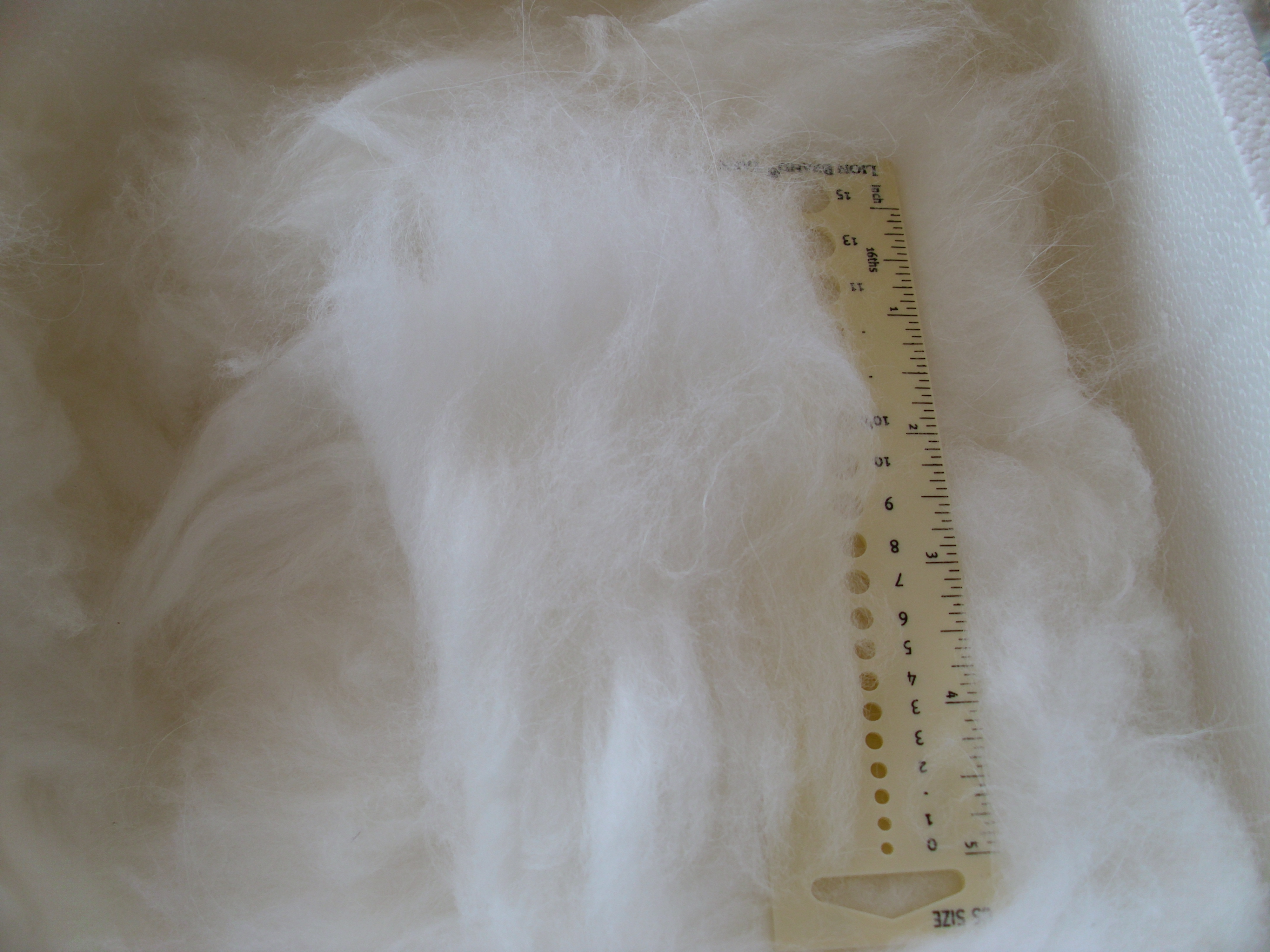
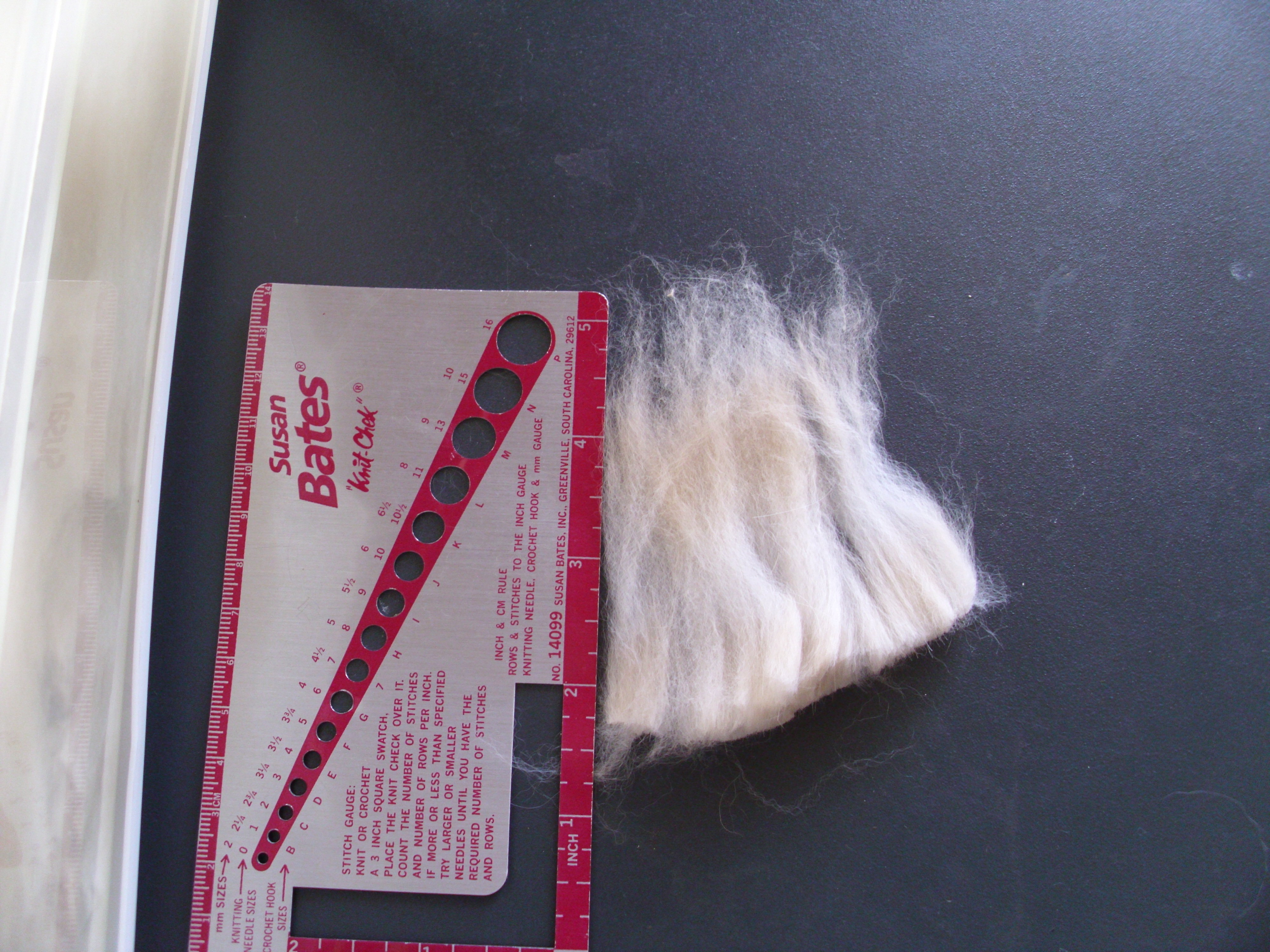
Angora fiber is classified as prime, seconds,combings, and matts. Prime wool is the finest and longest that grows on the back and sides of the rabbit. It can be plucked or clipped. It is usually layed out in boxes to be stored so there is no tangleing of the fiber.  Seconds are short fibers that are made by clipping a clipped area or are just shorter than prime.  These are great for felting projects. Combings are wonderful they are usually long  and folded over from the combing process. They create a wonderful yarn and are my favorite to spin. Matts and matted combings make for great novelty yarns. They can make for interesting textures and can make great art batts when carded with other fibers.

Prime White Angora Fiber


Clipped Prime Angora


Angora Combings


YouTube Preview Image

Tags: , , , , , , , , , , , , , , ,

Deyaneria on February 21st, 2011

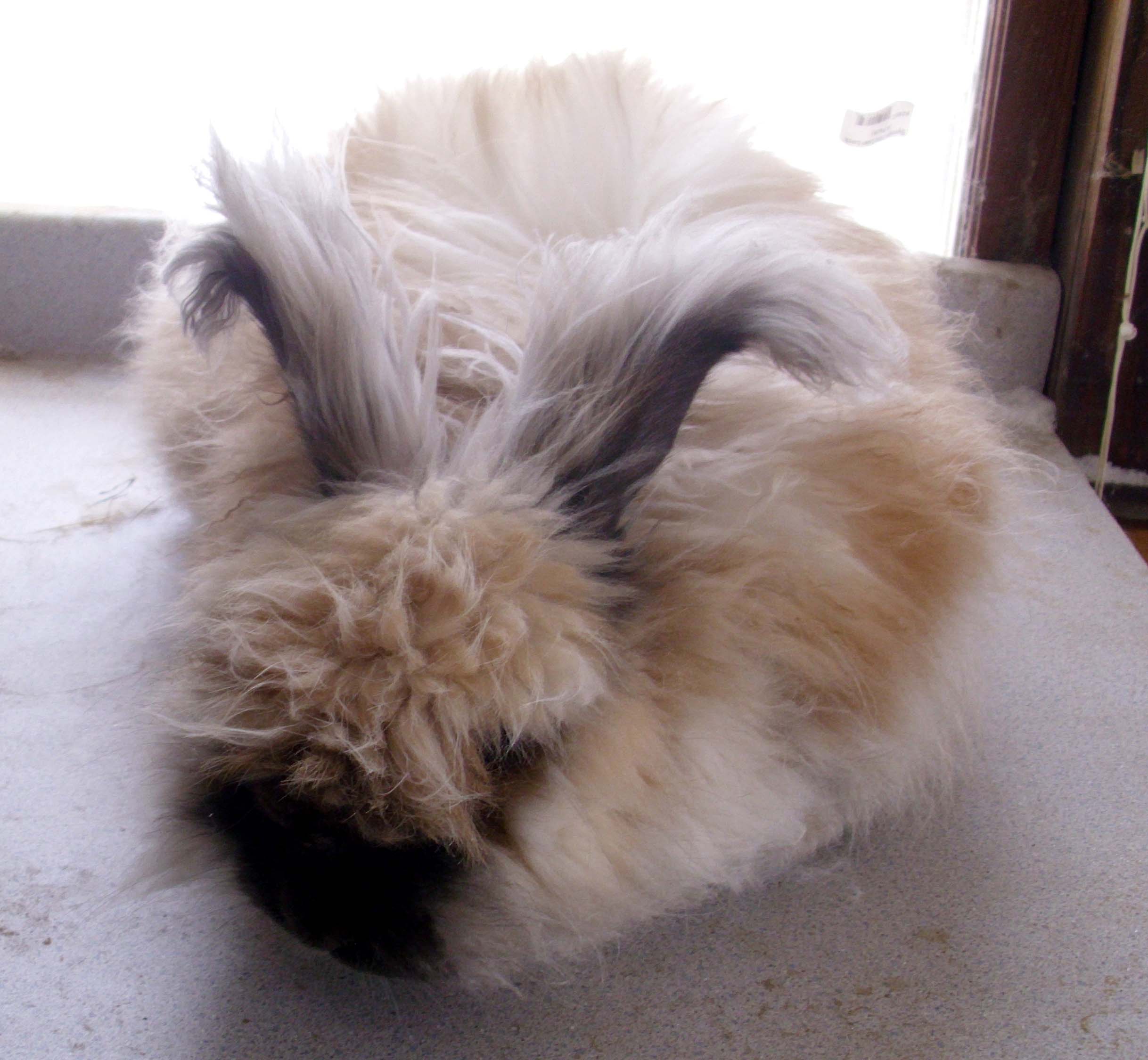
Right now the farm is home to 11 rabbits. I thought I would introduce to our fuzzy faced members.

The oldest members of my Farm are Little Girl(LG), Blue , and Kali.


Little Girl is a tort english-french mix as far as I can tell, she has no pedigree.  Her personality is fiesty yet sweet.  She pings like a bouncy ball when we put her in the bunny run. In the spring and summer I put the bunnyrun outside in the shade so they can eat grass and dig.


Kali was one of my first rescues she is full english and came with a pedigree. She is just lovable and will let you rub and trim her tummy with ease. I think she always had to share a home before so she became rather protective of her cage for awhile. I think once she go used to us and the fact that she always went back into her cage, she seemed to calm down.


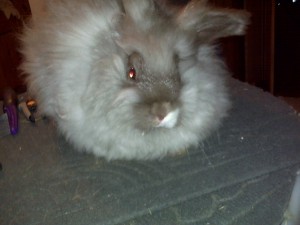
This is Blue and he is a blue colored bunny. I believe he is also a french/english mix.  He is fiestier than the rest of buns. In fact we think he only likes me. He tries to climb up on me when I’m grooming him.


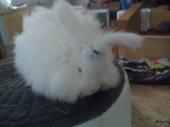
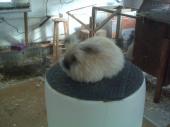
Adony is my little sweetheart. He just curious and lovable always shoving his nose somewhere. Adony is an English Angora He has lovely fiber and a wonderful personality. He makes me laugh. Sorry about the blurry pic we just finished grooming and he did not want to be still any longer.

Aerona or Roni for short is funny girl. She’s a bit larger than the rest of the buns. Roni is a blue tort and is an english/french mix. She loooooves her treats and is constantly looking for them.

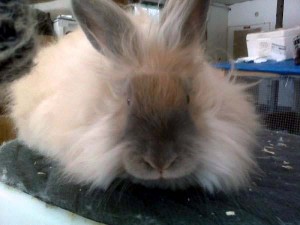
Cocoa is my only chocolate color rabbit. She is an English Angora. She has a more reserved personality than the other buns. She’s the quiet one.  Sometimes I think she just tolerates us 🙂


This is Cornelius. He is an english/french mix. The coloring he has is called pointed white.  I love his blue tips on his nose,ears and tail.  Cornelius is took a bit longer than the others to warm up to us but has become a bit of a cuddlebug.

Ceasar is beautiful english/french mix. He is a blue tort. He will be the first to let you know when he has had enough grooming. He is always waiting for treats when someone walks into the barn.

Camelot is an english/french mix. He is also a blue tort. Camelot is very shy. We are gently bringing him out of is shell. I can wait to see is full personality emerge.

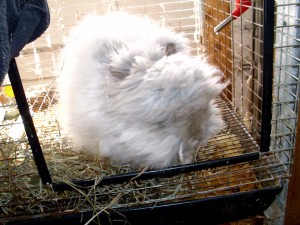
One of our newest members Teddy. Teddy is an English angora with agouti coloring. He is an attention monger and does anything to make you notice him. He loves to cuddle and is quite content to stay in your lap.

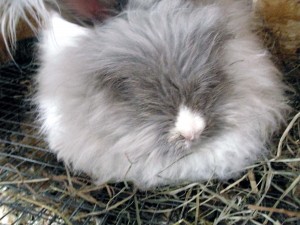
Last but certainly not least is Bella. She is an English angora . She’s quiet but very sweet and loves to be held and petted. Bella is an agouti color. I just adore the spot on her nose.

Tags: , , , , , , , , , ,

Deyaneria on February 18th, 2011

Taking care of angoras is more work than with the other farm animals. They require at least a weekly grooming in addition to pellet food, water, and all the hay they can eat. Rabbits are solitary animals for the most part although many people have had great experiences with combining neutered and spayed animals. Some even have communities for their rabbits. For the health of the animal it’s a good idea if you aren’t going to breed to get the rabbit spayed or neutered. Rabbits have a high risk of reproductive cancers and getting the animal fixed helps to prevent this.

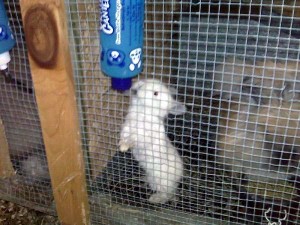
Baby Drinking

A quick note on grooming I usually have to hit up the cat and dog section of the pet store for these items. An animal blower is a plus too and essential piece of equipment if you want to show your animals and a labor reducer for those who don’t. Blowing out the coat helps bring any matting to the surface to get it out easier.  I found that my husband’s air compresser works pretty well.

bunny grooming stand

Rabbit houseing does not have to be elaborate.  I use some wire cages and cages that are both wood and wire. The most inportant thing about getting the correct cage is to make sure it will accomodate the rabbit in a full coat and has a wire floor(1/2 by 1) this helps keep the wool (what you want) clean and lets the droppings and urine fall through.  Most of my cages have drop trays that are cleaned once a week. I have one large cage that I use plastic underneath. I put wood shavings in the trays and on the plastic. Pine is ok but don’t use cedar because it messes with rabbits respiratory tract. I’ve also used wood pellets and corn cobs they work very well. Angoras rarely ever get cold.  As long as they are out of the wind and not wet they do just fine in cold temperatures. The biggest risk is heat stroke. We use fans and frozen water bottles in the cages to create a swamp cooler effect. I also have an AC unit if it gets really hot. I clip them a bit shorter during the summer months.


Angora rabbits do groom themselves and swallow fiber. This can cause woolblock. It’s basically a hairball kind of like a cat would get. However Rabbits don’t vomit a hairball. It just stops up their digestive tract and can kill them. There are different ways to deal with the problem but the best thing is prevention. Groom the animal regularly, and giving fresh or dried papaya, or papaya tablets, or fresh pineapple(dried or canned won’t work) helps prevent woolblock from forming. These fruits have an enzyme that prevents the woolblock from forming.  My bunnies get 1-2 papaya tablets daily. To them it’s candy in fact I just need to shake the bottle and they are all up on the sides of their cages impatiently waiting for me to dole them out.

Giving papaya

Tags: , , , , , , , , , , , , ,

Deyaneria on February 16th, 2011

     There  is some controversy about where angora rabbits originate from, the common theory is that they came from Turkey in the 18th century to France. They were originally just called angora woolers. Now there are 4 different breeds recognized by the American Rabbit Breeders Association. The English Angora, French Angora, Giant Angora, and Satin Angora. The German Angora is recognized by the IAGARB ( International Association of German Angora Rabbit Breeders).

English Angora

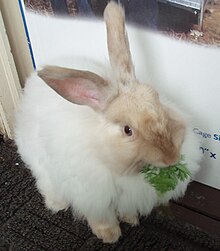
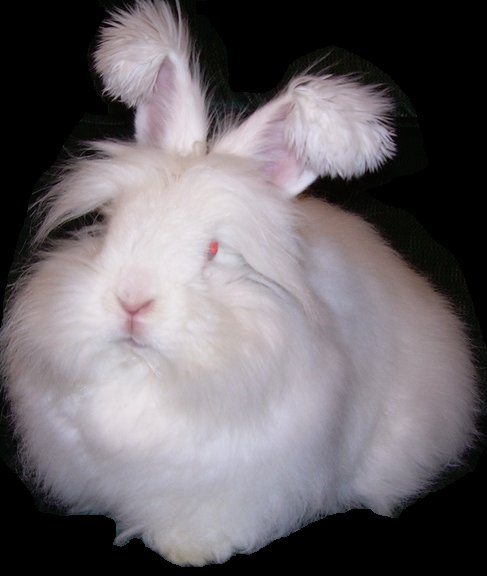
The English Angora weights from 4 to 7 pds. They produce wool on their ears and faces.  English Angoras have very dense fiber with little guard hair and need to be groomed at least once per week.

French Angora

The French Angora weights from 7-9.5 pds. There faces and legs are free of wool. French Angoras have long guard hair with the wool growing in shorter. They require less grooming than the English Angora

Giant Angora

The Giant Angora weights from 9.9 pds and up. They  have a triple  coat that  contains three types of wool: soft under wool, awn fluff, and awn hair; the awn type wool exists only on the Giant and German Angora.  The only recognized color is REW or Ruby-eyed White(albino). The Giant Angora produces more fiber than the other types of angora.

Satin Angora

 The Satin Angora weights in at 6-10 pds. This breed is a cross between a French Angora and Satin. Satin Angoras produce less  fiber than other varieties but the fiber has a very smooth texture to it.

German Angora

The German Angora weighs 4-12 pds. They are often confused with the Giant Angora. A separate association for German Angoras exists called the International Association of German Angora Rabbit Breeders, or IAGARB.  The  emphasis is on both the wool-bearing properties an the body type characteristics of the rabbit for commercial purposes, instead of conformation. The rabbit must meet objective standards and perform well on 90 day shearing tests to be officially recognized as a registered German Angora rabbit.

Jersey Wooly

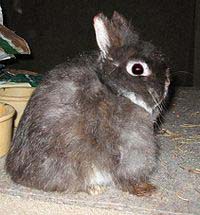
The Jersey Wooly is  a dwarf version of the angora. The breed was the result of crossing Netherland Dwarf and a French Angora. It is a very popular pet breed.  A full grown Jersey Wooly weighs 1 – 1.5 kg (2.5 – 3.5 pounds) . They have compact body type. The. A Jersey Wooly’s coat is often referred to as “easy care” due to the high ratio of guard hairs. Some other types of angoras are the chinese, Finnish, and  Swiss.

Tags: , , , , , , , , , , , , , ,

Deyaneria on February 14th, 2011

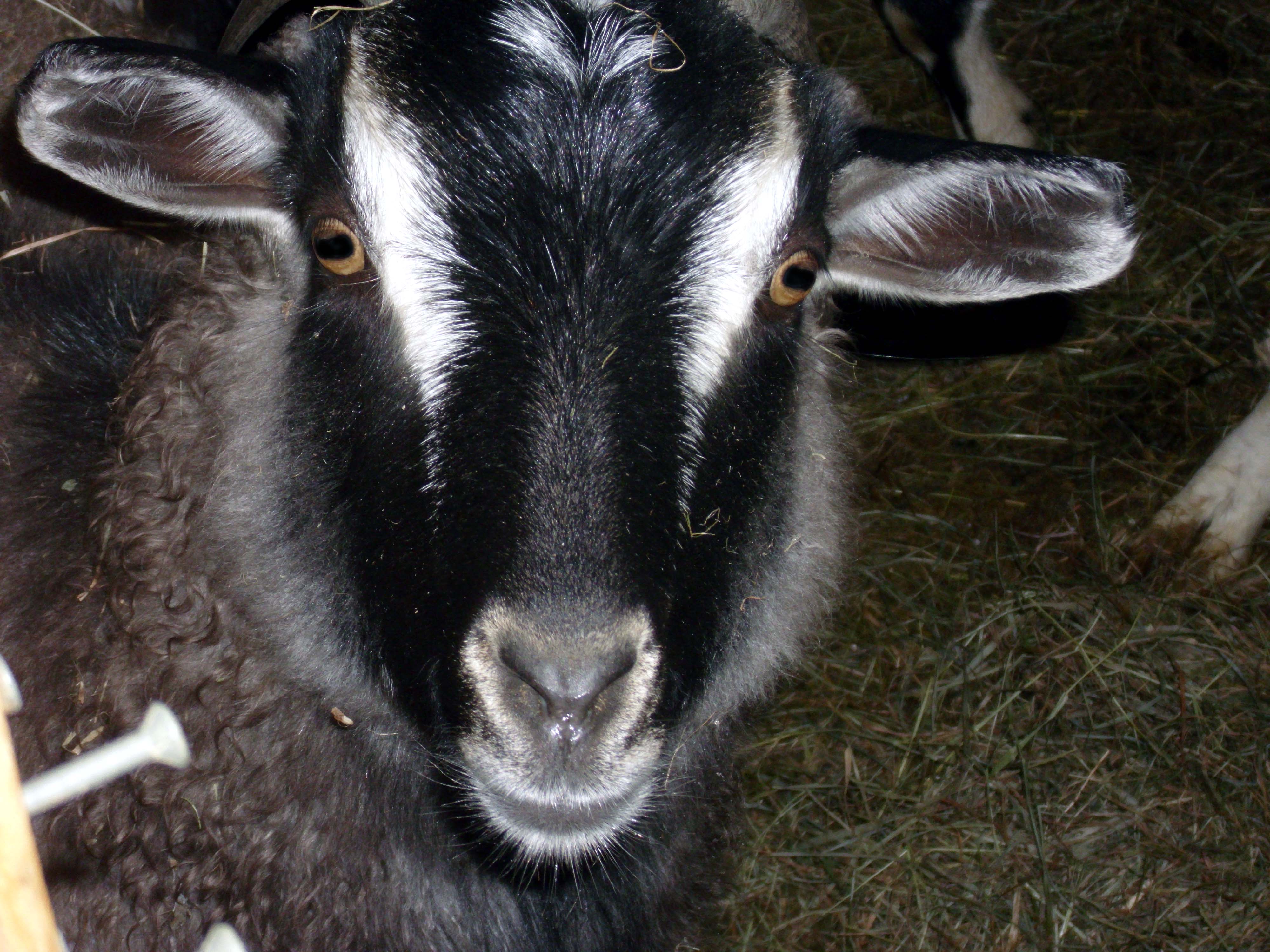
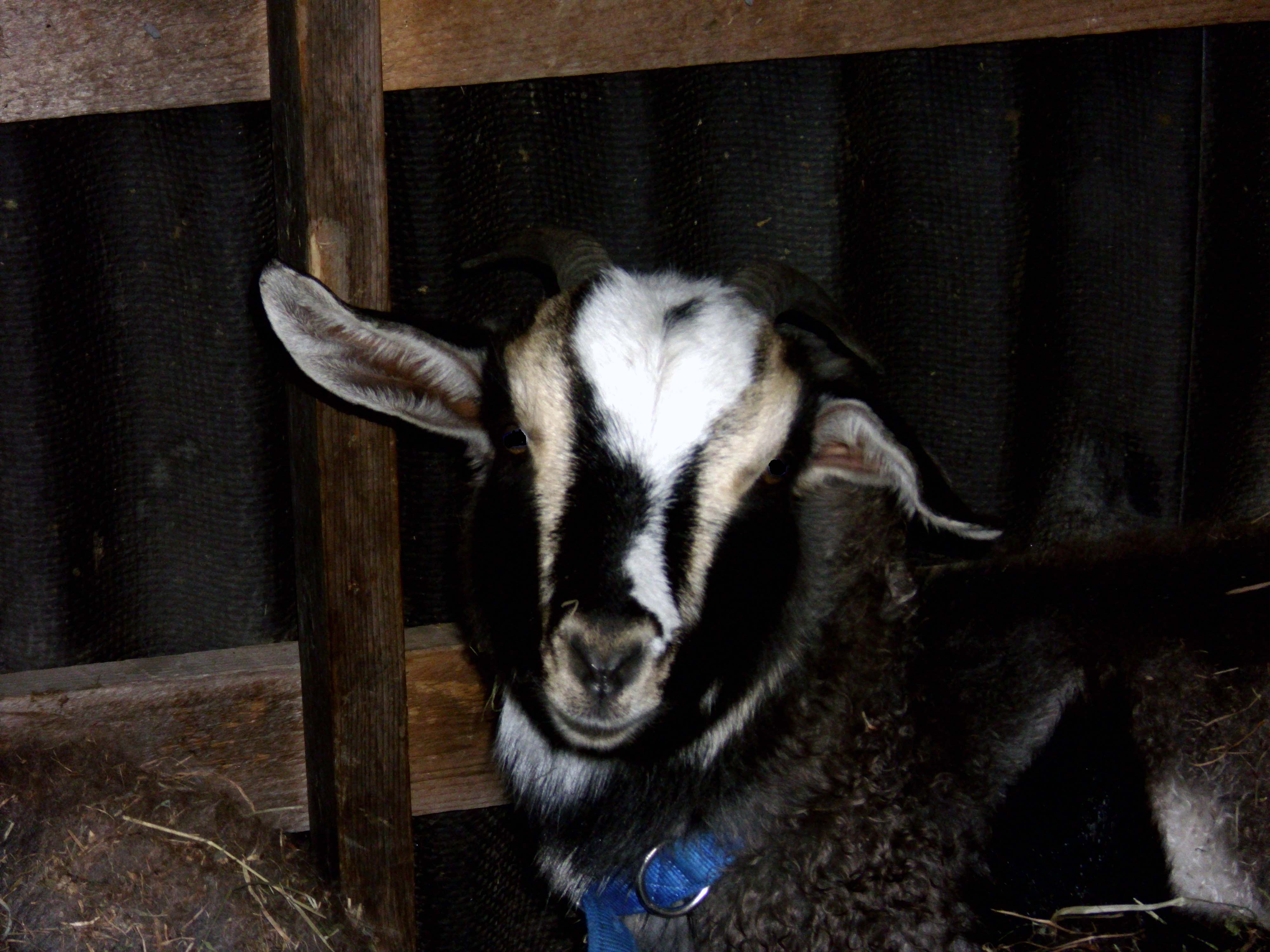
I have 4 goats on the farm now. I received them along with my dear Lorenzo I wrote about in last weeks newsletter. They are all female. They produe cashmere. Cashmere goats in the U.S. are quiet large but my ladies are little, they also seem to have the markings of Nigerian dwarf goats. I usually don’t get too much history on my rescues so I have to figure these things out on my own.  I did find out that when the previous owner received these goats at 8 months, she was surprised to find her goats giving  birth at Christmas time.  I received all 4 the next April. They were not very socialized to people but some treats and petting later their personalities really came out.

Anyway on to the girls:

 Gabby is the loudest and most boisterous goat we have. She is a bit of a hoover vacuum cleaner and will butt others out of the way to get to the food.  Gabby is very vocal and almost seems to talk to you. She is also the fattest<smile>.  She has a very gentle nature with the babies even not her own. I saw her playing with her sister’s baby who is smaller than all of them. They were head butting but you could tell she was being very gentle with this delicate baby a very sweet moment to watch.

Maddy is Gabby’s daughter. She’s very much like her mother but is a more gentle about food. Maddy is very vocal and likes her humans to pet her and talk to her.  She is the first one to come running outside if she hears us coming toward the barn.


Sassy is just as her name says a goat with a side of attitude. She isn’t quite as friendly as the other two, she kinda hangs back and waits for an opening.  She seems to like toying with Francois. Sassy will pretend to charge him and he will run away and cry. I think she finds this really amusing because she hasn’t stopped yet.

Serena is the quiet one. She is rarely vocal maybe because the others are so loud. She is the first one who will back off and  stand back when food is offered. I sometimes hand feed her to make sure she gets enough grain as she will not join the jostle for food. She can be a bit standoffish and is very cautious of people. We have been earning her trust. She has a sweet personality that we hope will soon shine.

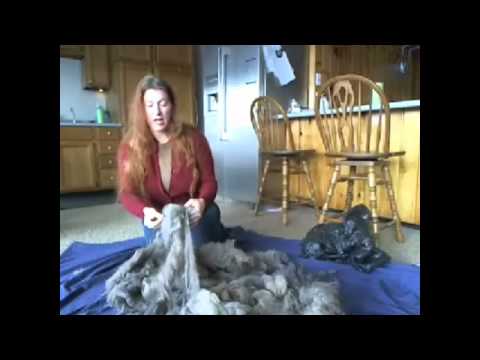
On another note I a starting a video tutorial from Llama to scarf or wrap (it will depend on how my fiber I have after processing). The first part, Skirting a Fleece, will be up for everyone to view tomorrow.  The rest of the series will only be available those who subscribe to the our weekly newsletter. Sign up!

Tags: , , , , , , , , , , ,

Deyaneria on February 13th, 2011
YouTube Preview Image

Tags: , , , , , , , , , , ,

Deyaneria on February 13th, 2011
YouTube Preview Image

Tags: , , , , , , , , , , , , , ,

Deyaneria on February 13th, 2011
YouTube Preview Image

Tags: , , , , , , , , , , , , , , ,