Deyaneria on February 11th, 2011

I went to school yesterday. I know that sounds a bit silly. I went to school to teach 7th-8th grade kids about, making yarn, where fiber comes from, how i do fiber prep, and I even taught them how to spin on a drop spindle. Many people thought the kids would not interested or they would just horse around. Actually the kids and I had  a blast and many were interested in picking up that drop spindle and making their first yarn. I found that the boys were actually more “gung ho” about it than the girls.

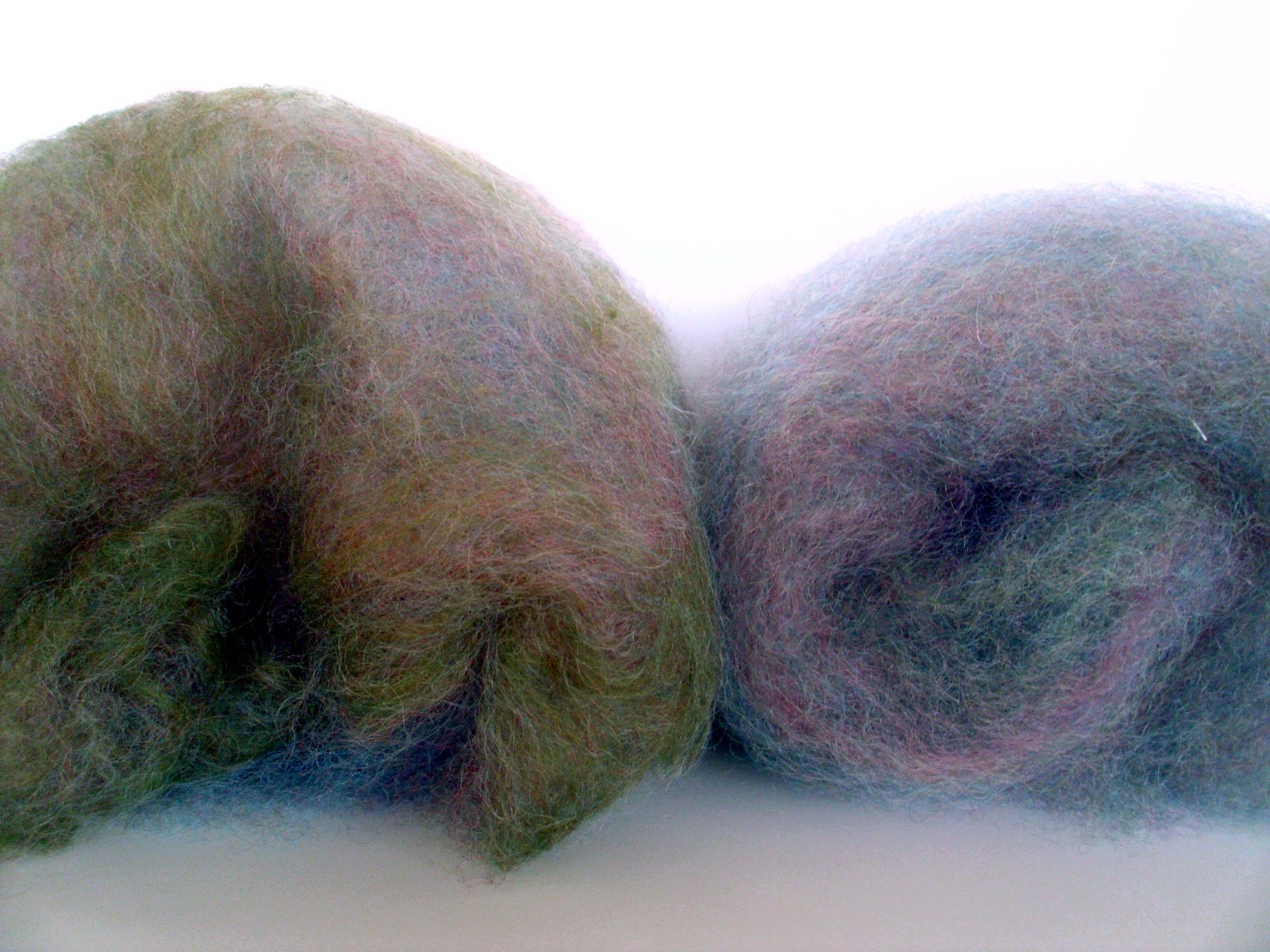
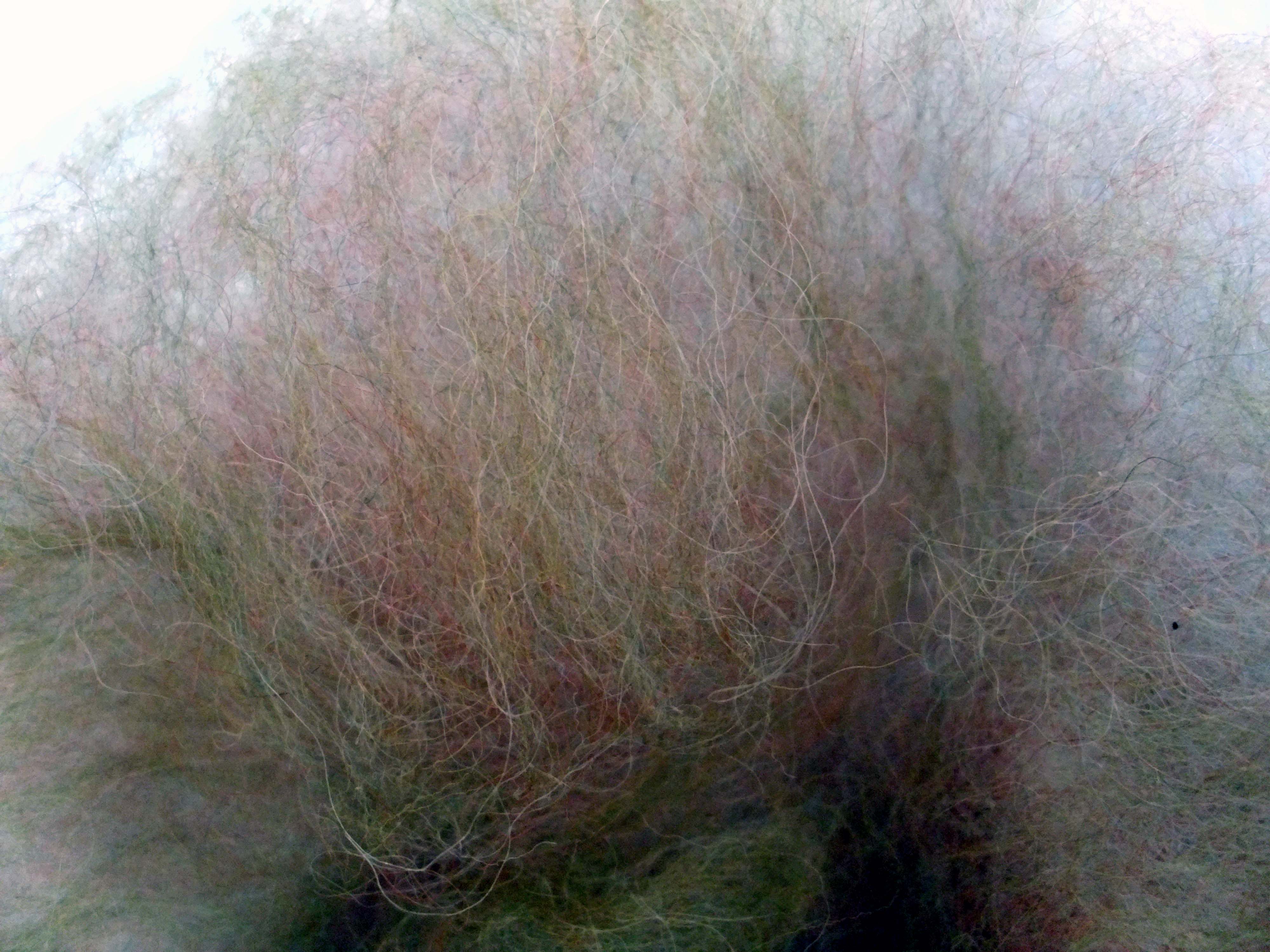
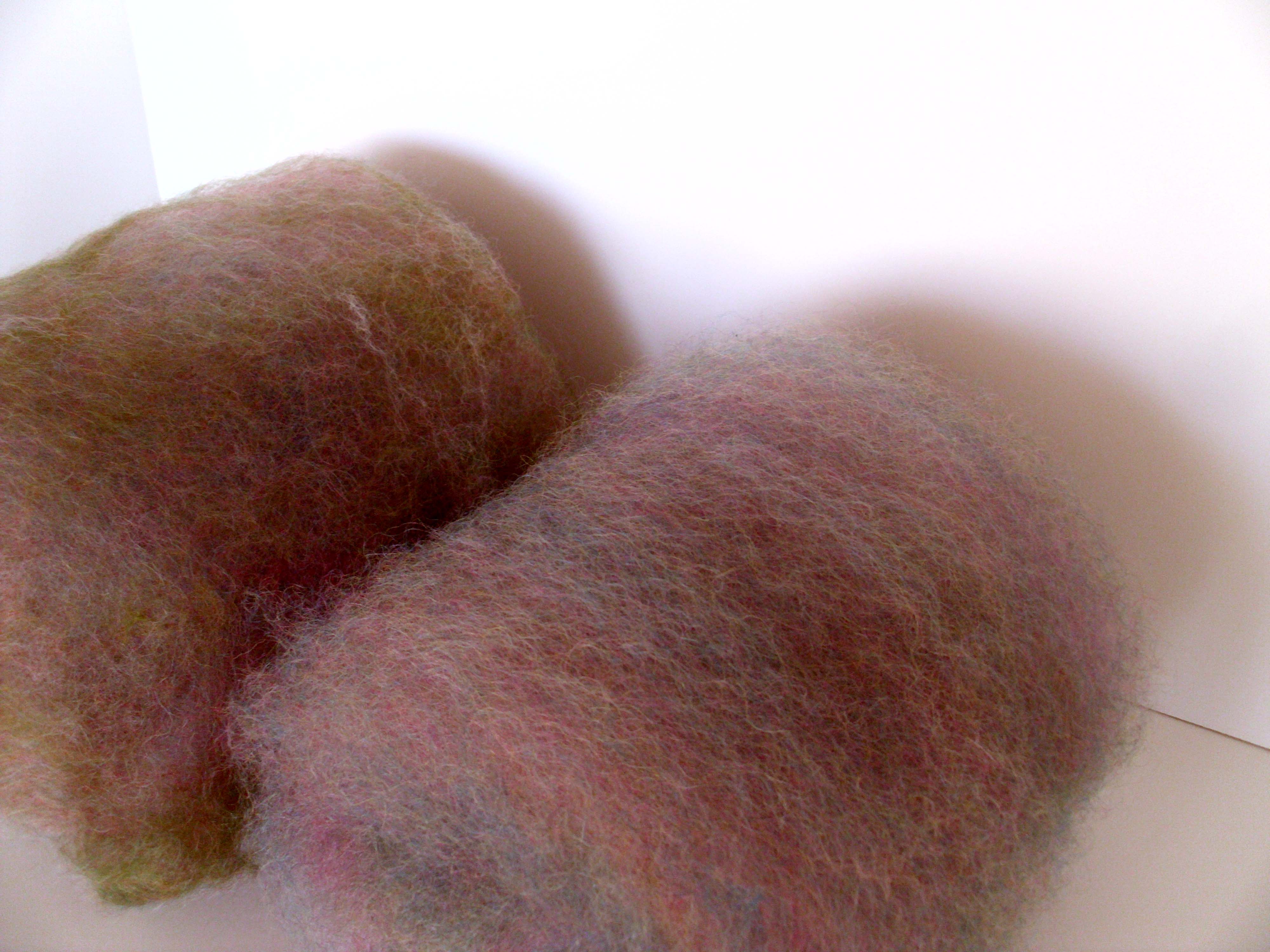
Each class made their own colorway of spinnable fiber as well. I had taken in a box of colored coopworth locks and let the kids pick their color and made top and then mixed a them again to create batts from them. It was interesting to see the colors they wanted and how they blended together. I really wish I had thought to take my camera in to get some pictures of this experience. Many people think fiber arts are outdated or a dying art. What I saw at that school that kids could be interested in something as simple as twisting fiber showed me different. They are just not exposed to it. I think this needs to be rectified.

Here are a few pictures about what the kids came up with:


The last picture had no photoshop adjustments.

Tags: , , , , , , , , , , , , , , , , , , ,

Deyaneria on February 9th, 2011

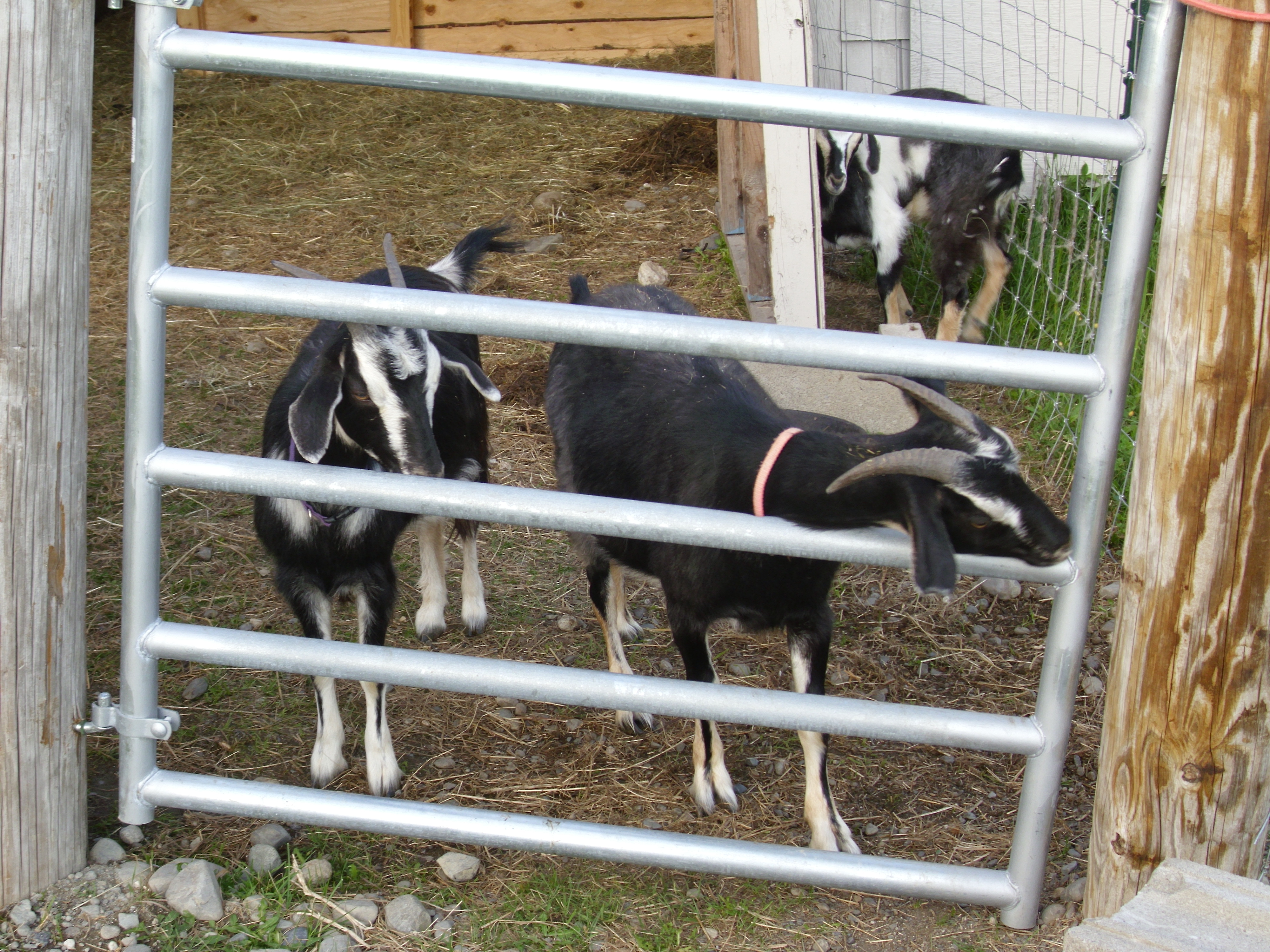
Goat care is something I’ve been learning for about the last year. Basic care for fiber goats is not difficult. They need shelter often a 3 wall shelter is enough to make them comfortable. Giving high quality grass hay when pasture is unavailable  and a good sweet feed are essential for great coats.  You may want to check with your local vet to be sure there no particular parasites in your area to look out for.  Some breeders give tetanus shots to their goats as well. Goats should be wormed 4 times a year.  There are many products at your local feed store for this I use a pelleted feed type. The goats just eat it with their feed and I don’t have to catch anyone and force a foul paste down their throats.  About once a year goats may need their hooves clipped.

 Depending on the type of fiber goat you have decided you want to raise there are different ways of collecting fiber. Angora goats are usually sheared twice a year.  Cashmere can be sheared once a year or brushed out as they shed their coats when the weather warms up.  Pygoras and Nigoras depending on if the fleece is can be sheared or brushed as follows: Type A- shear, Type B- shear or comb, Type C- shear or comb.


I think goats are great farm animals and pets they are entertaining and engaging. You can see a goats personality come right out and what you see is what you get.

Tags: , , , , , , , , , ,

Deyaneria on February 7th, 2011

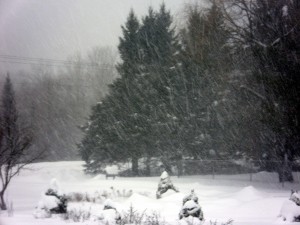
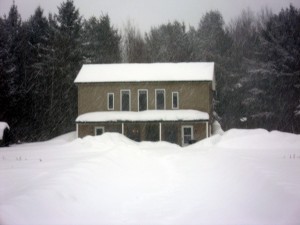
Last week was an interesting week. We got a good sized snow storm. My Hubs kept asking me what I was gonna do(the storm took place on my b-day). I’m gonna sit home and knit. There is nothing better to do during a snowstorm anyway.
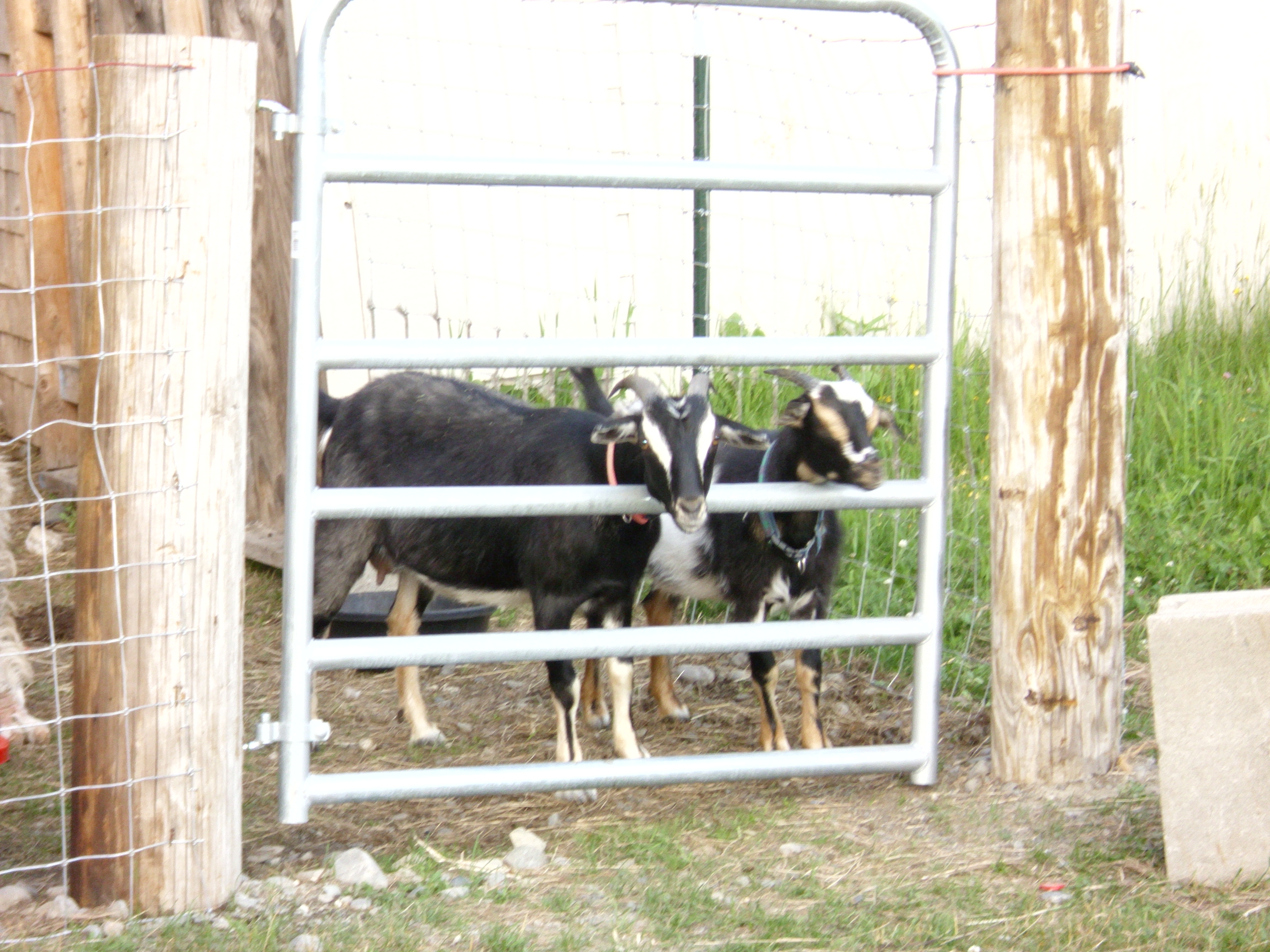
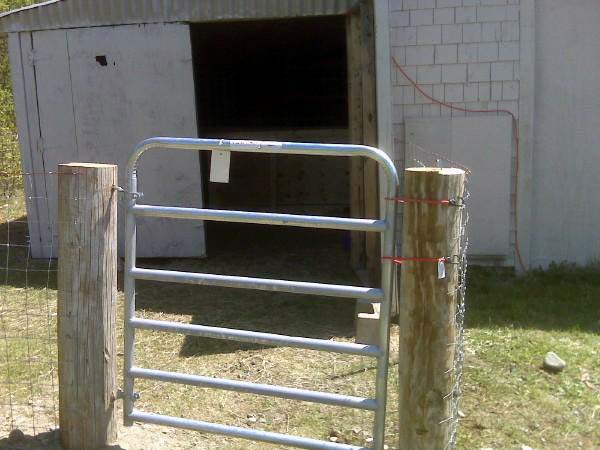
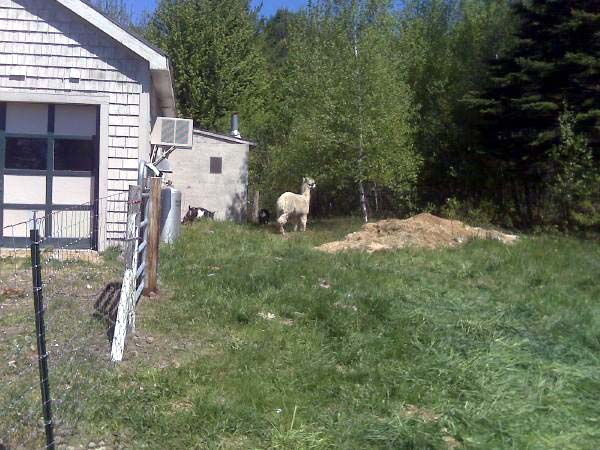
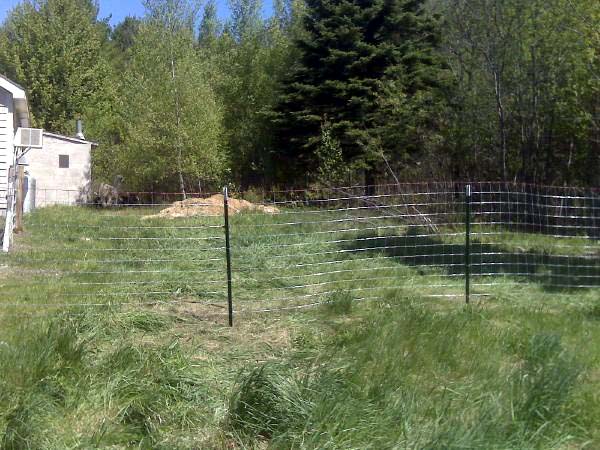
 As soon as I tell people I have goats they laugh and ask how I keep them enclosed. They are rascals and more fun than a barrel of monkeys but make sure your fences are secure.

In my research of goats there a few types of fiber. There is cashmere, soft, very fine and in my experience usually a pretty short staple. It’s also fairly expensive and what I have here at the farm. I’ve found that, pretty much any breed of goat can be a cashmere goat because it is a type of goat and not an actual breed. For instance,  you could have a nigerian milk goat with cashmere characteristics.  There are many breeds around the world that produce cashmere.  This idea of a type was hard to get my head around. I also wondered  if cashmere is not a rare breed then why is it so expensive. I’ll get more into that in a later post.
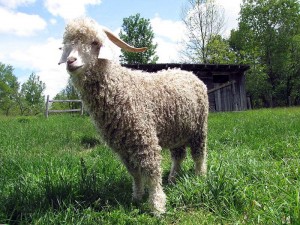
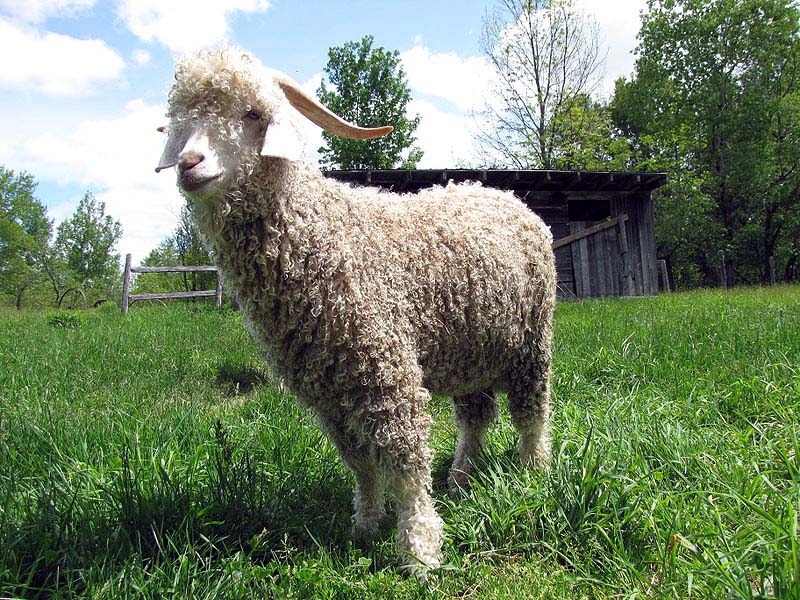
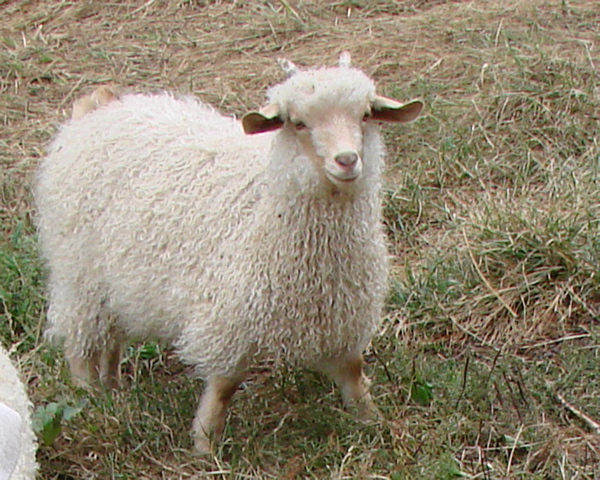
Angora Goat

There are also angora goats. Angora goats produce mohair. Before I learned about different yarns(i grew up thinking there was only red heart acrylic). I thought angora came from angora goats , a common misconception. Mohair is longer than cashmere, often shiny and very strong. It also can give a “halo” to knitted projects making them look fuzzy. Angora goats originated in Ankara (formerly known as Angora), Turkey and its surrounding region in central Anatolia. For many years they were only bred to be white but that has changed. You can now find mohair in black, greys, silver-greys, red and brown. The f softness of this fiber has a lot to do with the age of the animal. The micron range can be from in the low 20s for kid mohair to 40’s for an older adult.
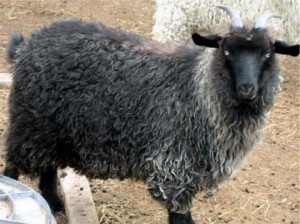
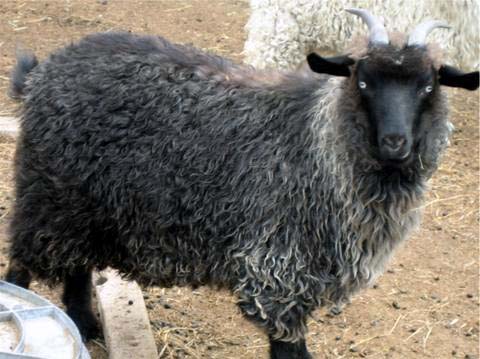
Nigora Goat
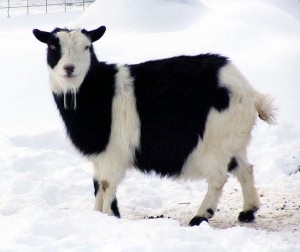
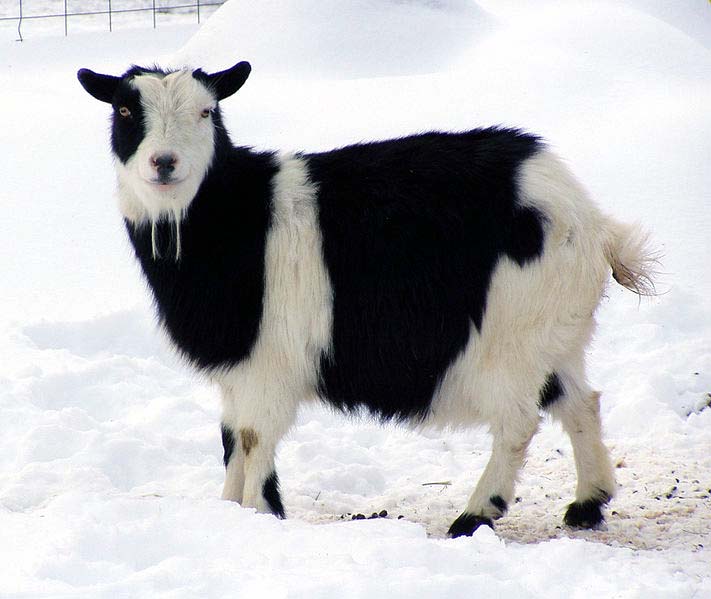
Nigerian Dwarf Goat

 Another type of fiber  goat are Nigora goats. They  are a cross between a Nigerian Dwarf goat and an Angora goat. They can produce 3 types of fleece:  type A which resembles regular mohair, type B that is blend of cashmere and mohair(also called cashgora), type C is a cashmere like fiber.
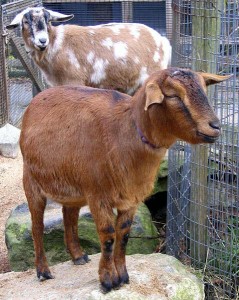
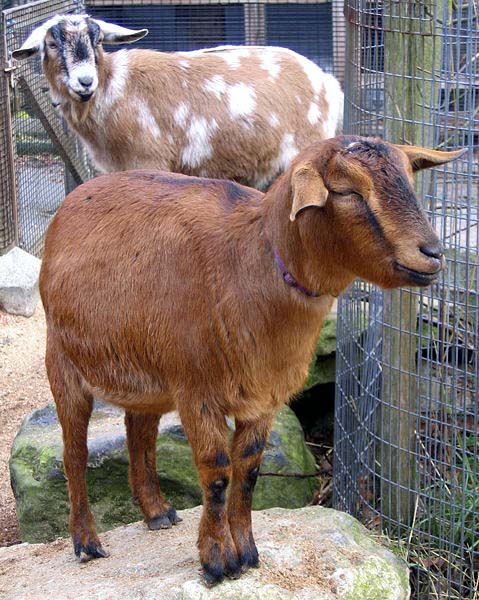
Pygmy Goats
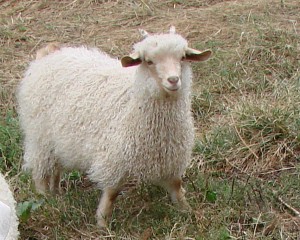


One last breed I would like to look at are Pygora goats. The are the result of breeding a pygmy goat and an angora goat. The fiber is the same as for the Nigora.  Both Pygoras and Nigoras  share basic fiber types and size. However that is limit of their similarities Nigoras are more refined, fine boned with a rectangular build, and come in the same colors as the Nigerian dwarf and angora breeds. The pygora has a blockier build and colors which are limited to the pygmy and angora breeds.
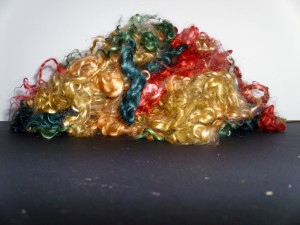
Dyed Kid Mohair Locks
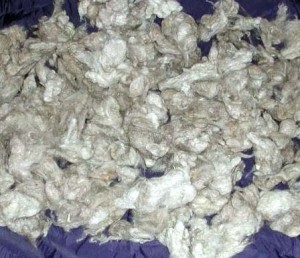
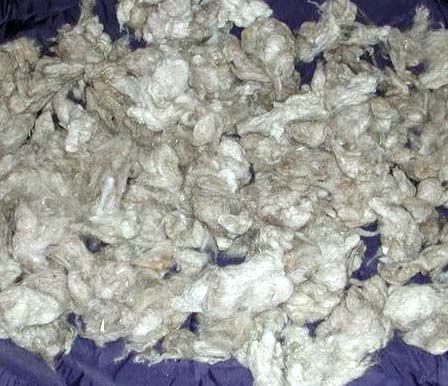
Raw Cashgora locks
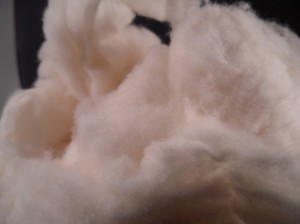
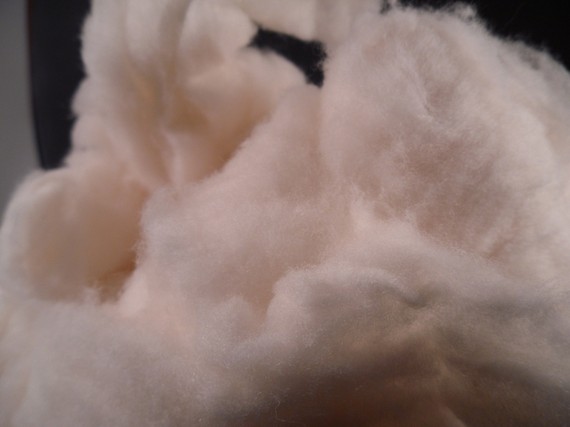
Mill processed cashmere

 Fiber is usually classified by type being Mohair(angora breed goats), cashgora(type of goat not breed), and cashmere(type of goat not breed).  The sticky part comes in because “true cashmere” is suppose to be 19 microns or less(some say 18.5 or less).  The rest is considered cashgora.  In addition a type B coat is also called cashgora. Theoretically speaking you could have a nigora or pygora that produces cashmere. You have to have the fiber tested to prove this however. In addition many goats will not produce a cashmere grade coat their entire lives. Just like angora goats, cashmere producing goats fleeces get thicker as they age. So a cashmere producer one year may be a cashgora the next. So I’m surmising that it’s easy to get a cashmere like coat but hard to breed and keep one under 19 microns.  I also recognize the fact that the yield after processing is only 12 -31%. These are some reasons why cashmere could be so expensive.

Tags: , , , , , , , , , , , , , , , ,

Deyaneria on February 4th, 2011

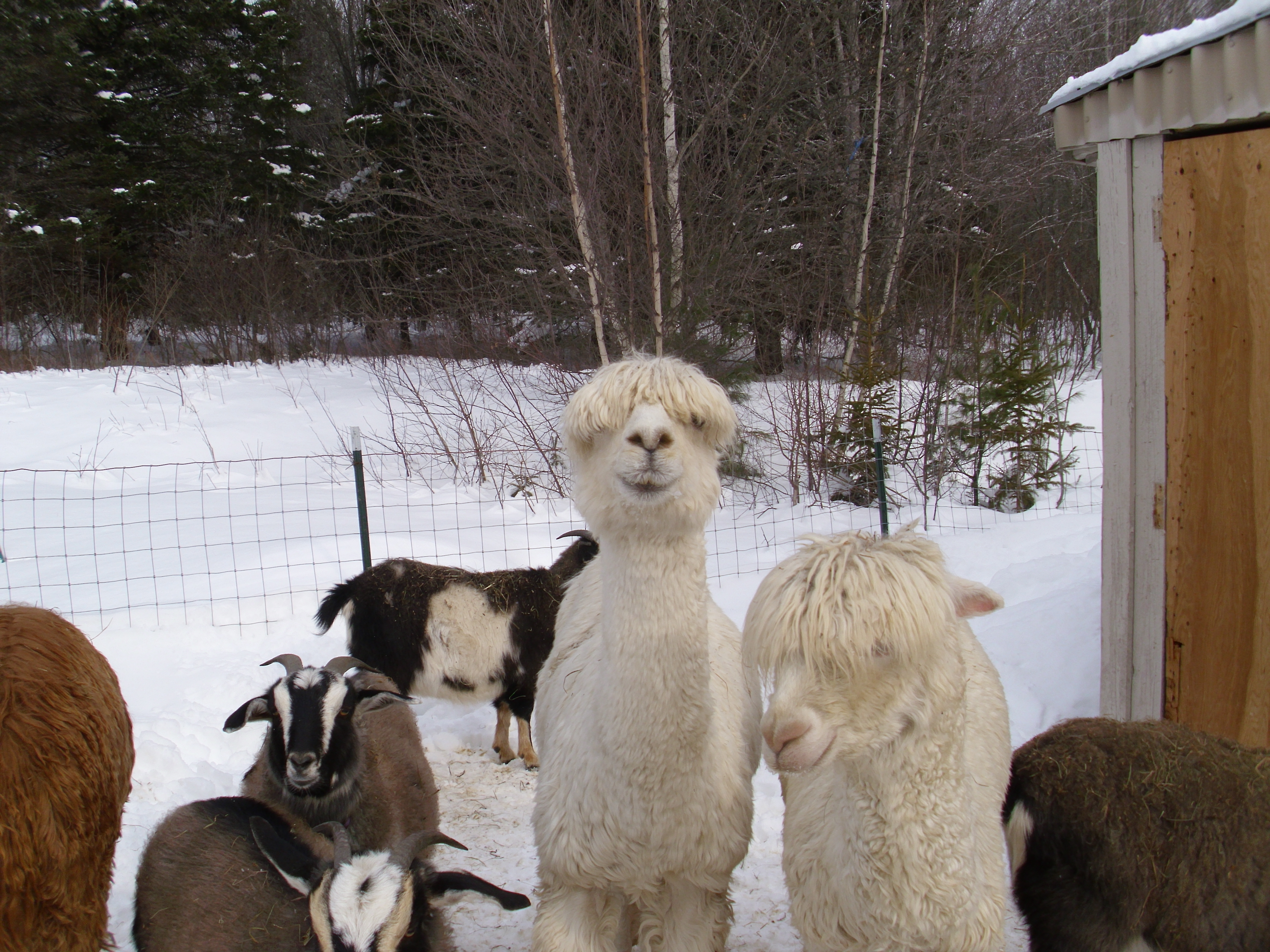
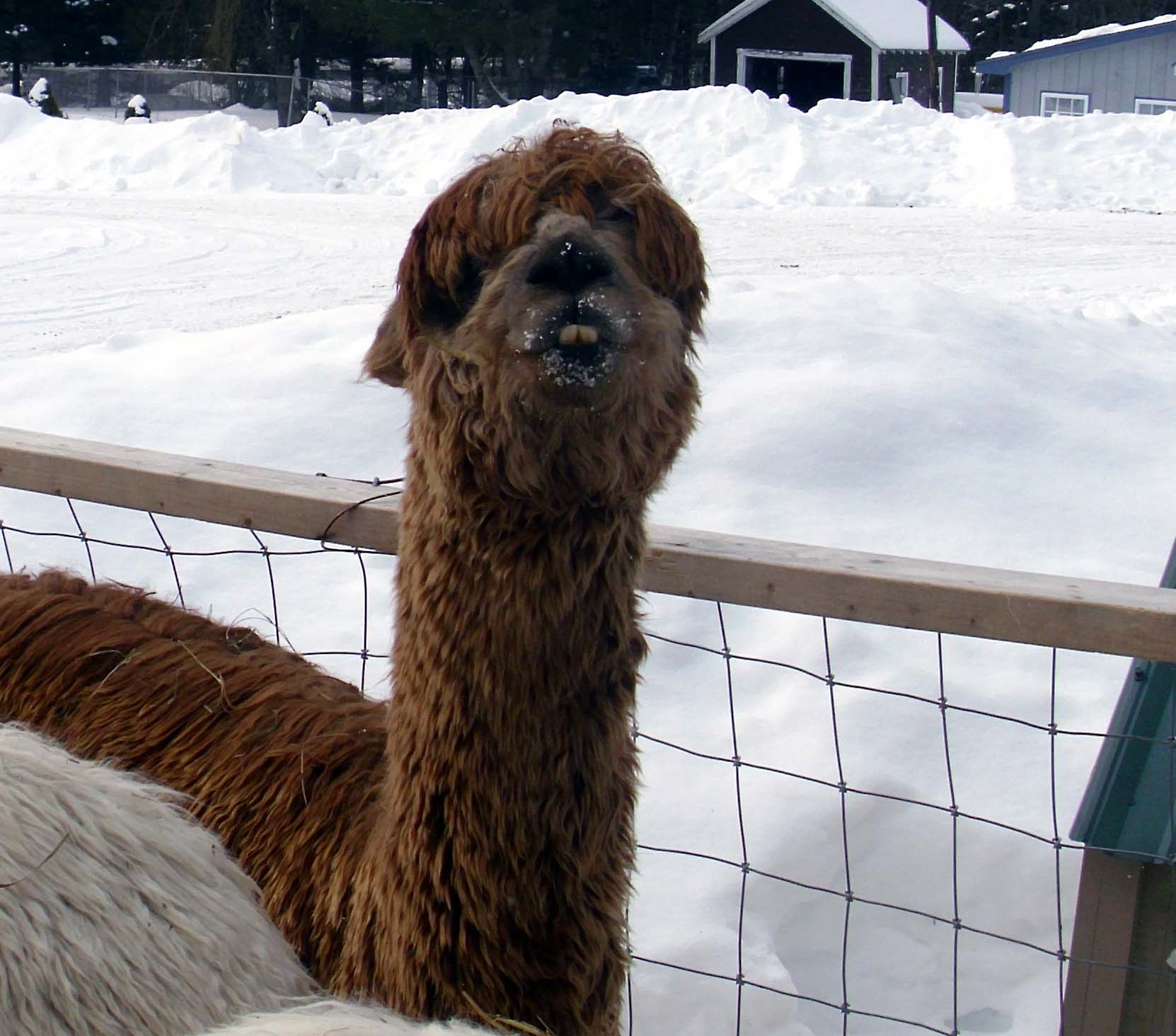
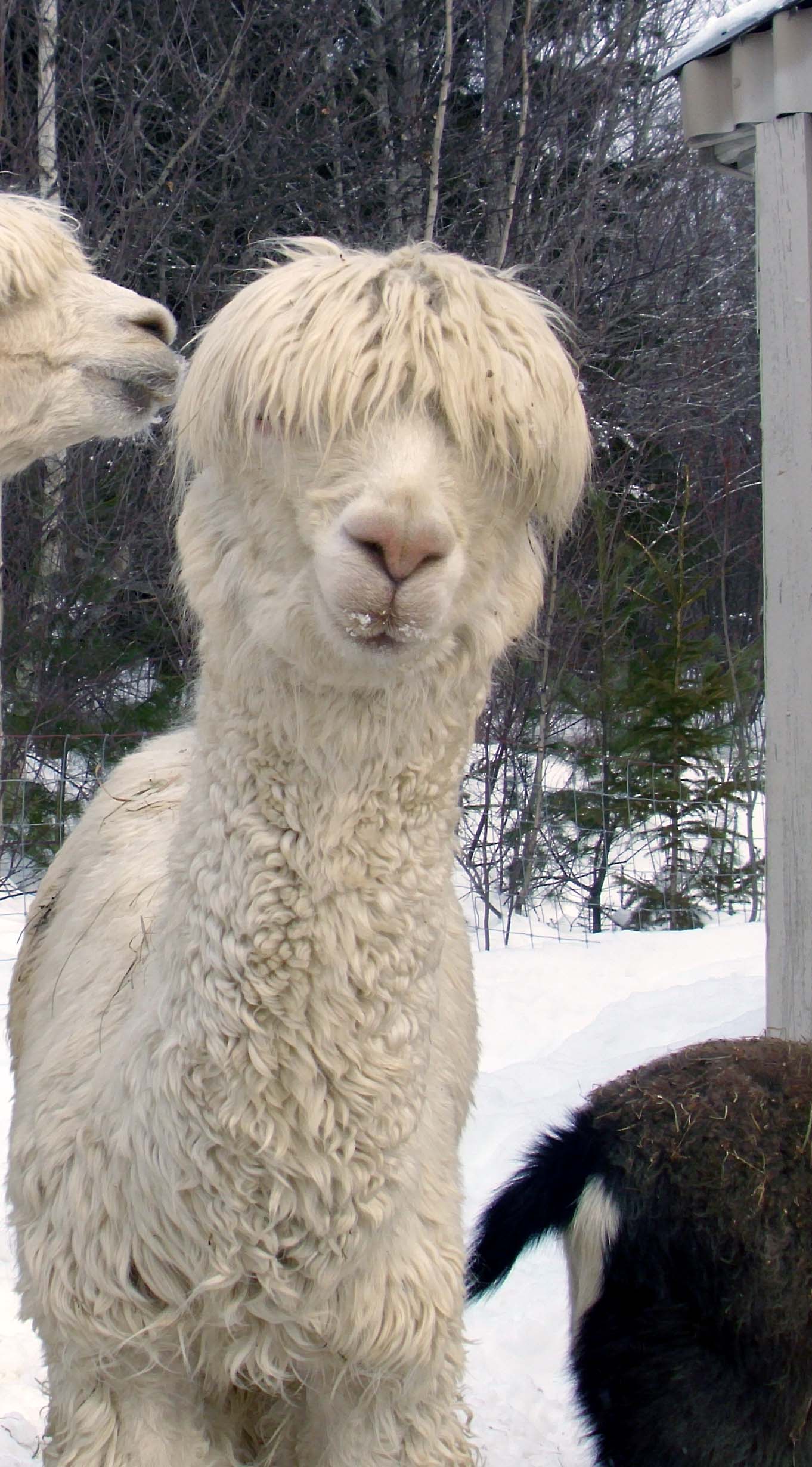
I wanted to introduce my readers to my alpacas. We have 3 alpacas on the farm at this time.  They are all suri alpacas.

Gavin behind Francois

Gavin is a 5 yr old gelded alpaca. He is the head alpaca on the farm. Gavin feels the need to protect the goats, but doesn’t interfere when they have aggravated Romeo. His feistiness has earned him a reputation around here. At one time I had the vet come out to help me with trimming his feet.  He would not cooperate so we had to sedate him.  This was the road to madness. This 150 pd alpaca would not lay down. We gave him the first shot and waited …..nothing. We gave him another one and waited……nothing. The vet went and checked the date on her meds. She told me previous she didn’t like sedating alpacas because they took so long to wake up. We gave him another shot….nothing. We tried one last shot….and finally with Gavin kicking and fighting the whole way.  With one plump friend laying spread-eagle on him and me holding head and the vet trimming tonails as fast as she could we got it done(he was still trying to throw us off).  Gavin had enough meds in him to put a 1000 pd horse out. We put him back into the barnyard with the others and he acted like nothing ever happened, just went and grabbed a bite to eat. I guess he’s the exception to the sedation rule.  I’ve decided he’s not a cheap date.
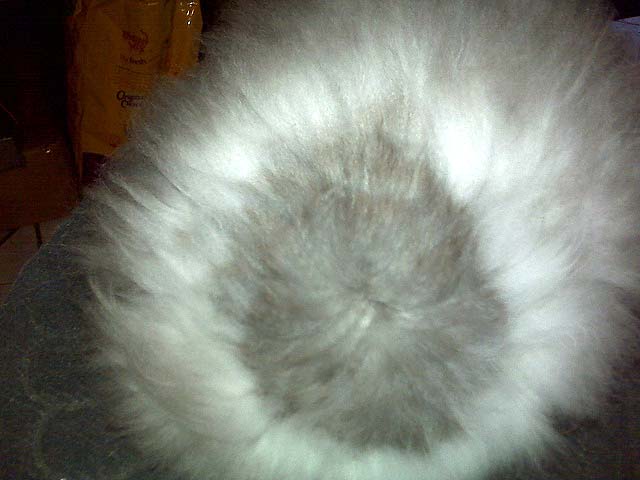
Romeo- not sure if he likes what I’m doing

Romeo is a beautiful rusty, Lt. brown colored alpaca. He is 5 yrs old. Romeo is the protector of the our baby and will grudgingly share food with him. He’s not as food motivated as the other 2 alpacas. He loves his grain though. He is a bit of a sneak and will slip out  of the barnyard and pasture if he gets the chance. Sometimes I think he’s in cahoots with the goats. I’ve notice the goats will make him angry if they pick on the baby too much. He will start chasing them around. I think he keeps the peace many times between Gavin and Francois.

Francois the baby

Francois is the baby of the group just at almost 2yrs old.  He is very food motivated often a little piggy. He is the most petable of group and doesn’t shy away as quickly as the other 2. He is a bit of a crybaby and lets the goats scare him(they will pretend to charge him and he will run away and cry).  If the goats keep it up for too long Romeo will save him. We are still trying to teach him to lead on a halter. He still panics,  I think with some food motivation and good weather to work with him, he will do fine.

Tags: , , , , , , , , , , , , , ,

Deyaneria on February 2nd, 2011

I wanted to talk about what an alpaca is. I’ve noticed that some people don’t know anything about what kind of animal an alpaca is and <Gasp> never heard of using the fiber.

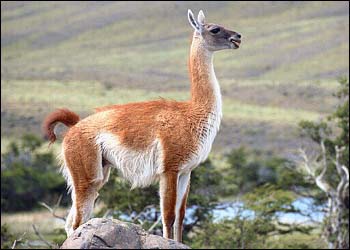
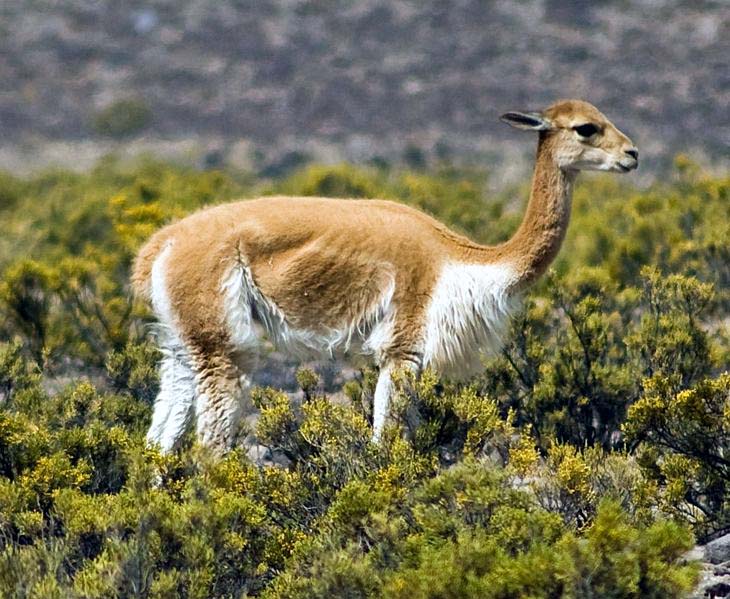
The alpaca is part of the camelid family. Some of it’s relatives are camels, llamas, vicunas, and guanacos. Vicunas are the wild ancestors of alpacas and guanacos are the ancestors of llamas. Vicunas are Peru’s national heritage species so hunting is strickly forbidden , however in 1987  natives (who were granted ownership of the nation’s vicunas) were allowed to capture, shear, and release these wild animals. They use a ceremony called Los Chacos. Hundreds of people form a human chain to herd the vicunas into temporary corrals where they are shorn. This takes place every 2 yrs.  I like the thought of a human herding chain versus using dogs and 3 wheelers.

Guanco

Vicuna

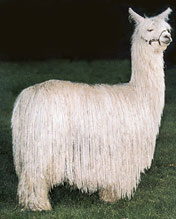
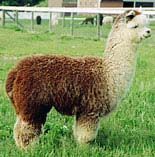
    There are 2 types of alpaca the huacaya and the suri.  I’ve rescued both types but only have suris on the farm now. They are different in size by a bit the huacaya seems to be a bit larger and weigh a bit more. It also just may look that way because huacaya fiber is very different than suri fiber. Huacaya fiber reminds me of wools puffiness as it seems to just puff out from the body. Suri fiber is more like locks of hair that hang down and it has a bit of sheen to it.

Suri Alpaca


Huacaya Alpaca 

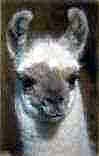
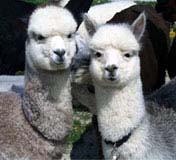
I’ve noticed people often mix up alpacas and llamas. Although they are close cousins there are some big differences between the two. The llama is much taller than the alpaca reaching 4 to 4.5 feet at the shoulder, alpacas are typically 3 ft.  LLamas weight from 250-500 pds, alpacas only weight from 120-225. Mine are around the 150pd range.  The fiber varies greatly with llamas I’ve used llama fleece and I’ve has some rough as jute and others softer than the finest merino. Alpaca fiber ranges in the 15-28 micron range. One quick way to tell if it’s an alpaca or a llama is to look at the ears. LLamas have long, banana-shaped ears if you look at them from the front. Alpacas have shorter spear-shaped ears.

Llama

Alpaca    Alpacas and llamas are modified ruminants they have 3 stomachs they do “chew a cud.” They also have a soft-foot with a tonail that makes they very easy on the land compared to hooved animals. I have to say they are very neat and tidy animals they have a community dung pile which makes cleaning up easier. I’ve noticed that some the goats herding with my alpacas are following in suit. I also get the question of the animals spitting. Alpacas and Llamas do spit. They have 3 ways of spitting. In my experience, I’ve only been spit at once or twice and it was mainly a puff of air. They seem to save the worst spitting for each other when they are having a dispute.

Tags: , , , , , , , , , , , ,

Deyaneria on January 31st, 2011

I thought it would be nice to do a series on they types of fiber animals that I have here on the farm. Today I’m going to talk about alpaca care.


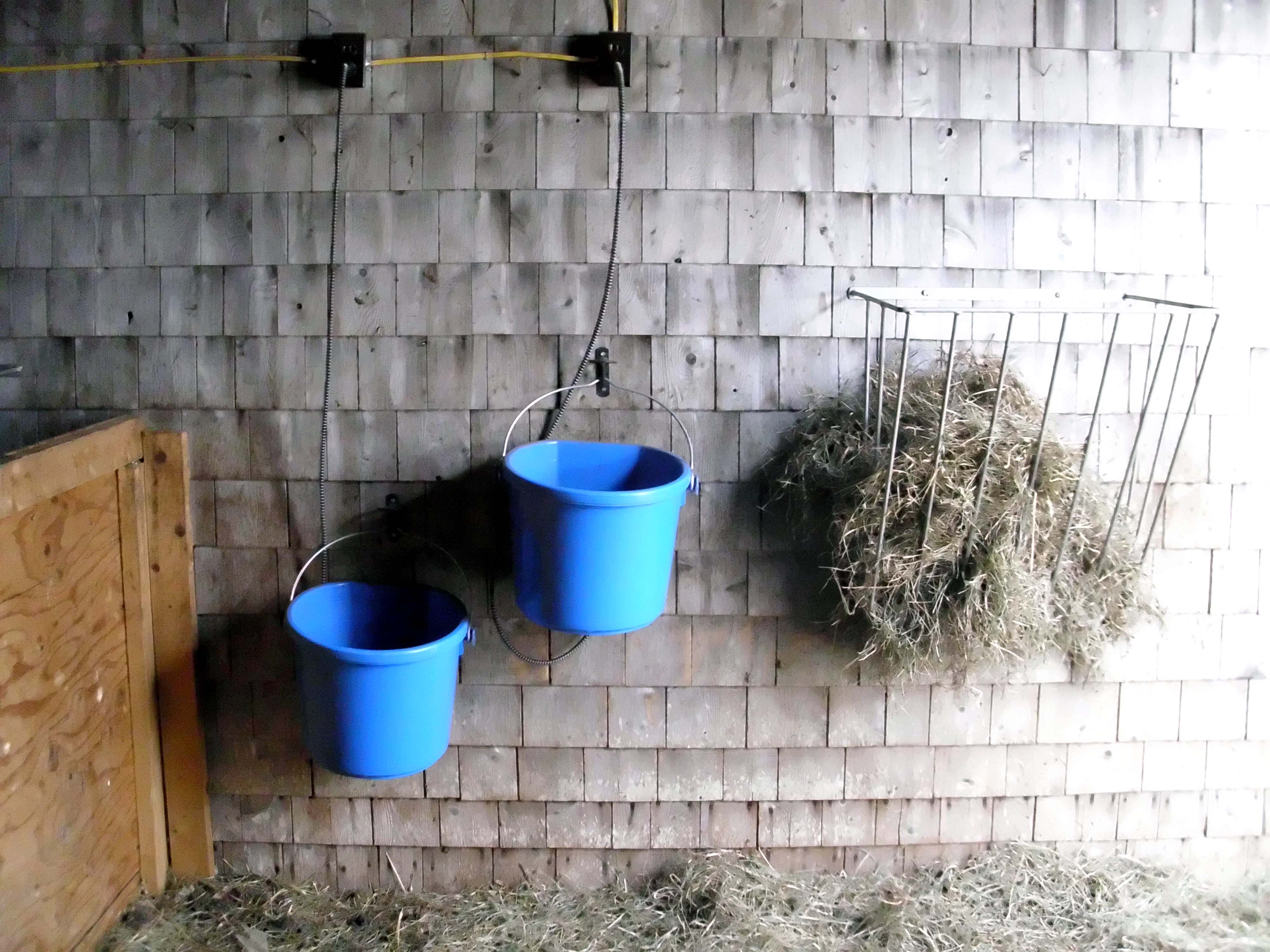
 Day to day care consists of 2 feedings and waterings a day.  They get a cup of grain in the morning(1.5cups in the winter) and all the hay they can eat. For a human sized animal (about 15opds) they eat very little grain.  I’ve found that when I give them more they become a bit too fat. Some farms don’t even give alpacas grain but I want really nice coats so I use it. I haven’t tested my barn well yet so we trek water from the house to the barn. The heated water buckets in the winter really help.  I have wonderful supplier of timothy hay. In the summer they are able to graze in the pasture as well.

   Housing an alpaca doesn’t have to be elaborate. I’m lucky enough to have a barn but I’ve seen many people just use 3 wall shelters for them. I bed down the stalls with hay and muck them out twice a week.  I also use  a  mixture of half lime and half Sweet PDZ to keep the barns smelling fresh when I muck them out. I noticed it seemed to keep the flies down during the summer as well.

One thing I have to be careful of in my area of the country is deer. I live in the woods and deer run right around my house and yard. Deer carry menegial worm while not deadly to the deer it is usually to an alpaca. One of my first rescues was an alpaca that had been hit by this parasite. The damage that it causes cannot be fixed  as it affects the spinal nerves.  For a long time we all could not leave the farm at once because if he fell or layed down he could not get up. The prevention for this is a shot of ivermectin every month. I make sure my alpacas get their shots. I hate doing it and it makes me nervous but it’s definitely worth it.  Depending on your area there may be other parasites that can attack alpacas. It’s always good to check with your local vet if your unsure.

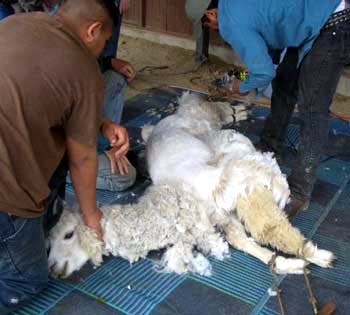
Other alpaca care of course is the shearing the fiber( oooohhh the fiber). Usually  the alpacas are restrained and sheared with sheep clippers. I heard of people using shears(i wouldn’t want to do that because they don’t like to be restrained). I think that would take a long time. During shearing or more often depending on the alpaca, the toenails get clipped. Alpacas have a soft foot with a toenail instead of a hoof. Sometimes an overbite or underbite can cause a problem so I have the teeth ground down. I have the vet do this although many alpaca farmers will do it themselves.

Tags: , , , , , , , ,

Deyaneria on January 28th, 2011

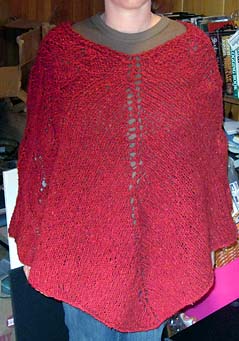
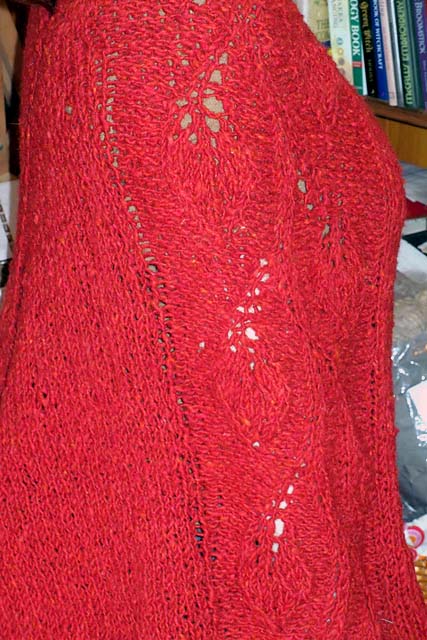
As the christmas knitting season is over I’ve been knitting more for me. Yes, I’m doing some selfish knitting.  Right after I finished my christmas knitting I made a poncho I’ve been wanting for awhile. Something to wear as I sit at the computer as I have a tendency to get a bit chilled. The pattern is the Falling Leaves Poncho by Elizabeth Dallinger it’s a free pattern on Ravelry. I had exactly 500 yards of Tahki Yarns Donegal Bulky Tweed. So I grabbed my needles and got to work. I found the pattern to be a bit different as it had some abbreivations I had not used before and the format it was written in wasn’t what I was used too.  I did make some mistakes on this project. By the time I finished , I was able to figure it out and see it coming together.  I am going to make another one of these.

poncho front

poncho side

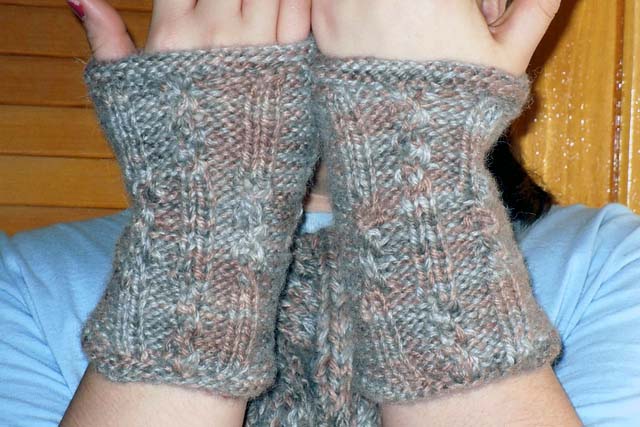
I have also finished a the test knit for my friend the Michelle Miller aka FickleKnitter on Ravelry.  She is an amazing person with a wonderfully creative mind. Here is her  Green Gauntlet and Scarf Set  . The pattern is available for purchase on Ravelry.

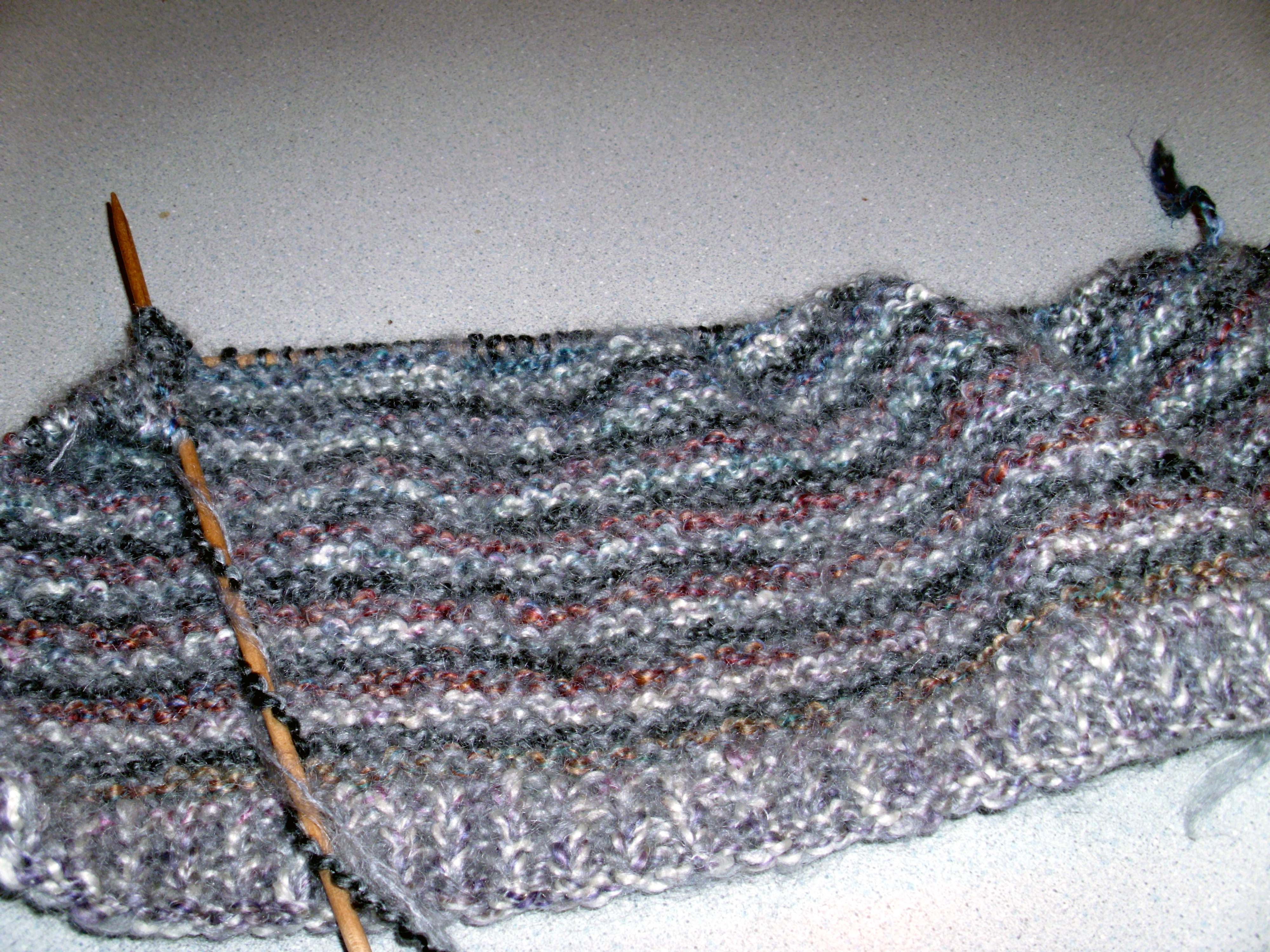
I’ve started work on a sweater. The pattern is from Deborah Bergman’s book The Knitting Goddess. It calls for changing yarns every 2 or 3 rows. I am using some lionbrand homespun in 3 different colorways and marrying them together with a strand on grey mohair.

back of sweater

This sweater is knitted in pieces so I will be learning how to seam an entire sweater. I’ve done small seams but never anything as large as this. Hopefully, all will go well.

I’ve done some spinning this week. I was afraid the colors would muddy but it came out beautiful as you can see.

Tags: , , , , , ,

Deyaneria on January 26th, 2011

Changes are happening here on the farm. It’s clipping time for the bunnies. Some of them really seem to like it. There are 2 ways to harvest fiber from fiber bunnies, clipping the fiber and plucking the fiber. It can depend on what breed of angora bunny you have I am most familar with french and english angoras. There are other breed the satin, german, and giant angora.  Some breeds do not molt so they can only be clipped. Here are some pictures that show plucking and clipping.

Cocoa before pluck

As you can see the new coat is growing in under the old coat which loosens it up just like a cat or dog sheds.

Here is the same  rabbit partially plucked.


Here is another rabbit in need of plucking or a haircut. You will notice that the main part of the color is at the tip of hair and it becomes white toward the root.

Here is after a clip sometimes referred to as the puppy cut. How cute!

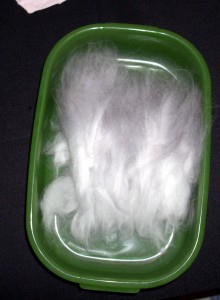
After all that plucking and clipping I end up with this:

After I collect the fiber I can either spin as it is(it’s pretty clean except for the occasional piece of hay) or blend it with other fibers to spin.


Tags: , , , , ,

Deyaneria on January 24th, 2011

OK I have a confession to make. I’m a bad blogger. I guess my readers should know that I am a military wife in addition to being mom, farmer, fiber fanatic, and business owner. When the hubs comes home I feel this need to make him the center of my attention and it takes me awhile to get out of that mode. As far as I know this will be the last time he leaves and the next time he comes home it will be for good (his contract with the army is over).

Now that the guilt trip is out of the way. I have plenty of new things to share. The blog is settling in to it’s new home. I’ve added some new items. You can now sign up for our newsletter. I’ve changed some buttons to make navigating to the store easier as well. I will be continuing the fiber series that I started in December. I’ve also decided to post a video blog. It will be available here or on YouTube within the next month.

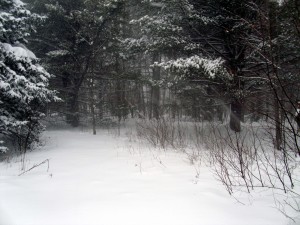
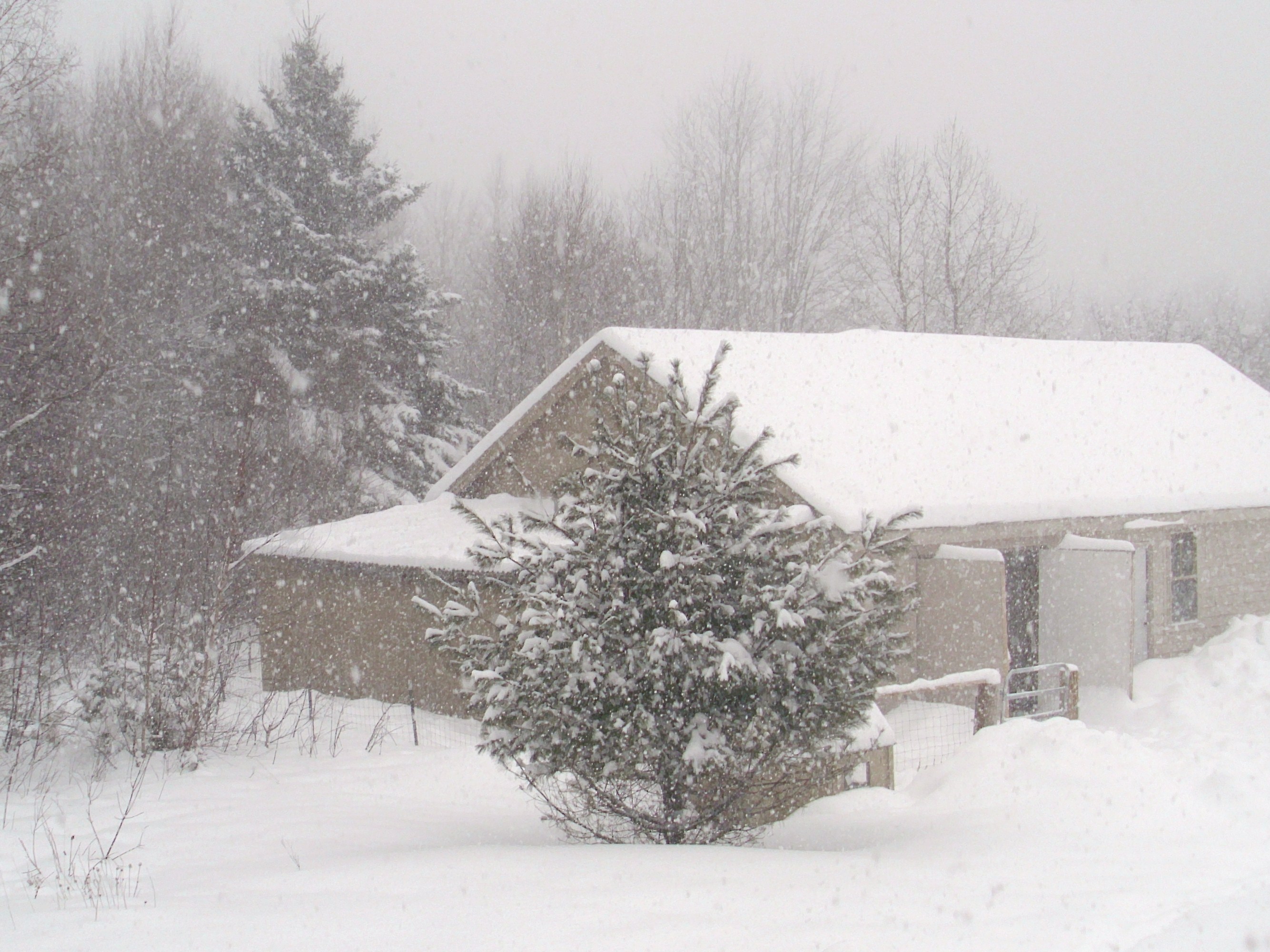
Here is what my backyard was looking like yesterday.

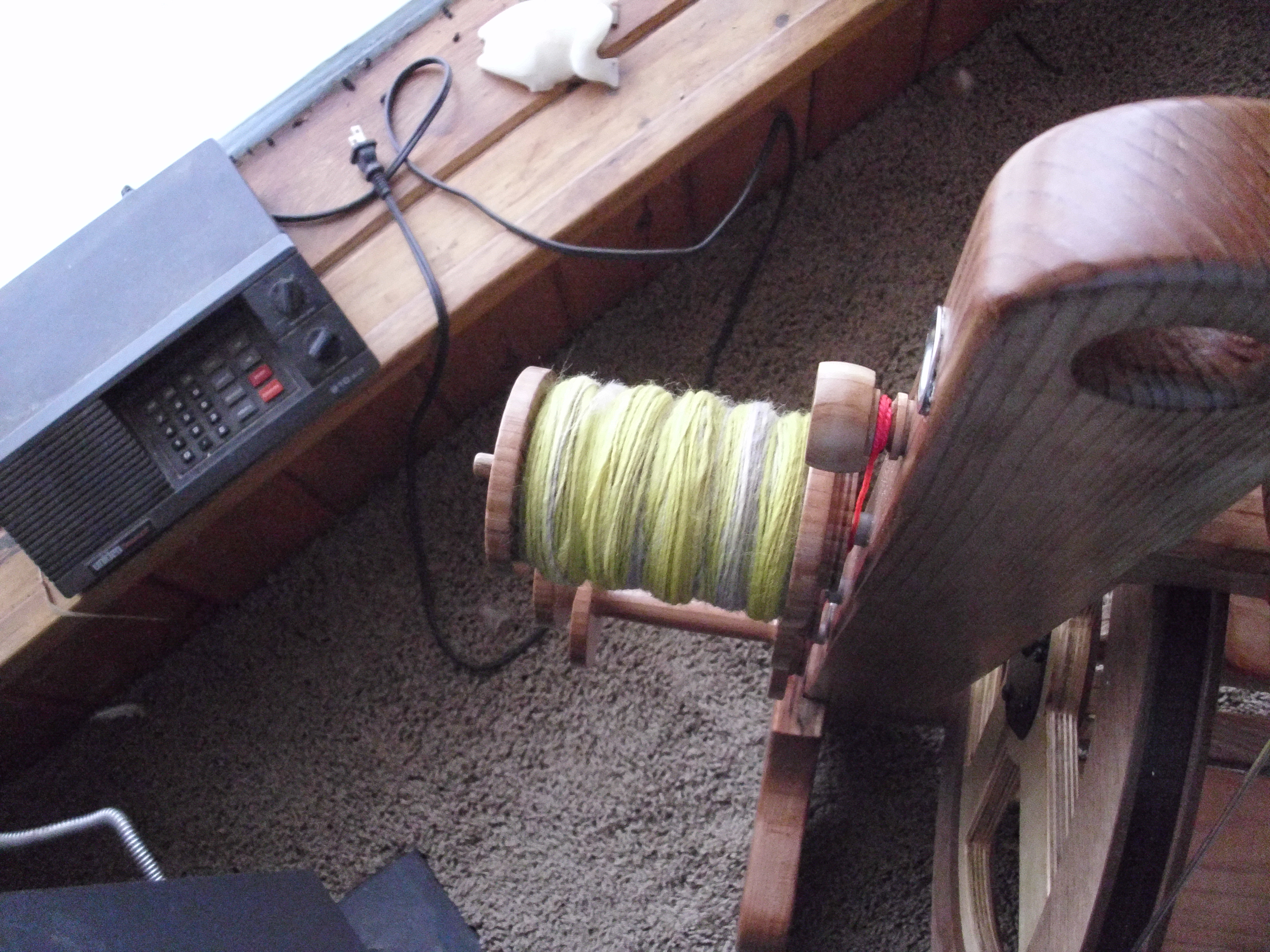
After making sure the animals were snug and comfortable. I sat down for some spinning as I watched the snow fall.

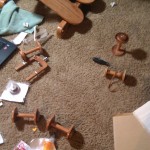
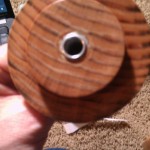
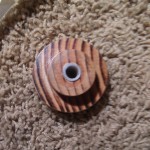
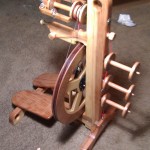
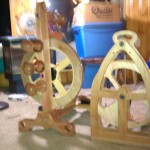
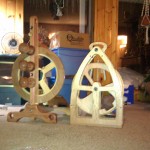
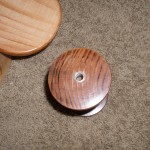
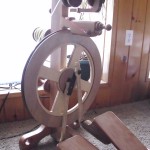
   One my christmas gifts this year from my wonder hubs was a beautiful handmade Sequoia spinning wheel. It’s made from redwood and just gorgeous. The wheels are made to order so depending on where you are on the list will determine how fast you receive your wheel.  I love this wheel the craftsmanship is beautiful and it spins so smoothly. Some of the features are: it stands on 4 legs that double as lead-holes for plying, it has an on board tensioned lazy kate,  comes with 4 ratios but the whorls are interchangeable which means you can ask for customized whorls, the maiden doubles as an orifice hook, and comes with 4 bobbins standard. The wheel comes partially disassembled with everything you need to assemble it in the box(they even included the screwdriver). It took me about 45 minutes to assemble. I actually ran into a what I thought was a problem and called the company they were right there I talked to both Ben and Joanie. They were able to talk me right thru the issue immediately. They both were incredibly sweet. Spinning on the Sequoia is definitely different than my Ashford Joy. The orifice sits much higher. I find that I sit much further away from the wheel. That felt a bit strange at first but I found I was spinning the exact same way that I do on my Joy or a drop spindle and I got very comfortable. Here are some of my pictures when I was assembling my Sequoia.

Deyaneria on December 20th, 2010

Well my christmas knitting is done. I was planning on taking a picture of the MIL socks finished but I sent them out before I took the picture. Anyway I’ve been busy picking, dyeing,  combing and carding. Here’s a couple sneak pics of what I’m going to be talking about on the blog in the next few weeks.

5 pitch english combs

Fancy Kitten Drumcarder (pic ganked from their site)

hackle for blending


I also got a really nice ball of sock yarn with stitch markers and ‘lil extra from Sfredette on ravely in the “spin or dye swapping group.”

swappage

Here’s a few things that are heading into the etsy store.

Christmassy fibery goodness

wool and alpaca blend

I’ve also started a test knit for my friend the Fickle Knitter. If you are interested in checking out her blog you can check it out here: http://www.fickleknitter.com/