I’ve posted about fiber goat care. So you have fiber how do you process it and what do you do with it?
Cashmere goats produce a double fleece that consists of a fine, soft undercoat and much coarser outer coating of hair called guard hair. For the fine under-down to be processed further, it must be de-haired. De-hairing is a mechanical process that separates the coarse hairs from the fine hair. After de-hairing, the resulting “cashmere” is ready to be dyed and and spun into yarn. I do not dehair my own cashmere, sitting at table, with tweezers, taking the guard hair out is slightly less fun than stabbing yourself repetitively with size 2 dpns.
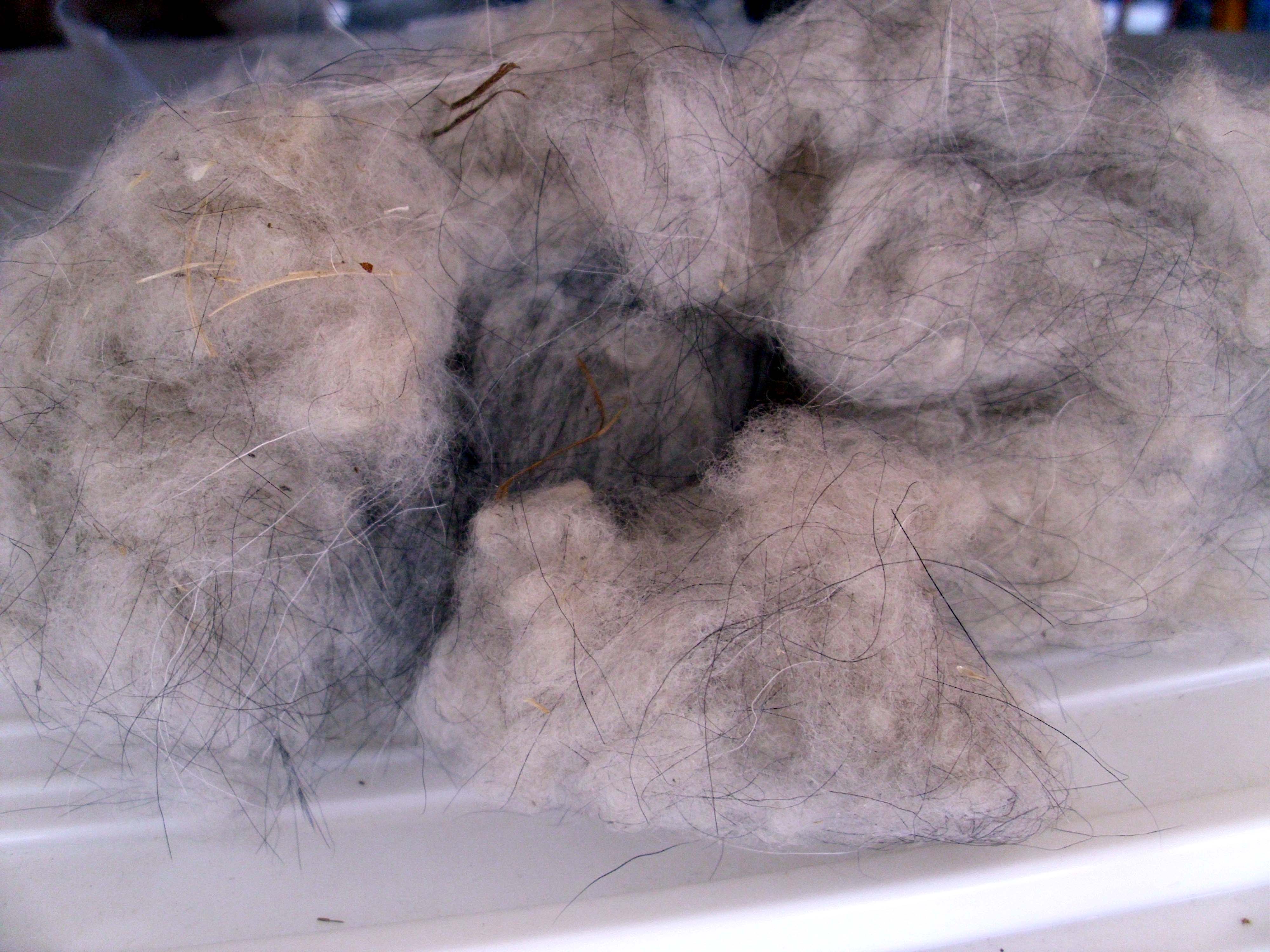
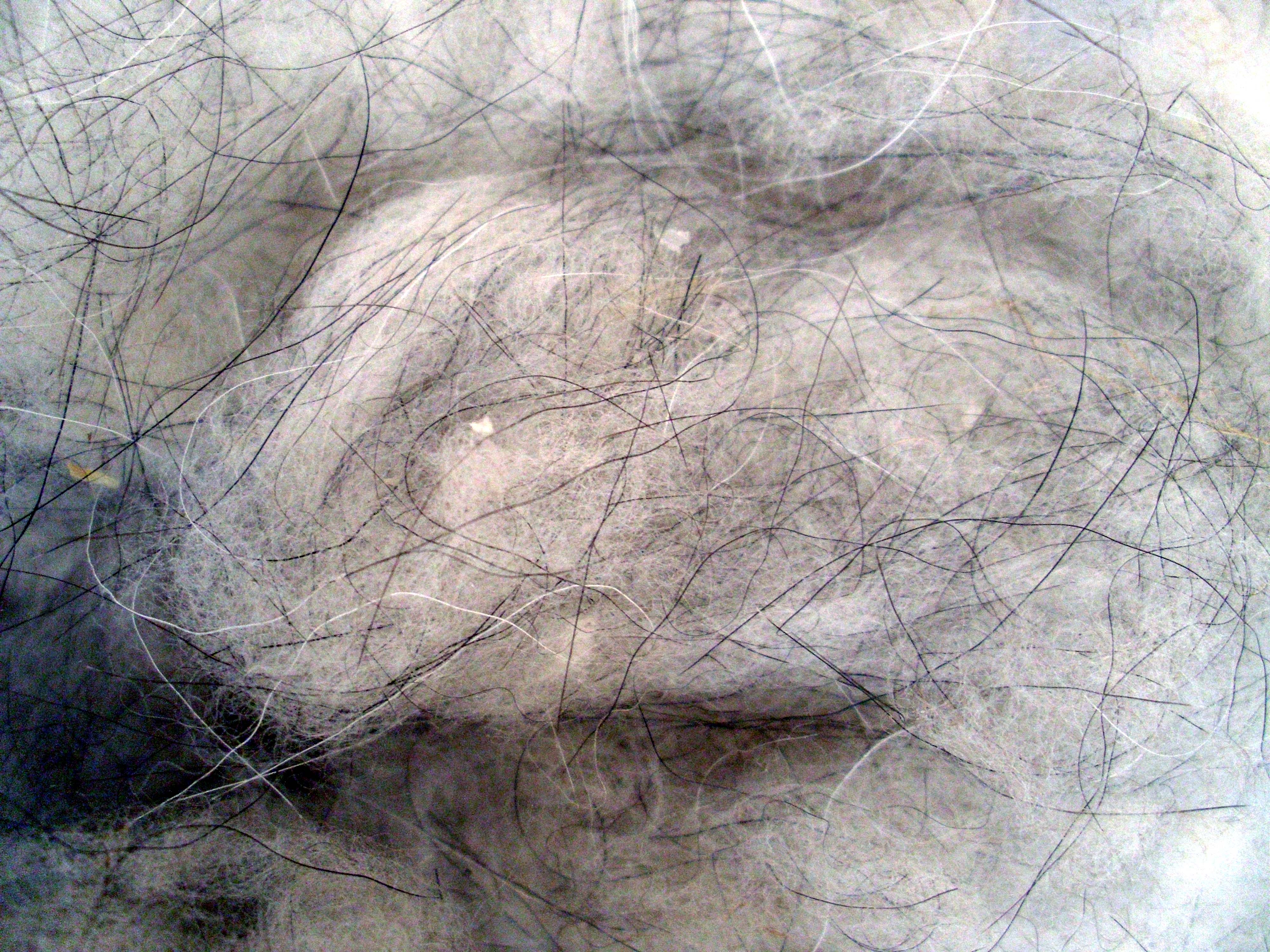
Raw Cashmere
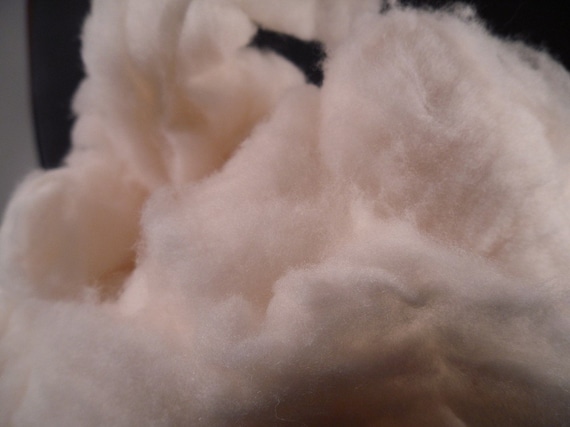
My Cashmere in cloud form.
Cashmere in roving form from Ol West Luxury Fibers Goat Company
On another note a goat only yields about 4 ounces of cashmere per year. This small yield combined with the time intensive process of dehairing it accounts for its high price. Cashmere can absorb water more quickly than wool and is very receptive to dyes. Cashmere comes in various shades of white, brown and beige. From my research it is 2.5 times warmer than sheep wool.
Just a quick Farm Update before I “Blog Off.”Check out my girl Aerona before and after a trim.
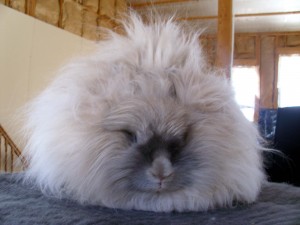
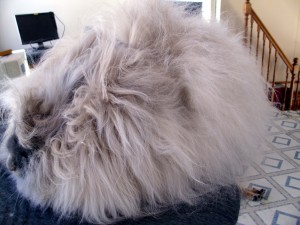
Before
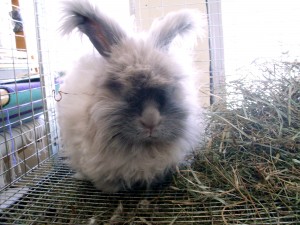
After
PS. Next week the next video of my series “From Llama to Shawl/Scarf” will be posted. Sign up for my weekly newsletter to get access.
PPS. I was debating using the title “Fiber Series” or “Oh The Fiber” tell me what you think. My right brain likes fiber series but Oh the fiber sounds more fun.


Tags: animal rescue, animals rescue maine, cashmere goat fiber, cashmere goat fur, cashmere scarf, cashmere yarn, fiber animal products, fiber animals, wool for sale, wool for spinning, wool for spinning for sale, wool processing

I like “Oh The Fiber” better.
Hazel
me too:)
Wow — what a fascinating deep dive into the early stages of working with cashmere fiber! I love how you’re breaking down the real, tactile experience of fiber processing right from the raw material through to the stages of cleaning and preparing it for yarn. It really helps bring alive a craft that often feels mysterious to crafters who only see finished yarn.
One piece of context that might add to this conversation is why cashmere is so prized and luxurious in the first place: genuine cashmere comes from the incredibly fine downy undercoat of cashmere goats, making it much softer, lighter, and warmer than most sheep wool. That rare undercoat must be carefully separated from the coarser outer hairs through de-hairing and sorting — a labor-intensive step that’s part of why cashmere commands such a premium.
I’d also add that the unique properties of cashmere fibers themselves — including their fine diameter and insulating capabilities — make them a joy to work with; they drape beautifully, feel incredibly soft next to the skin, and provide excellent warmth without weight. This combination of softness and performance is what makes cashmere such a coveted material for high-end garments and accessories.