Deyaneria on July 14th, 2011

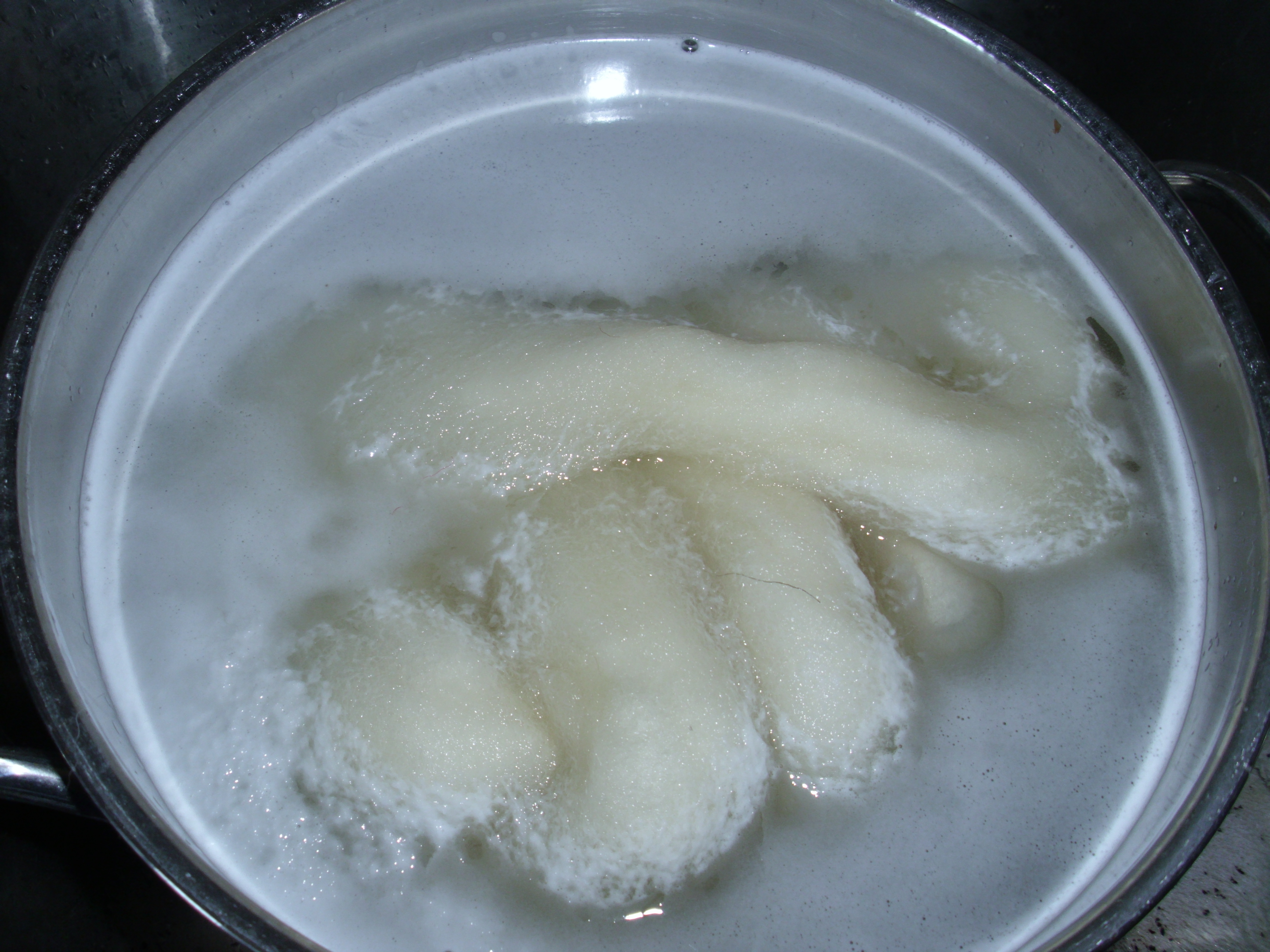
I finished off my mason jar dye with a dip in the water bath canner. It turned out great.


 After that success I decided to try something new. I did a little research and decided to try dyeing with some of the plants that grow on my property. So I went and collected some Black-eyed Susans. I already had some dried rose petals, lavender, mint and lemon juice on hand.

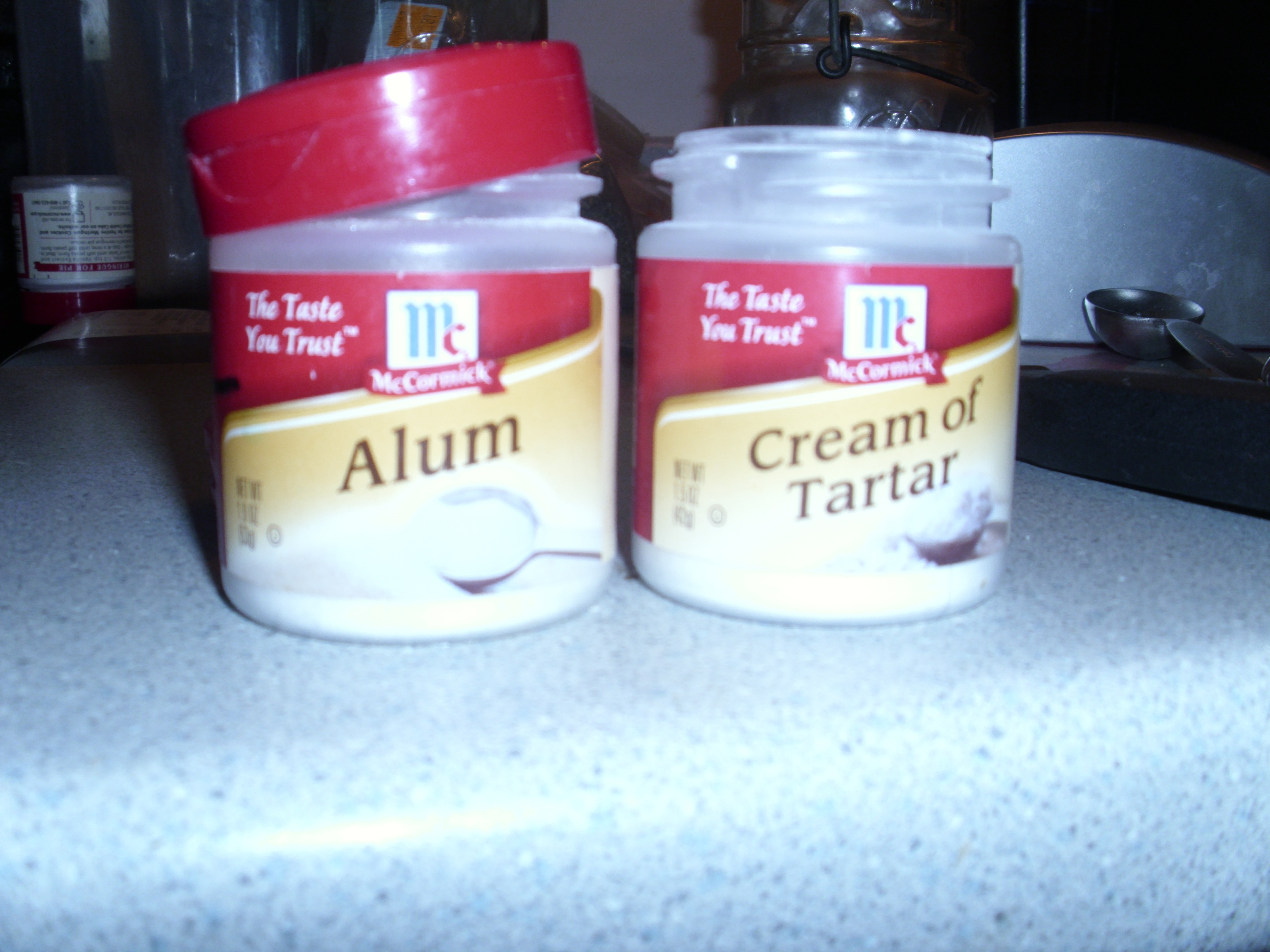
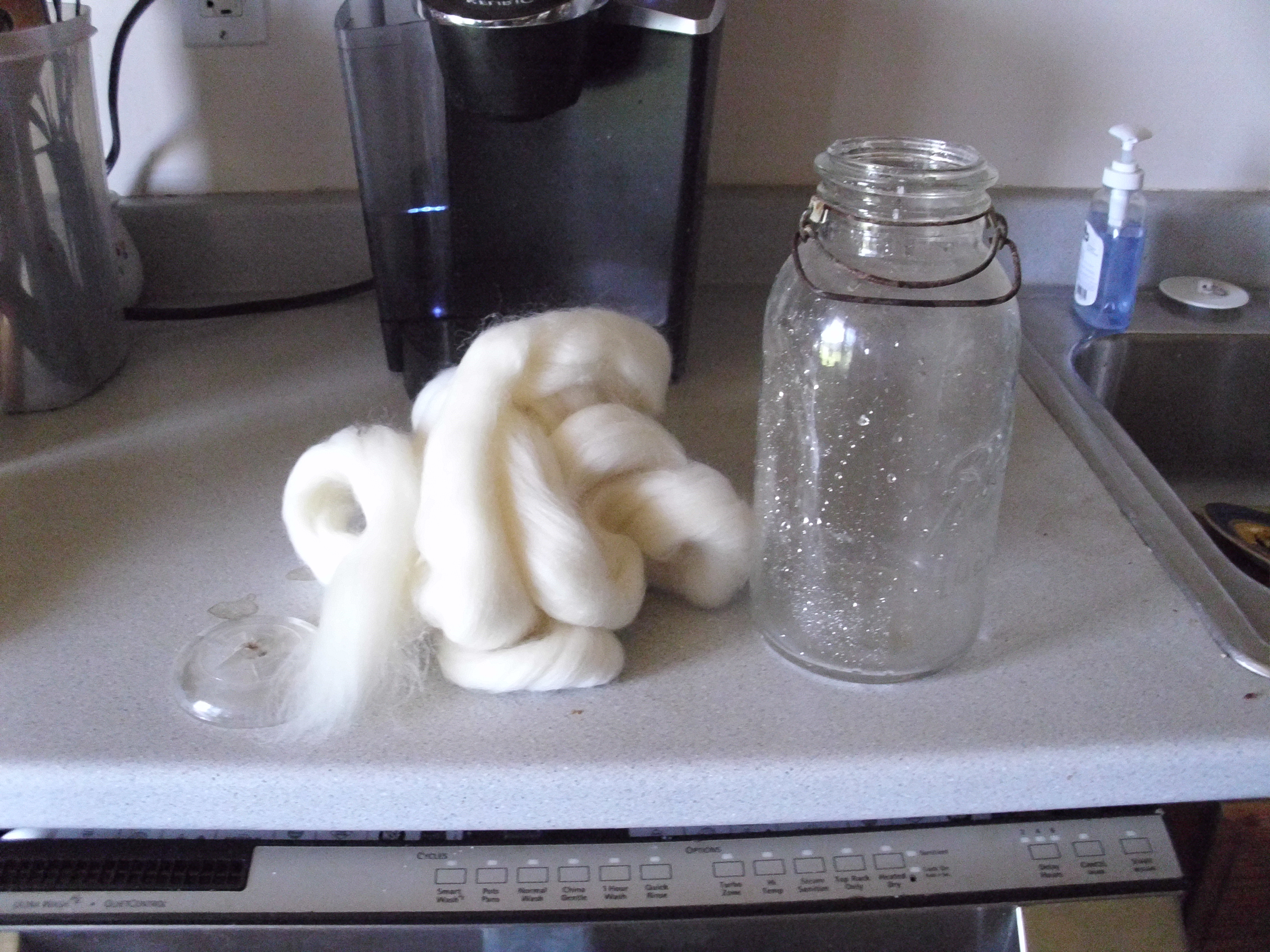
First I mordanted my superwash wool. I used a combination of alum and cream of tarter about 2 tsp of each for 1 oz of fiber.

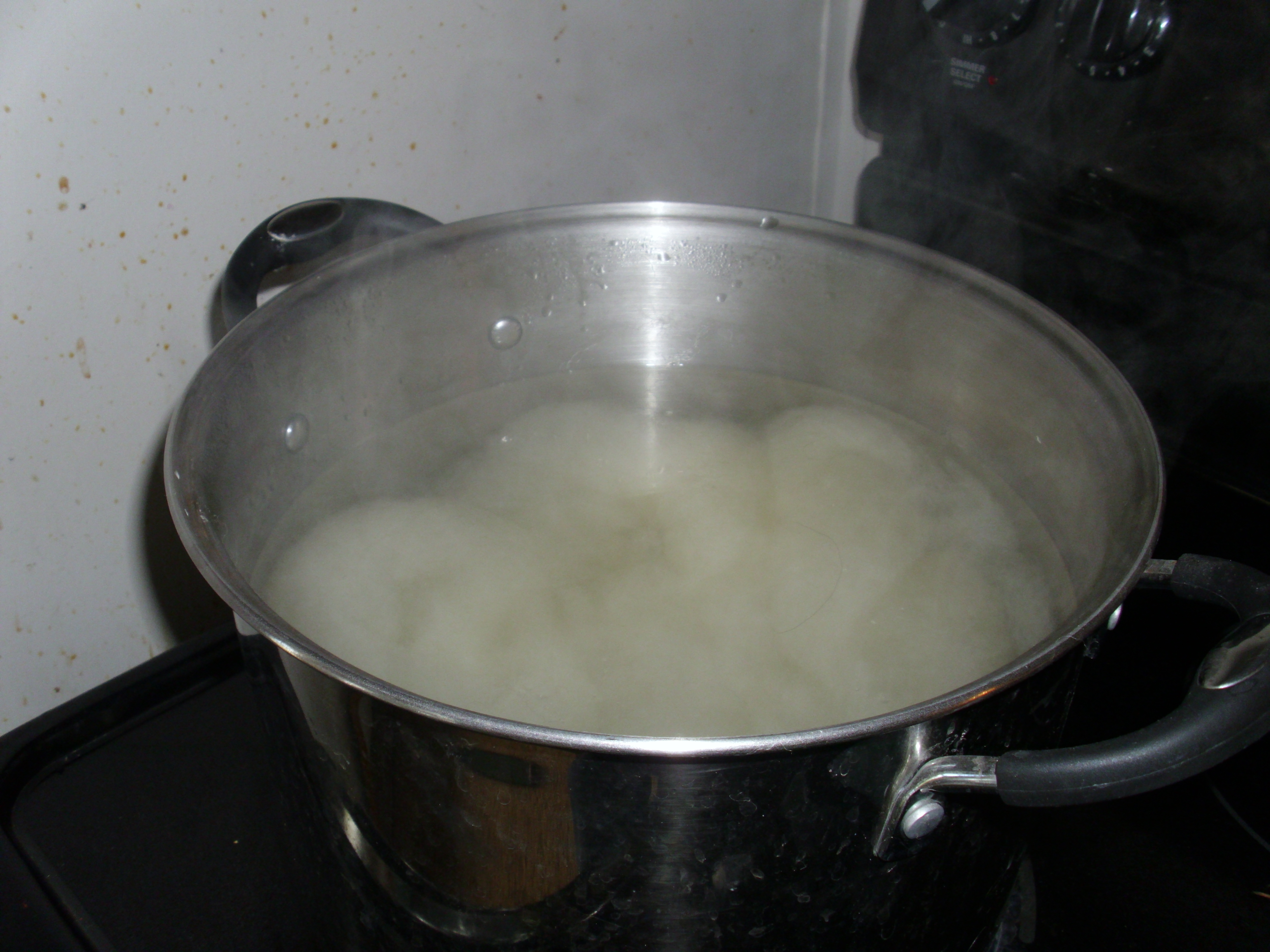
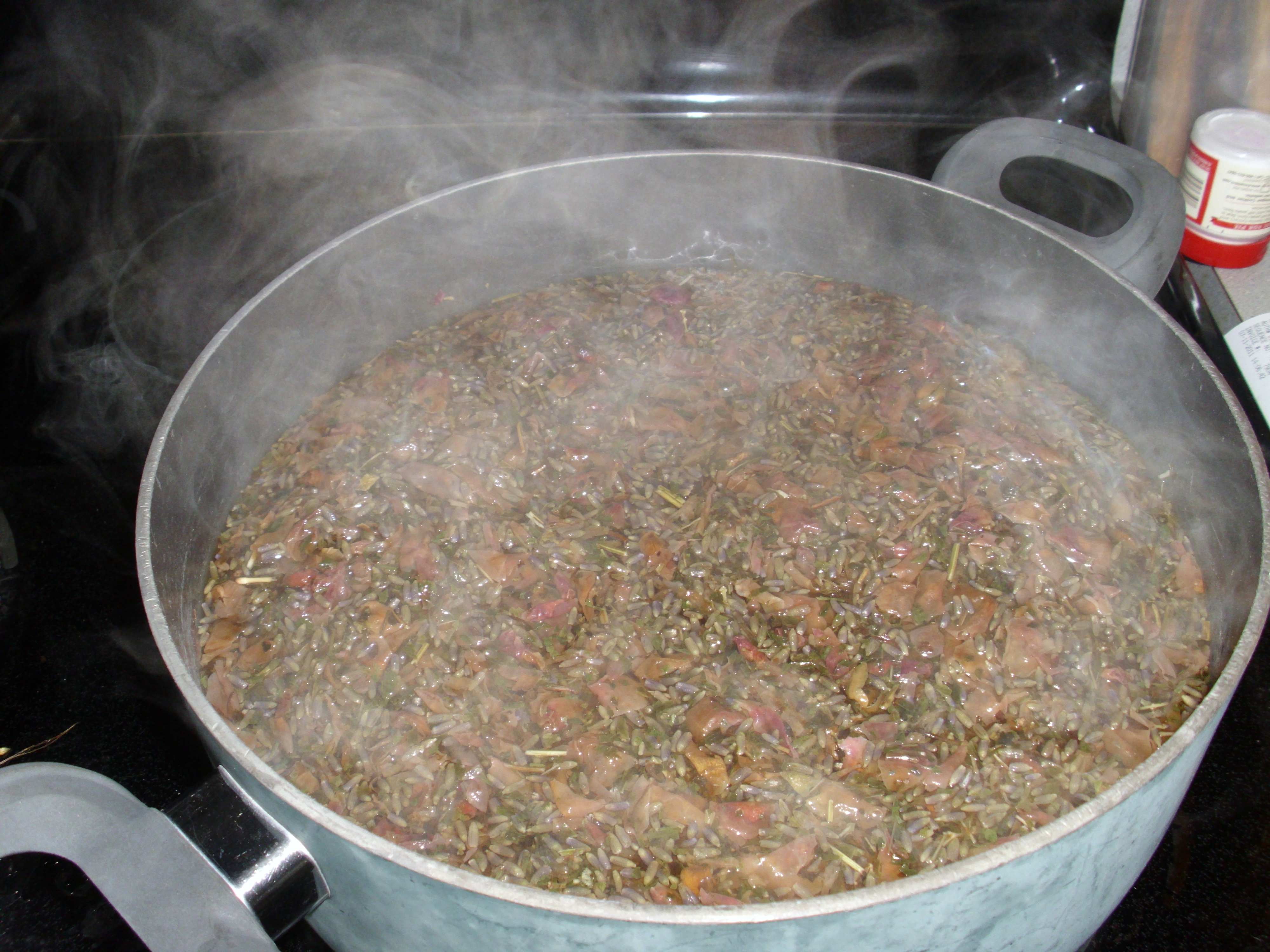
This I heated for about 90 minutes at 90 degrees celsius. While that was going I prepared my dye bath. I used about 2 quarts of water with 4 good handfuls of the flowers or herbs I was using. Then I heated them to simmering for about 30 minutes.

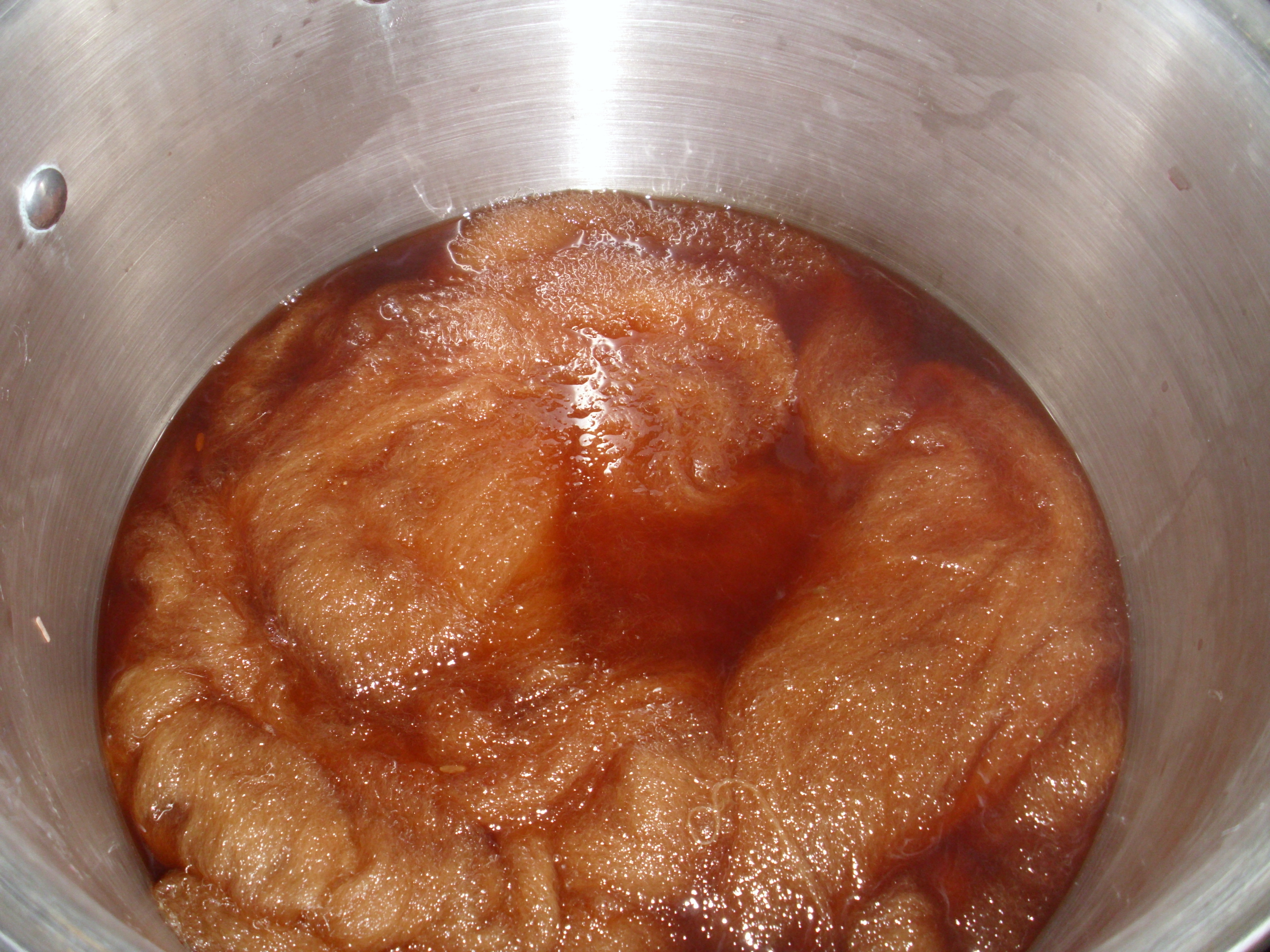
 Then I strained the herbs and flowers out and put the fiber in I set it on the stove for about 30 minutes on a low simmer.

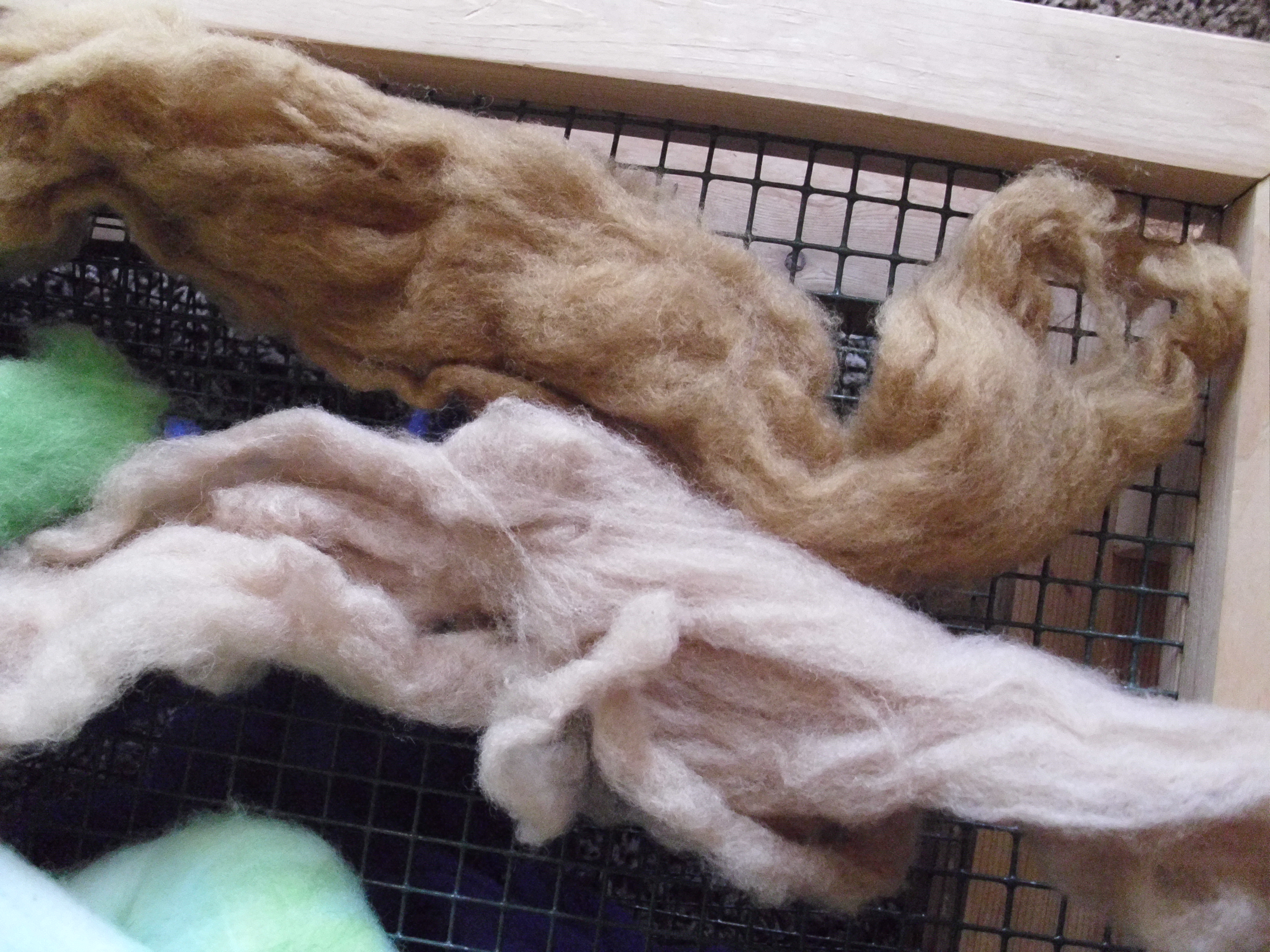
Here is how they came out.

The lighter one is Black-eyed Susans , the other is a rose-lavender-mint blend with a touch of lemon juice.


Deyaneria on July 11th, 2011

I decided to take a quick detour from the “Oh The Fiber ” series and try my hand at jar dyeing.


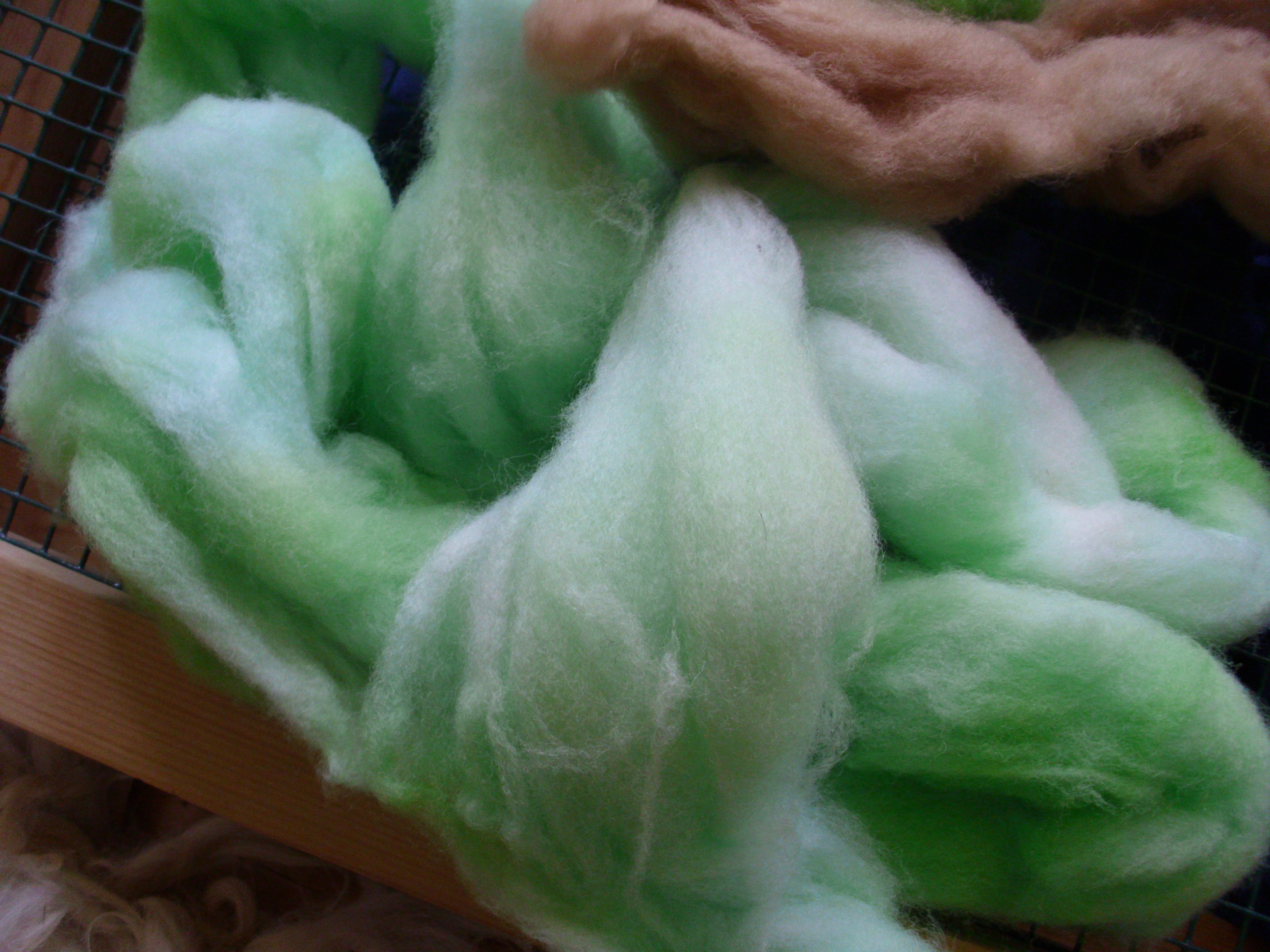
 I am using my Cushings Acid dyes and some superwash wool.

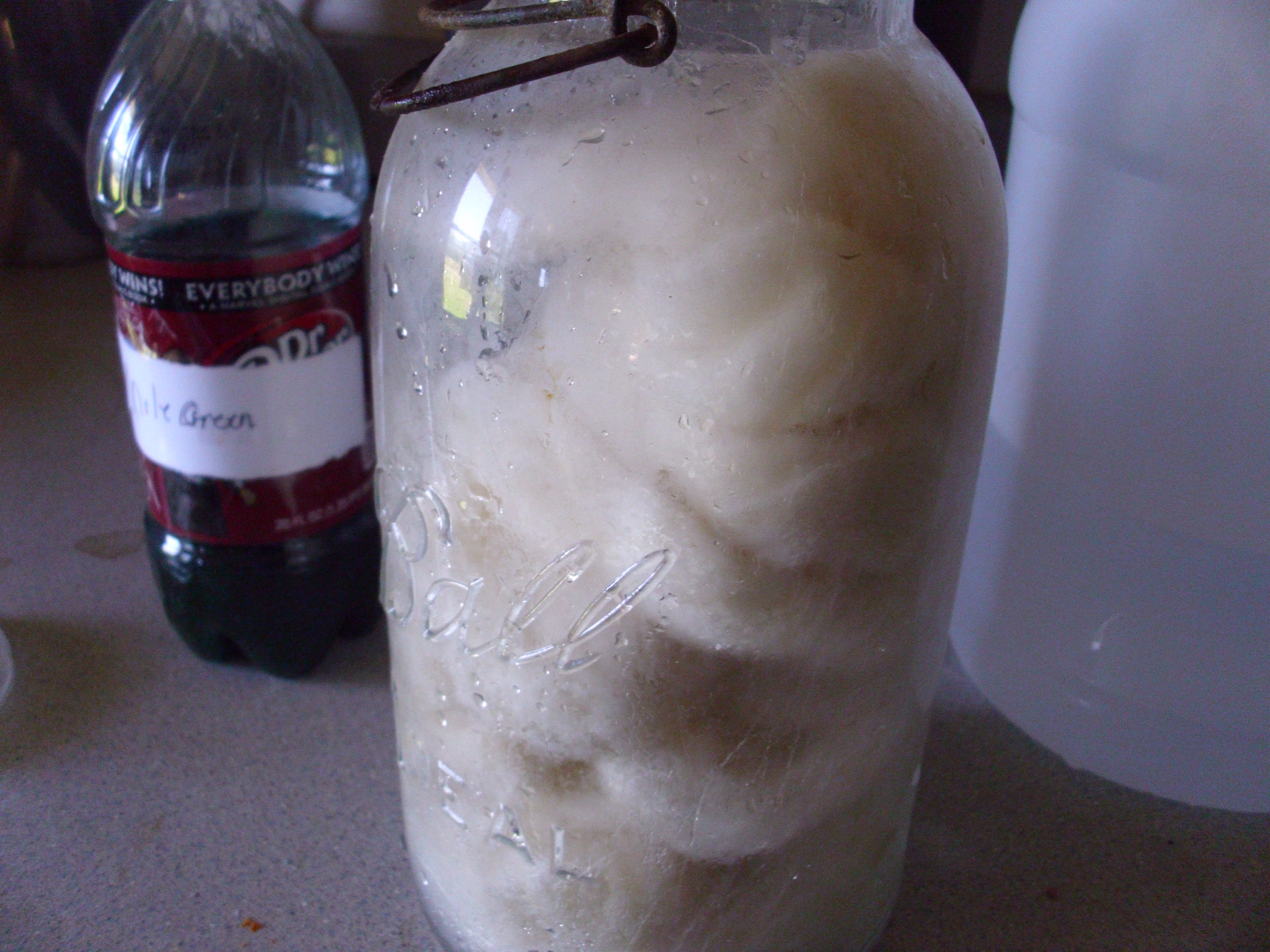
First I wet down the fiber in water with a bit of dish detergent in it. While it was soaking(about 30 min) I made up the dye bath.

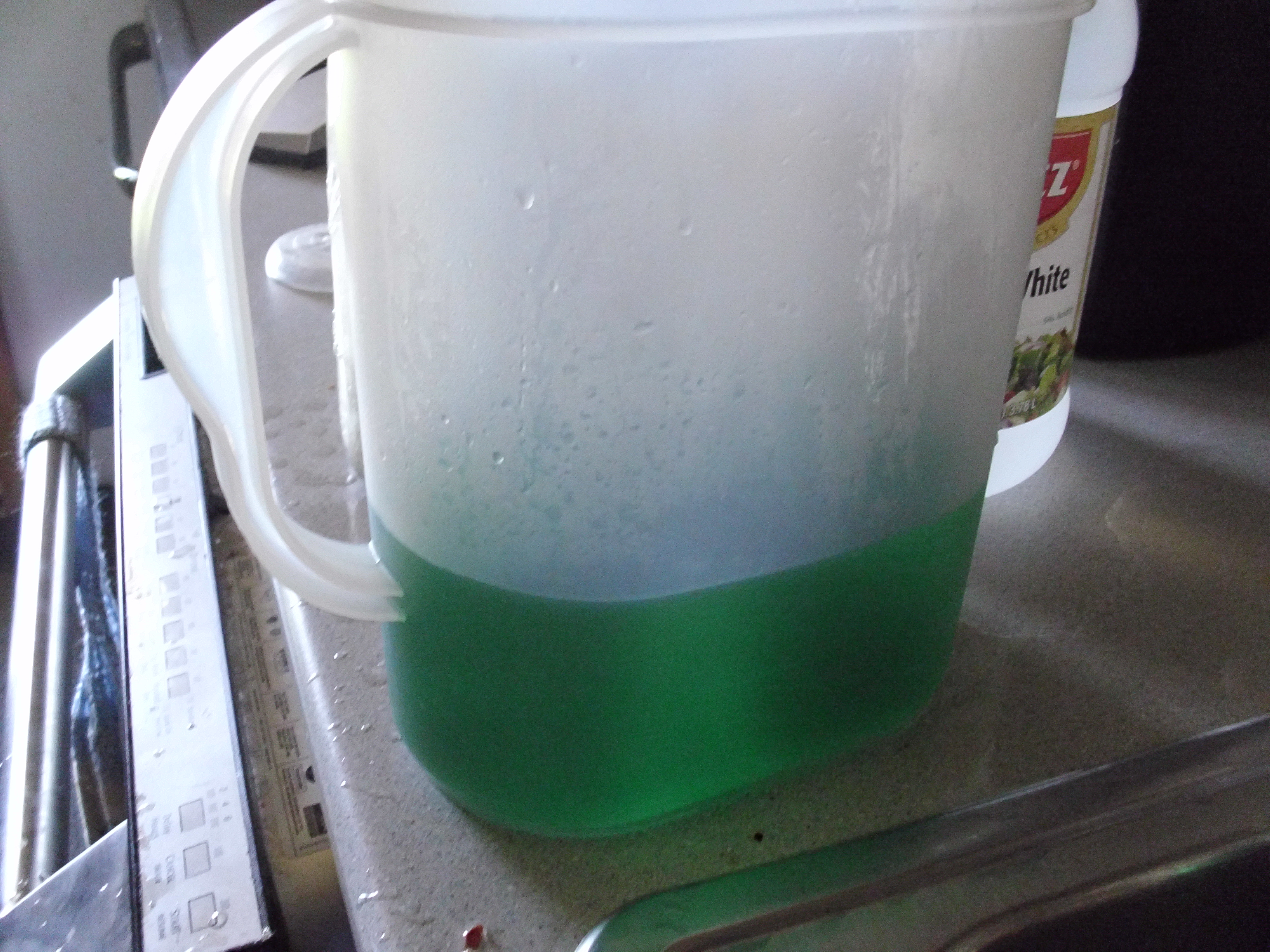
 I heated some water and vinegar to about a simmer and then added Cushings Acid Dyes in Nile Green.

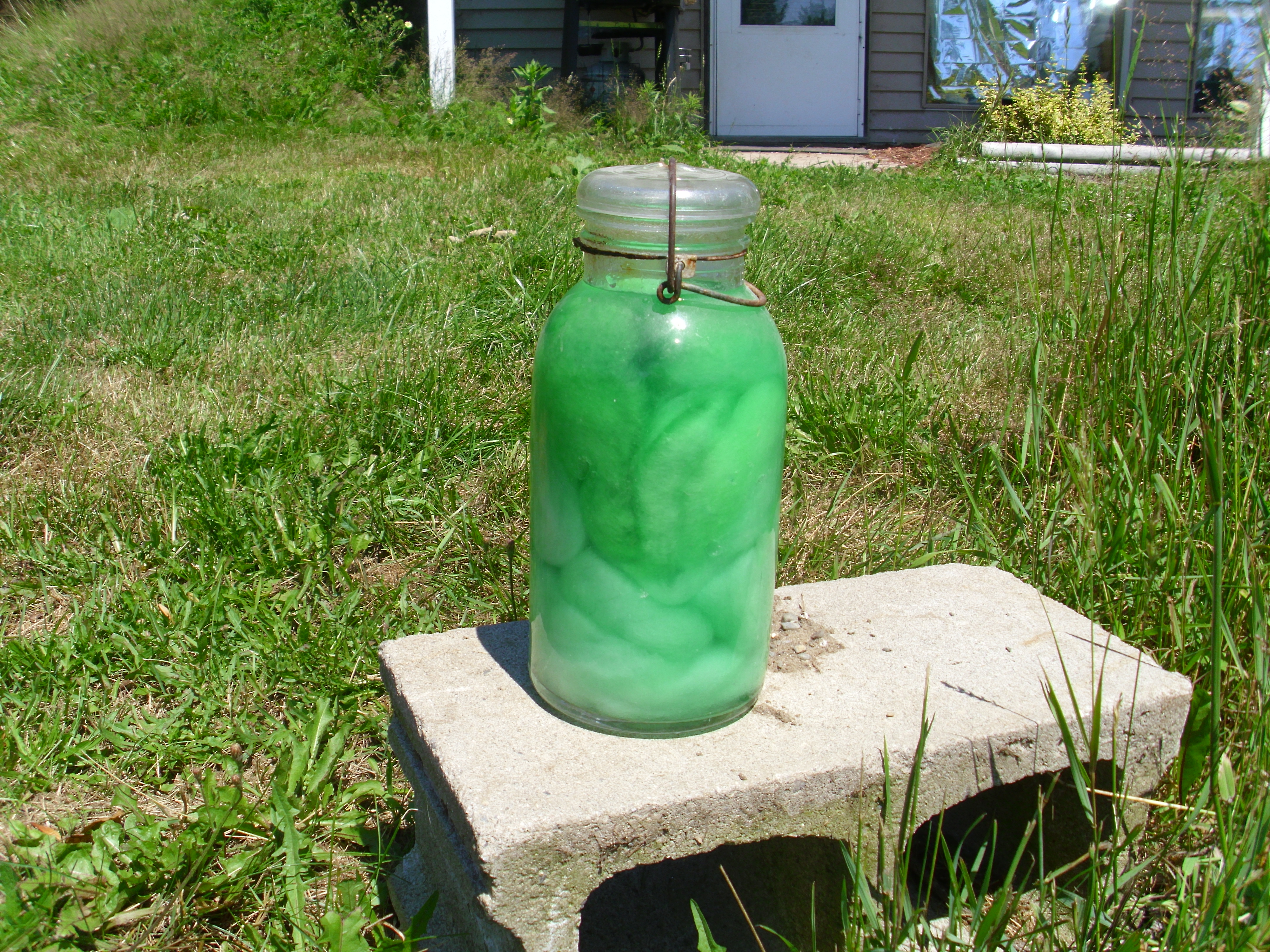
I put the wet wool into the jar and then added the dyebath.

 I set it out in the sun. I thought this might help it take like sun tea. However remembering that these are acid dyes and not natural dyes I might be better to process them in a water bath canner. I might try that today and see what happens.


Deyaneria on July 6th, 2011

Banana is the common name for herbaceous plants of the genus Musa and for the fruit they produce. Bananas come in a variety of sizes and colors when ripe, including yellow, purple, and red.

Almost all modern edible parthenocarpic bananas come from the two wild species Musa acuminata and Musa balbisiana. The scientific names of bananas are Musa acuminata, Musa balbisiana or hybrids Musa acuminata × balbisiana, depending on their genomic constitution. The old scientific names Musa sapientum and Musa paradisiaca are no longer used.

The banana plant has long been a source of fiber for high quality textiles. In Japan, banana cultivation for clothing and household use dates back to at least the 13th century.

In South Indian state of Tamil Nadu after harvesting for fruit the trunk (outer layer of the shoot) is made into fine thread used in making of flower garlands instead of thread. I find it interesting that banana fiber is being called a “new fiber”, when it has actually been used for textile purposes for hundreds of years.


Musa Basjoo -fiber banana

 Musa basjoo has been extensively cultivated for fiber or gardens outside its natural range, into Japan and parts of Northern Europe and Britain, the United States, and Canada.

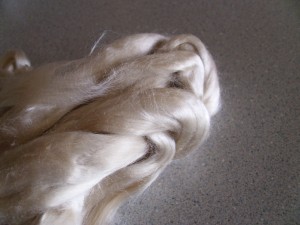
My Banana fiber.

Deyaneria on June 24th, 2011

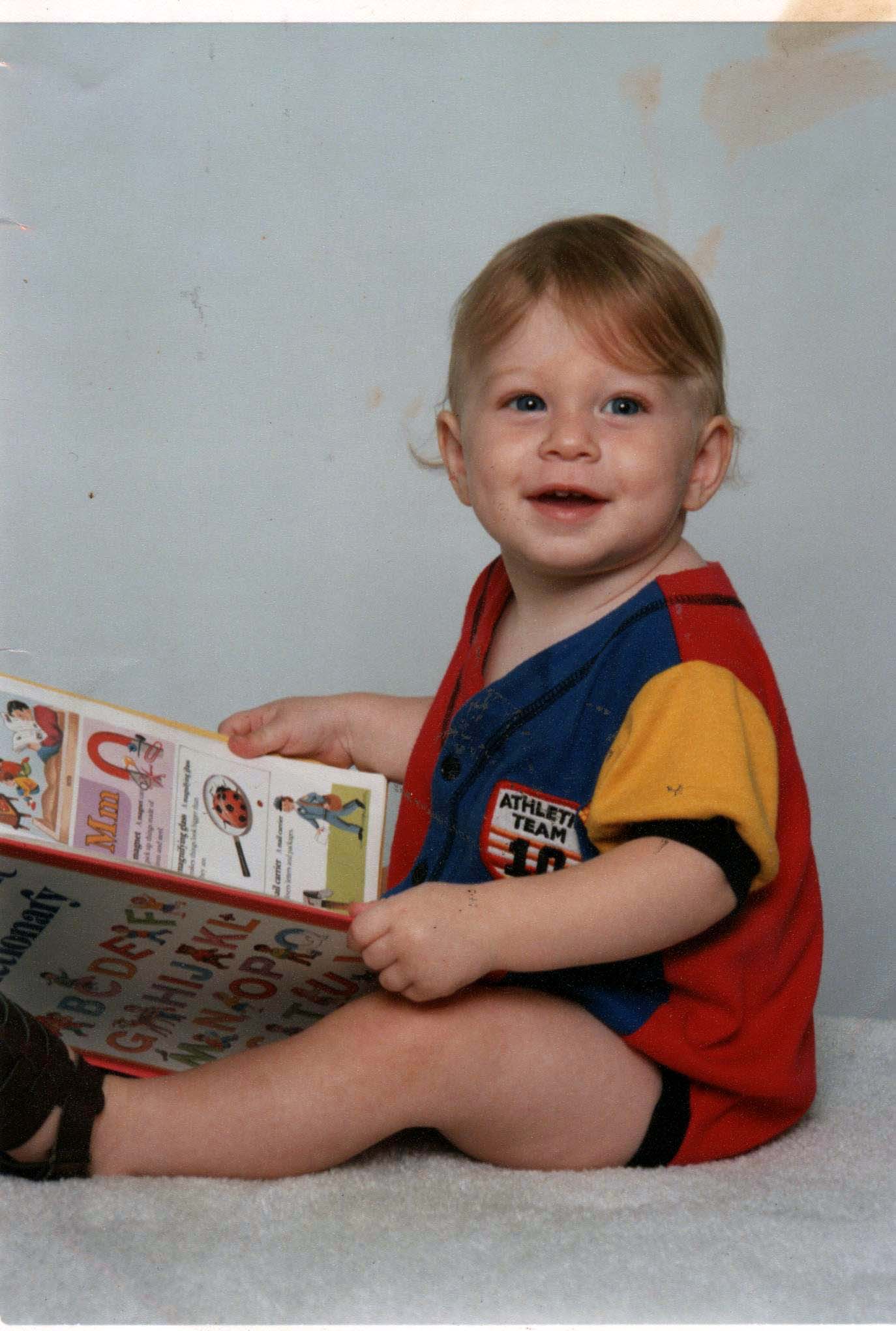
I am keeping this post short and sweet as today is my son’s birthday. He will be 16 today. My how the years have flown by.

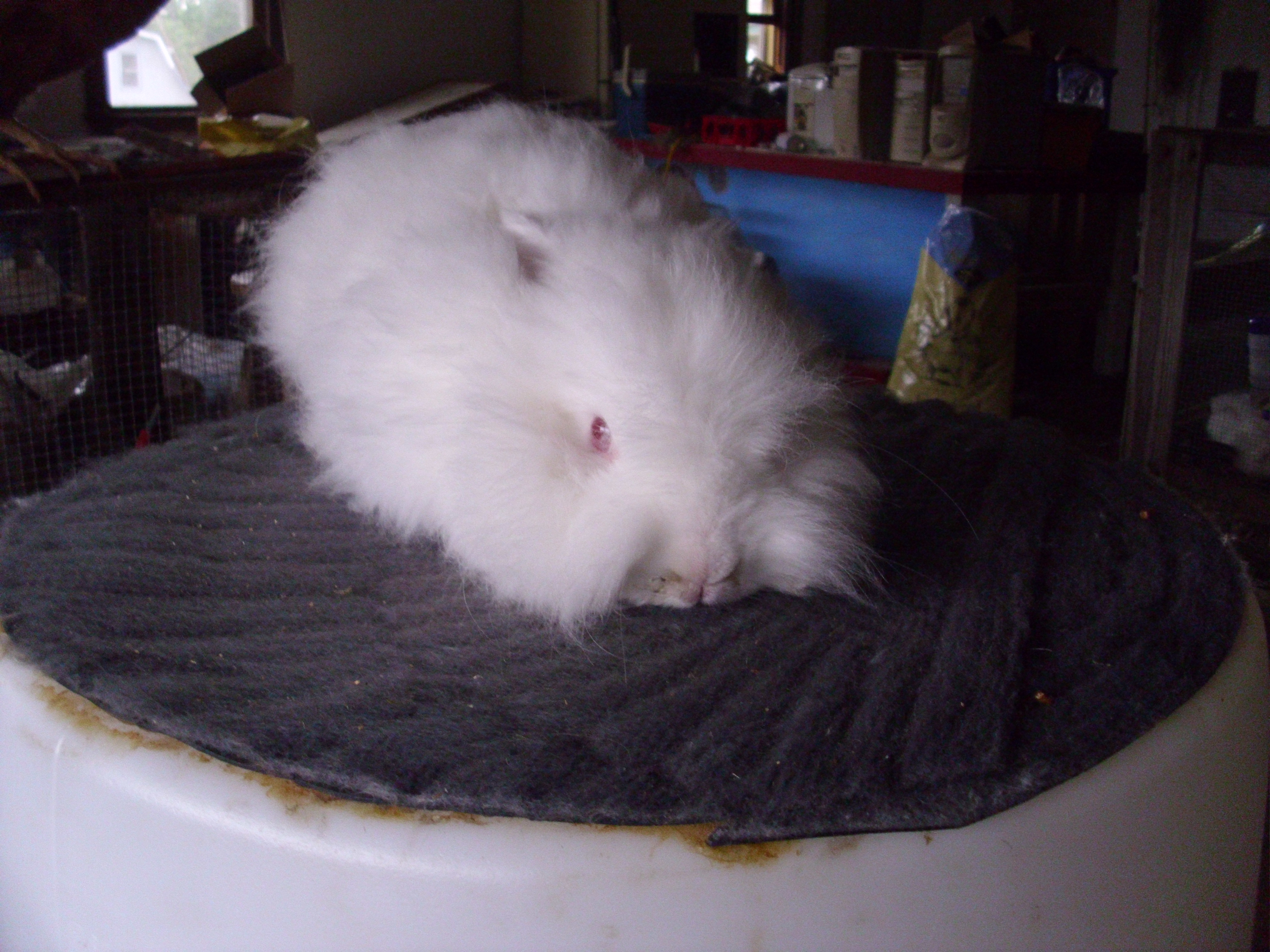
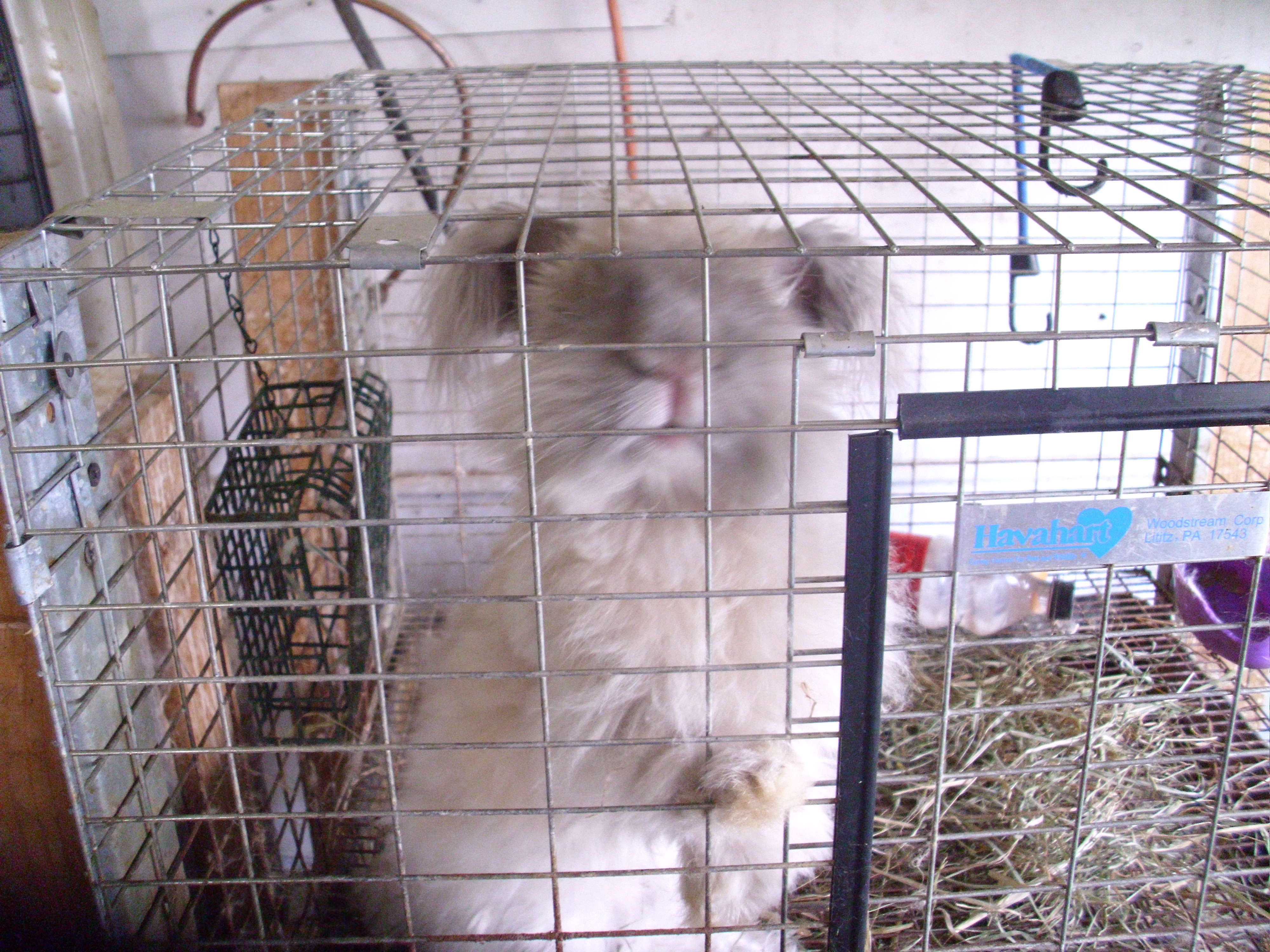
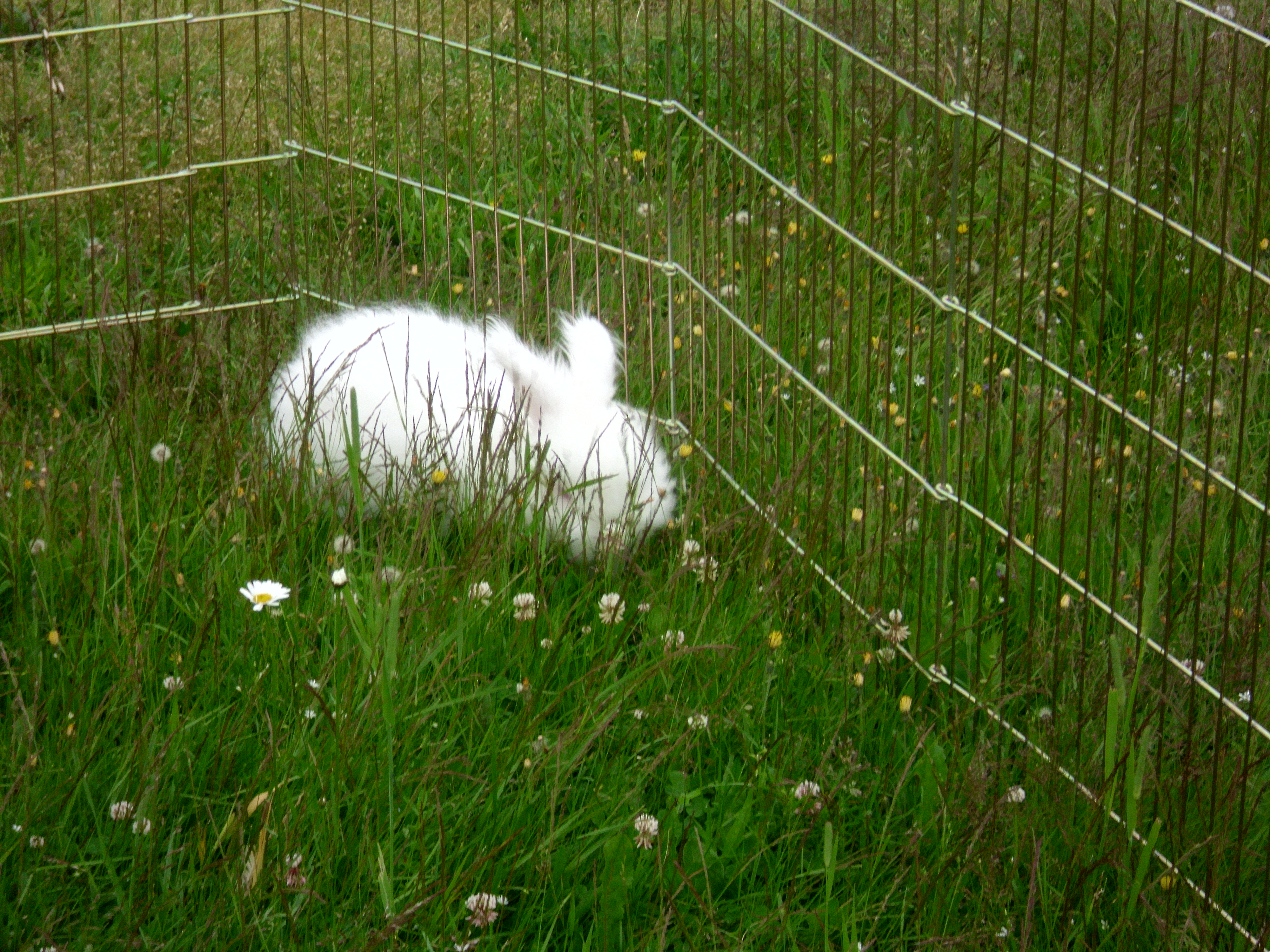
We have a new member of our little farm. His name is Ray . Ray is a beautiful Ruby-Eyed White English Angora.


Ray enjoyed his outing to the bunny run today. He is really quite a sweetie.

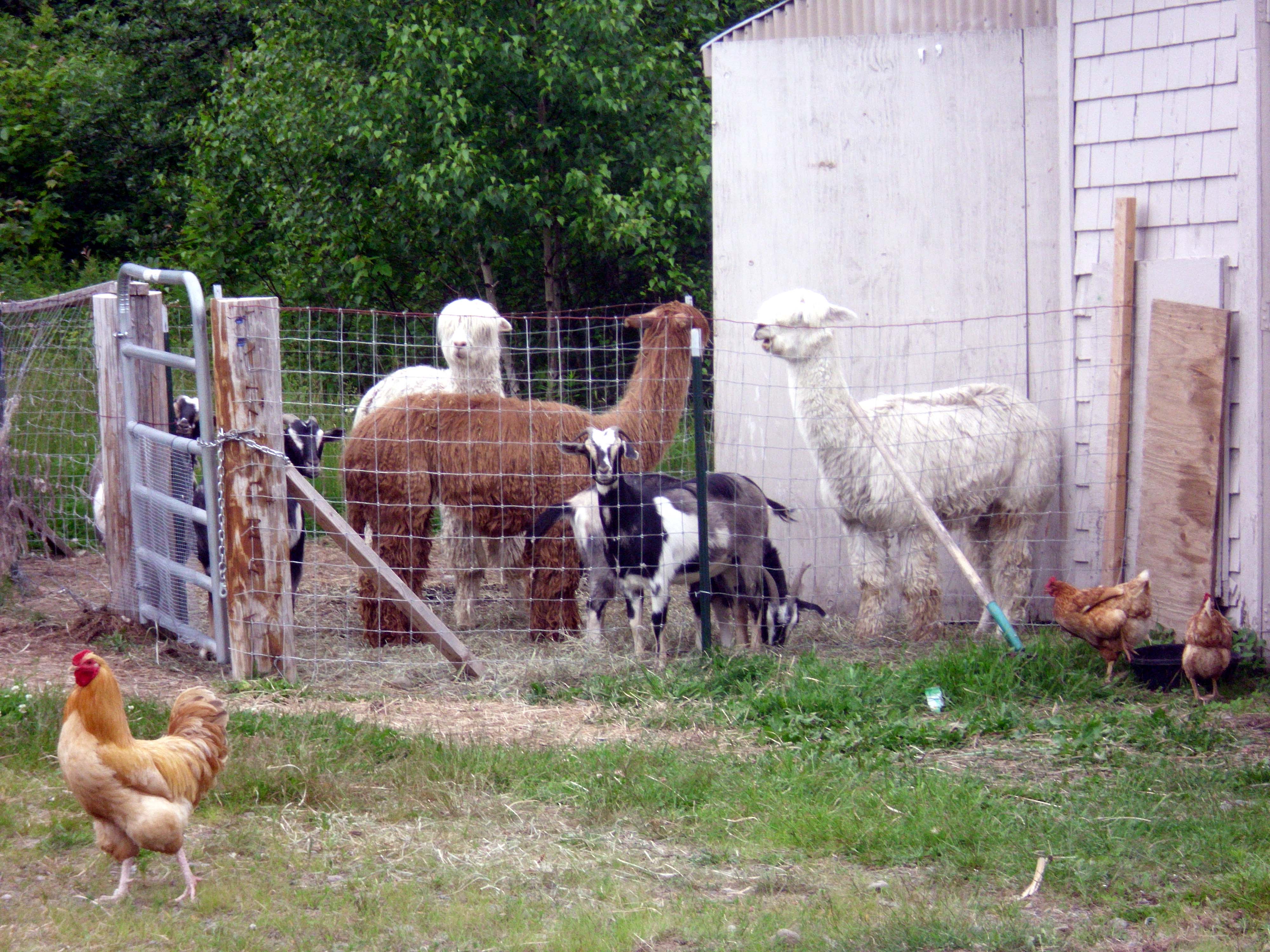
All the other animals wanted to check out what we were doing. I wasn’t able to get a picture of this because I was holding Ray.  However Francois was very sweet to him I brought Ray to the fence and Francois came over and gently touched him on the nose with his nose it was such a precious moment.

Sign up for the blog and newsletter to see the latest items in the store.

Deyaneria on June 22nd, 2011

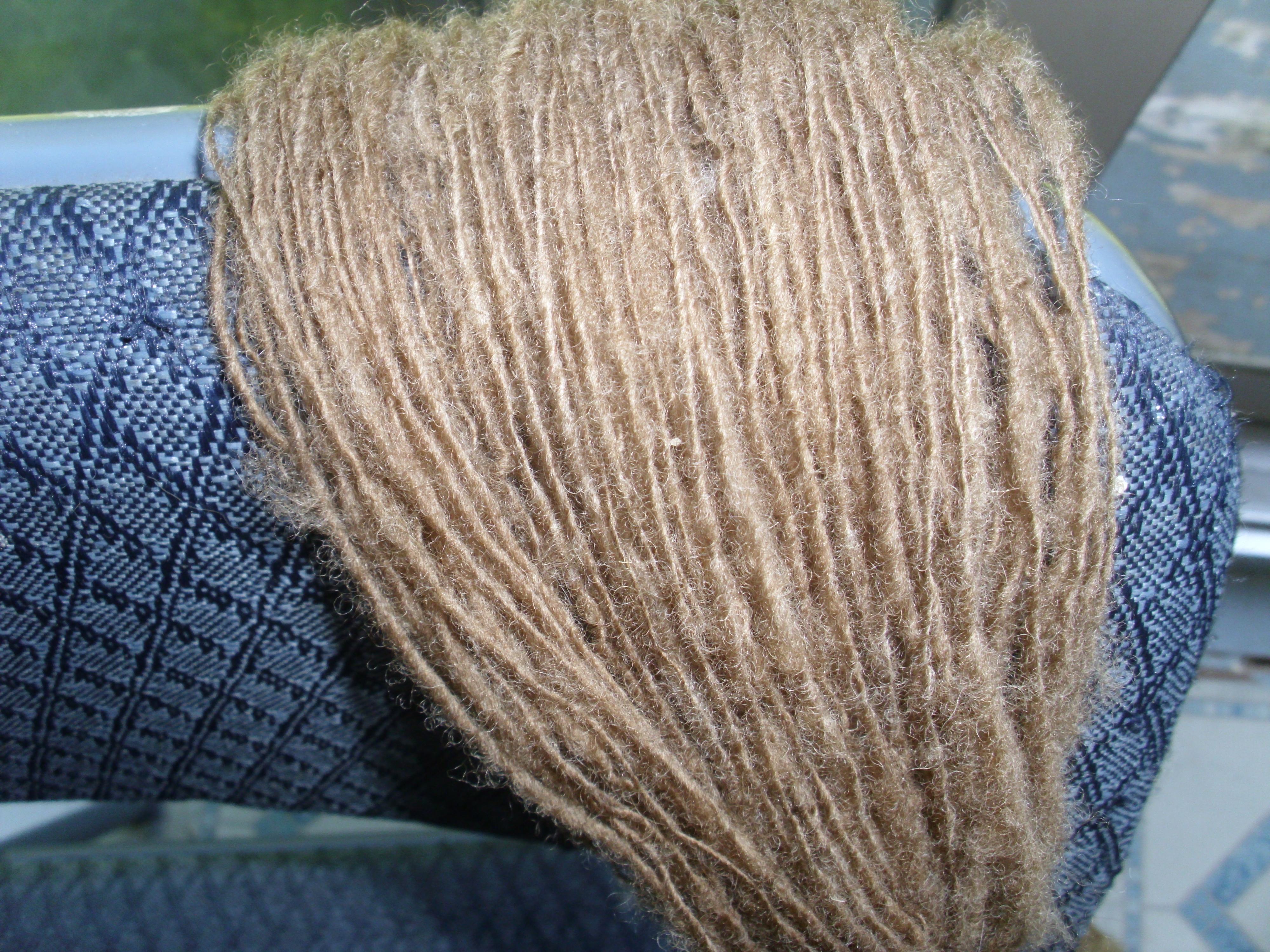
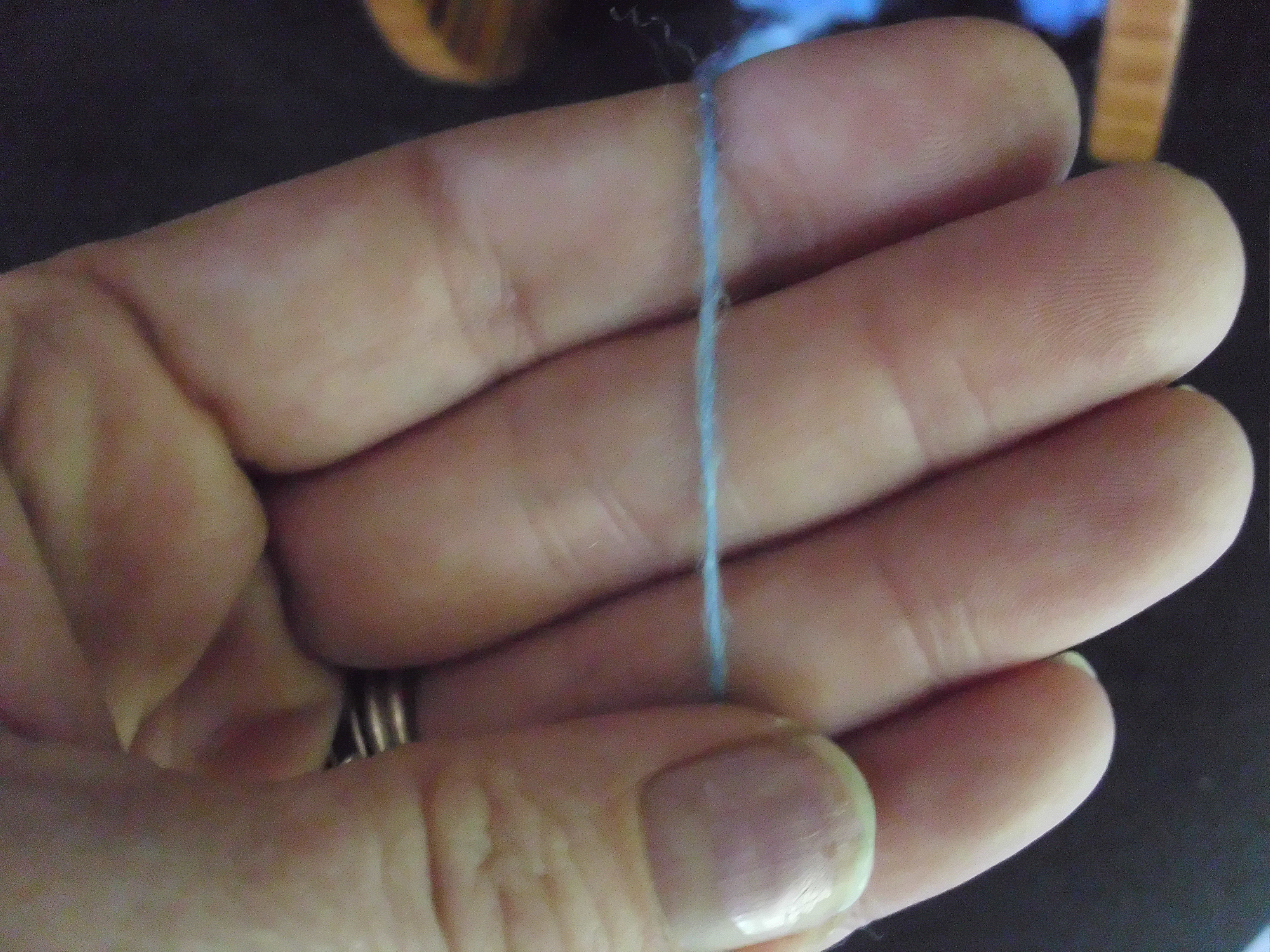
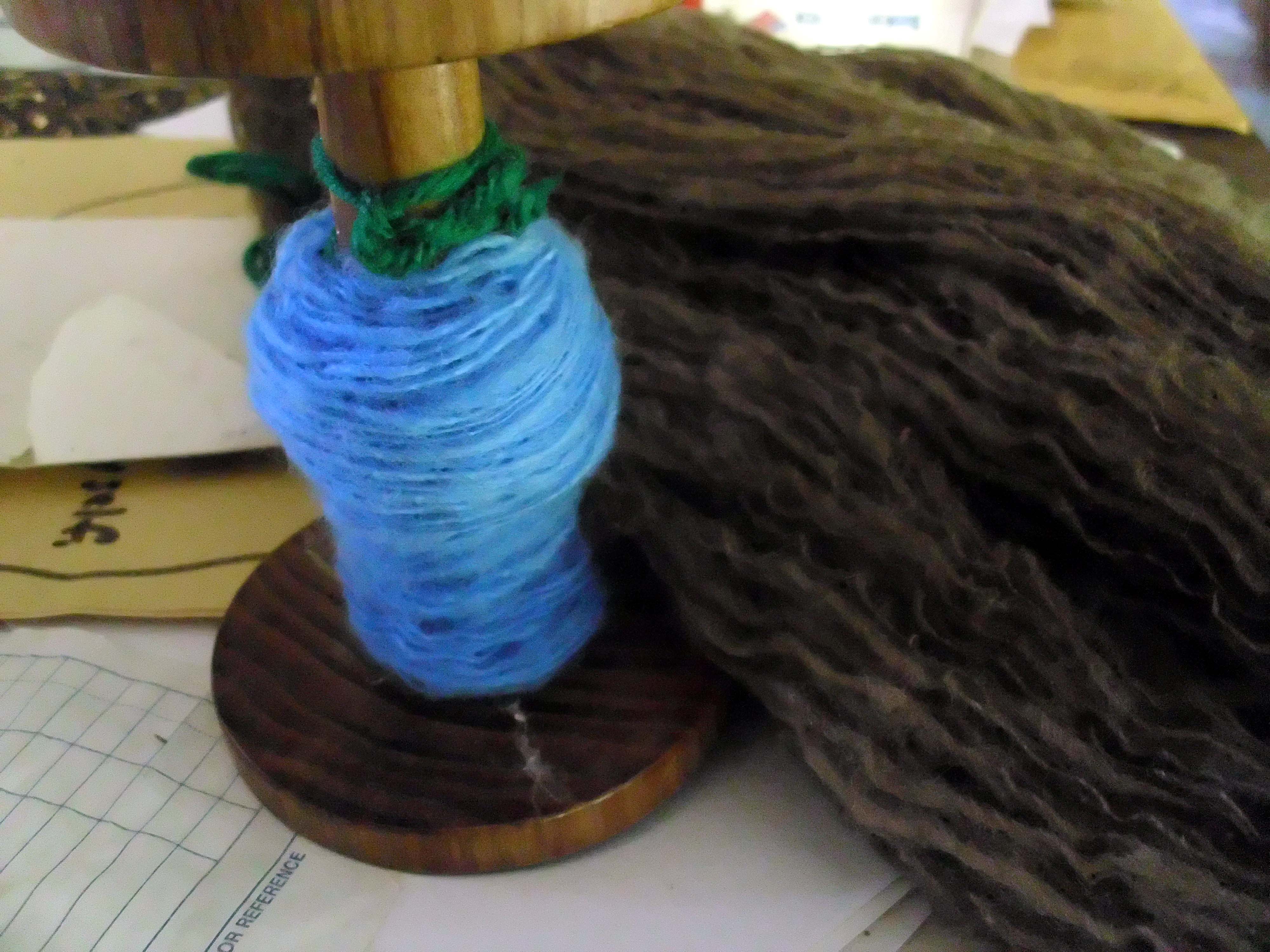
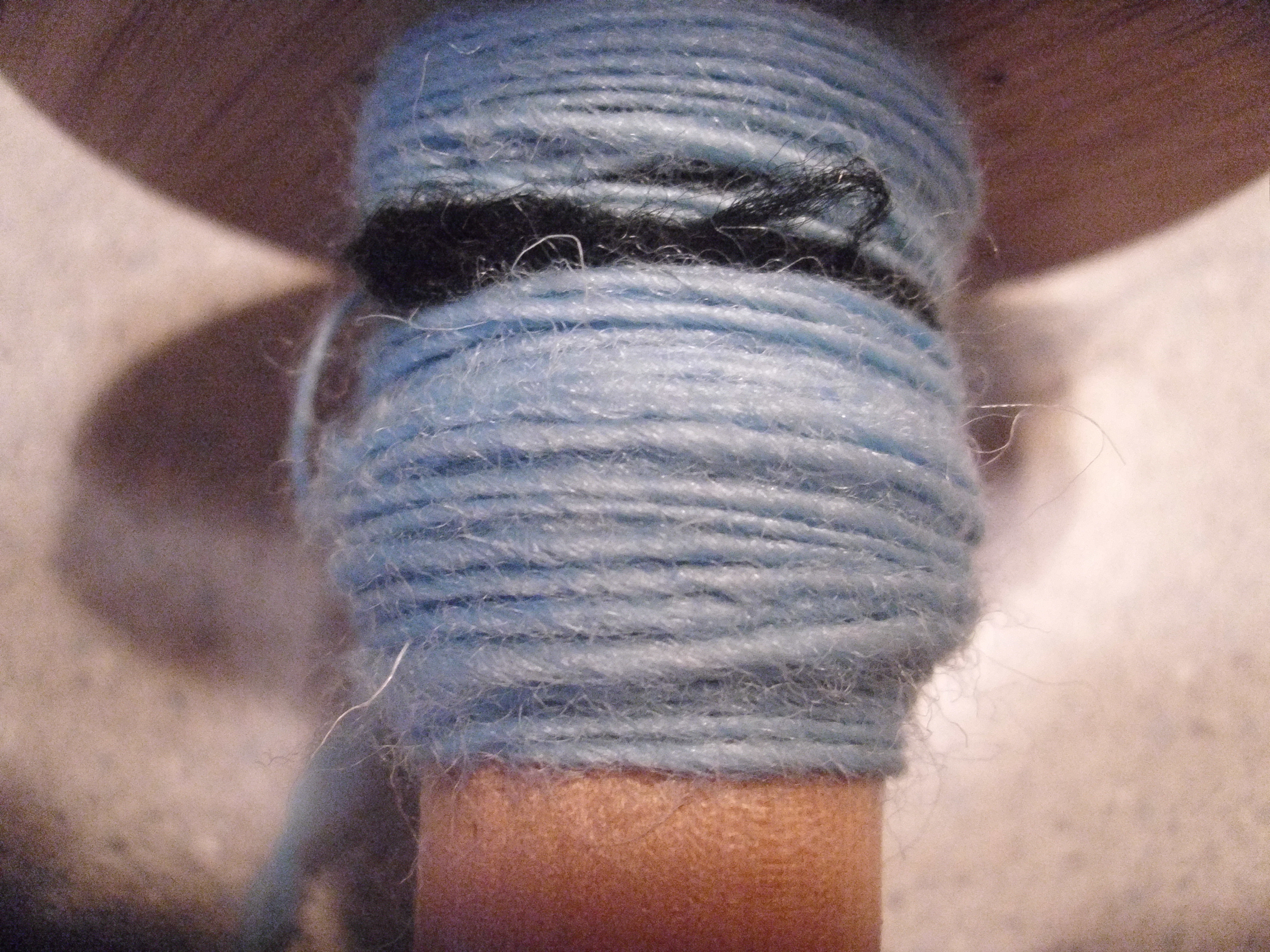
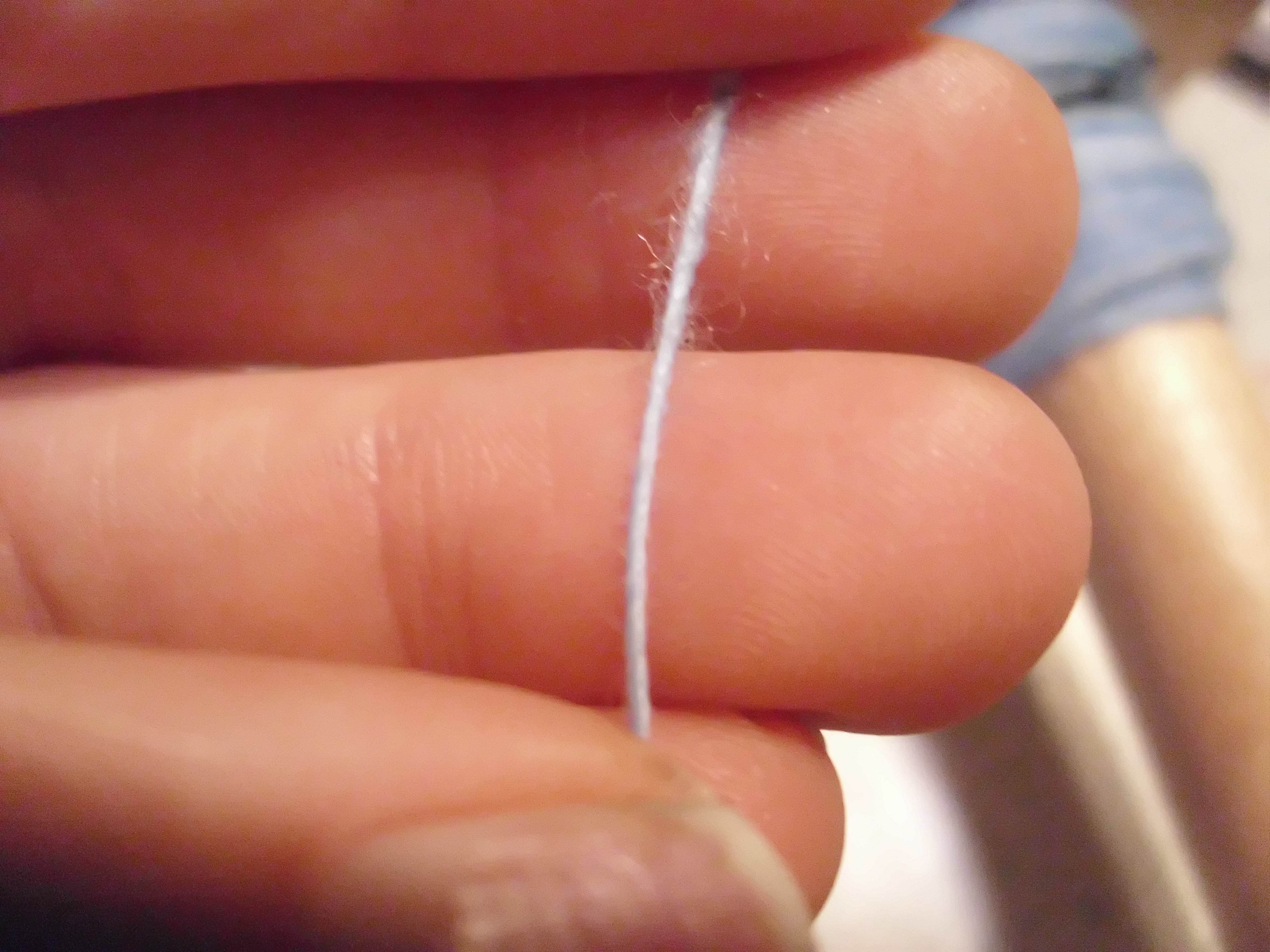
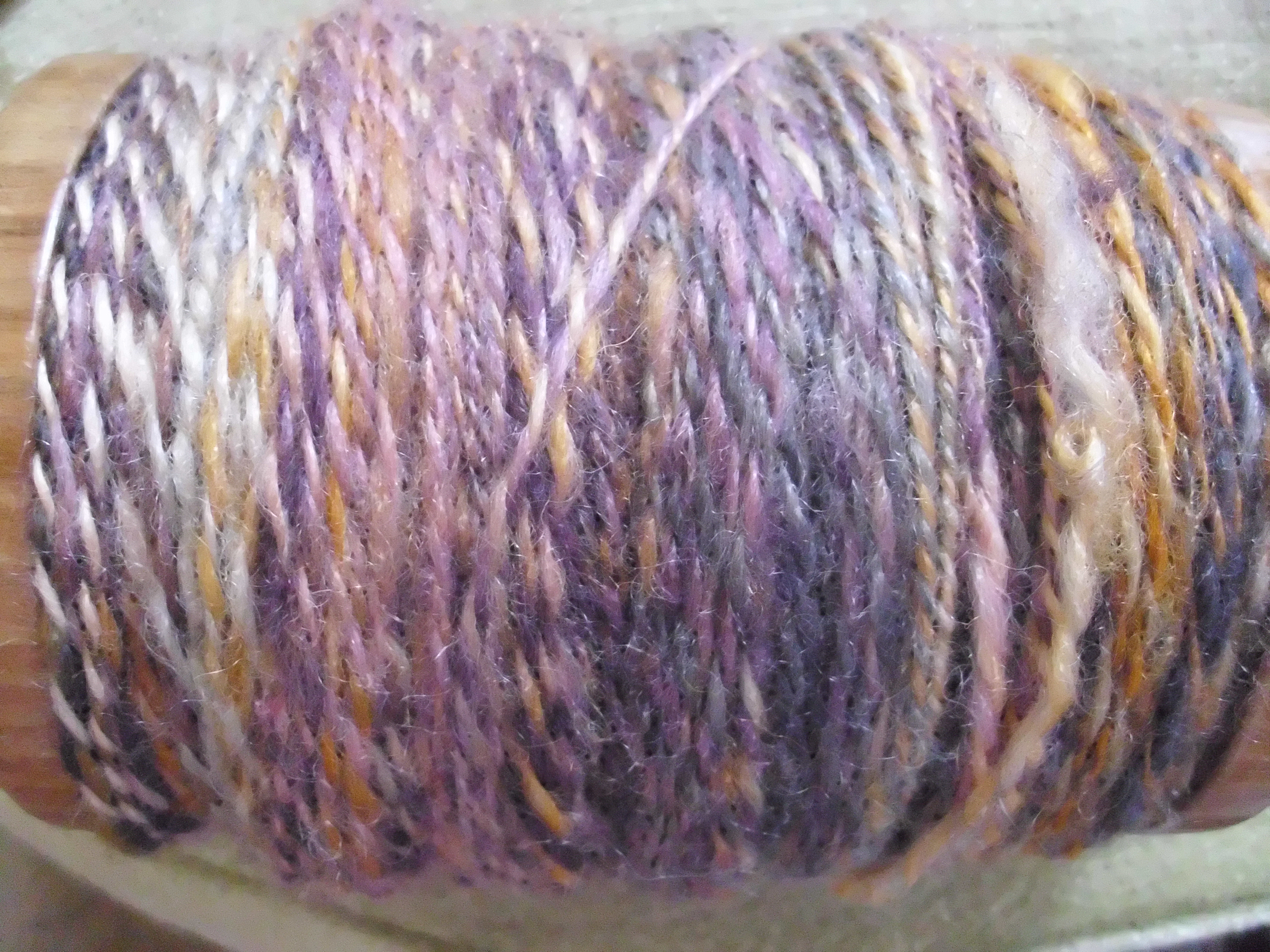
I spun up the beautiful light brown. I find I am really liking this wool. The brown was super soft and had a tendency to nepps. I took out many of the nepps but some stayed making a slightly thin and thick yarn.

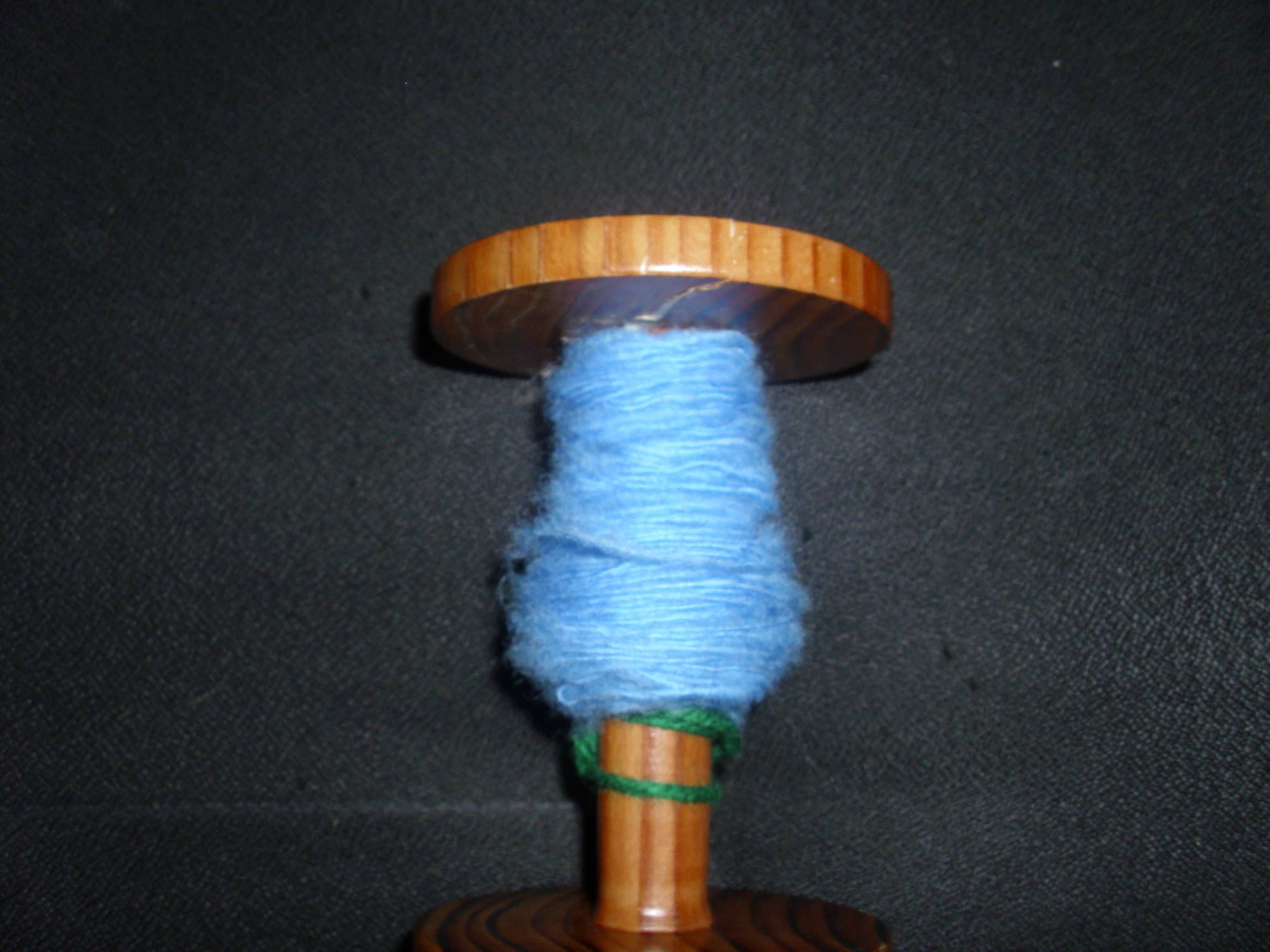
The white was dyed robins egg blue with Cushings Acid Dyes. I thought the brown and the blue would look great together in a fair isle or striped hat. I need to finish spinning the blue but got enough done to show today.

The colors aren’t quite a dark as shown in the picture. I think they look great together.

Tags: , , , , , , , , , , , , , , , , , ,

Deyaneria on June 17th, 2011

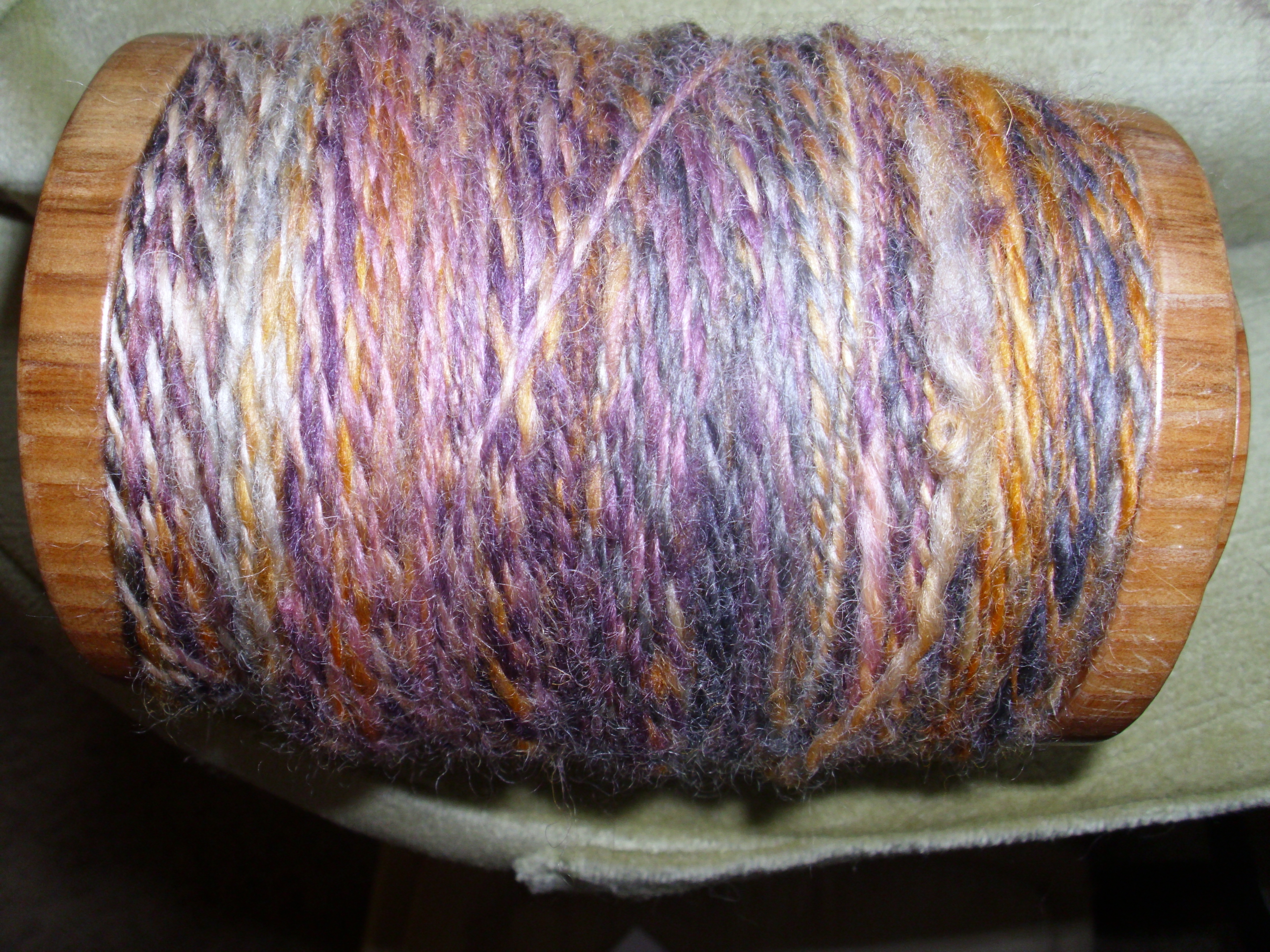
The falkland is finally dry so I can show it to you all spun up.

It’s spins beautifully after a good shaking to loosen up where it compacted during dyeing. Although dyeing it was messy I am pleased with the results.

I’ve been clipping bunnies all week and plan on adding the fiber to the store next week.

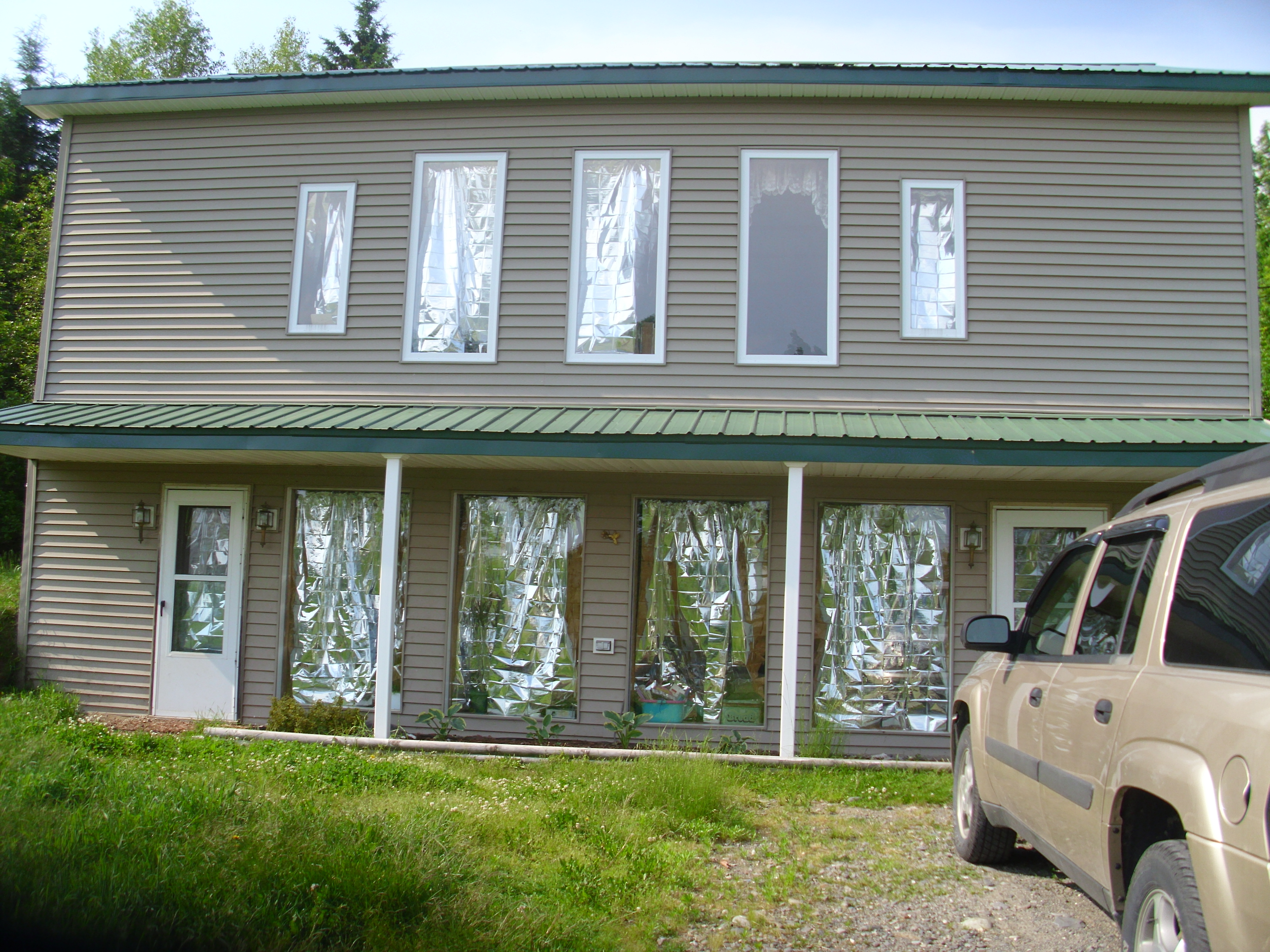
I found some solar curtains to counteract the passive solar so we aren’t living in a sauna this summer. The heat that collects in the house can be amazing. They definitely aren’t pretty but they seem to be helping. They remind me of aluminum foil or a space blanket.
Function over form I guess.

I’ve not worked on my sweater too much as I have a couple ninja projects that are on timelines and I need to get them finished. I have done some more spinning though.

Happy Fathers Day to all those Dad’s ! Have a great weekend.

Tags: , , , , , , , , , , , , , , ,

Deyaneria on June 13th, 2011

Since my lovely bamboo and banana fiber have yet to come in for me to play with I had some Falkland wool here.

Falkland sheep are from the Falkland Islands. I find it interesting that the wool has some great history. Falkland Island wool is considered to be a superior wool fibre and has historically been sold almost exclusively to the European wool processing trade. Great care is taken to ensure that classing is done correctly and many farms are members of the Quality Falkland Wool (QFW) scheme set up to ensure the highest preparation standards are followed.

The wool is generally drip white and fibre strength is generally high yet the wool is soft in handle.

Due to climatic and environmental conditions yields are generally very high, often well in excess of 70% Schlum dry basis, and vegetable matter content is usually under 0.5% with many clips in the 0.0% – 0.3% range making the wool ideal for scouring applications. Micron range is generally between around 20 microns and 32 microns, with the bulk of the wool in the 24.5 to 28 micron range. That is medium finess and can be suitable for next to skin comfort.

I was looking at an article on the economy of The Falkland Islands and found the Falkland is not one particular breed. Farmland accounts for a little over 80% of the Falklands land area. Sheep farming was formerly the main source of income for the islands and still plays an important part with high quality wool exports going to the UK: according to the Falklands Government Statistics there are over 500,000 sheep on the islands. Roughly 40% of the national flock are on West Falkland and 60% on East Falkland. The base flock are Corriedale and Polwarth breeds with Dohne Merino, South African Meat Merinos, Afrinos and other breeds having been introduced to improve the fineness of wool and meat characteristics. So Falkland Wool refers to the area rather than the type of sheep.

Here is some Falkland roving.

falkland roving


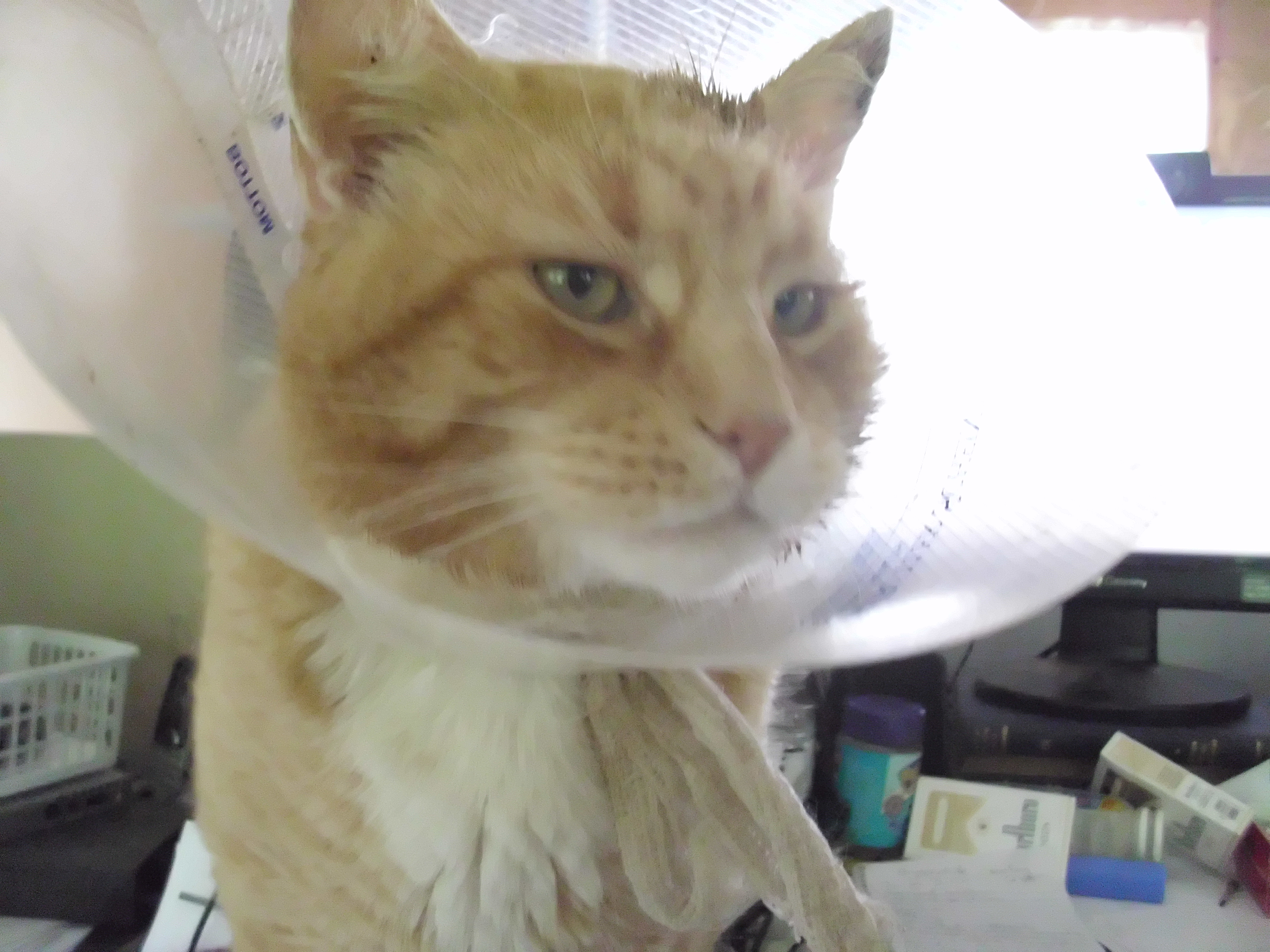
Baxter is really being  a lovebug/pain in the arse this morning. Refusing to let me type so I’m adding him in.

Tags: , , , , , , , , , , , , , ,

Deyaneria on June 6th, 2011

I was crazy busy this weekend. I went to a BBQ for the American Legion Ladies Auxilliary. Made a trip to the bank an hour away and went to Fiber Frolic whoohoo!!!! I had been waiting for that all year. I didn’t write a post on friday because I wanted to write about Fiber Frolic. The newsletter will resume at it’s normal day next week as well.

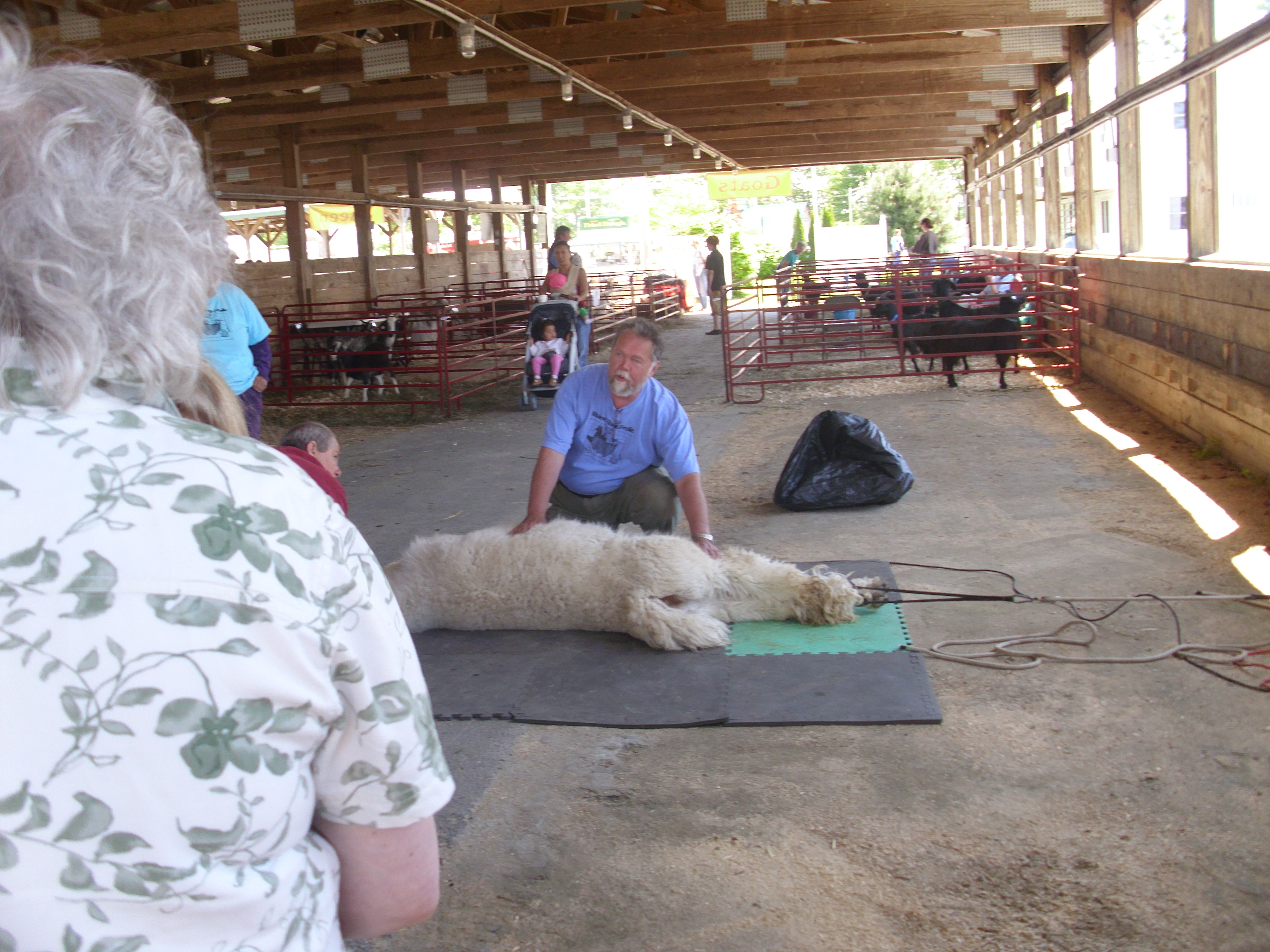
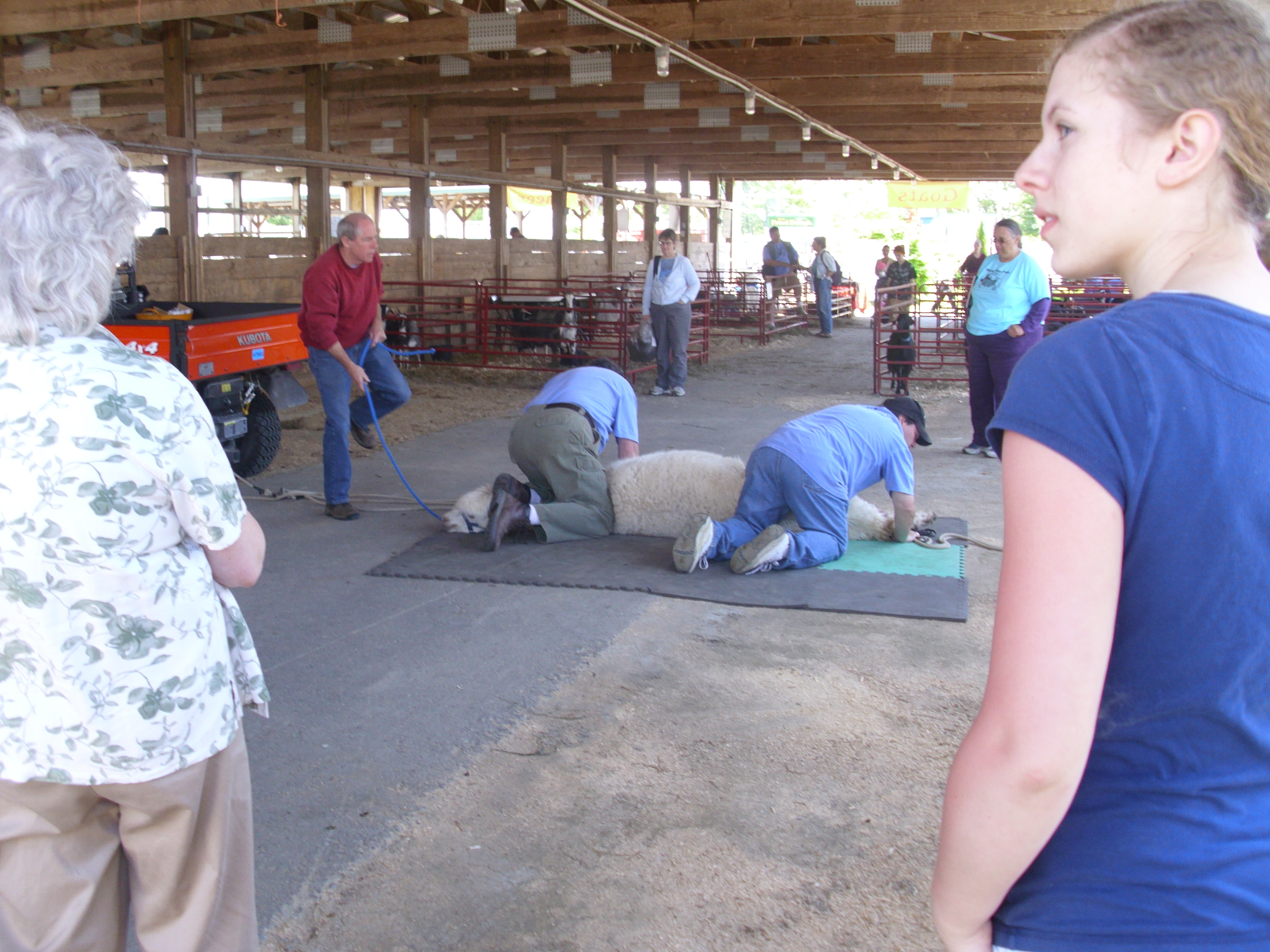
Anyway on to the fibery fun. Fiber Frolic takes place the first weekend in June at the Windsor, Me Fairgrounds (about a 2 hr drive for me). The first place I wanted to find on arriving was the alpaca shearing. Luckily I made it just in time. I will be shearing my alpacas for the first time this year. I knew they are restrained and sheared. However my question was “how do you get them to cush and get the restraints around their legs without getting the crap kicked out of you?” I am still traumatized from trimming Gavin’s feet last year.

Basically they had two big burly guys  pick up the animal place it on it’s side and secured the legs. Note to self: find 2 big burly guys.

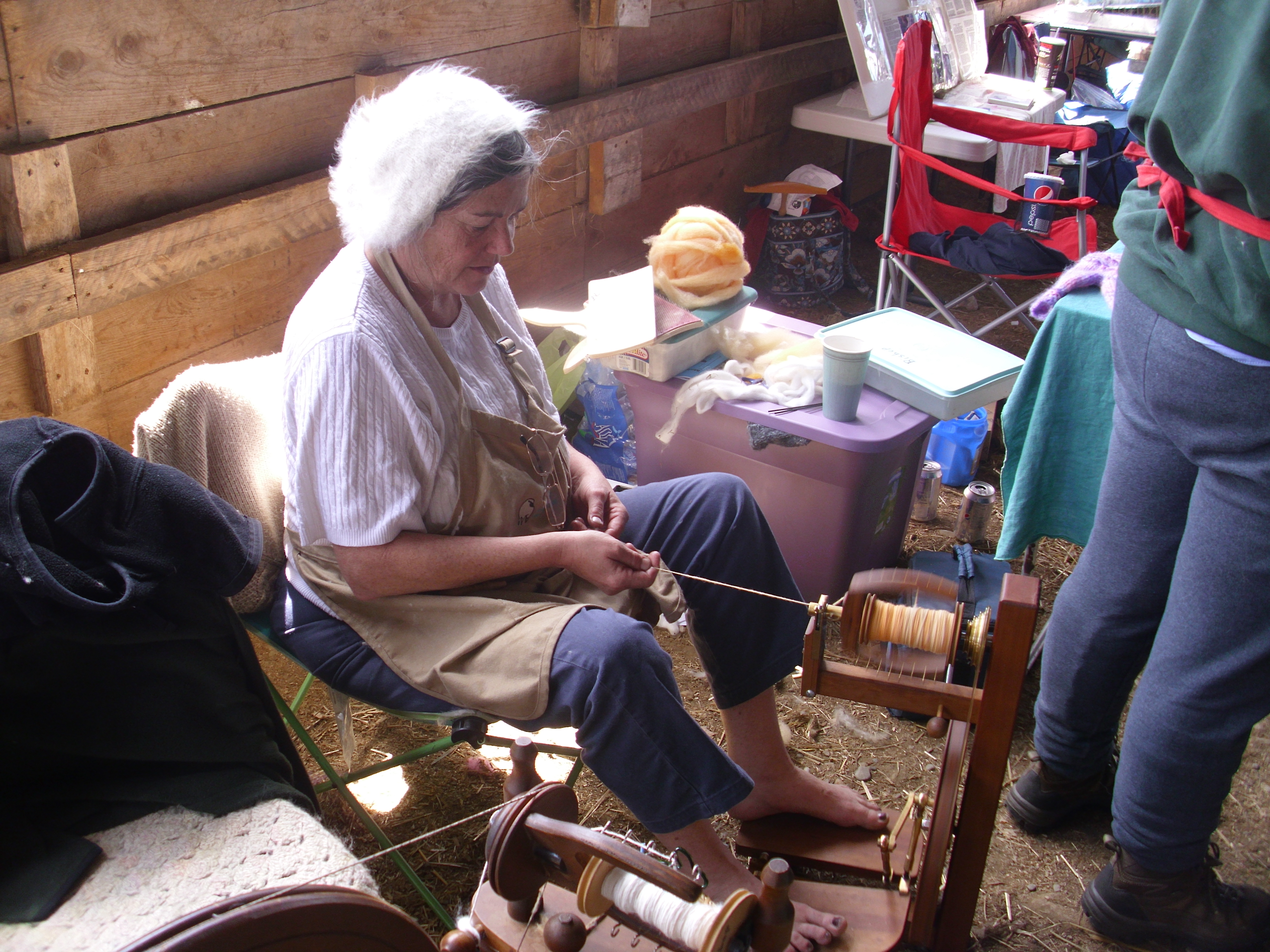
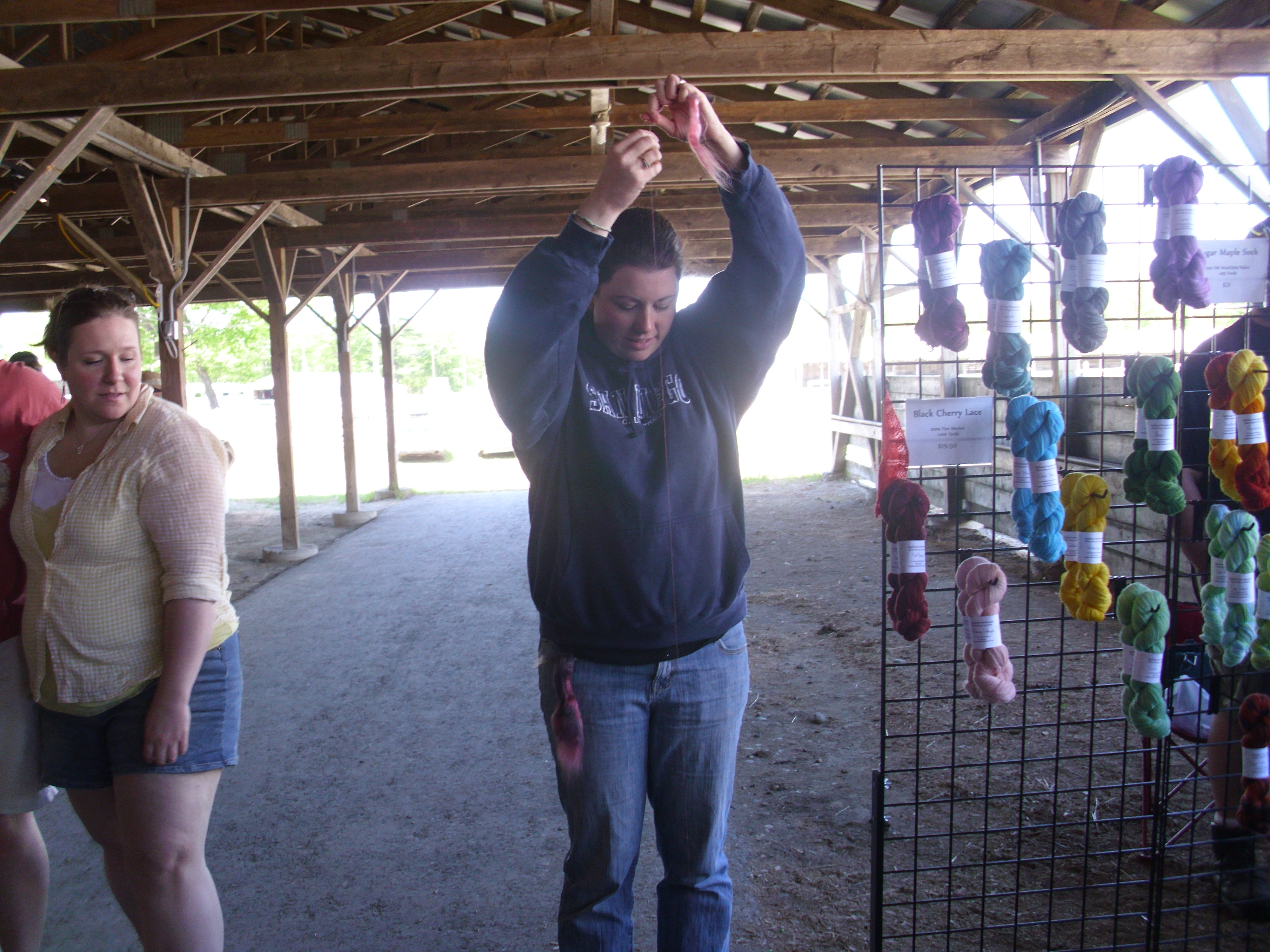
I also met up with my friends Liz and Heather( of Highland Handmades).

Liz spinning on her wheel.


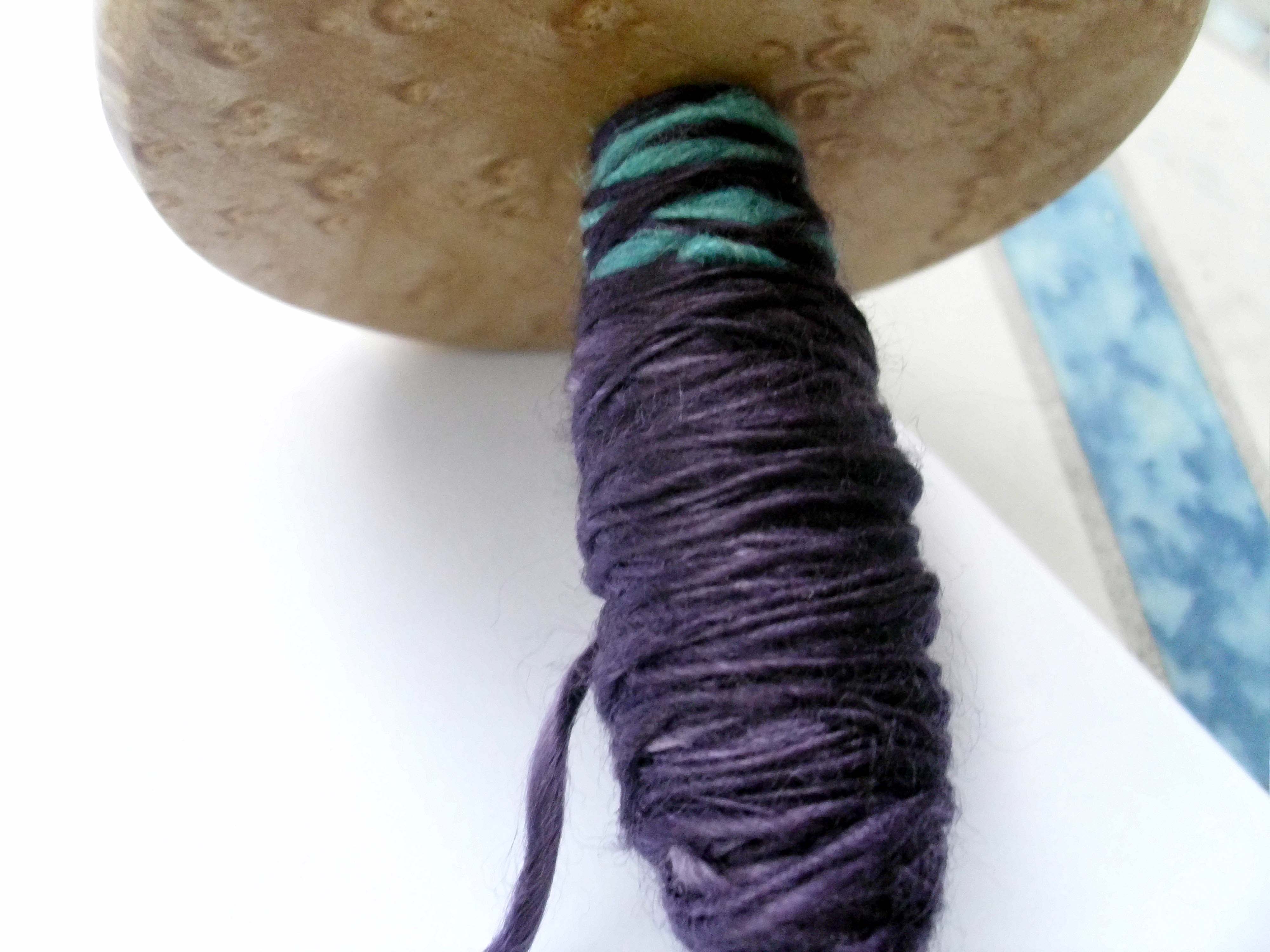
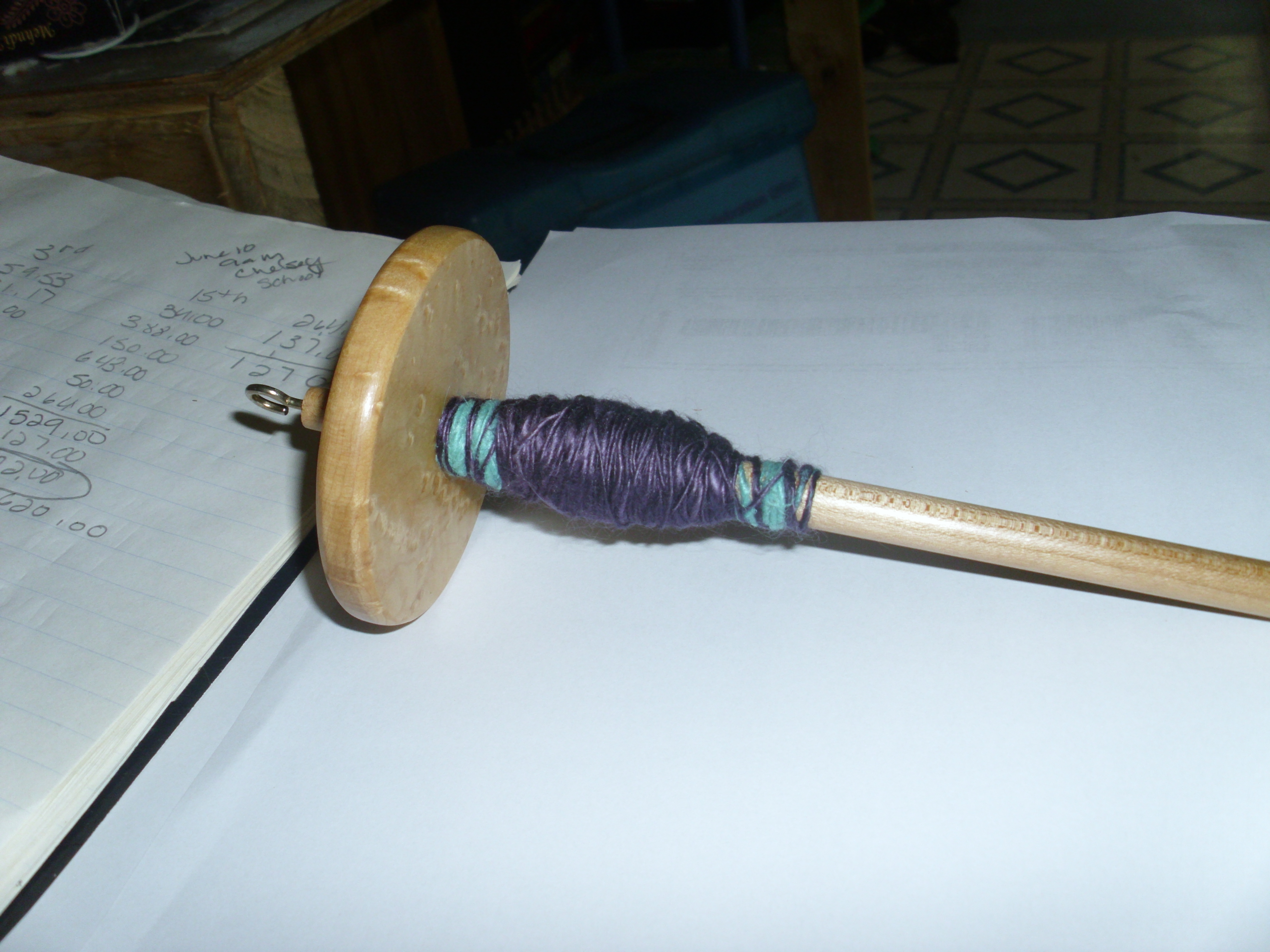
Heather drop spindleing , her spindle was almost on the floor at this point!


Here are some of the animals I took pictures of while I was there.

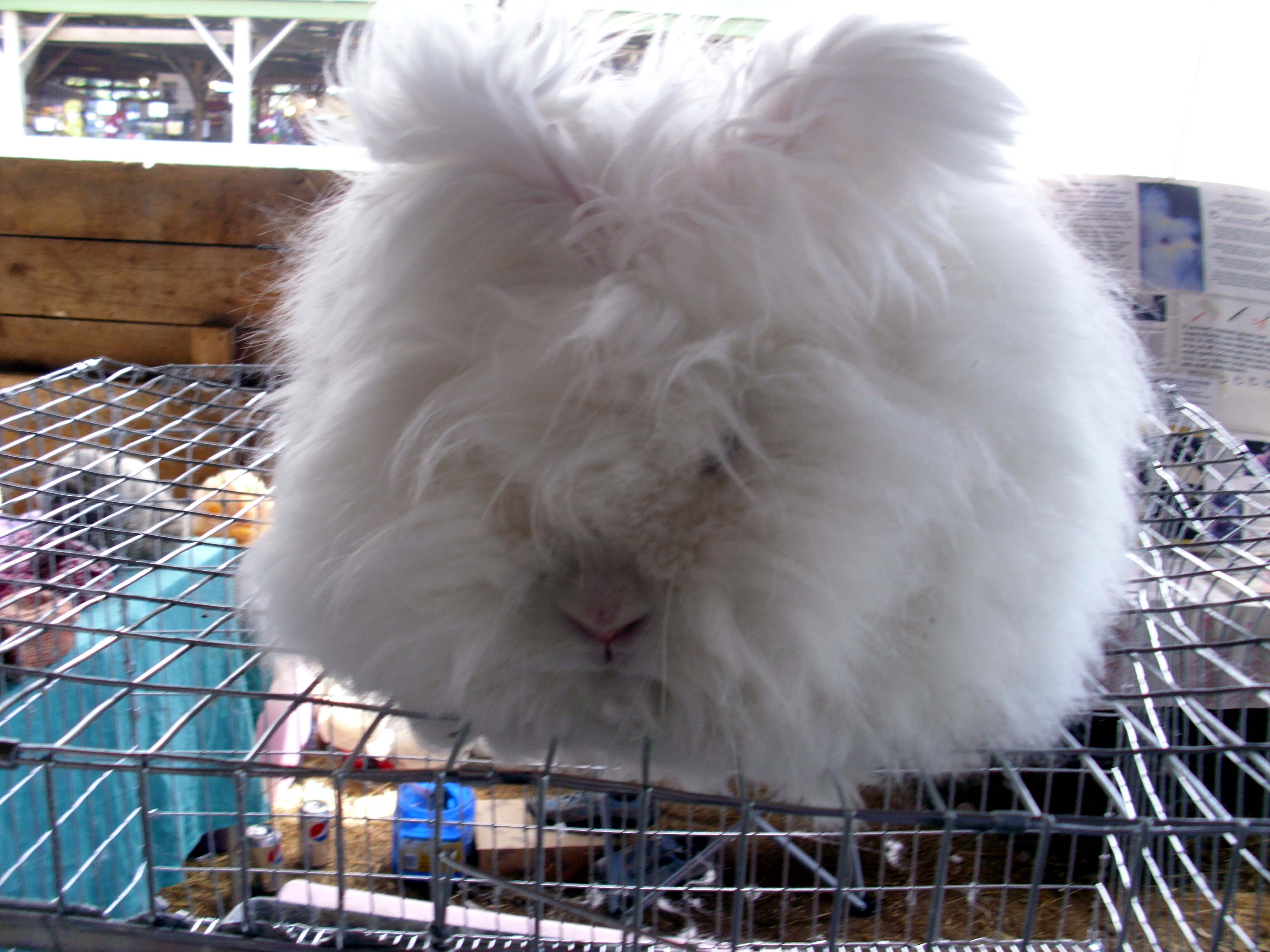
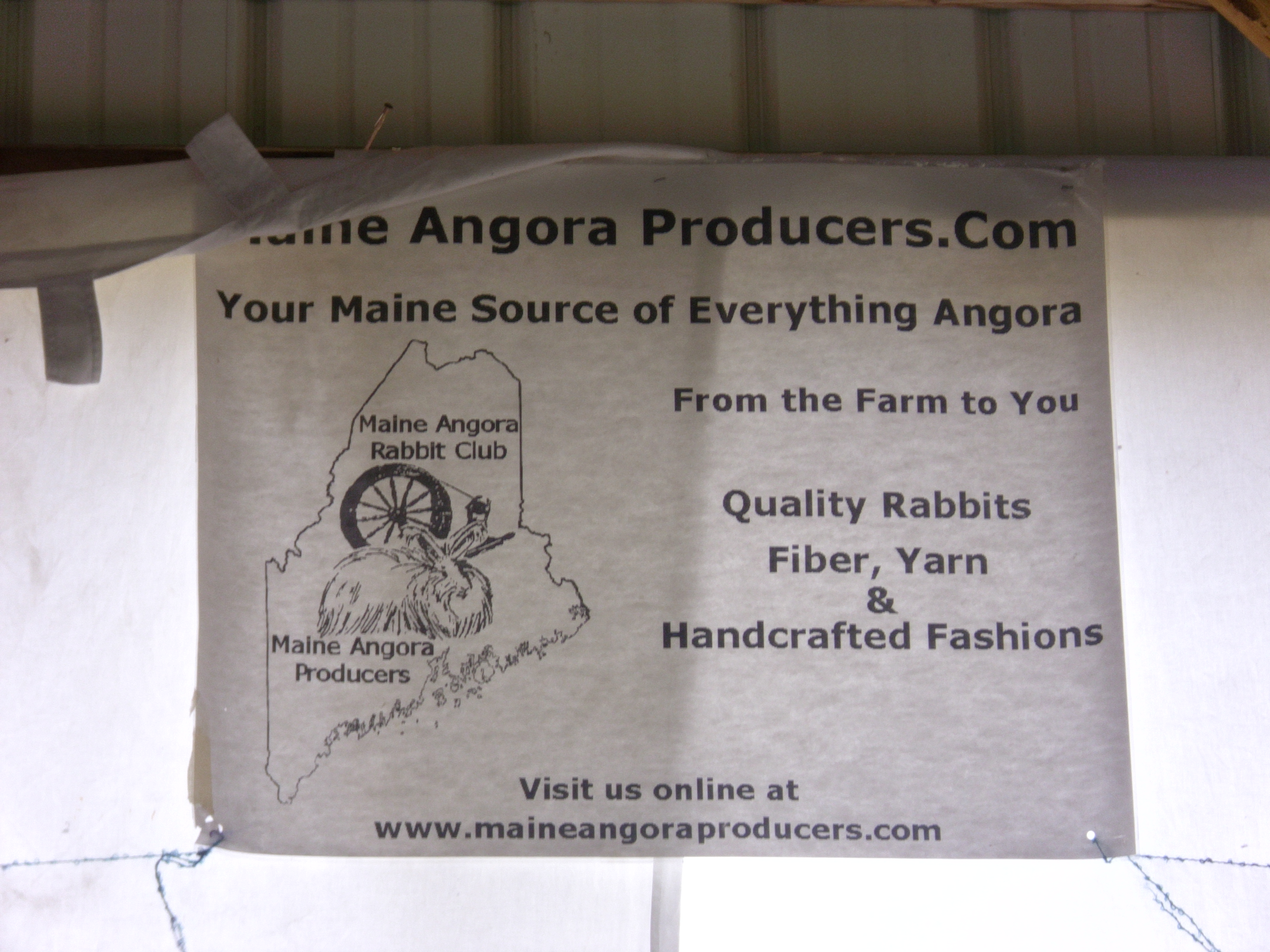
Liz’s lovely angora was advertising for the Maine Angora Producers.


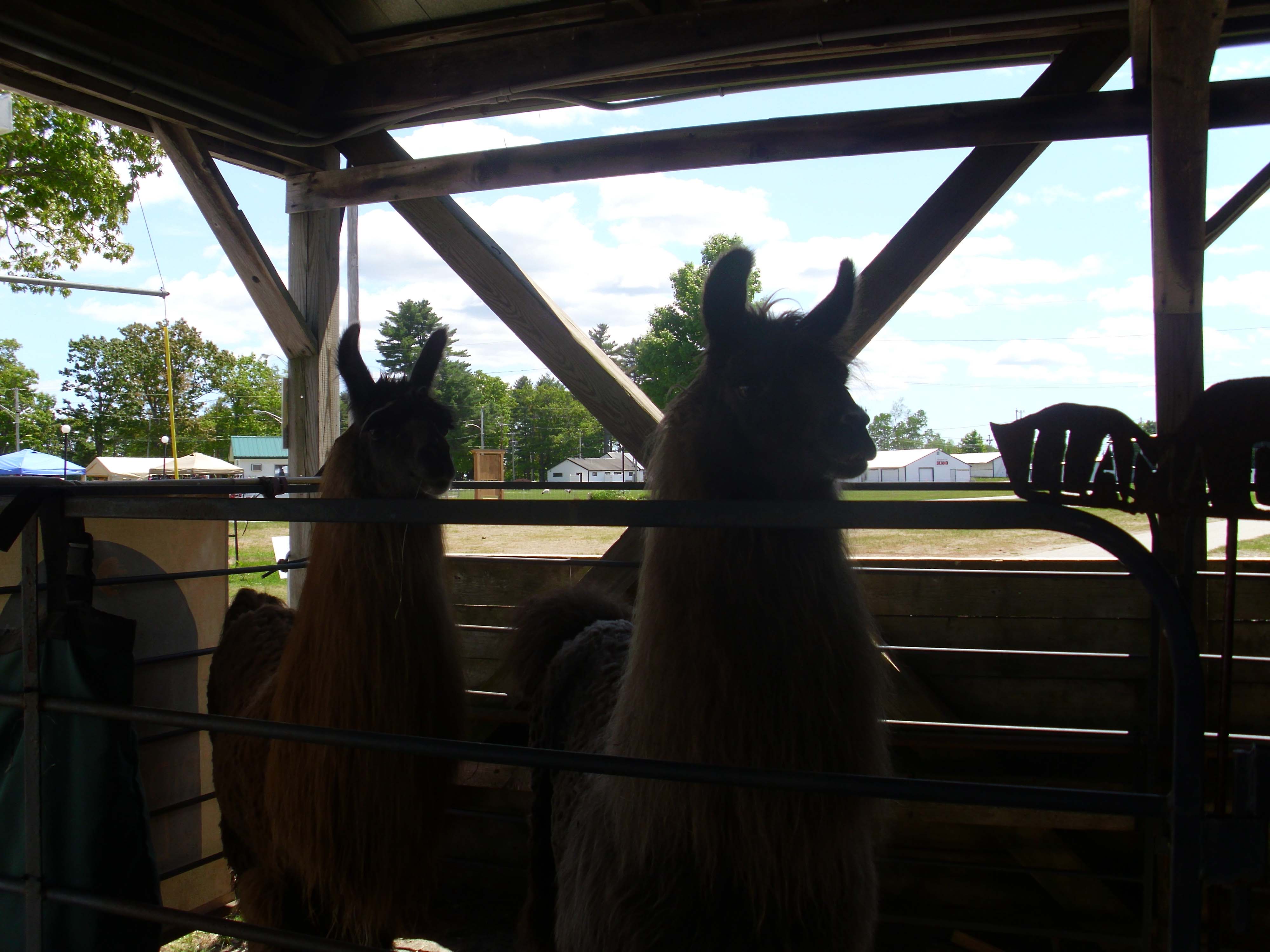
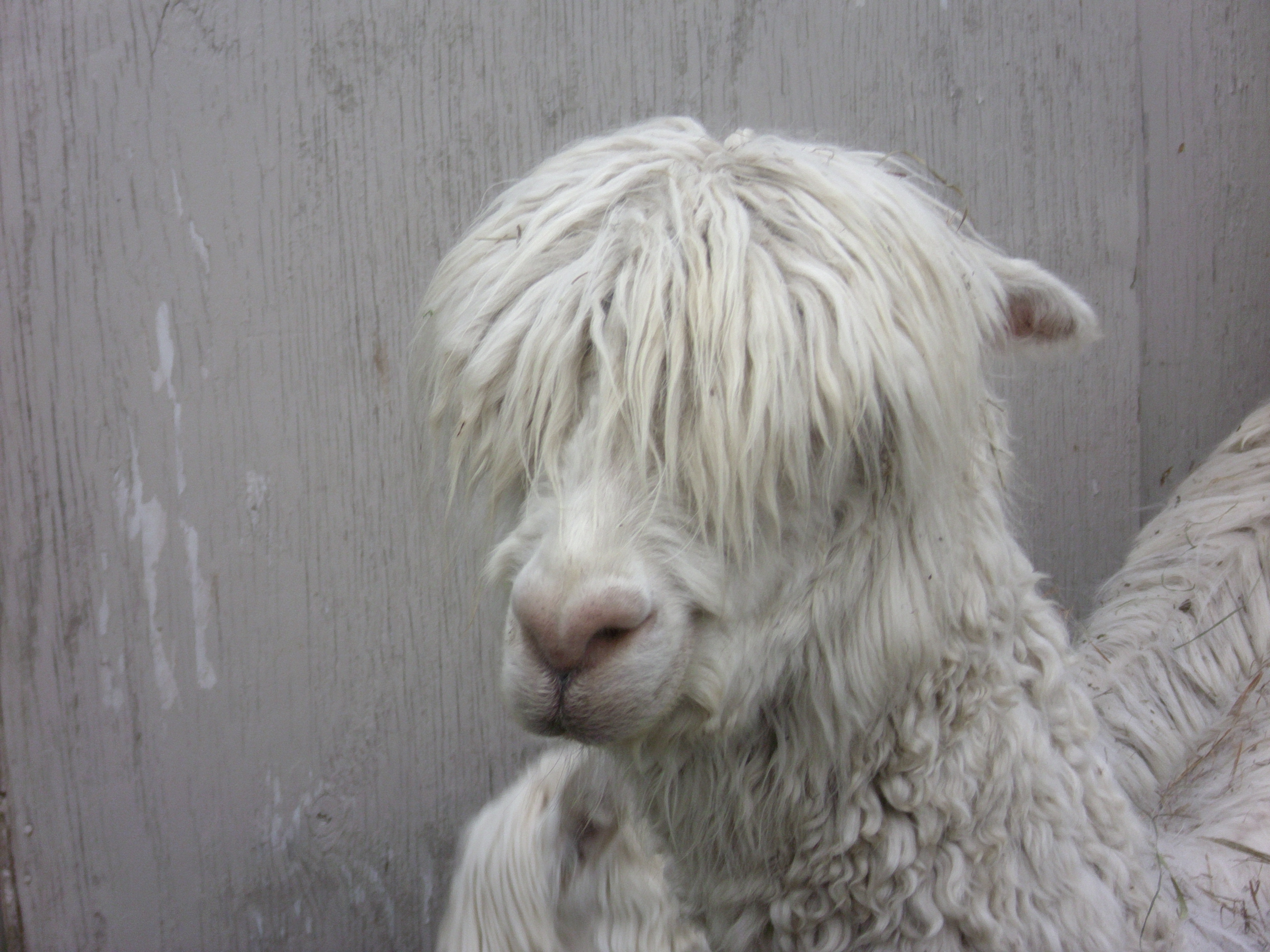
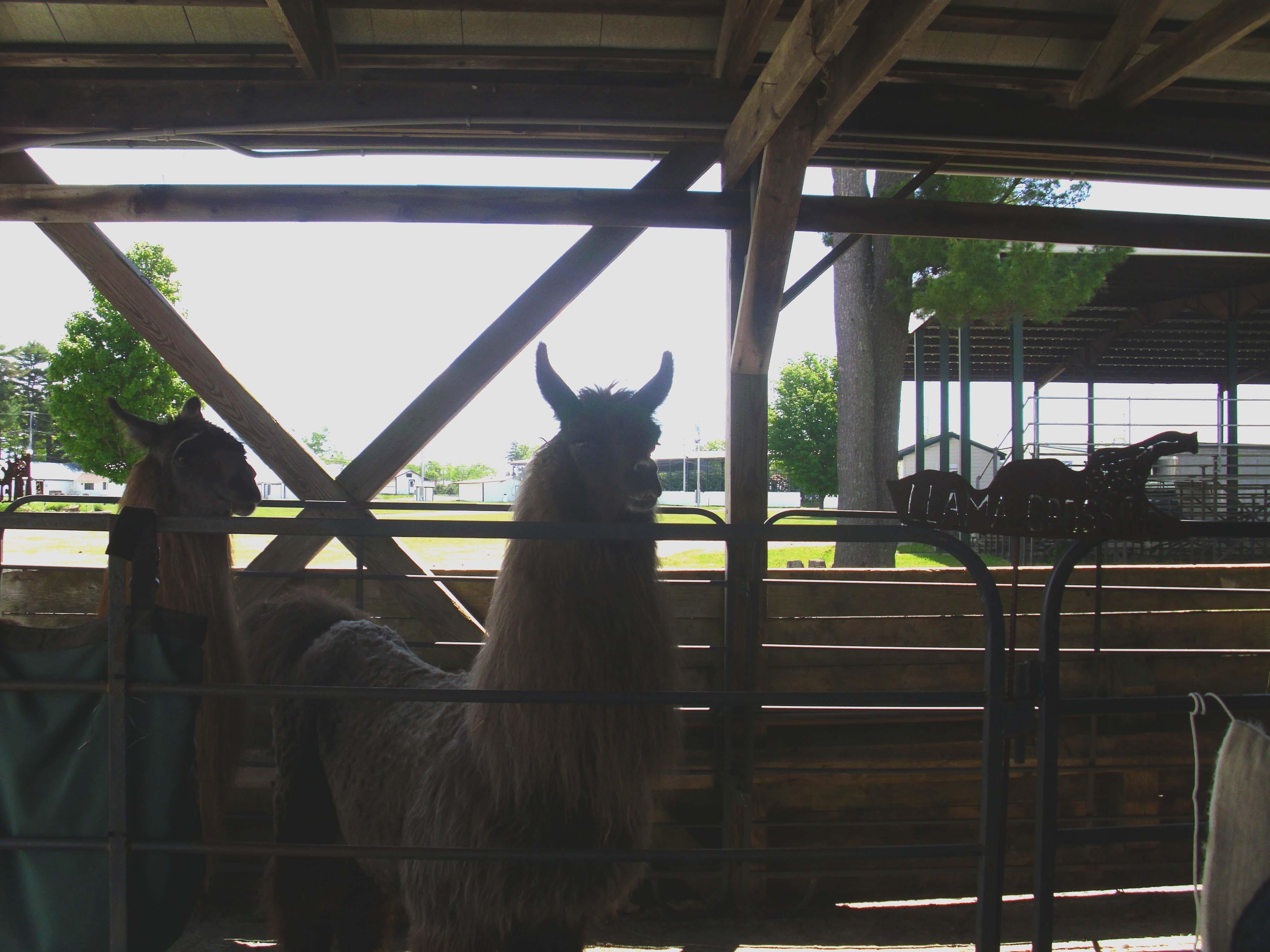
Two Llamas that wanted a photo op. I wish the lighting had been better they were amazing models! I saw so many animals I kept forgetting to get my camera out and take shots there were angora goats, cashmere goats, many different types of sheep, and sheep-herding dog demonstrations. The food was great and to be able to spend some time with my fiber fanatical friends was awesome. I made a few new friends. Next time I will write about all the cool shops I found and show the purchases that I made.

Tags: , , , , , , , , , , , , , , , , , , , , ,

Deyaneria on June 2nd, 2011

There are many claims about sea cell fiber. I’m unsure as to what claims are real or fiction but I will present them all so as the consumer you can decide.

Basically, Seacell textile fiber is the result of a simple idea: the natural cellulose-based Lyocell fiber acts as the carrier for a natural, health-promoting substance – seaweed.

The minerals contained in seawater accumulate in seaweed. This explains the high concentration of trace elements, vitamins and minerals found in seaweeds and which make it particularly suited for medical applications and cosmetic products. Cosmetic products based on seaweed improve the blood supply to the skin and activate the skin cell metabolism, ensuring that the skin remains fresh, firm, and smooth. Medicines that contain seaweed accelerate the healing of skin inflammations caused by infections or allergic reactions.

The porous, open structure of the Seacell textile fibers promote humidity intake and release, and a healthful interaction between the fiber and the skin. The garment absorbs what your skin expels, while your skin absorbs the healthful elements carried in the fibers. Even after numerous washings, the health-promoting, beneficial effects of the fiber remain unaffected.

Citing my Information http://www.underwear-options.com/seacellfibers.html

On the other side of the coin some of these claims may not  be true it would depend on what componets are left after production and processing. As with many foods they lose nutriction with cooking I would imagine the same could happen with fibers.

I also find one claim to be really woo- wooish. The claim that seacell fiber reduces stress. I really do find that to be beyond me however that said maybe spinning and knitting the fiber could reduce stress.

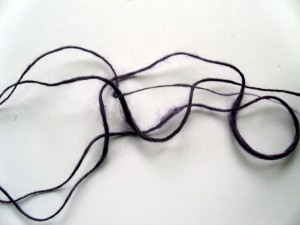
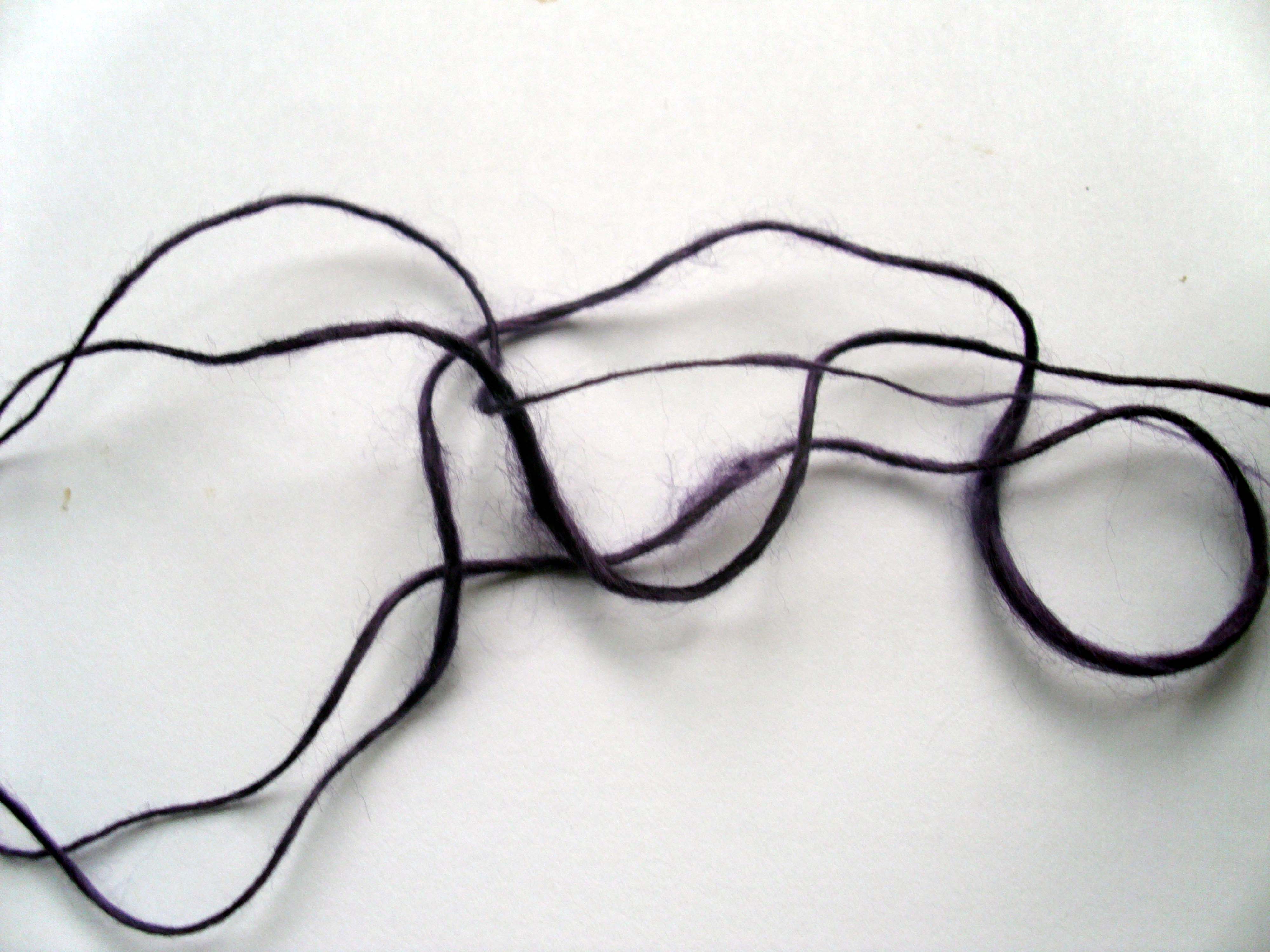
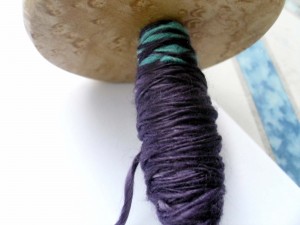
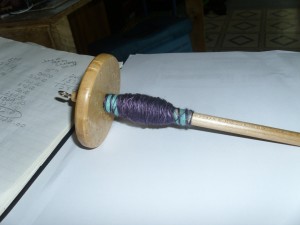
Here is my sea cell fiber all spun dyed up with cushing’s direct dyes in purple it took beautifully. I found that it spins up a lot like wool, it’s very grippy. However, the sheen on it is like silk.
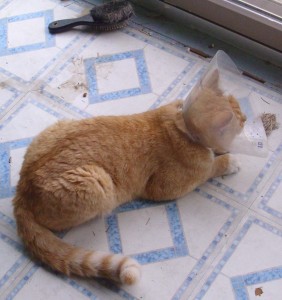
Poor Baxter had to go to the Vet yesterday. He has an abcess from picking at his ears. Darn earmites I just can’t seem to get a handle on them this year.
Tags: , , , , , , , , , , ,

Deyaneria on May 31st, 2011

There doesn’t seem to be as much information regarding Sea Cell fiber as there is for other materials. I have scoured the internet for how the fiber is processed. There seems to be some secrecy on the production process as companies don’t seem to want to share their trade secrets.
Onto what I did find : In 1997, the CEVA (specialist in the study and enhancement of algae) at the request of couturier Olivier Lapidus developed an unusual research project,a marine plant fibre suitable for spinning, weaving, dying and washing, just like cotton. The result (a jacket made of silk piqué, cotton, algae and cornflower) was presented in the Spring-Summer 1997 collection, 25kg of seaweed were needed to make the necessary fabric. The couturier and CEVA are currently continuing to develop joint projects. The seaweed species, the techniques and the processing costs are classified  an ” industrial secret “.

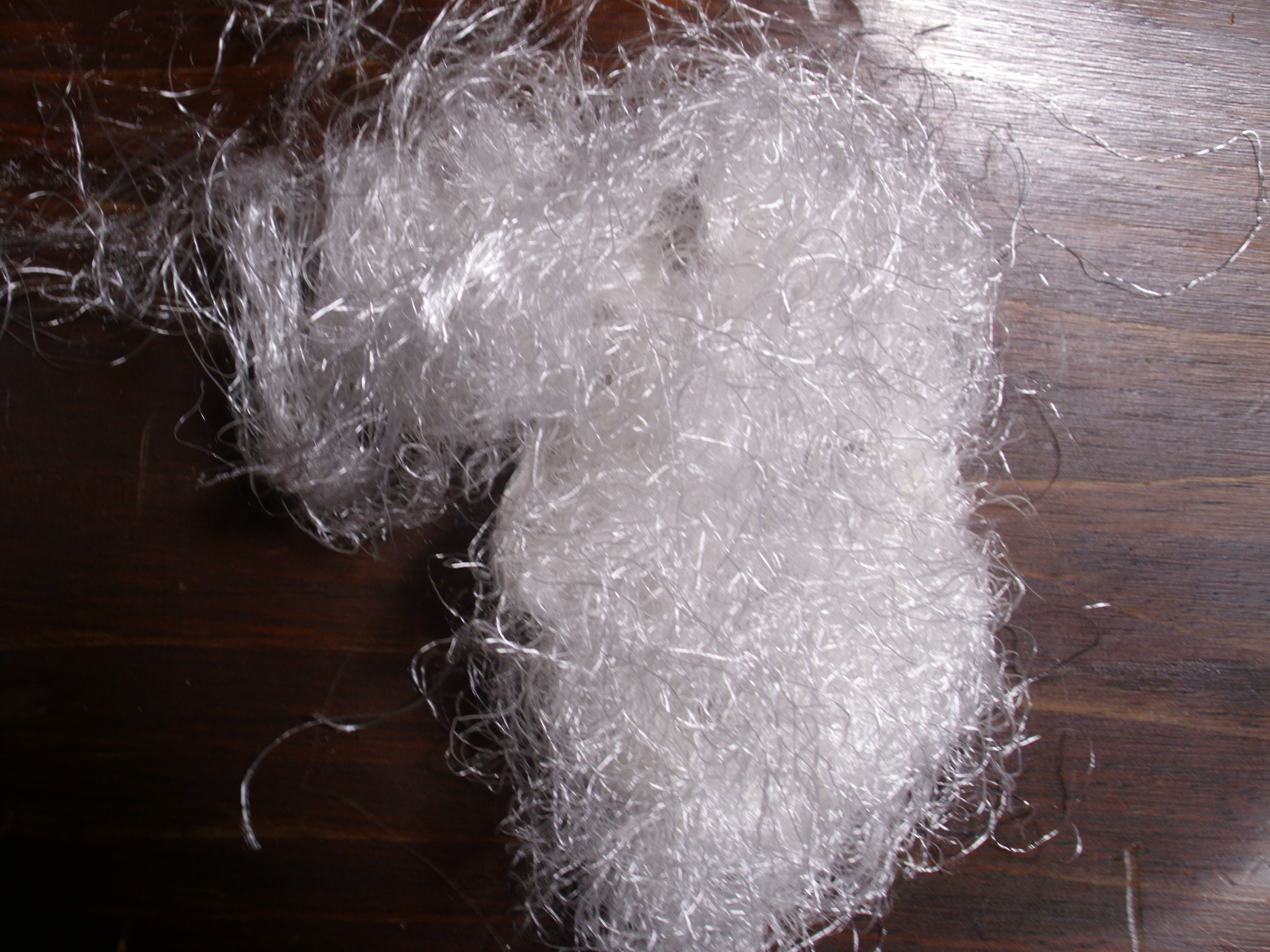
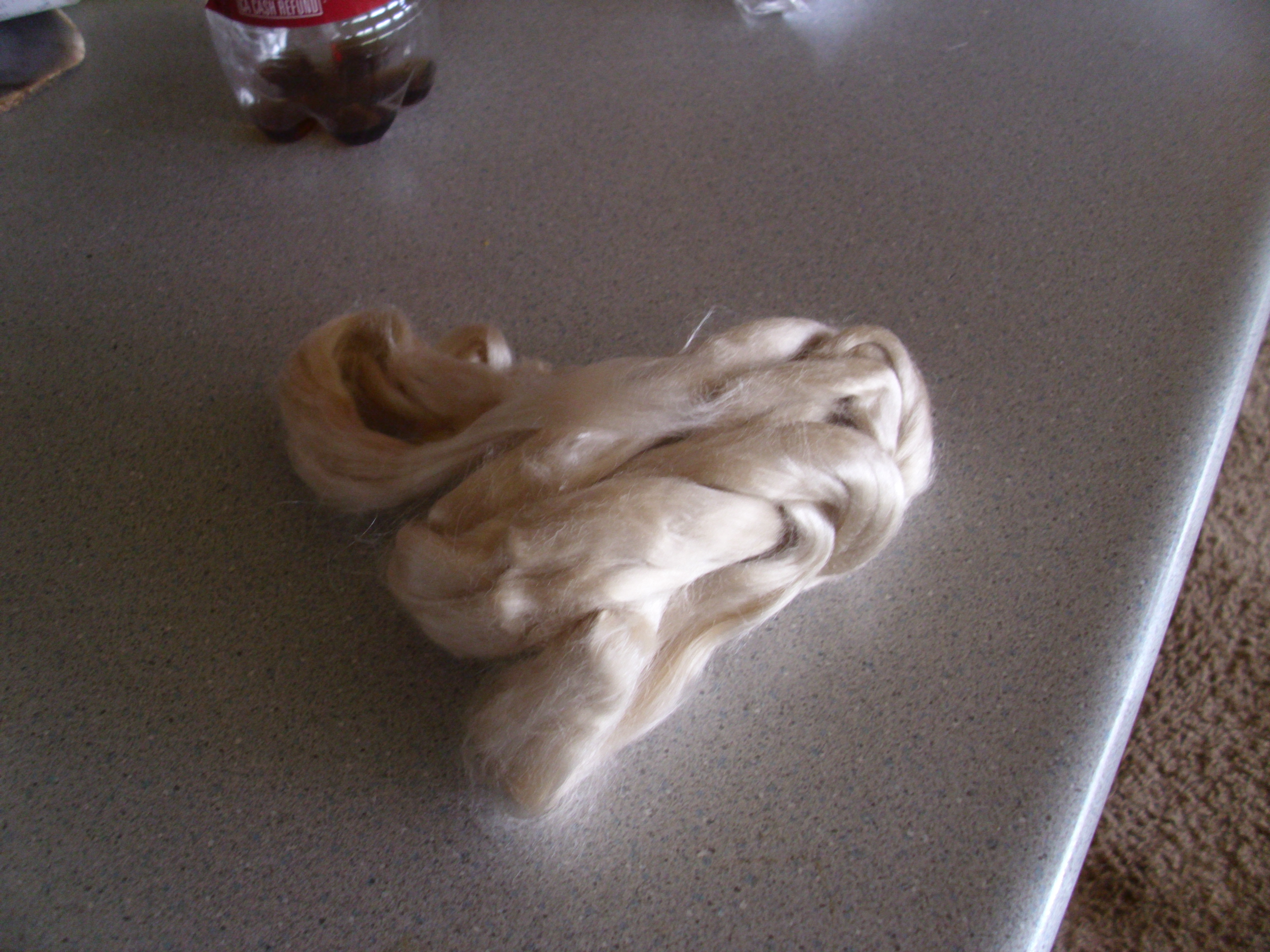
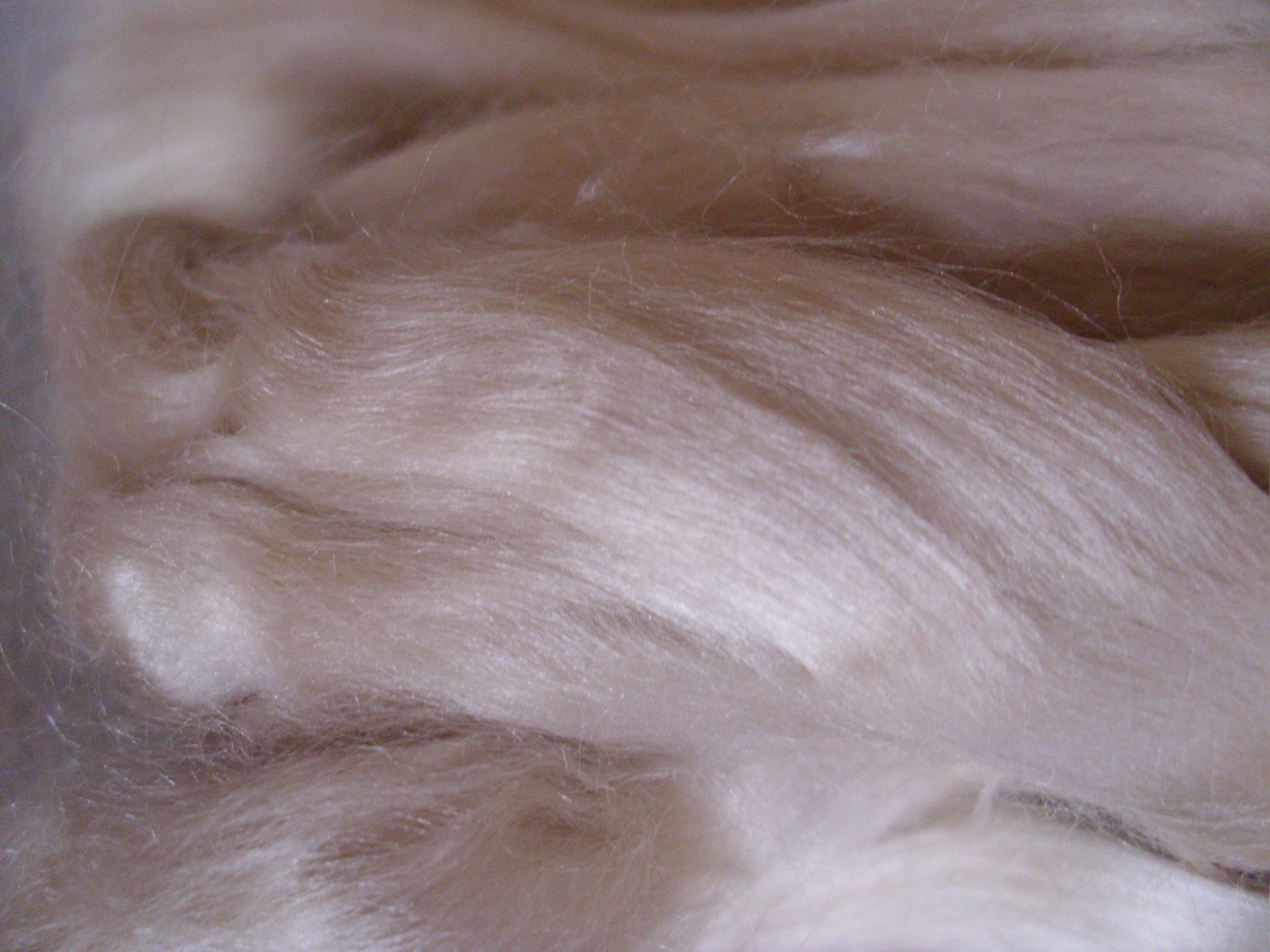
Here are a few pictures of my undyed sea cell fiber.

I found the fiber to be quite silk and light it doesn’t seem as dense as some other plant based fibers. The handle is quite soft and I can’t wait to see how it dyes up.

It has been quite a week with softball games, chorus concerts  and parades. Whew! The kids are done with all that stuff for the year. Now maybe I can get back to a more even keel:)

Tags: , , , , , , , , , , ,