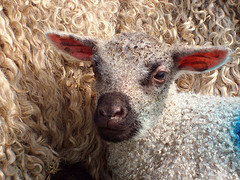
Deyaneria on March 23rd, 2012

I was thinking I  could do a vlog by this Friday. Yea right! What was I thinking ? lol.  I’m laughing at myself for my naivete. I didn’t think about things like a background, mood and feel, what I would talk about, and most importantly what I would call it. I was able to work out most of those things, like the background which is gonna take me a few weeks to finish. I have decided to format it as that is how I work best. 

I could really use some help of naming it as I’m having a really rough time deciding and the hubs although trying to be helpful, hasn’t come up with it either. So give me a shout-out. Leave me a comment below on what you think I should call Friday’s Vlog.  I would love to hear your ideas.


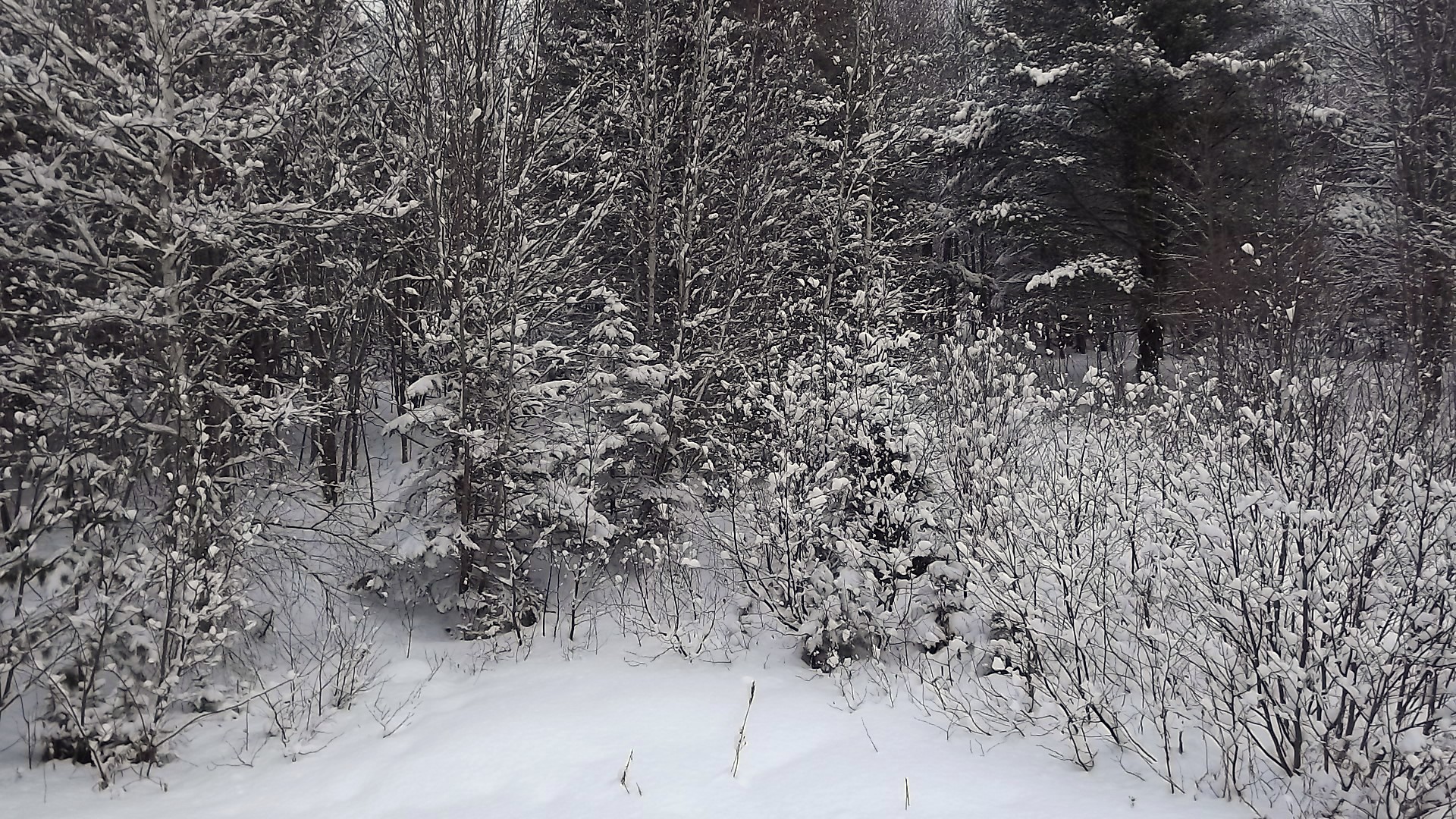
In other news I think we have green and spring flowers flowers. I was feeling behind the loop after looking at some of my other favorite blogs.


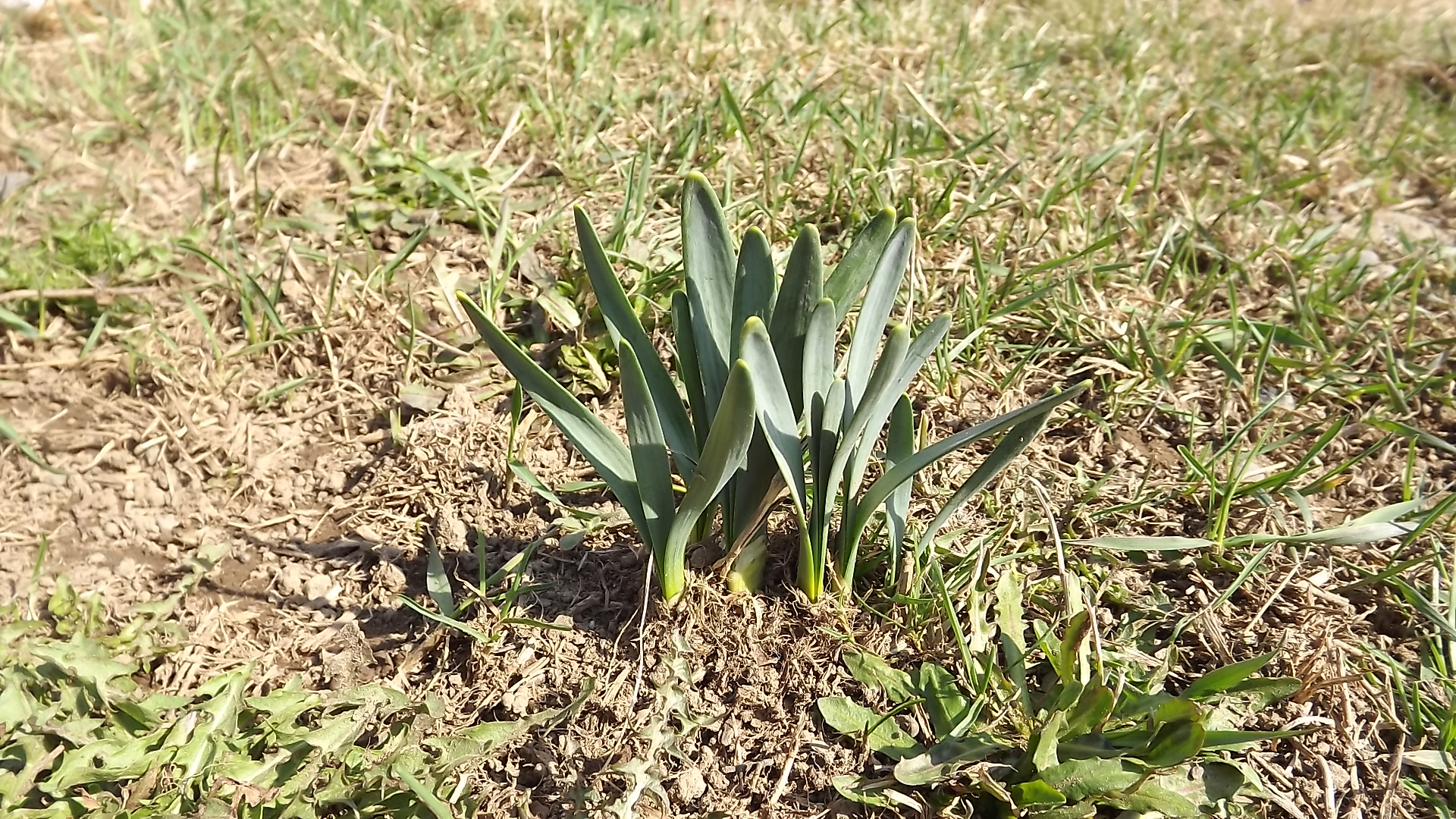
My daffodils sprouting 🙂


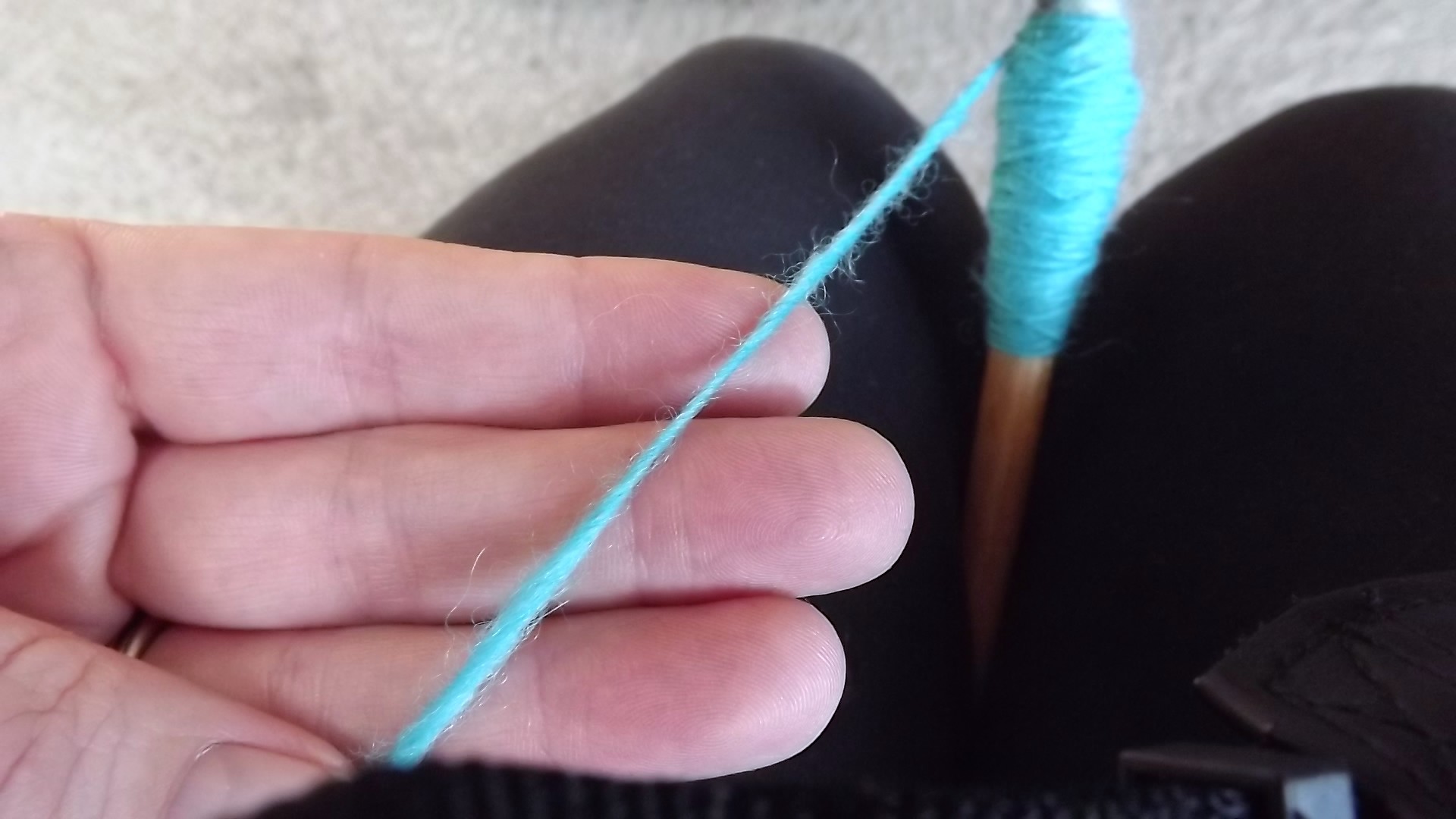
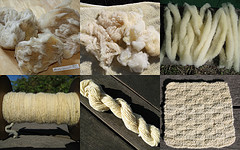
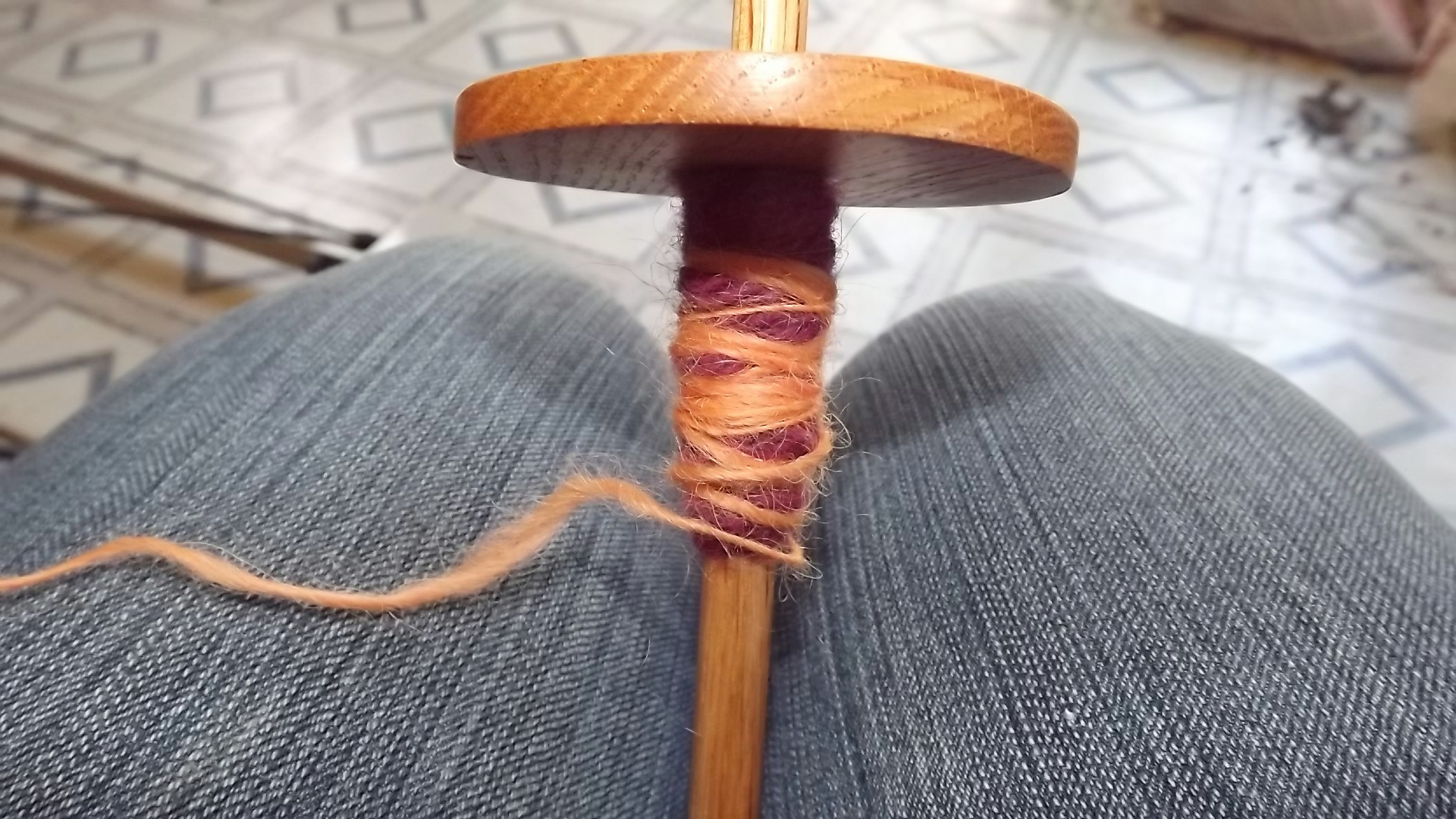
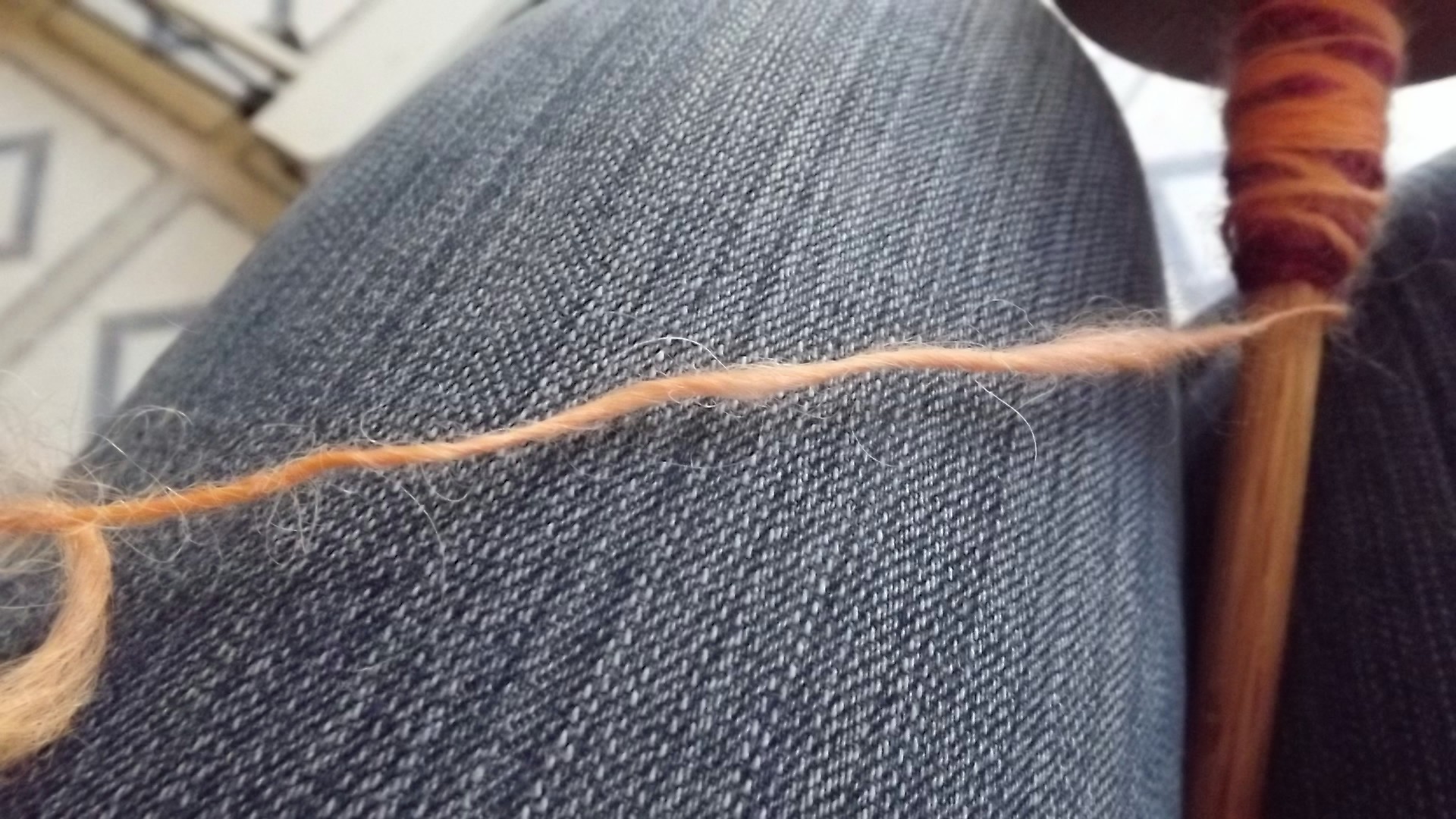
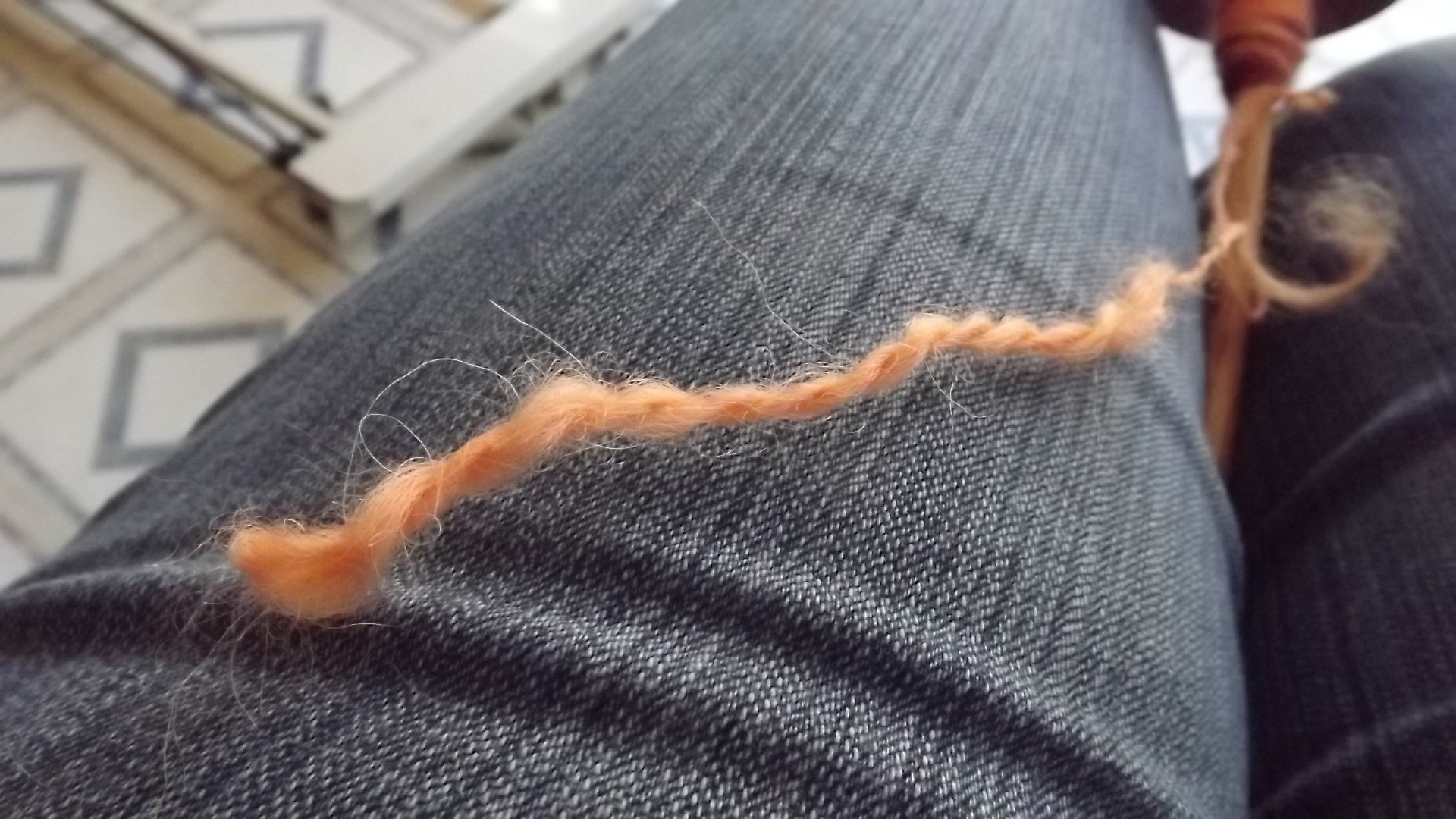
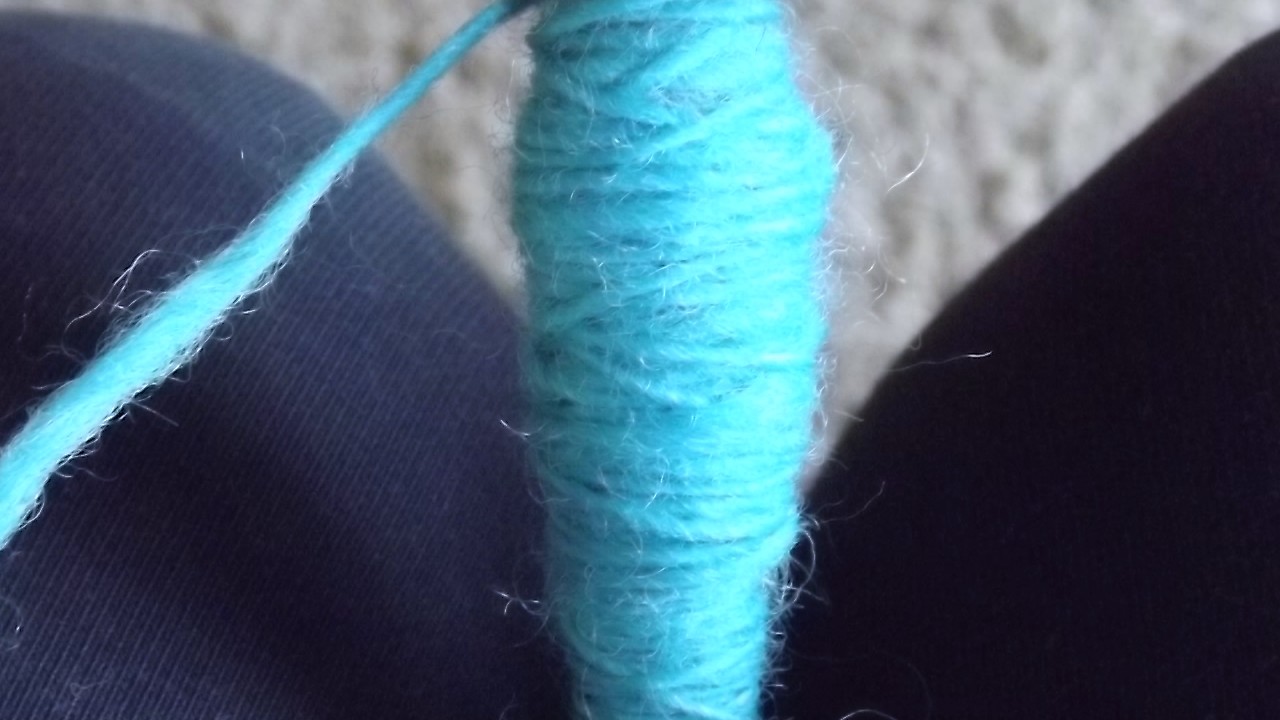
Here is some of the Old Norwegian fiber dyed and spun doesn’t it look great. It spins very easily it is almost slippery.

Norwegian wool dyed turquoise


single ply norwegian fiber2-ply sample


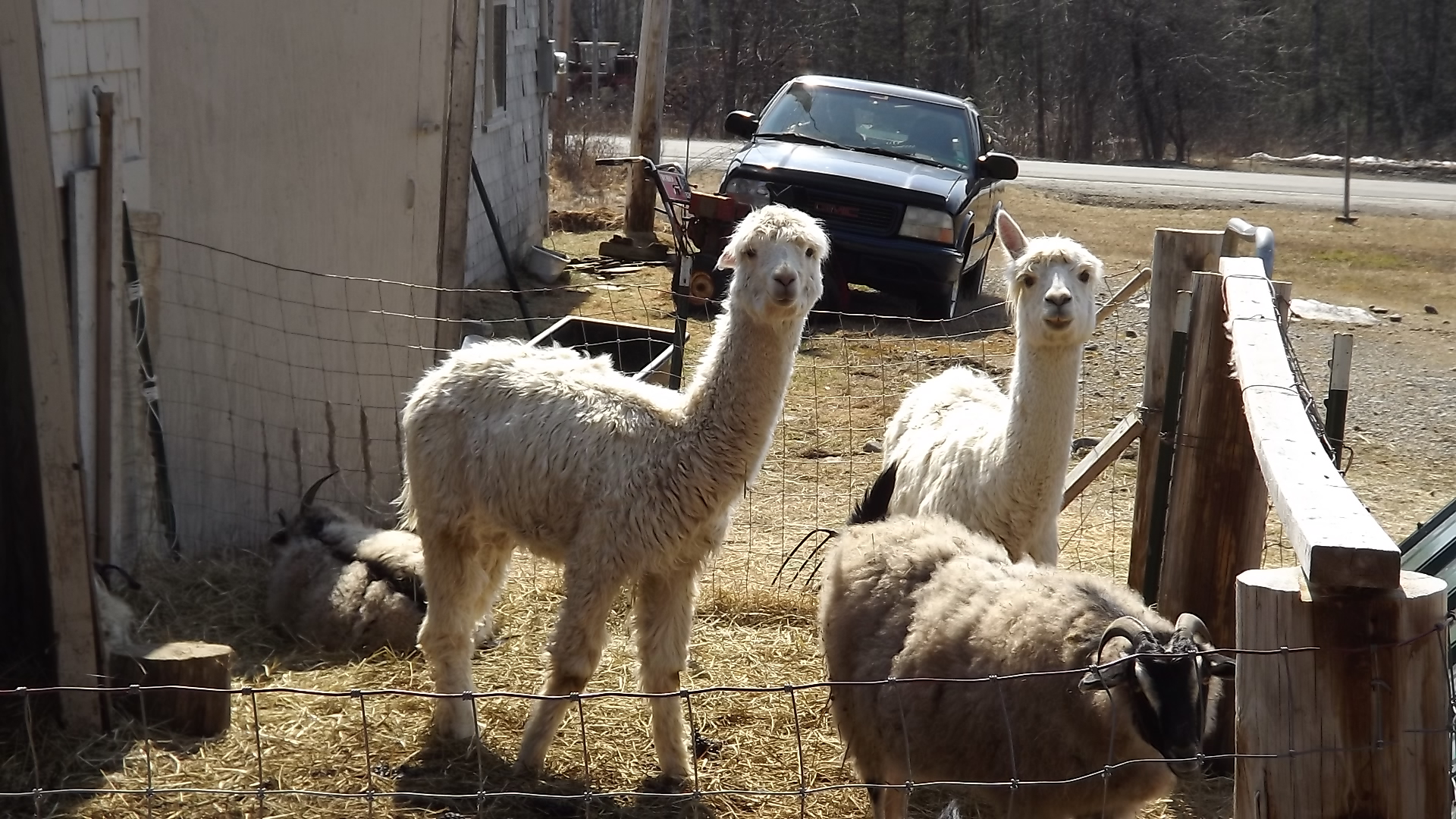
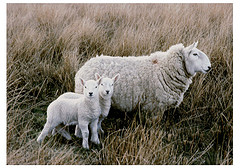
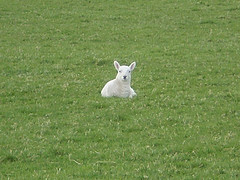
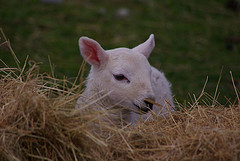
See how the animals are enjoying the weather.


Gavin and Francois enjoying the warm weather.

Deyaneria on March 21st, 2012


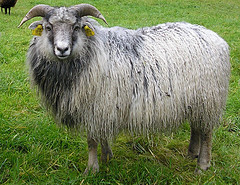
I wanted to explain these sheep in a bit more detail because they have some wonderful characteristics.  Information from OK State as I couldn’t put it better.The sheep are small framed, with good legs and a fleece varying in colors. Normally the sheep shed their fleece naturally in early July. All the males of this breed are horned and approximately 10 % of the ewes are horned and the rest are polled. The horns on the females are short and goatish. The males have normally well-developed mouflonlike horns. 

Shorn Old Norwegian courtesty of bagatell on flickr


Old Norwegian Sheep have a well developed flocking instinct. This breed of sheep has a unique pattern of flight (escaping an enemy). This also makes it suitable for use in grazing areas with predators. This flight behavior makes it difficult to handle them with normally trained sheep dogs. The dog will only come back with a few animals because the weak ones escape the flock and hide till the animals in best condition are left with the dog. The same flight pattern will occur on the grazing land where a small group of the best animals will end with the predator and exhaust it. There is normally little, if any loss at all of Old Norwegian Sheep to predators compared to other breeds in the same area. More research is needed to prove it.

What a handsome ram shared by Marthe Marie Meltzer on flickr

The maternal instinct of the Old Norwegian Sheep is very strong. The ewe leaves the flock to give birth from 12 hours to 3 days before the lamb is born and stays alone with the lamb for another 3 to 6 days before returning to the flock. The lambs are strongly defended against enemies if necessary. At the age of 14 days the lambs are developed enough to follow their mothers and to join play-groups of lambs as well. Adult males weigh on average 43 kg (95 lbs) and females 32 kg (70 lbs).


I just want to run my hands thru this ewe's wool picture courtesy of storeknut


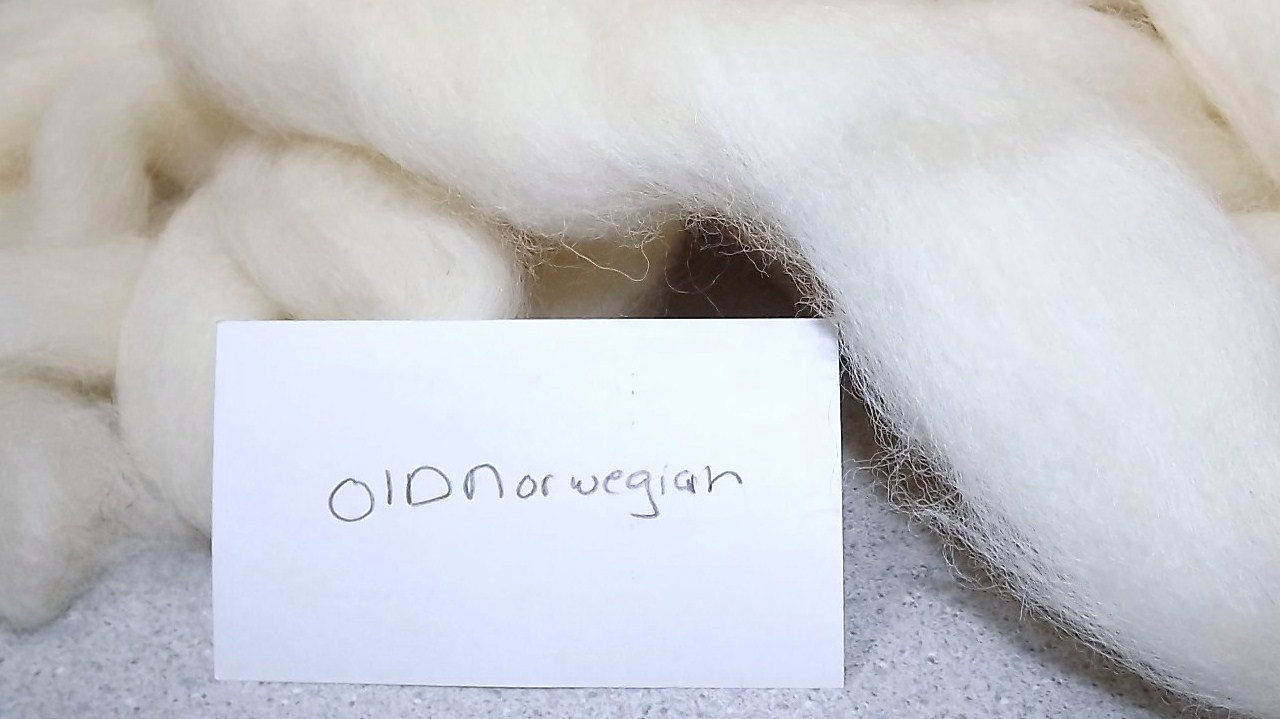
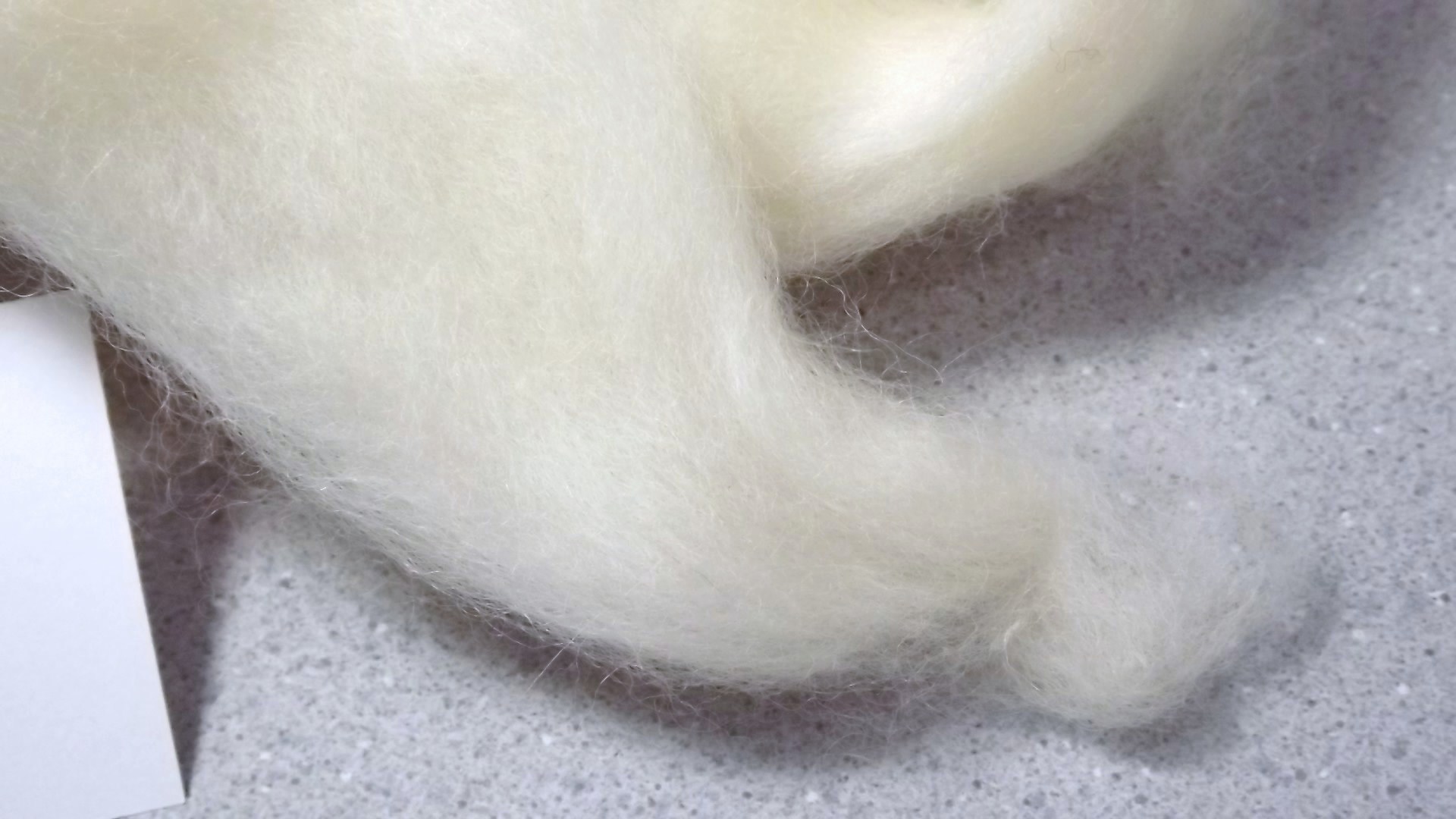
The fleece can be rooed as this more primitive breed retains the ability to shed annually. They average around 3pds of fiber with a dual coat that can be separated or spun together. The staple is from 3-5 inches and the micron count is from 30-36.

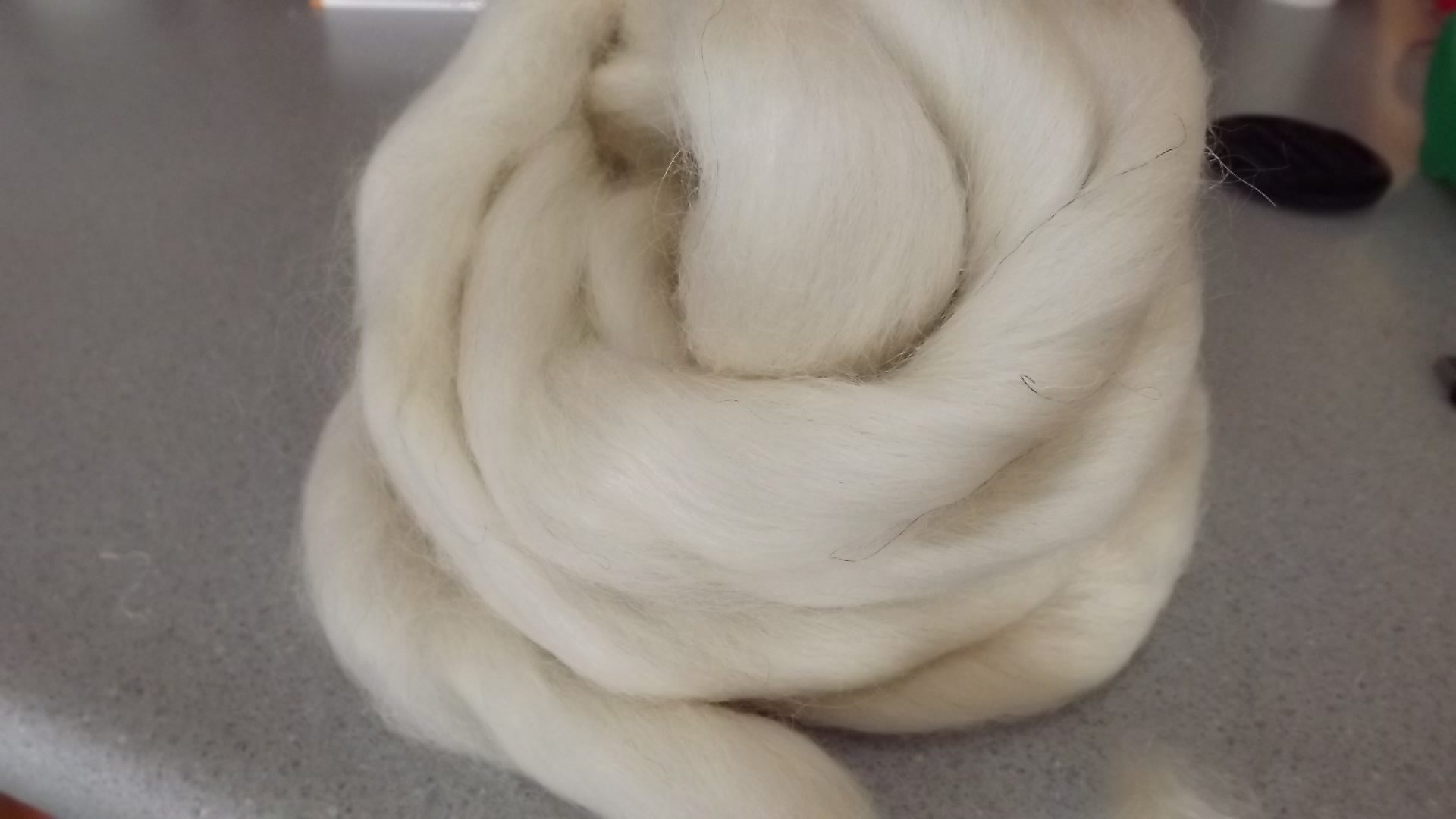
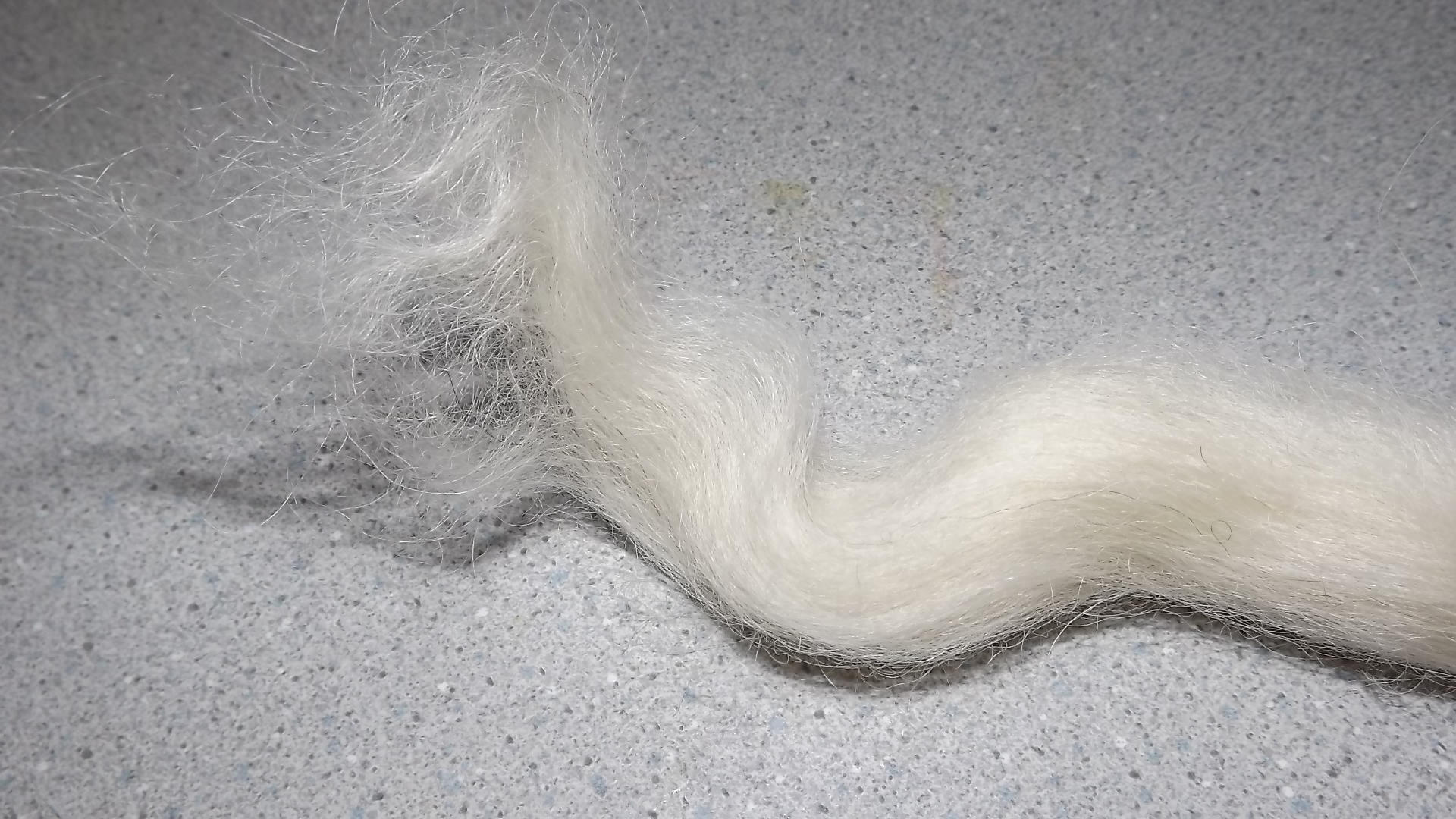
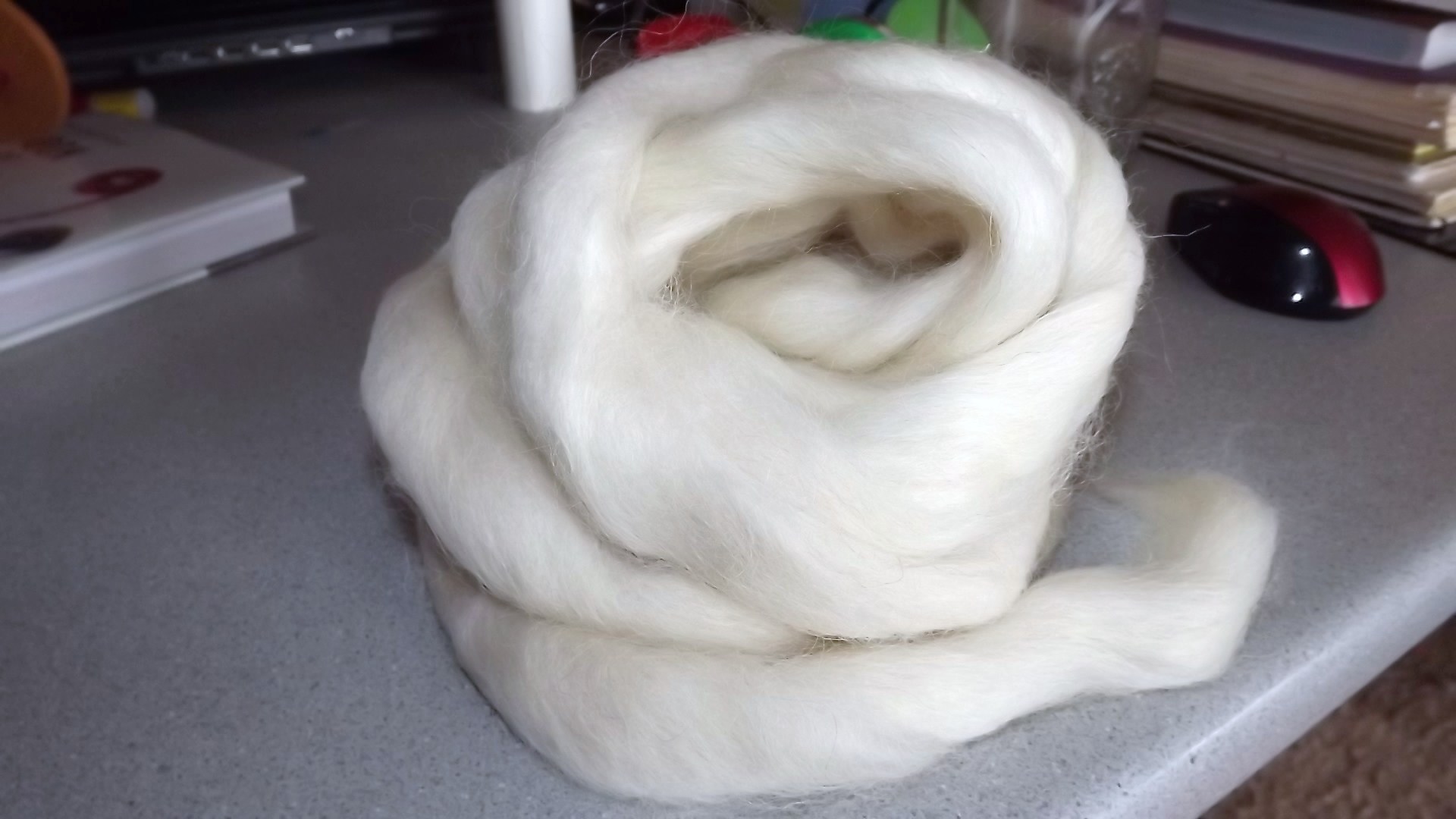
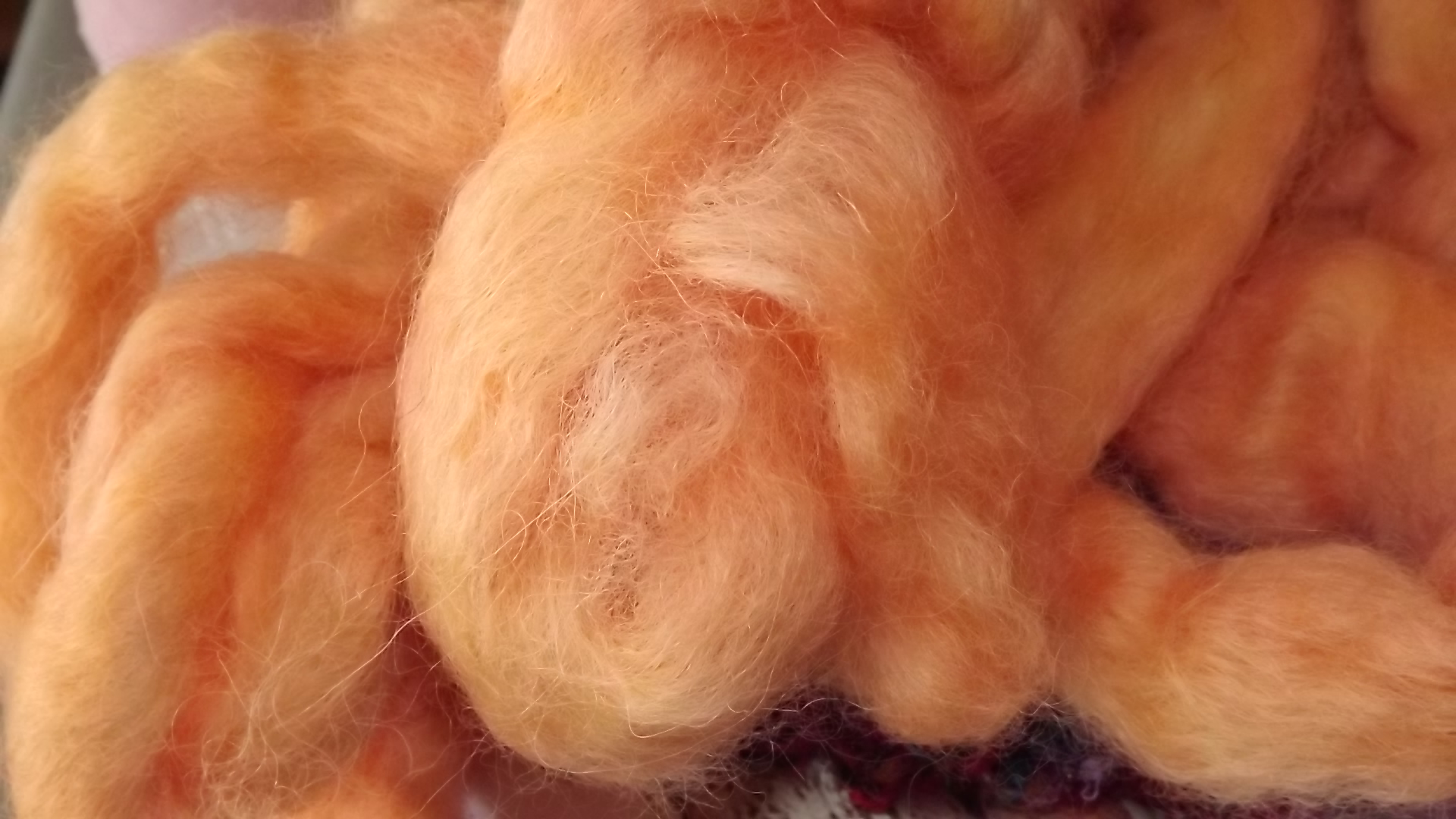
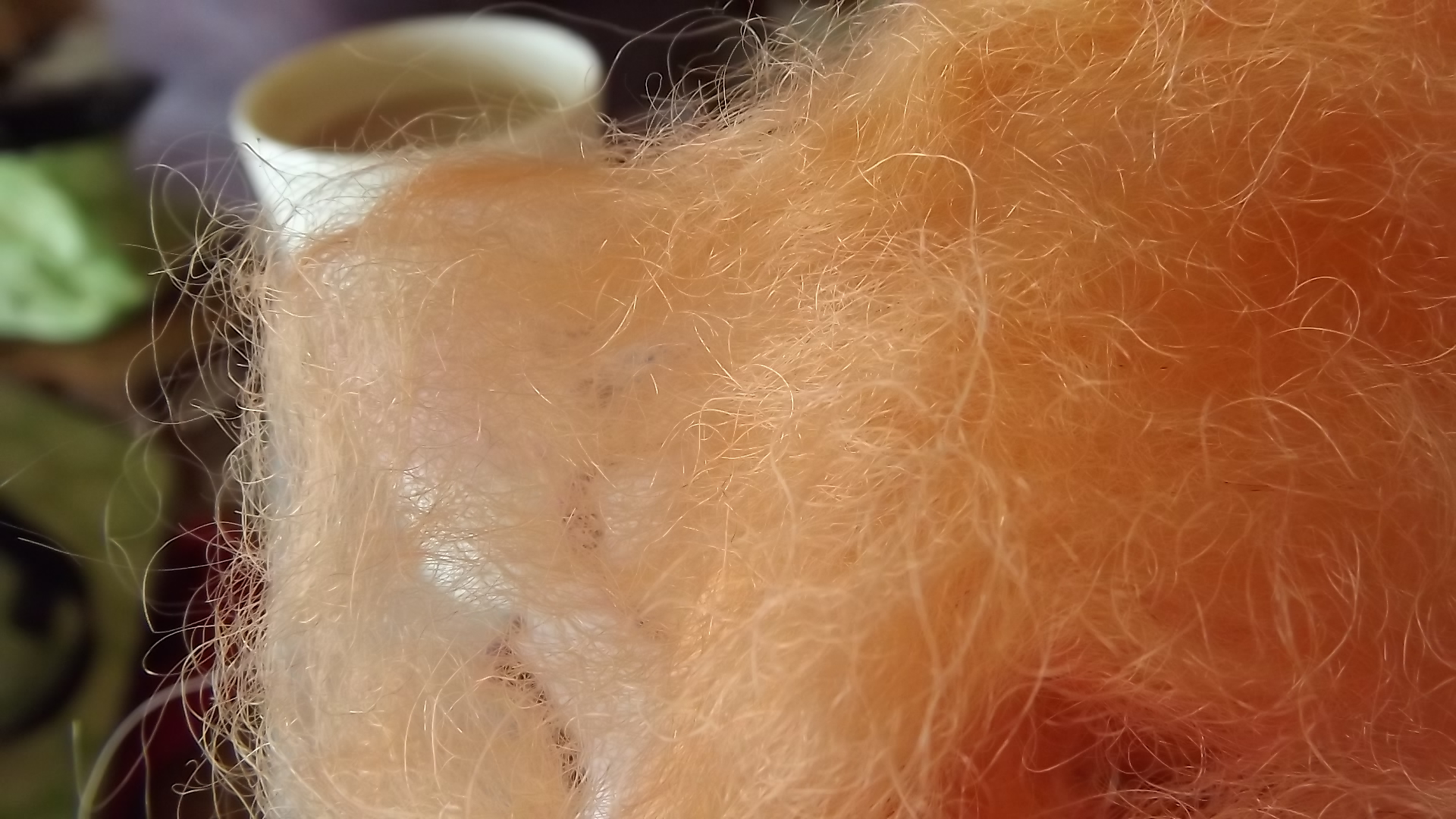
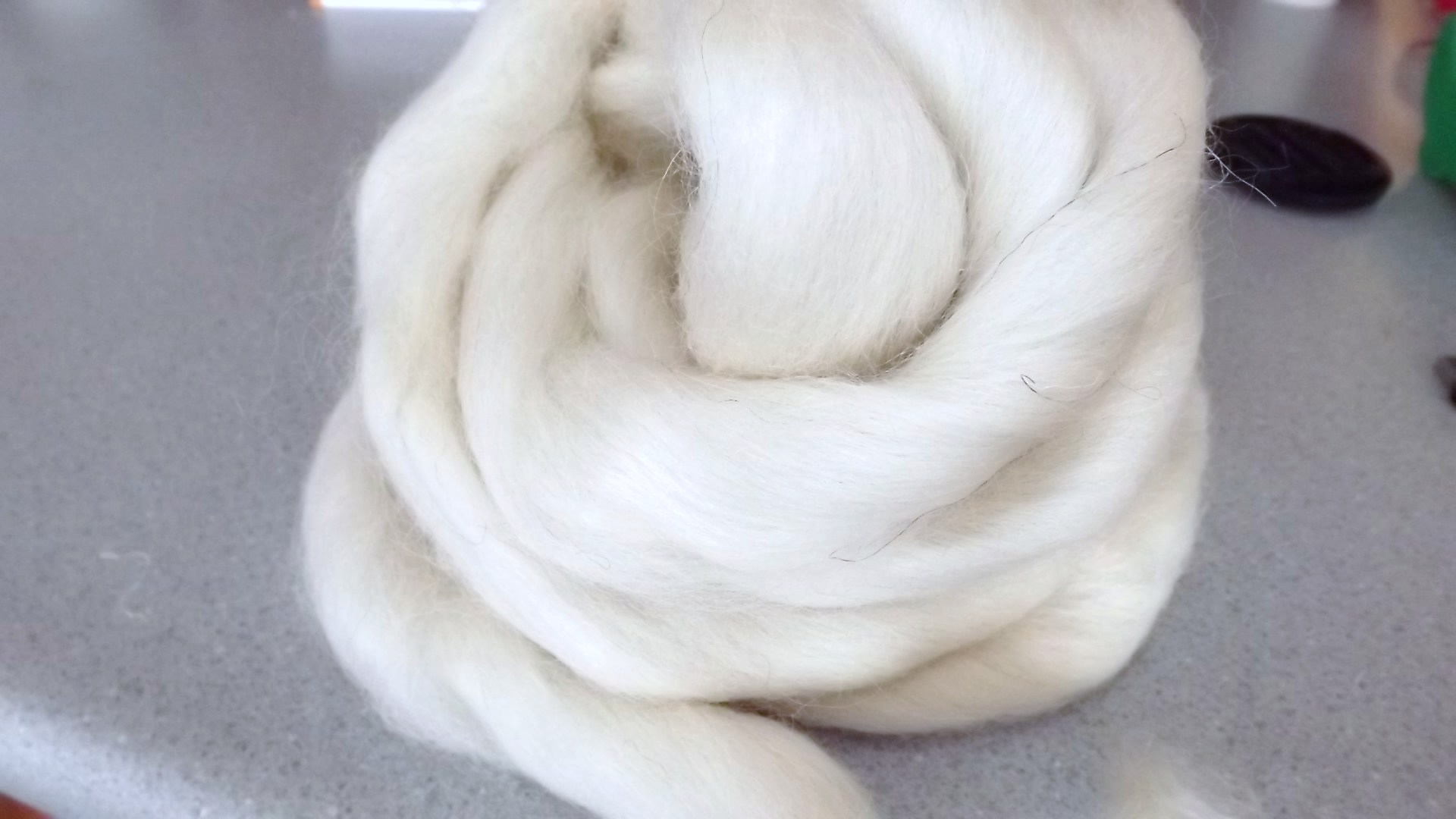
Here is my Norwegian Top

norwegain top


close-up of norwegian top

Deyaneria on March 19th, 2012

I really had to do some research on this sheep as it has a confusing history and is really old.  My usual resources weren’t much help either.
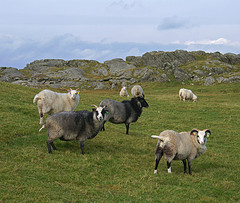
Gorgeous Villsau Sheep courtesy of Randihausken on flickr

Here is what I have been able to gather from Oklamhome State U. Old Norwegian sheep or Villsau are one of the oldest breedsin the world. It seems they are ancestors of many other breeds in Norway and the rest of Scandinavia, including Iceland and Faeroes, and was probably present on the Western islands as well. Although it may sound like these sheep are endangered. The population of Old Norwegian Sheep numbers around 10,000 animals. This number is in great contrast to the situation around 1955, when the breed had almost disappeared. Other sheep breeds , new agricultural methods, and  a  misunderstanding from the society for the prevention of cruelty to animals led by high society ladies in Bergen, almost set the rest of the breed on the road to destruction because of what they believed to be mismanagement of domestic animals. So Villsau are wild sheep?
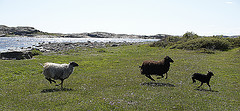
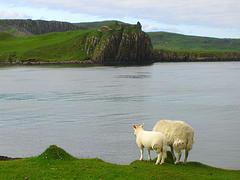
Villsau by the sea by slowpic.org

And then I read this from the Norwegian Genetic Resource Center.

Old Norse is a descendant of the short-tailed sheep that once was common throughout all of northern Europe. Since the early 1700s, however, Norway imported sheep from the UK. In 1912, two breeding stations were established to conserve the remaining native sheep population. One of these stations bred the coastal sheep on which today’s Old Norse is based. The other strain is the inland type the basis of the Norwegian Spael. Old Norse is often also called villsau (“wild sheep”). However, the term villsau is not the breed name, but rather a brand name that combines breed and production method, mainly used in product marketing.

Ok So Villsau are domestic sheep?
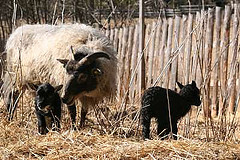
Beautiful Spelsau sheep by Ullsmeden on flickr

I’m still confused and to make it even more bewildering. I decided to go to “the fiber and fleece source book.” There was no listing for these sheep instead the index sent to me so Spelsau and Old Spelsau. 

So now I have 3 “breed/type” names and my confusion is growing. Off I go back to the Oklahoma State University site on sheep breeds and I find this:  Spael sheep (Norsk Spael Sheep, Spælsau )

The Norwegian Spael sheep is named after the short, nearly wool-less tail (spælen). It originates from the old Norwegian landrace of sheep. In 1912, two breeding stations were established to prevent extinction of the breed. Icelandic sheep were crossed onto the Spael sheep through semen import in the 1960’s and 1970’s. Finnsheep and Faeroe Island sheep were also used in the breeding of Spael sheep.

Ok so Spael, spelsau, and spealsau are the same thing.
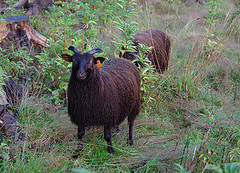
Lovely Spelsau sheep by sirispj on flickr

In conclusion this is how I figured. There were a bunch of landrace sheep running around Norway and nearby areas. Instead of breeding them with the incoming sheep they wanted to keep the breed as “pure” as possible. They split into two types the coastal sheep and the inland sheep. This is the Old Norwegian breed of today.
 

Deyaneria on March 18th, 2012


You may have noticed a few changes around the site. I have removed the store. This decision because the store wasn’t what I wanted it to be. The Etsy Boutique and Art Fire Shop will remain. I also came to the realization that other things were suffering and I cannot do everything lol.  However I also have some plans to change somethings up. This week starting on Friday I will be starting a vlog.  I hope this will be entertaining and informative. Drop me a line in the comments and let me know if you like the idea, hate the idea or have a subject you want me to talk about. How about some green sock yarn for St. Paddy’s Day?

Deyaneria on March 14th, 2012

As I mentioned in the previous post Cheviot sheep are divided  four different cheviot breeds. I thought maybe I would investigate this further.

border cheviot sheep by water watcher 05


South Country Cheviot (Border Cheviot) are thought to be descended from sheep on a Spanish armada ship that wrecked off the English coast around 1588. These escaped sheep migrated to the Cheviot Hills.  They are around 130-200 pds at full growth which makes them a good pasture sheep(not needing grain supplement).  Fleece weight runs from 5-14 pds and the staple length is form 4-5 inches. The micron counts from 27-33.

Border Cheviot fleece in stages of processing by nancyb3565 on flickr

The north country cheviot  come from northern Scotland and then Canada in the1940’s. The fleece weight is about 5-10 pds and the micron count is often between 27-30 but can range from 27-33.

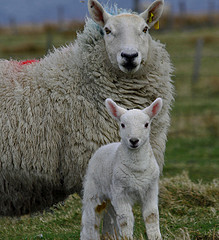
North country cheviot ewe with twin lambs by penlandpirate on flickr

Brecknock Hills cheviot was created by mixing native sheep with border cheviots a dash of leicester was added later. There seems to be some controversy about this sheep and how it is in the cheviot family as some consider it a welsh mountain sheep. However the knitty gritty is that the standards and fiber can be a bit different. They are smaller than other cheviots almost miniature size by my reading (most are about 23 inches). The wool is a bit finer and can be a bit kempy and hairy although this is discouraged. There is a full range of colors.


Brecknock Hills Cheviot flock in winter by sheepkeeper33 on flickr


Brecknock Hills Cheviot in Summer by sheepkeeper33 on flickr


American miniature cheviots according to the breed standards are a maximum 23 inches tall. Ewes weigh from 45-85 pds and rams weigh in from 55-100 pds. The fleece is 3-7 inches in staple and wights up to 8 pds and can be multicolored or other colors like black, tan etc. They call these painted sheep ( i love that “painted sheep” what great terminology).

Miniature cheviots by www.sweetheartminis.com


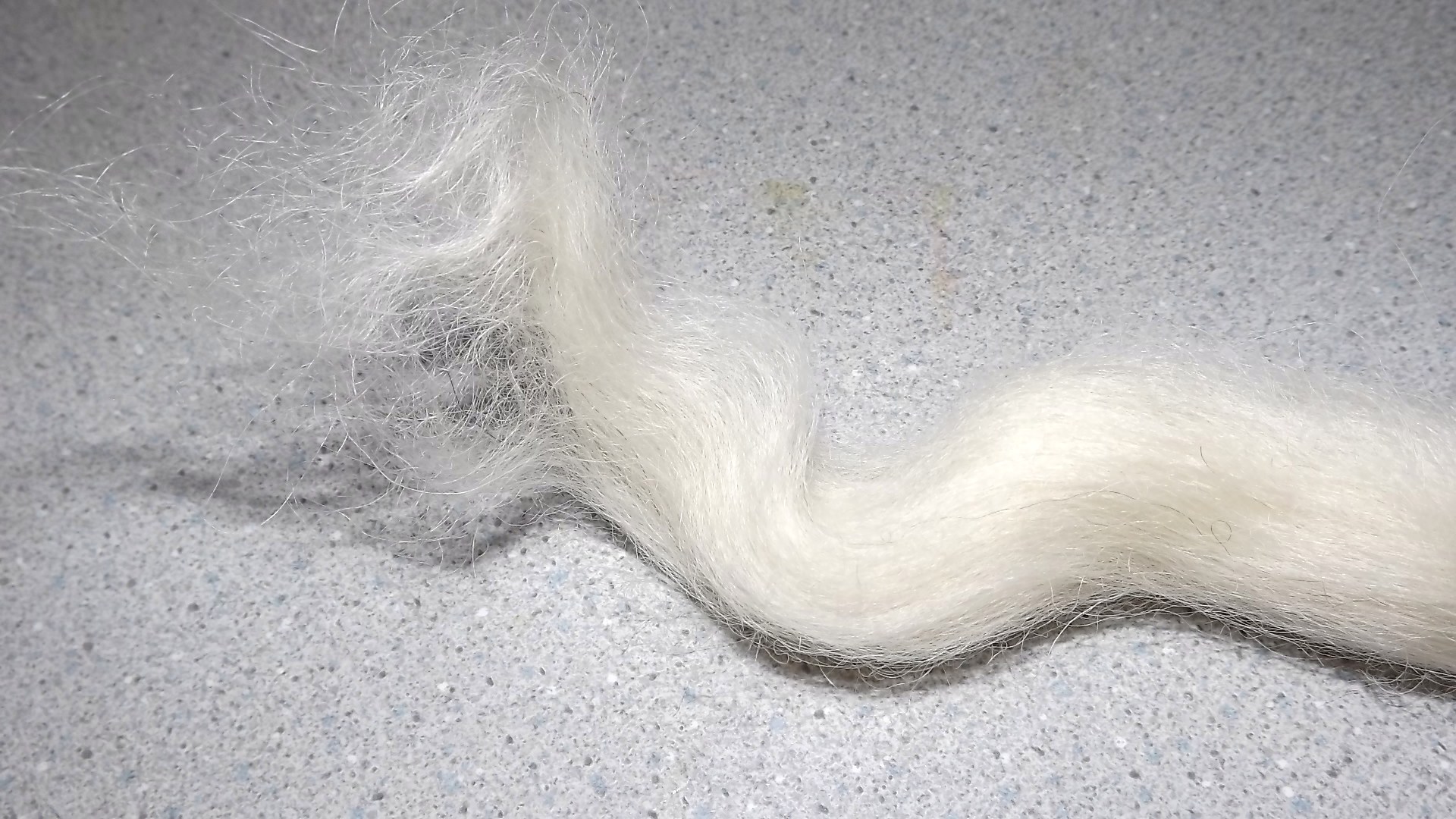
All of the wool from the different breeds is low luster and takes color beautifully. It is described a chalky meaning it doesn’t have luster like the longwools do.  I also  noticed while I was playing with my fiber that it had a few dark hairs in it. Maybe I got the Brecknock Hill Cheviot fleece:) Over all the crimp was crazy going in all directions which was really noticeable after I dyed it. Pictures to come on friday as lighting is really bad today.
 

Deyaneria on March 12th, 2012

Cheviot sheep in Scotland by Sam Blackman on flickr

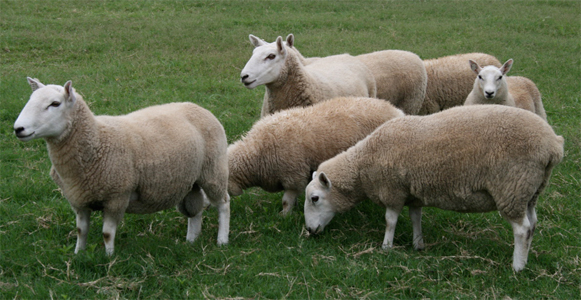
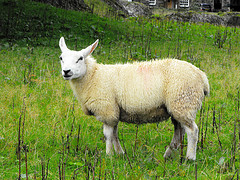
Cheviot sheep are more of a family of sheep than one breed. There were originally 3 breeds within the family they originated in the british isles. Their names were taken from different areas in the Cheviot hills that run along the border of England and Scotland. The first of these breeds was the Border cheviot (also called the south country cheviot). The names have changed a bit over the years now you may hear them referred to as Cheviot or American Classic Cheviot. The other traditional breeds are Brecknock Hill Cheviot (welsh) and the North Country Cheviot( from the Scottish Highlands).

cheviot sheep by ambersky235 on flickr

There is also a newer breed of Cheviots here in america called the North American Miniature Cheviot. These are thought to be from the original Border Cheviots but no one knows for sure.

Cheviot ewe with lamb by Donald Macleod on flickr

These breeds to share the same look. The faces are wool free. The eyes are ringed dark(think raccoon eyes). the nose is also dark. They do have a beautiful roman noses. Most of these breeds grow only white wool but some Brecknock Hill and American Miniature Cheviots have been known to produce some nice colors.

In the 19th century, the Cheviot became more popular, as its wool was used in tweed cloth that was in use at that time. Now cheviot is a dual-purpose sheep in a more compact size.

Still too small for his ears! picture courtesy of oorwullie on flickr

Cheviot Sheep are quite hardy.This is a breed  that was bred to look after themselves, Cheviots need less husbandry. They lamb easy and have a strong mothering instinct. They are also resistant to many of the pitfalls that can occur with other breeds (such as foot-rot and worms). 

Too cute to leave out! picture by Jack_Spellingbacon

Here are few pics of my cheviot fiber. It is suprisingly soft. Just the slightest prickle against the neck. I could wear a scarf made of it. In fact I wore the fiber as a scarf for awhile. It’s slightly crispy with a lot of bounce I think this is gonna be a fun fiber to work with.

Cheviot fiber


cheviot fiber close-up

Deyaneria on March 9th, 2012

Has anyone ever encountered technology-bigger than epic ***t fail? I think I may have hit that this week. Let me start by explaining that I have an htc desire cell phone. It comes with a bunch of apps I will never use like “stocks” and “footprint.” Well these apps are taking up valuable memory for things I would like to run and upgrade and have a use for like knitting stash and knit cards and gaugefy. I also don’t have the option of moving the apps to the sd card. I found that even updates to the most basic stuff ex. google search can cause internal memory errors.

my htc desire

After about 2 months of debating and clearing caches, and uninstalling everything I dared to install, as well as many of the recommended updates to vital programs. I decided to root my phone. Rooting the phone gives you access to all those programs you don’t have access to. It also negates your warranty as I never send a phone in unless it is rendered unuseale (many pieces or 10 yrs old), I am not too worried about the warranty.

As you can imagine there are many programs and tutorials on the internet of how to do this they are either very simplistic or take a tech to understand. I run between those two worlds as I was a software programmer 13 yrs ago. I’m not illiterate about it but I’m not right on top of it either. I spent basically 3 working days , many downloads, other operating systems, trying to root this darn phone. On one program I tried they neglected to mention that if you had a certain hboot number that the download wouldn’t work. You needed a program to fix that then you could do it but all was for naught as it was one problem after another like that. Needless to say it’s been a huge waste of time and effort on my part and now I really hate the phone.  The fact is that these companies pay to have programs put permanently on your phone and you are stuck with them. I want a phone that will do what I need and want it too not some predetermined programming that they think I may want and that I cannot remove.

Then the computer started acting up. My keyboard went dead right in the middle of this post. Things weren’t saved correctly and I had to rewrite much of it. I really hate wasting time.

Finally I looked at my husband and said the the computer was going to be drop-kicked out the back door and I was ready to use the phone for target practice. He then countered with taking me out for a coffee. He is such a great guy. He knows when I need to get the heck outta dodge for a spell. 

 I’m done ranting. I do have some fibery goodness to share today.
 

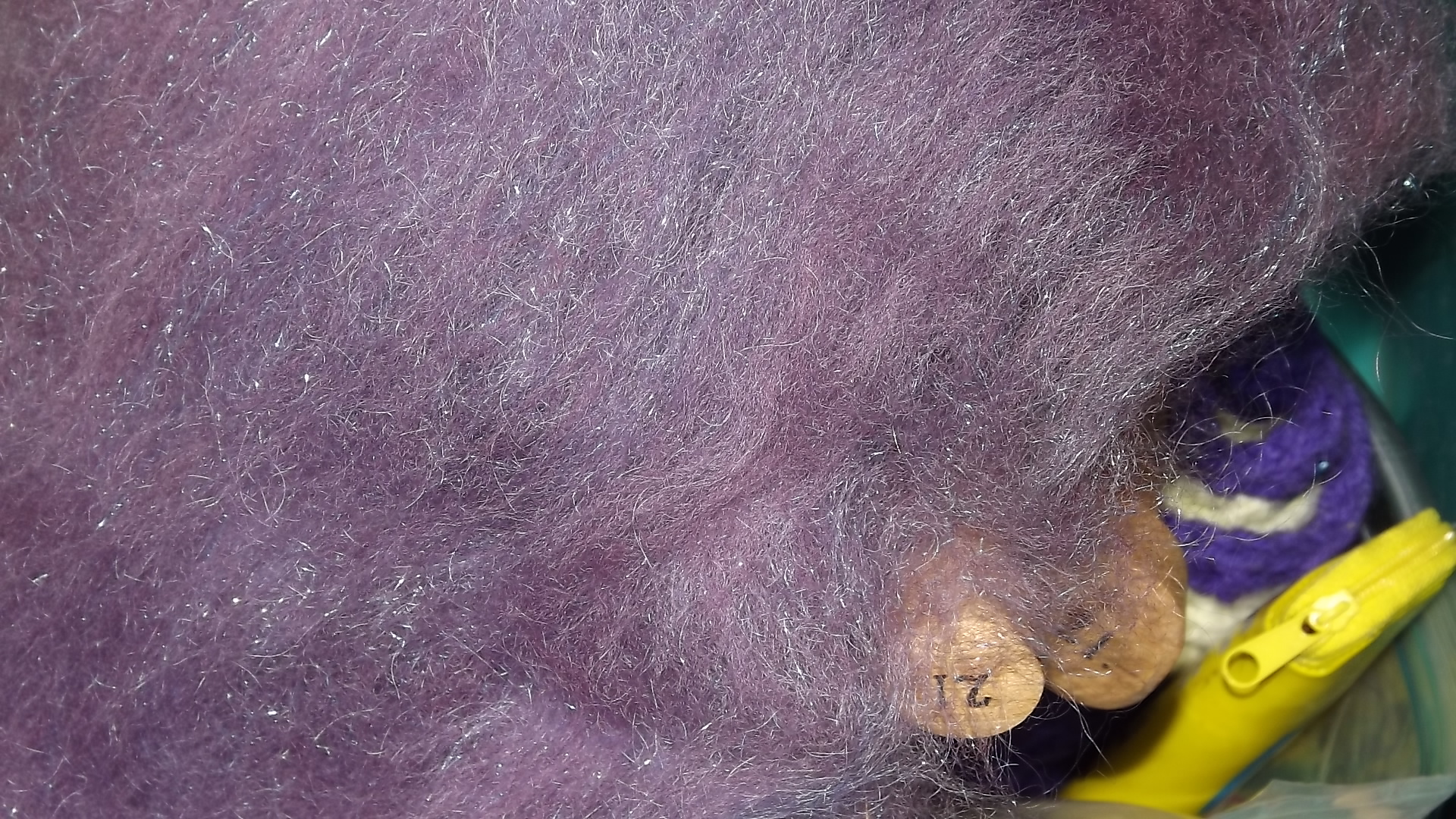
Moody

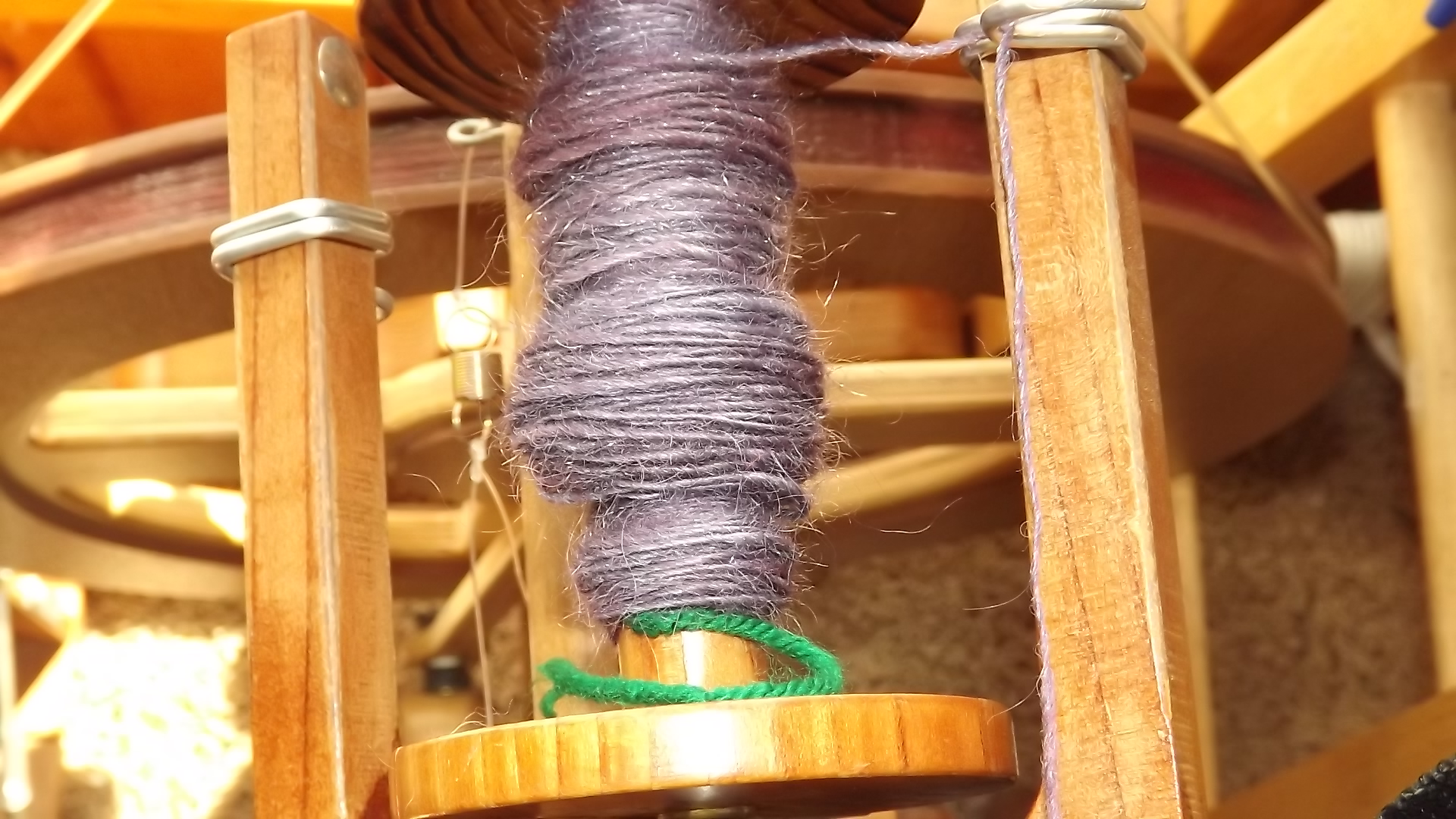
 I decided to spin up some of the moody colorway. I love the plum color:) 
Moody spun up


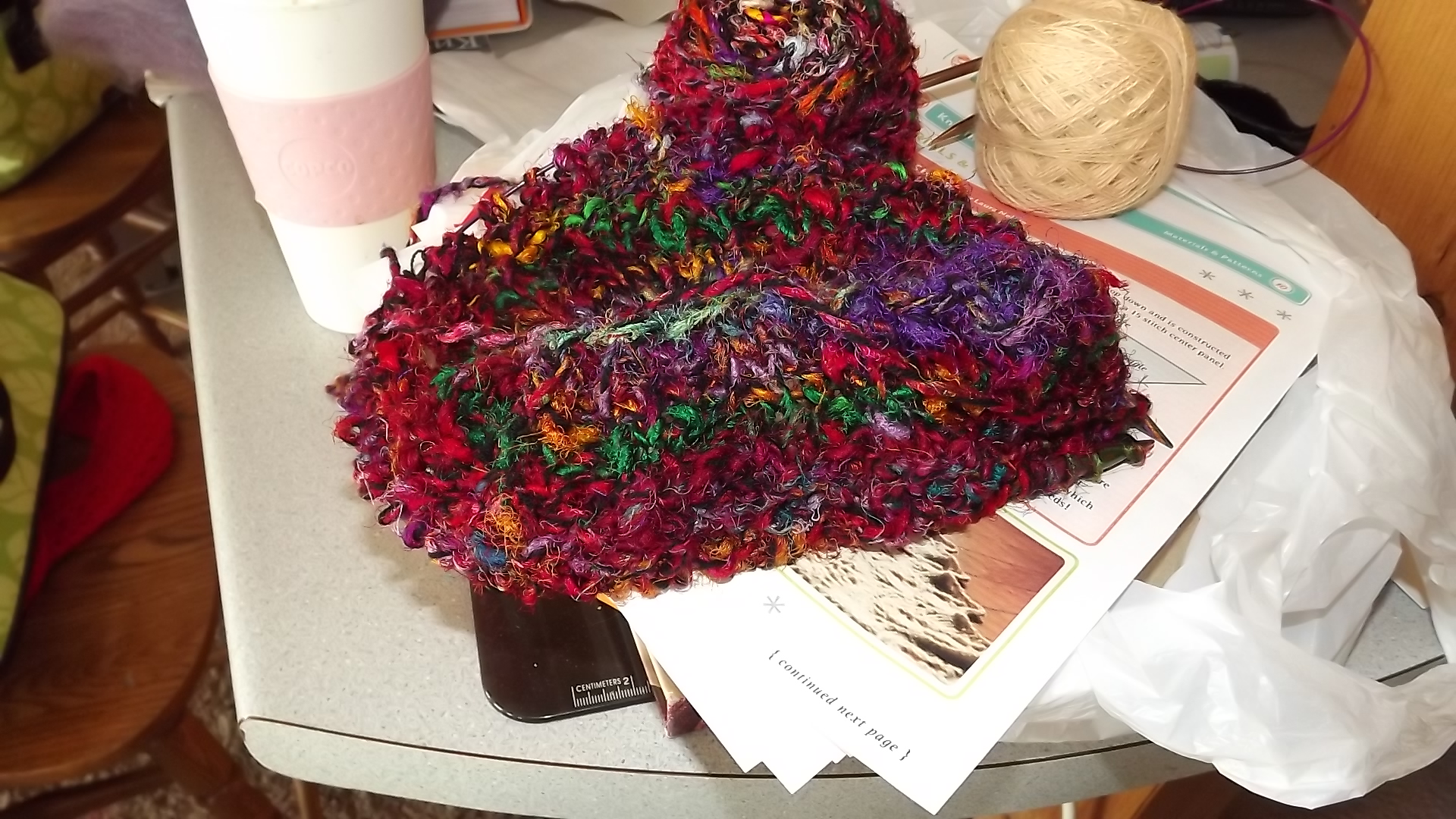
 Here is my latest knitting with some of darn good yarn’s stained glass yarn. It’s a mix of recycled silk plied with black wool. 

beret

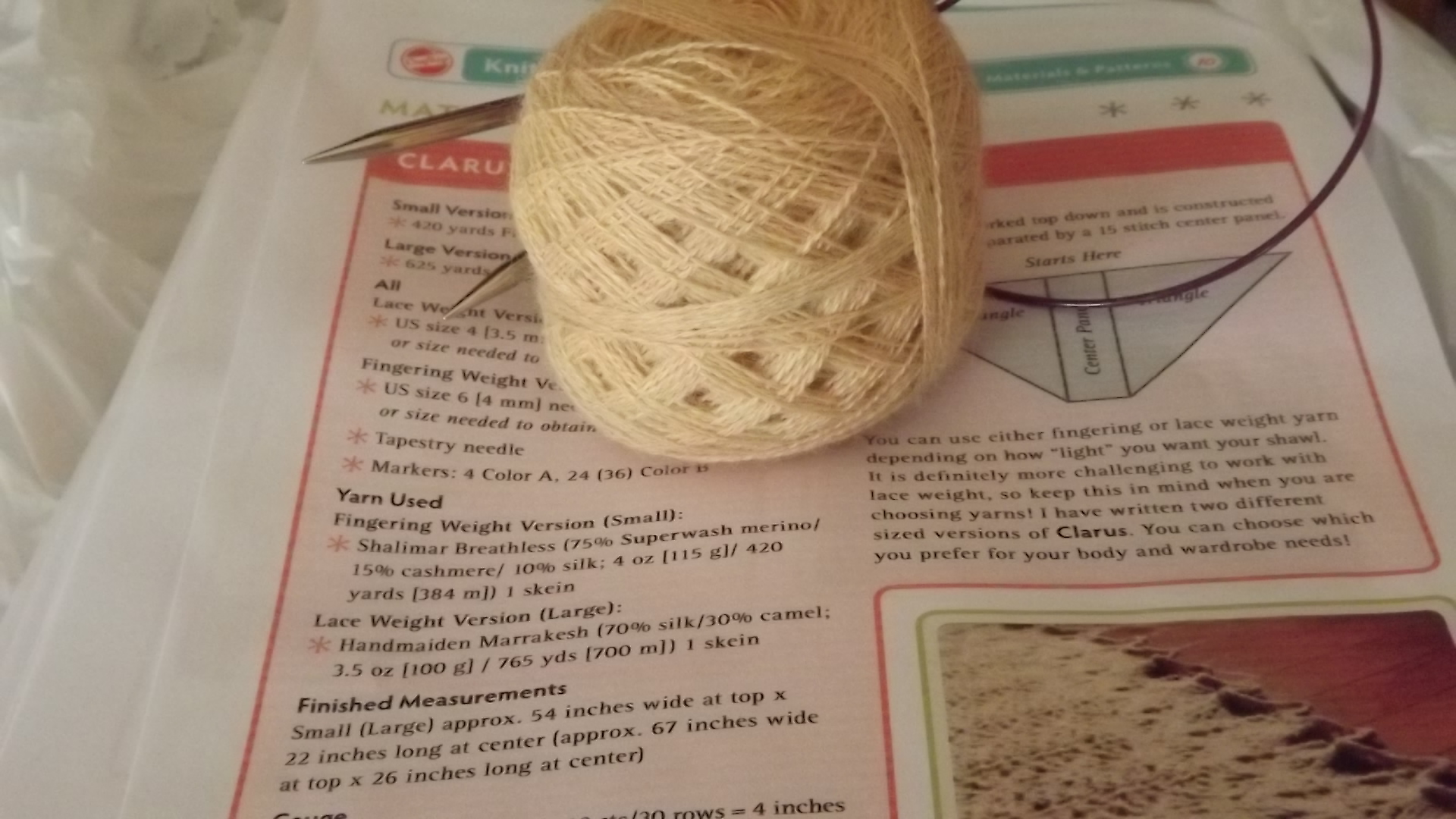
  I have also pulled together yarn and needles for my next shawl project. I think this misti alpaca lace will make a great Clarus by Laura Nelkin.

supplies for clarus

 
I also spun a bit of the masham fiber to share.

spun masham


single ply masham


two-ply masham


Deyaneria on March 8th, 2012


masham fiber undyed


I found masham fiber to be silky, have a nice luster, slightly crispy and bit of prickle(wow I feel like I’m at a wine tasting or something).

masham fiber close-up

I was left wondering if masham sheep have horns though. After some of the pics I found on flickr. After my research I found that they can be horned or polled.

more masham spinning fiber ...i took alot of pictures:)


I used the color peach from cushing’s acid dyes. It took color well.

dyed masham fiber


Masham Fiber close-up


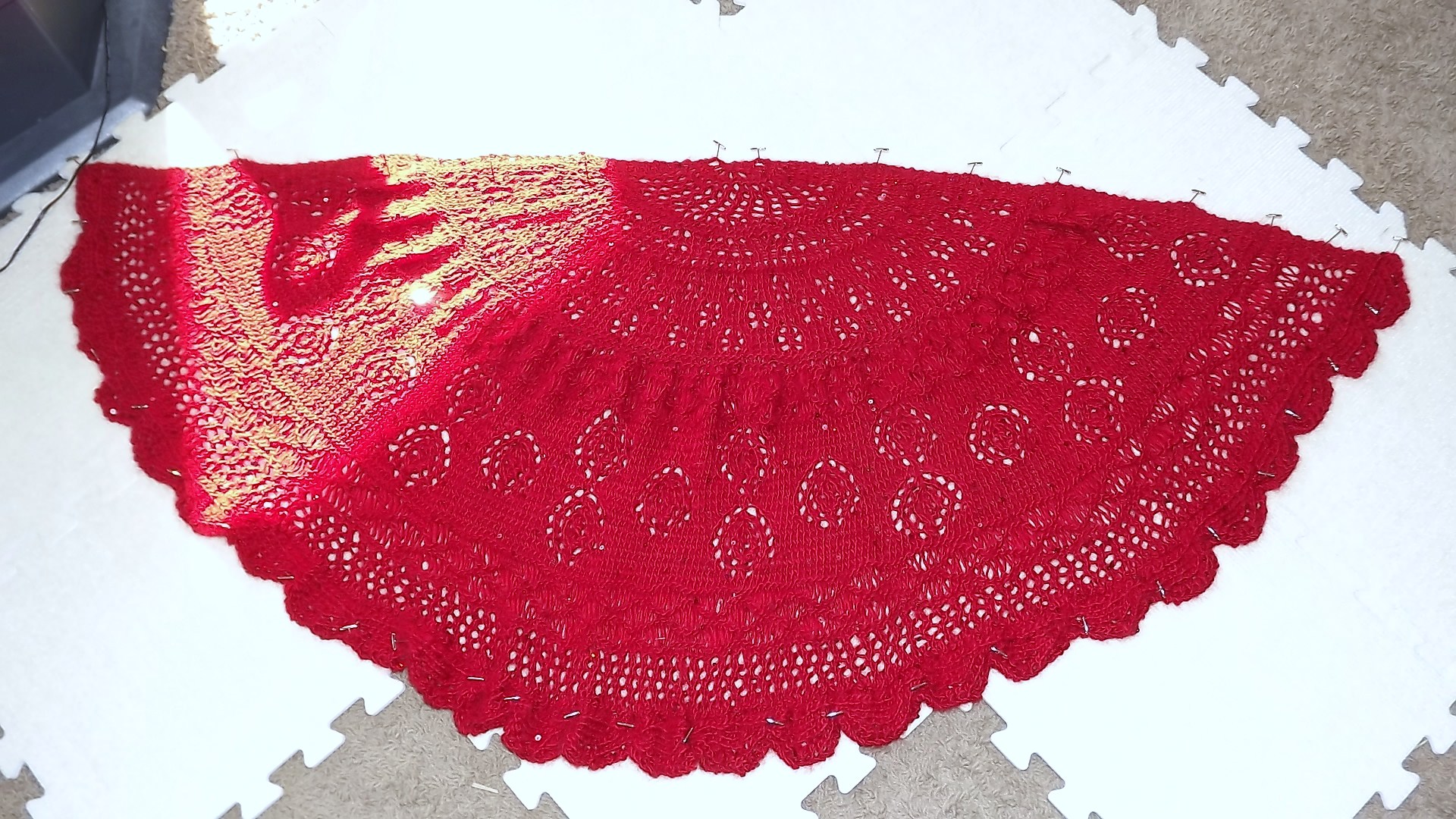
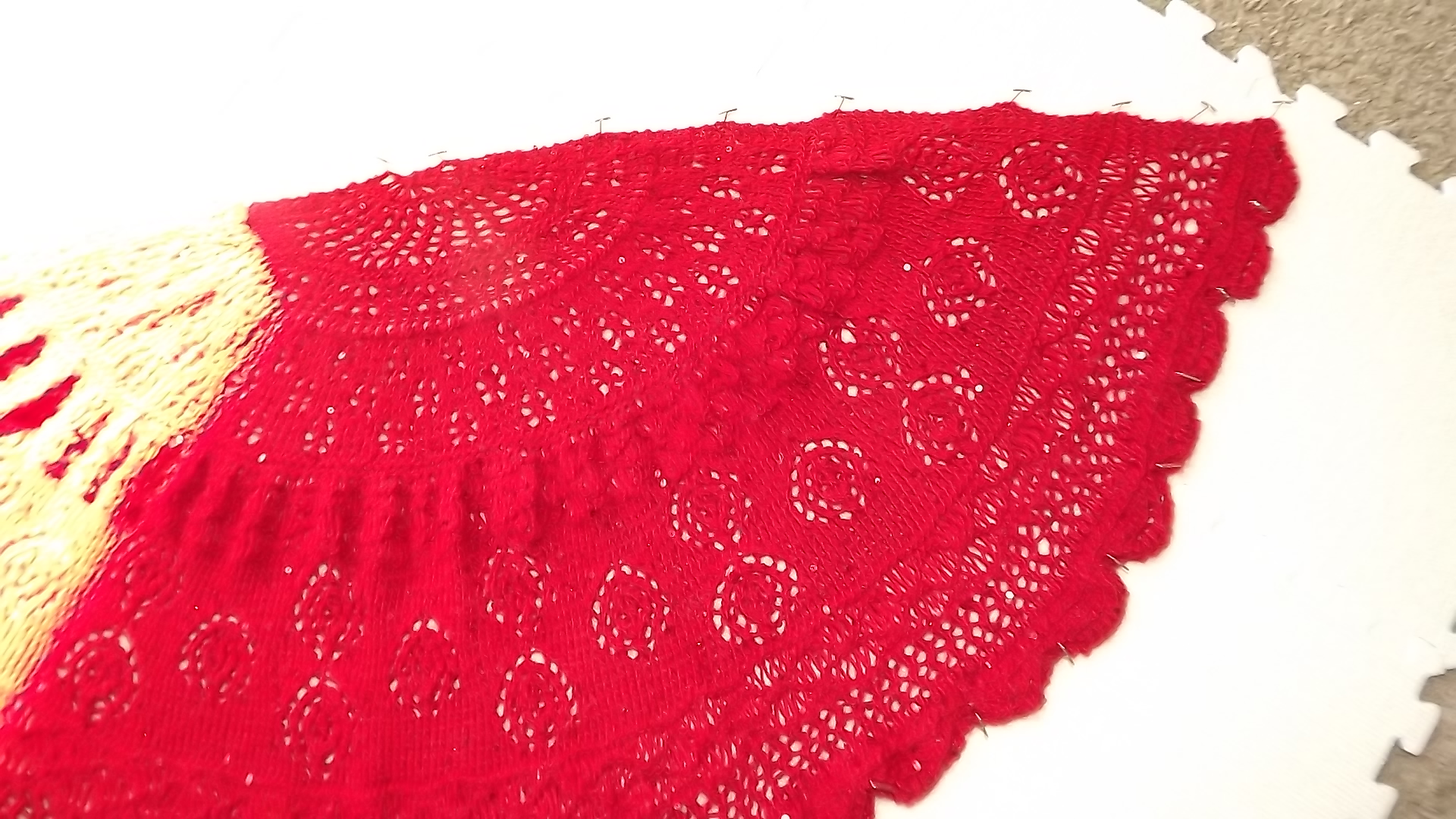
 I finally finished blocking skywalker. I think it looks great. I wetblocked this the way I would wash it. I was afraid that heat might destroy the sequins.

skywalker

 Anyway I decided since I was blocking stuff that a new investment for blocking was needed ( as the floor with the cat and dog are not an option and my hubs accidentally destroyed my ironing board). I finally decided on coco knits knitter’s block. I was only about to find them on Jimmy Beans Wool and Halcyon Yarn. They seem to be sold out everywhere else. Hopefully they will be available to everyone soon. 

close-up of skywalker


Deyaneria on March 6th, 2012
 

I was a bit confused in the last couple of weeks trying to determine what a mule sheep was vs a masham sheep. I understood that a masham was the result of

teeswater ram(or wendleydale ram) + Swaledale ewe (or dalesbred or rough fell ewe) = masham

Masham Sheep with gorgeous horns by publicenergy on flicker

These ewes are highly desireable due to the fact they are basically the perfect sheep, for milk and wool, are quite hardy and great mothers. Masham ewes are medium sized and polled. The fleece is long staples, 8-10 inches on a yearling and 6 to 7 inches on a ewe, with a good degree of luster.

I love the look of this masham (oh the wooly curly goodness). Picture courtesy of thehydefamily on flickr.

A mule is different it’s  a crossbreed like the Masham but  it’s a 3 way cross. It was originally done to create a better meat animal but the wool was really good as well ( a bonus?). 

Mule ewe with lamb by Ellyg2 on flickr

Here is the cross for a mule.

Bluefaced leicester +local ewe (usually from the blackfaced mountain sheep, cheviot,welsh or sometimes clun forest) = mule

These mules are then crossbred to larger meat breeds like suffolk or texel. They name the mules by the breed of the dam.  example: a cheviot mule had a cheviot dam.  You can see the BFL in the fleece of the mule.

I couldn’t resist this little guy….pic taken by tigersweet on flickr

Interesting they were making designer sheep before designer dogs.

My Skywalker Shawl

I couldn’t wait to show you! I finished my skywalker shawl this weekend.

My View


Deyaneria on March 2nd, 2012

 Wow did I get a shock this morning, when I realized even though I set this post up to automatically post at 8:30 monday morning ( As I am still dealing with nasty meds that make me want to sleep). It never posted but wednesdays post did so here is Monday’s Post.

Teeswater sheep courtesy of knitwit95 on flickr


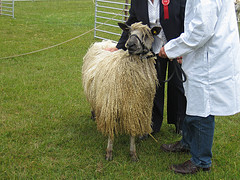
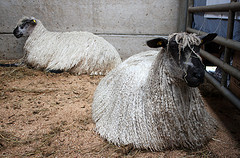
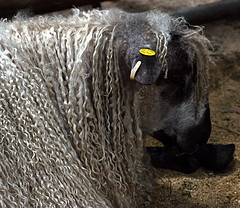
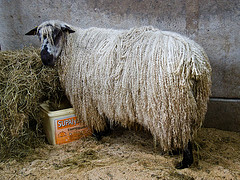
When I first saw this sheep it reminded me much of wensleydale or masham. Their long lustrous locks enamored me. Teeswater is a native of the Tees River area which runs from Cross Fell to the North Sea. They were a pretty isolated breed. However their numbers fell in early in the 20th century.
Teeswater sheep relaxing by flyhoof on flickr

The Teeswater Sheepbreeders Association was created in 1949 to preserve the breed as Teeswater is usally used for creating Mashams and Mules. While wensleydale is considered to have a heavier fleece than Teeswater , however teeswater is said to be better for meat.
Teeswater sheep close-up by thebigsister on flickr


The breed standard is pretty straightforward. Long lustrous locks that are separated and don’t felt or clump together. There is no kemp or dark fibers either. They are a polled breed and  have broad muzzles.  The colour of the head varies from off-white to grey-blue. They can have dark brown or black markings around the nose, ears and eyes.  Teeswater sheep always  have a characteristic forelock of wool falling over the face( reminds me of the wiley coyote and the sheep dog cartoons).

what a fleece picture courtesty of allybeag on flickr

 There is an American Teeswater as well. However they are not included in the total amount of the breed because they have been improved and would not be considered the same as the original breed. For wool purposes though they seem pretty much the same.

What an adorable baby teeswater ! Picture courtesy of Hunting Hall on flickr