Deyaneria on February 29th, 2012


My Teeswater Fiber

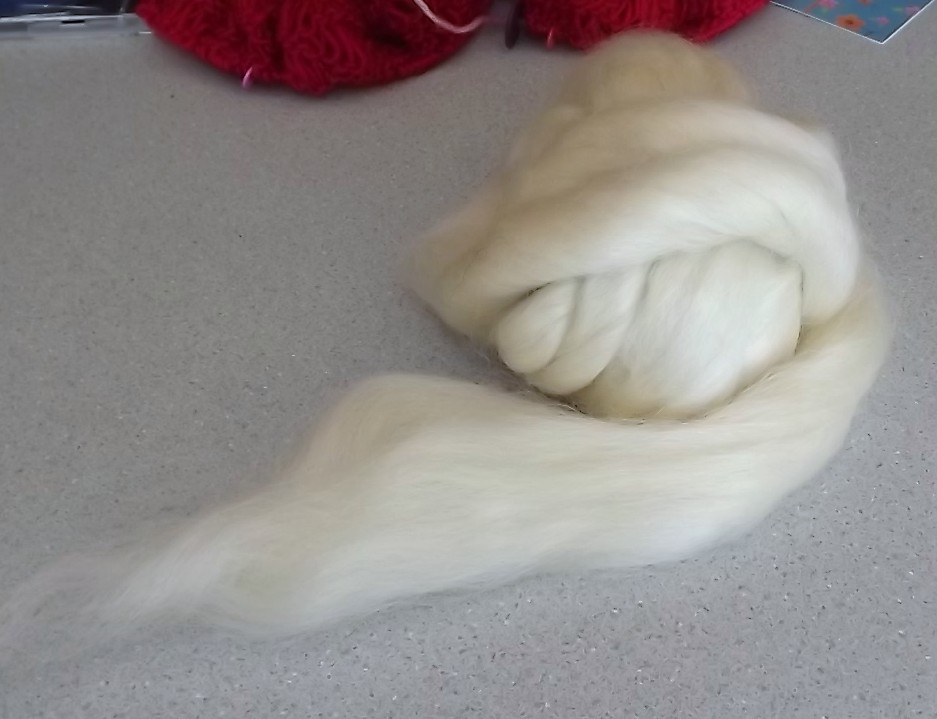
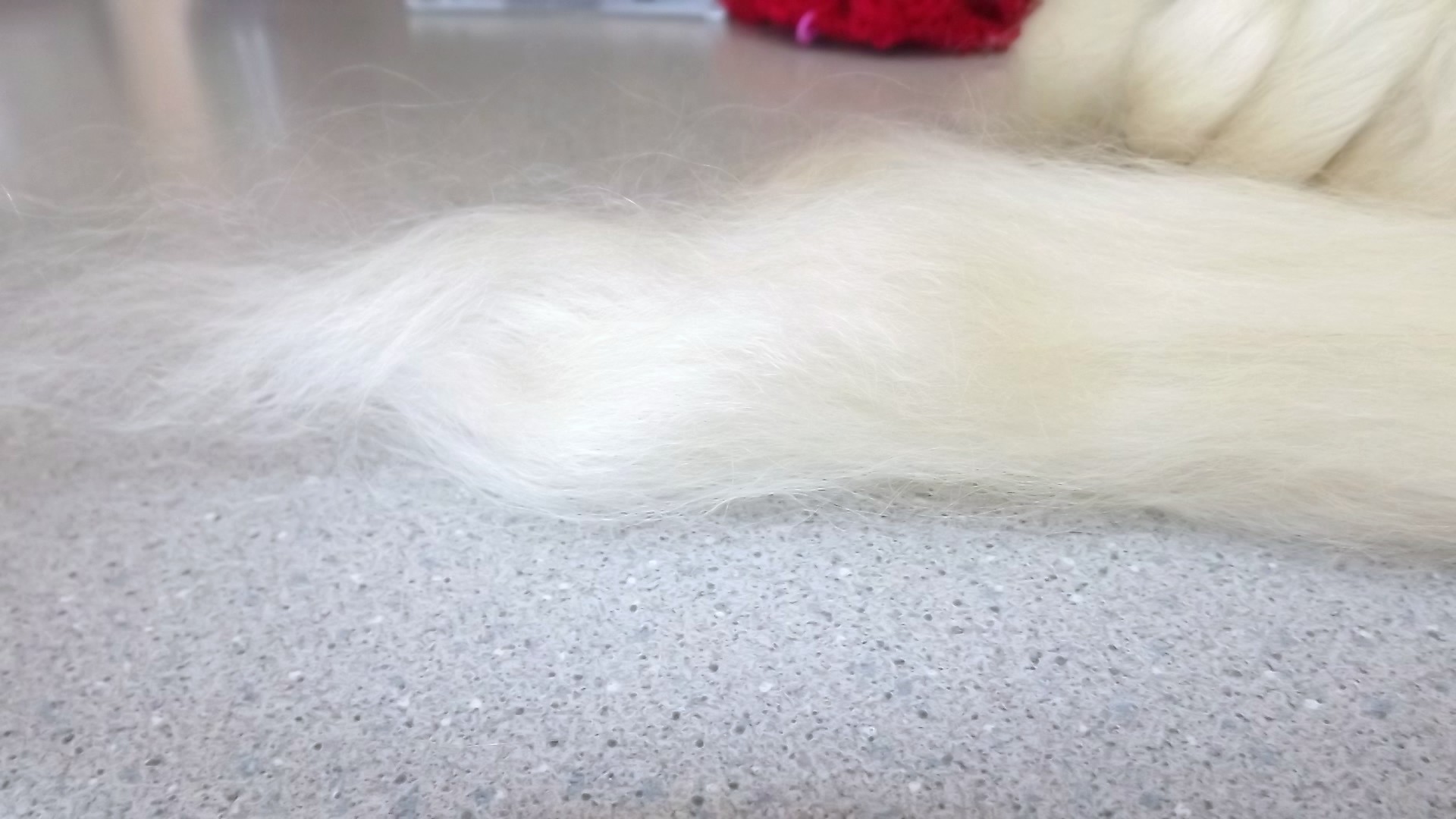
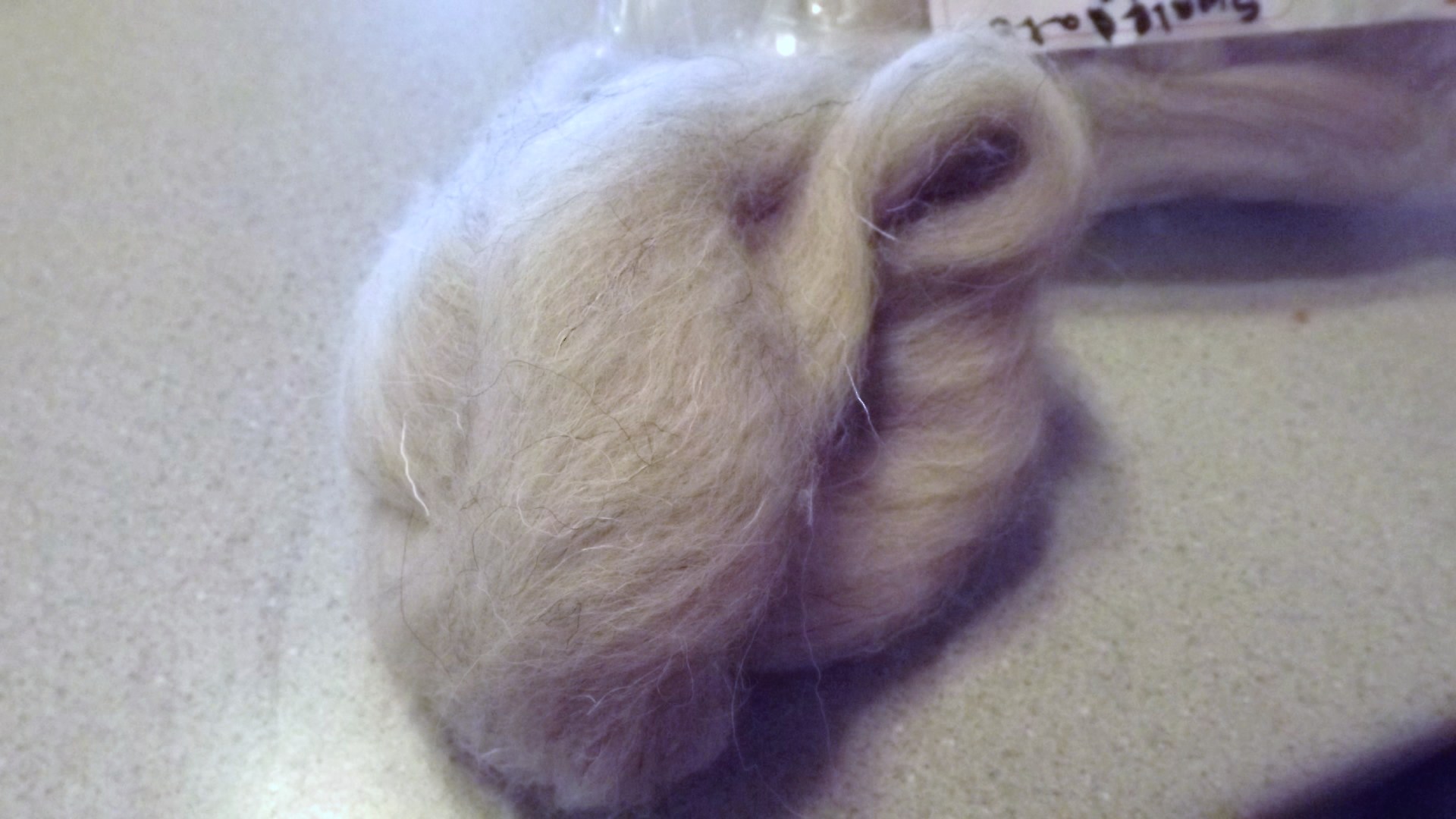
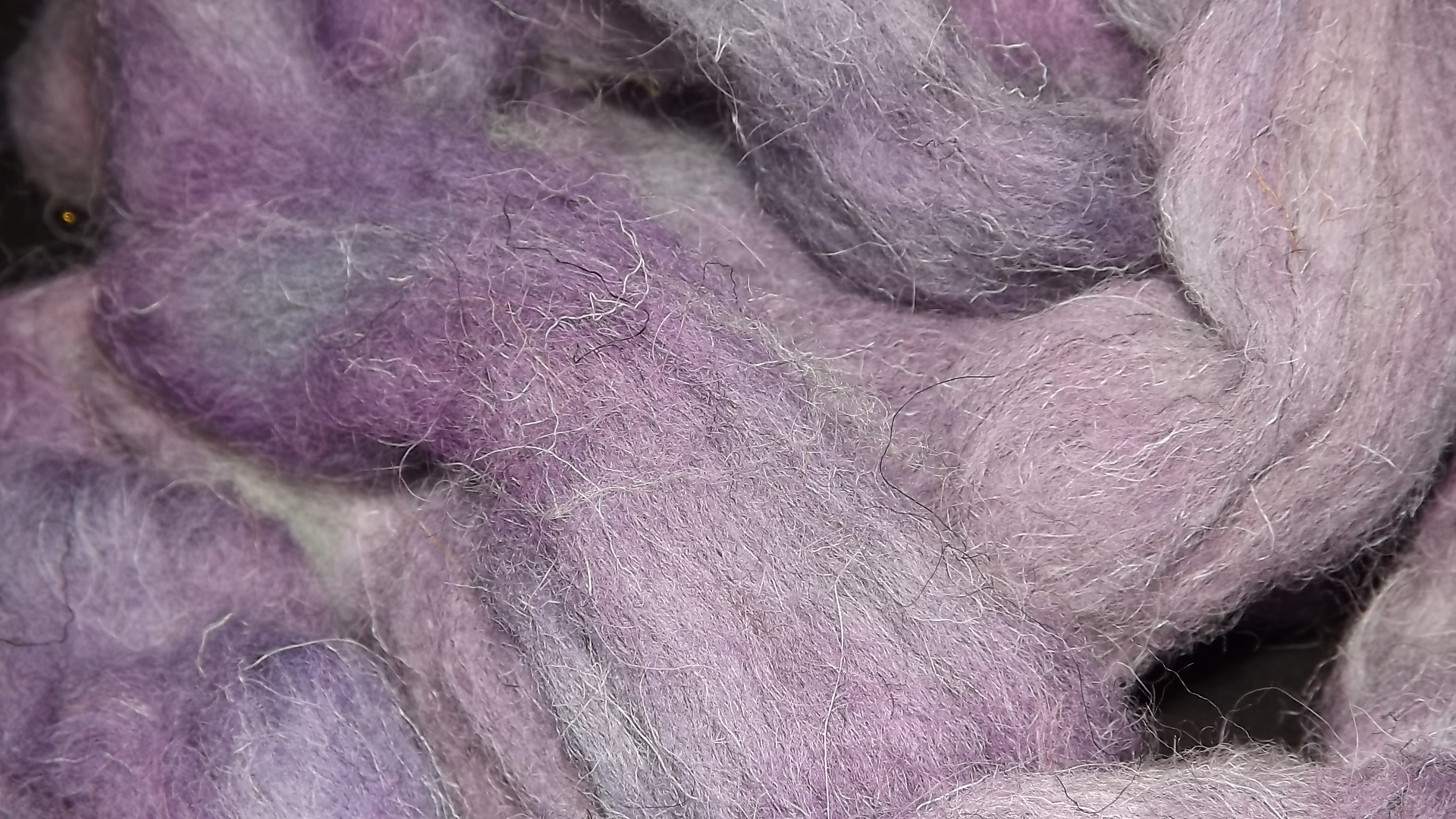
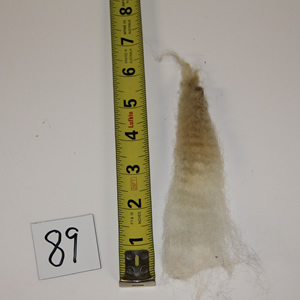
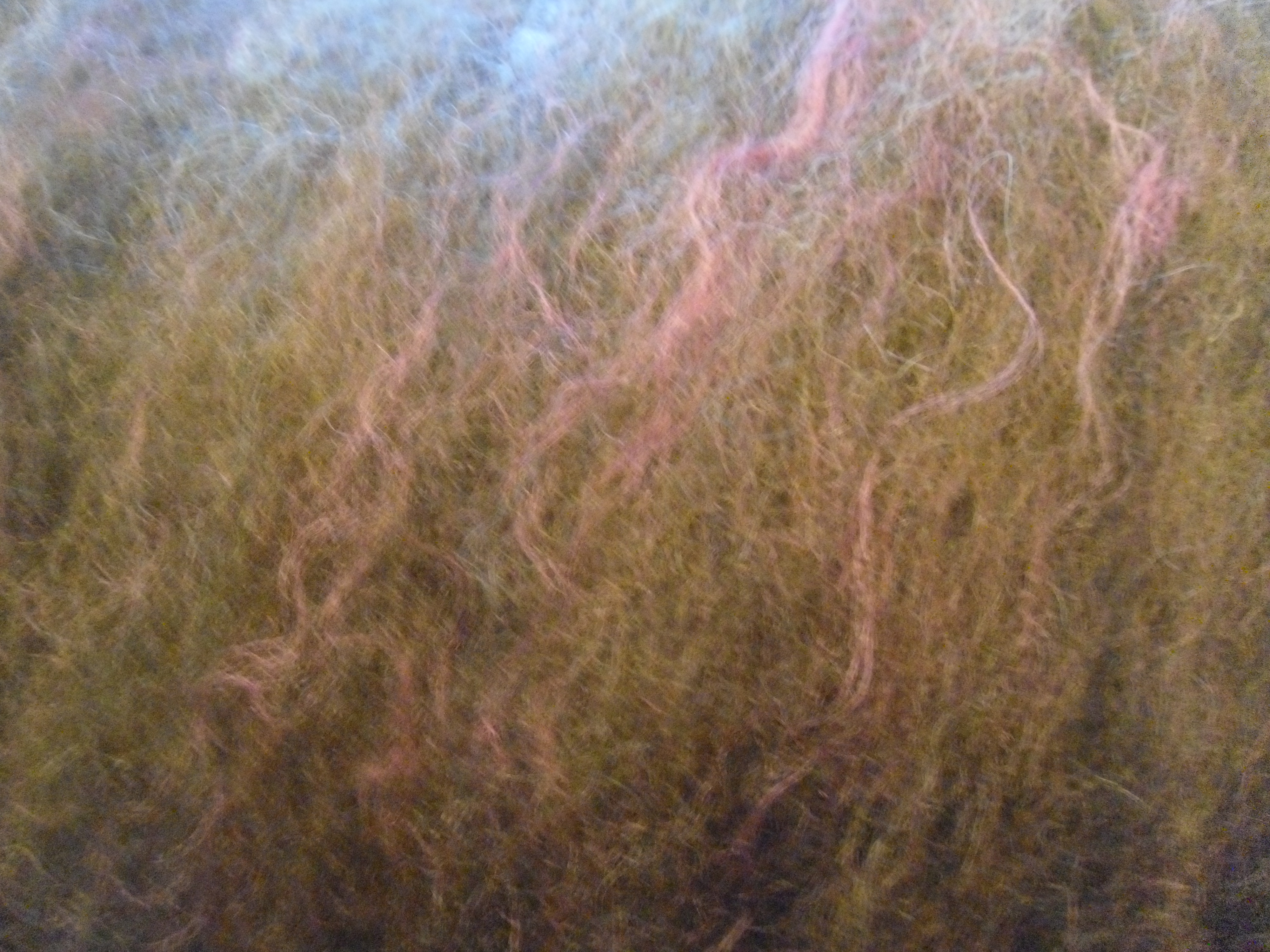
I found teeswater fiber to be surprisingly soft for the fact it is a longer fiber and in the English longwool family. I found I could hold it against my neck with very little prickle factor and this may be because the staple length is sooo long.

Teeswater top close-up


Now for the stats: A Teeswater fleece can be  4-8 kgs or 8.8-17.6 pds, the staple can be anywhere from a really long first clip 12-15 inches to shorter clips twice a year of about 6 inches. My roving has about a 6-8 inch staple. The micron count usually ranges from 30’s to about 36. I think this one is a bit softer as well ( cause I’m a puss and usually stuff 28 and over is scratchy to me).

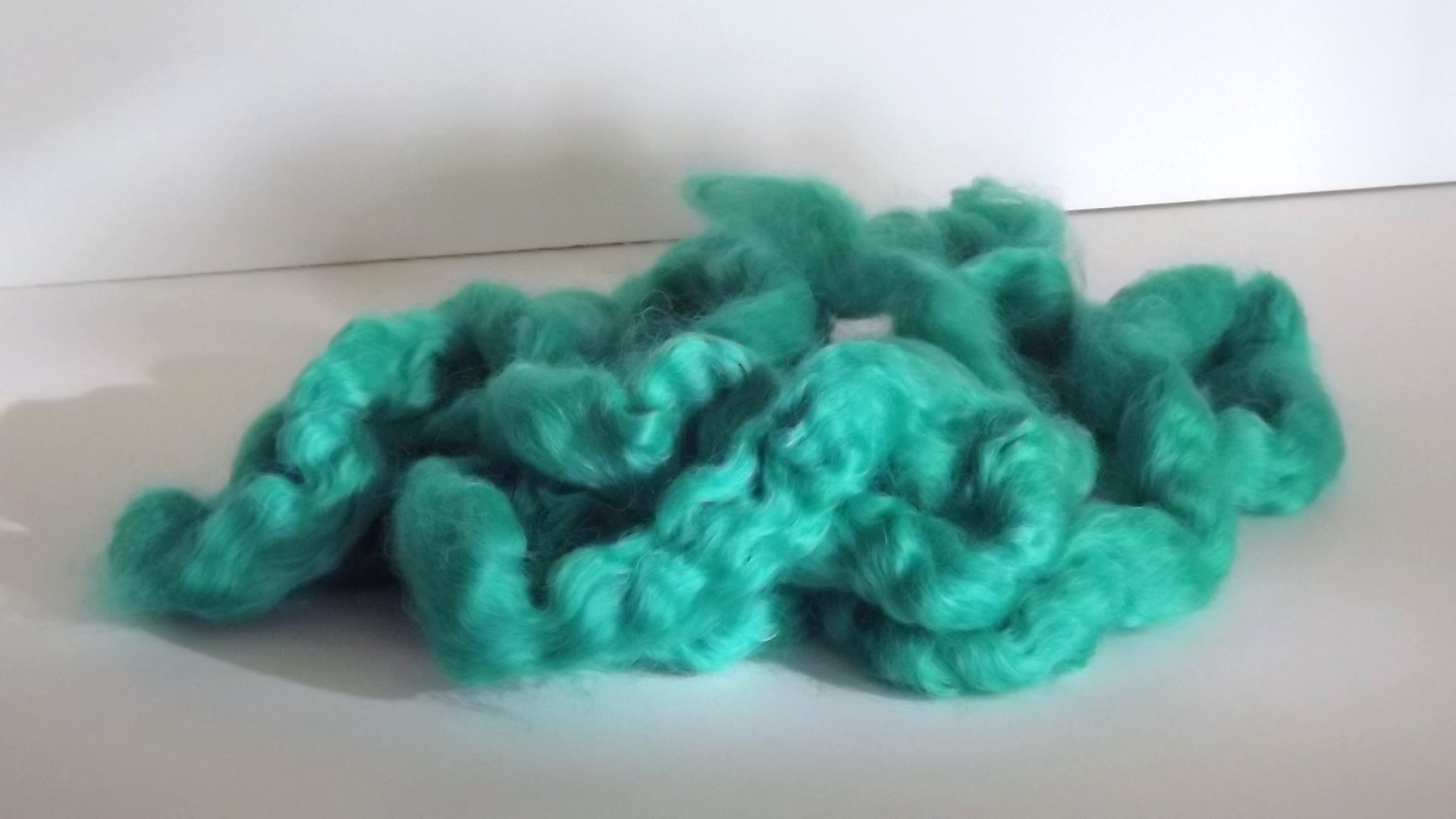
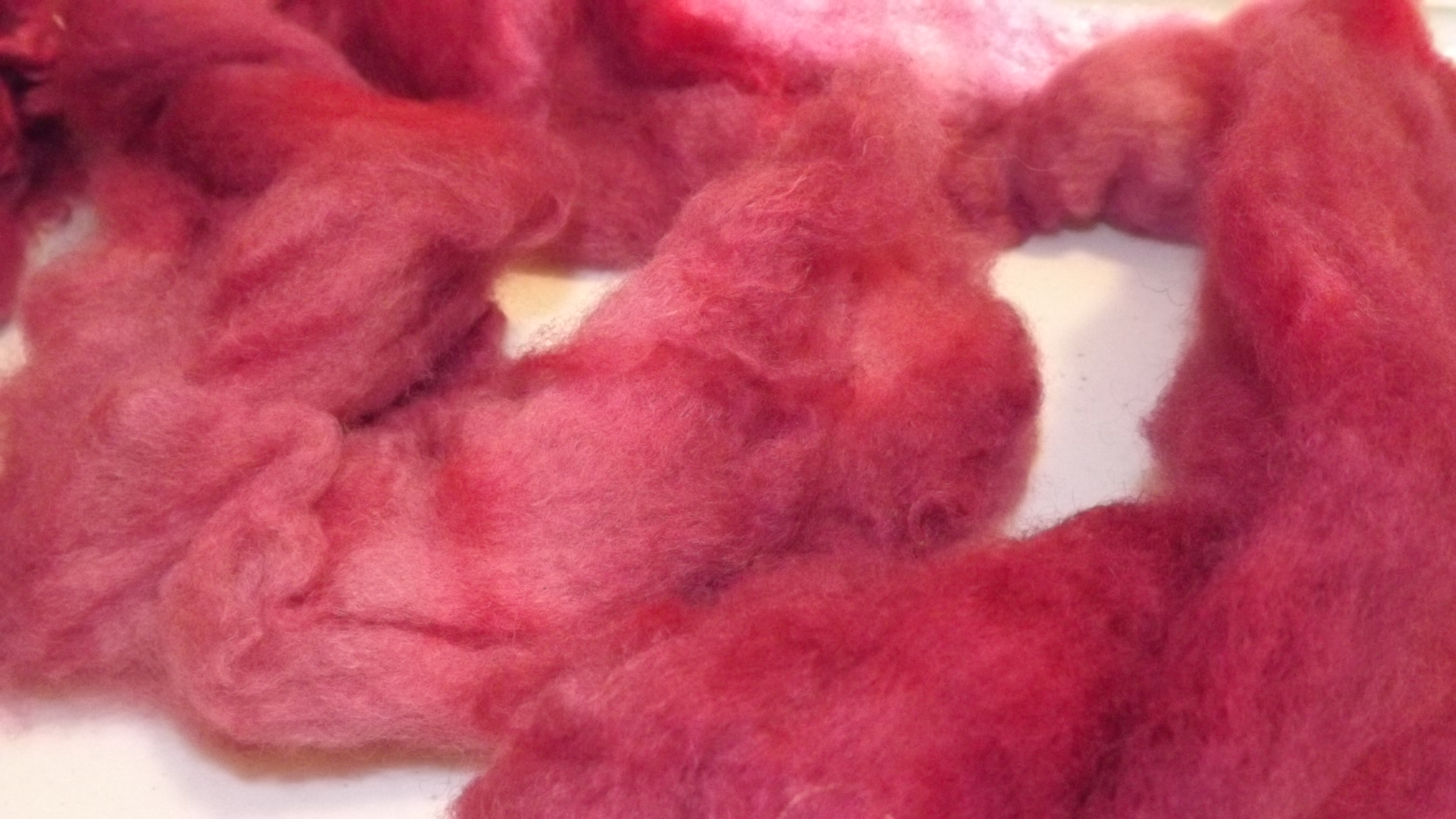
dyed teeswater fiber

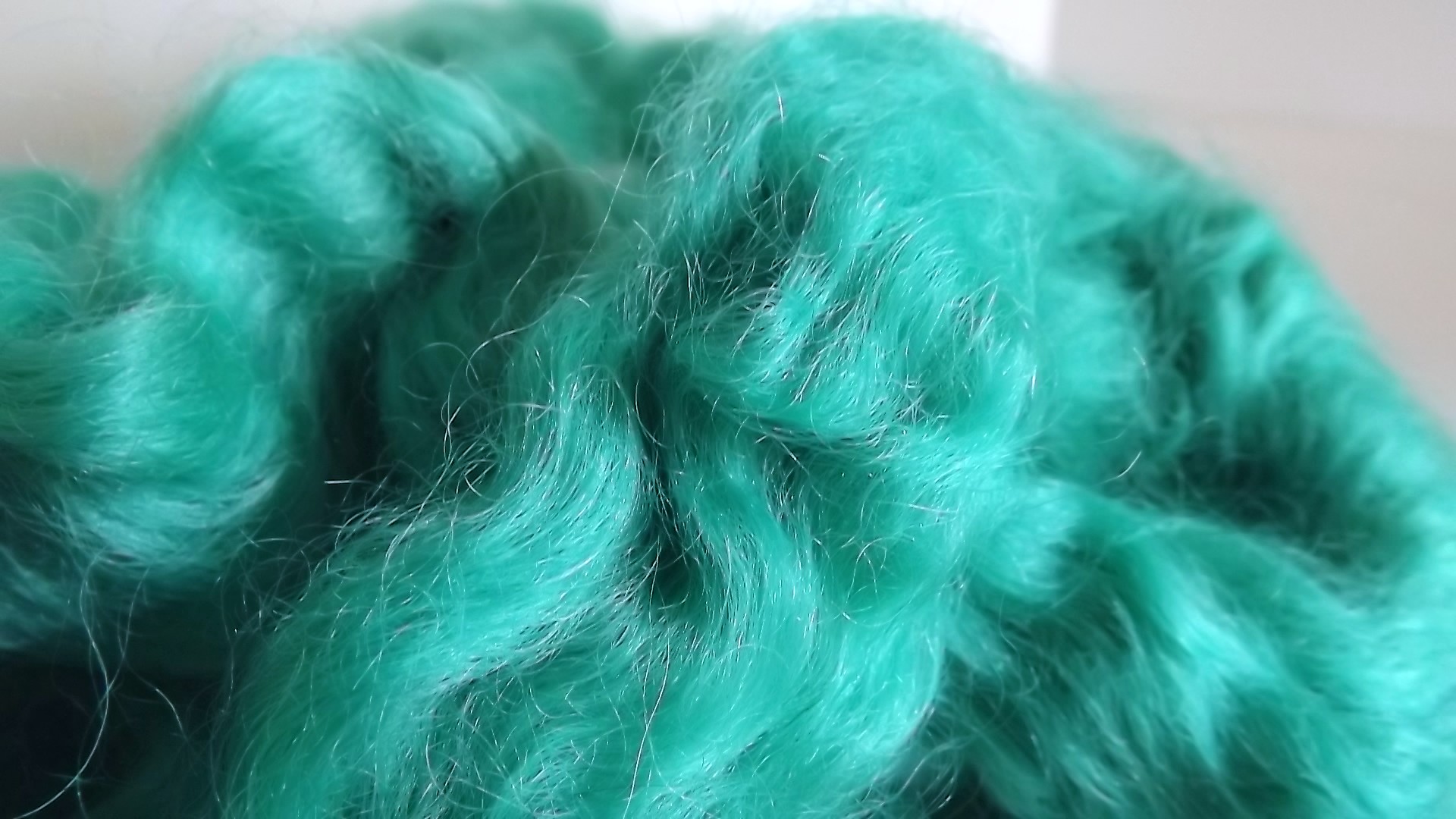
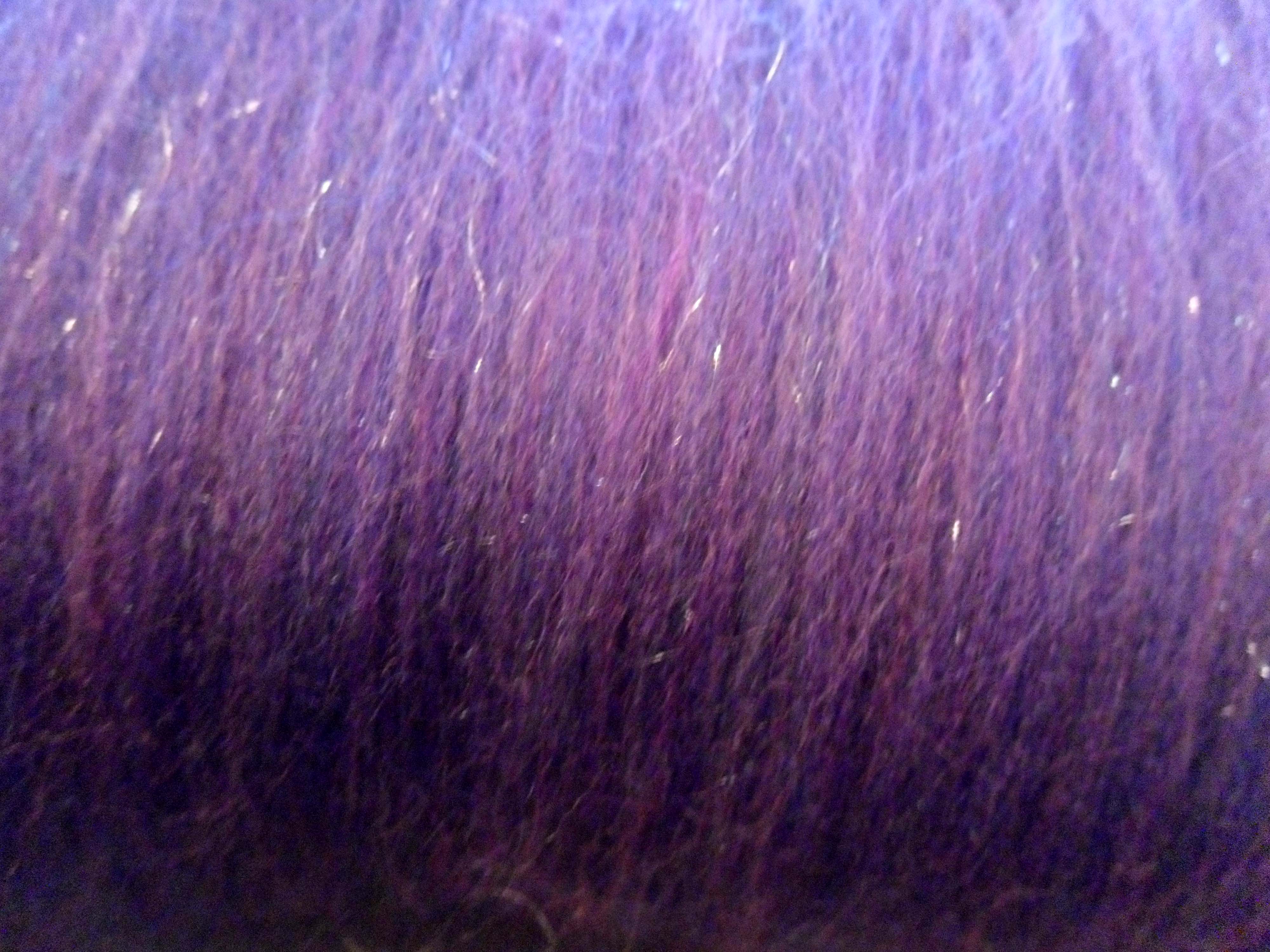
It takes dye beautifully. It took so evenly that I was really surprised because many times there are areas of lighter color but this was amazingly equally dyed.

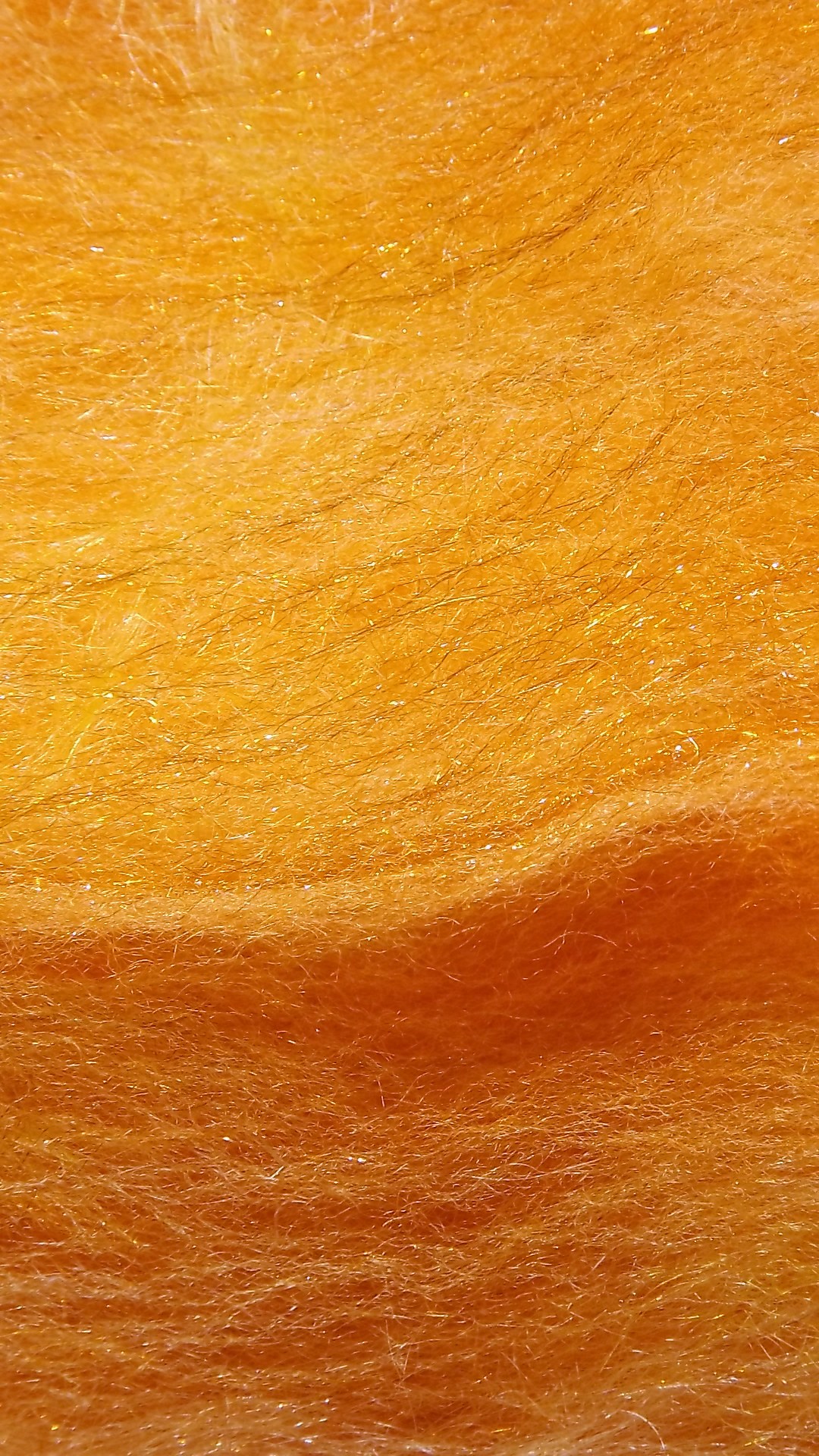
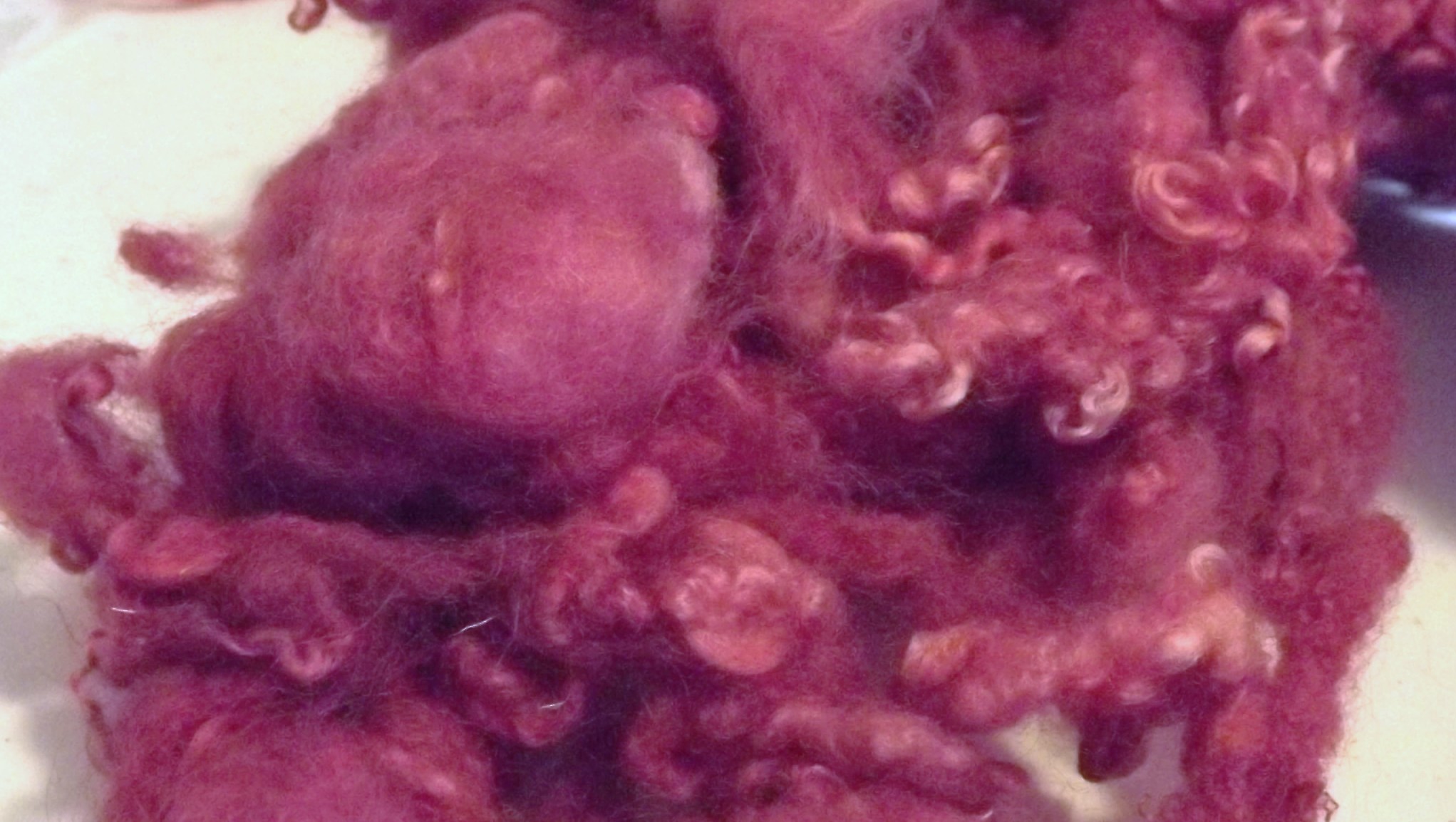
Close-up to dyed teeswater fiber


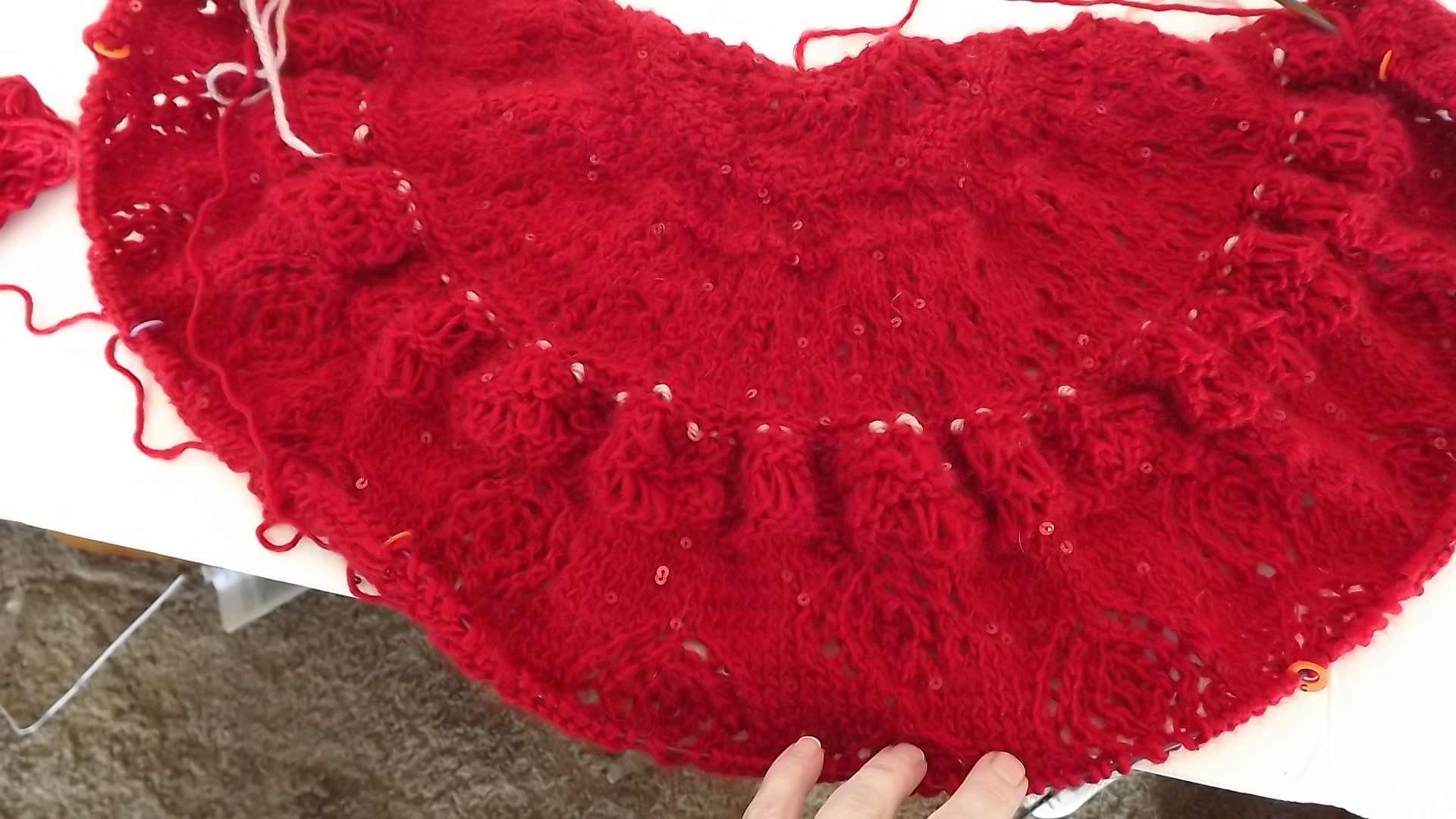
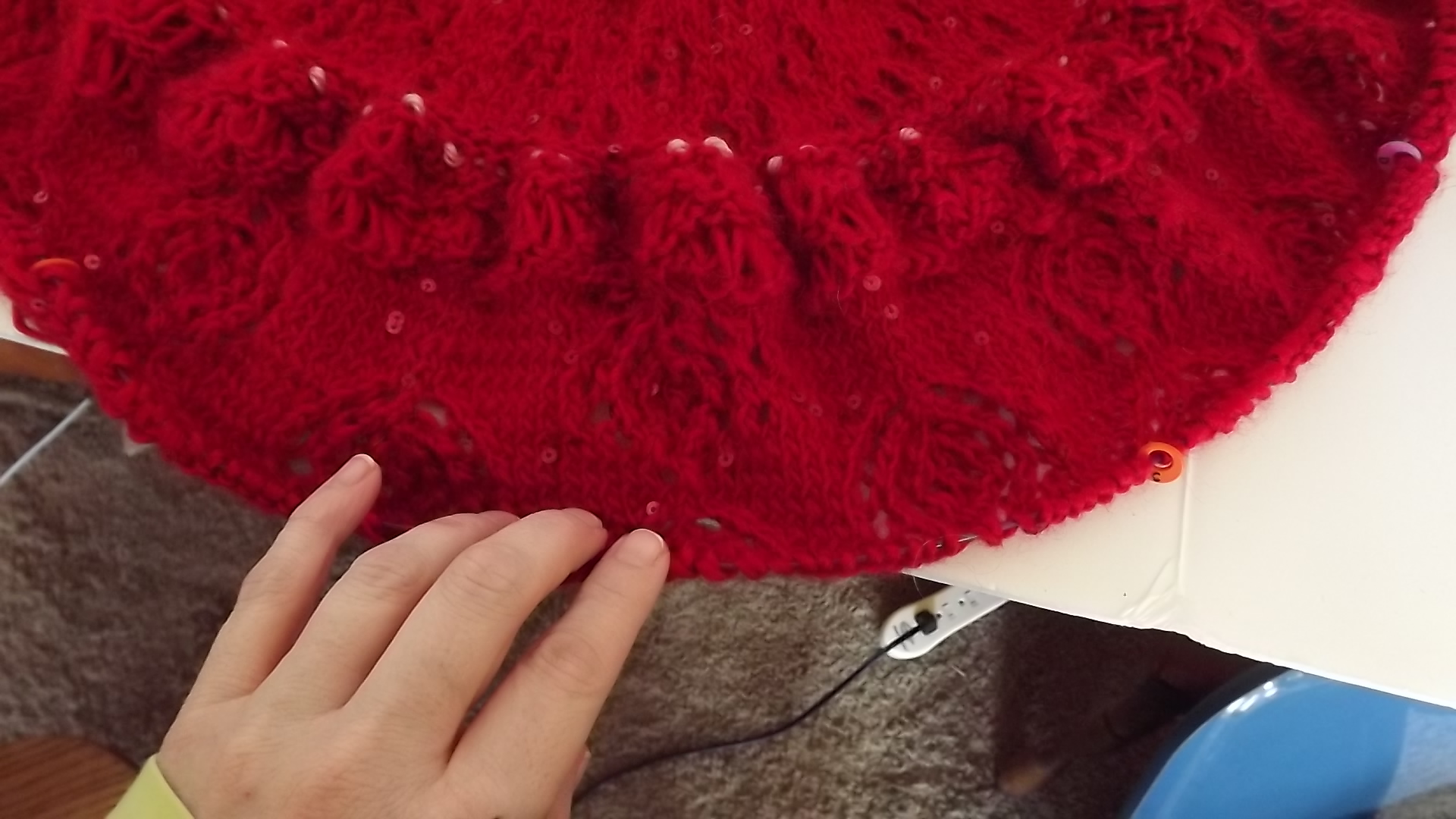
I have made a bunch of progress on my Skywalker Shawl.


My Skywalker Shawl


Skywalker shawl close-up


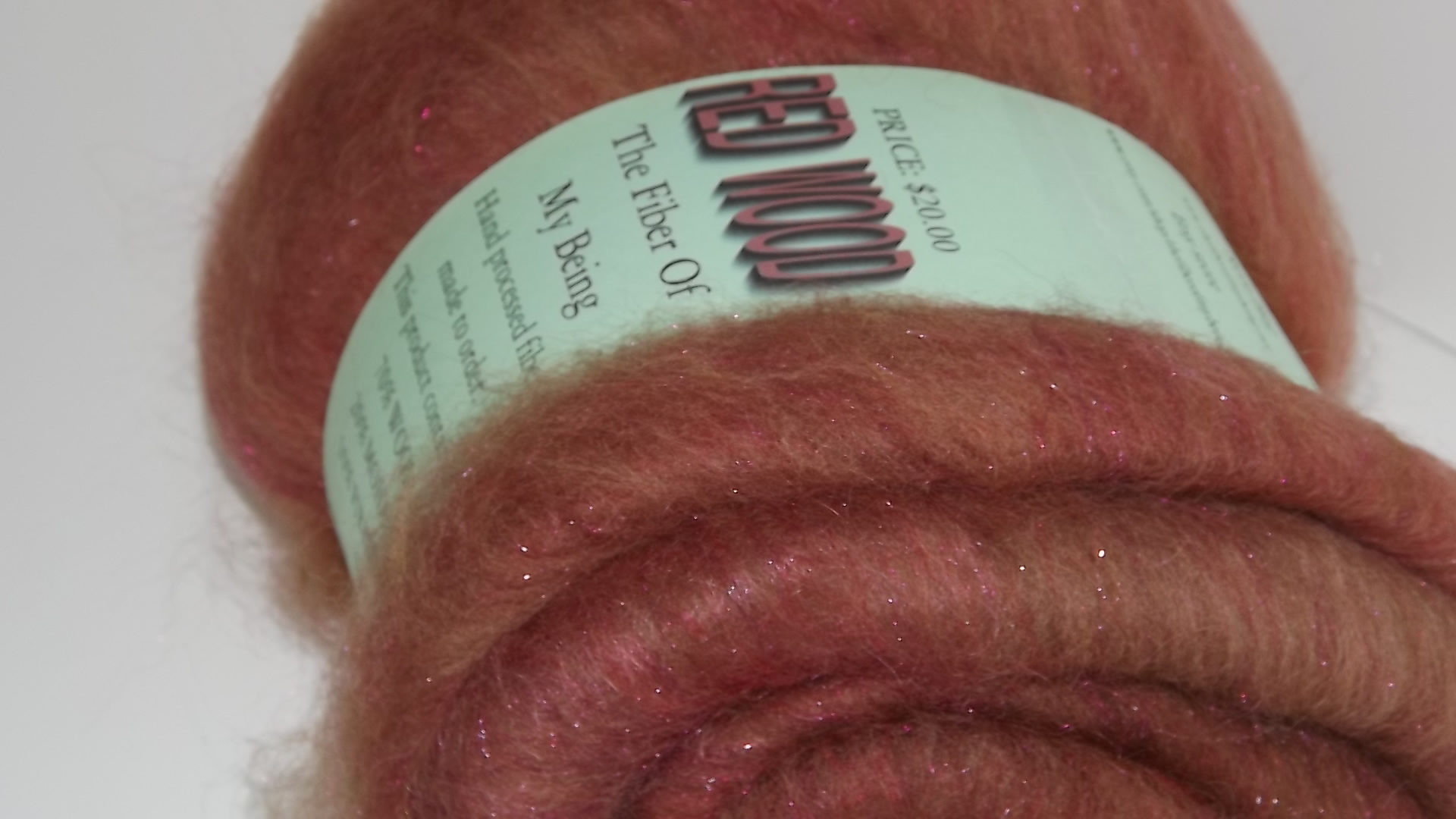
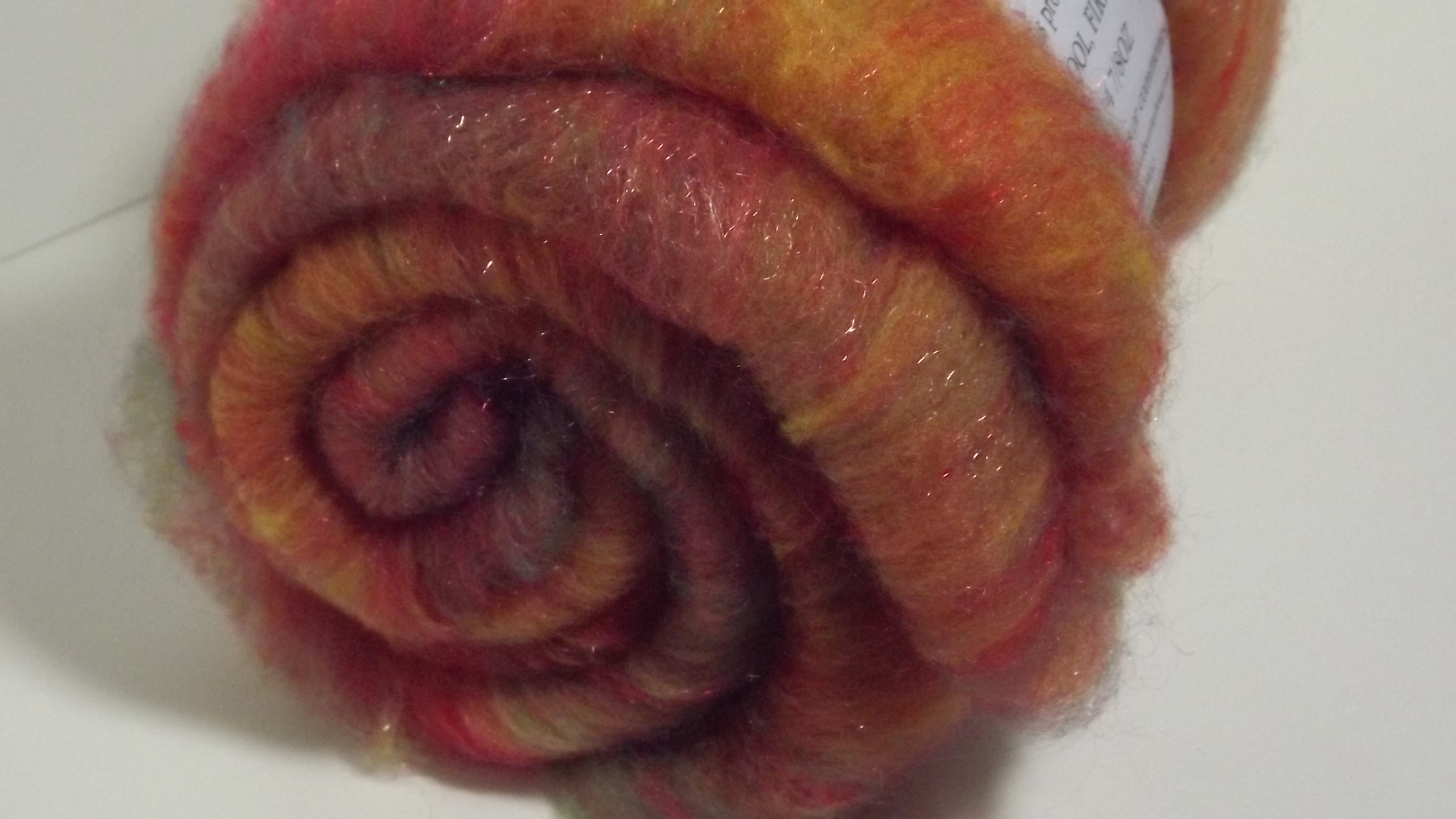
Here is a sneak peak of a new colorway coming into the store soon.

Redwood colorway spinning fiber

Deyaneria on February 22nd, 2012

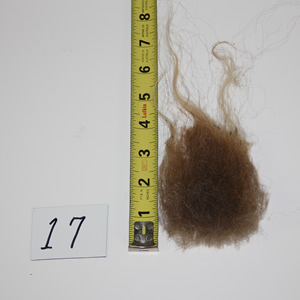
When my swaledale roving arrived I was intrigued. What an interesting wool. It’s definitely not your buttery soft next to the skin wool. I found it fascinating for what it is…. Crunchy, hairy, multicolored spinning goodness.


My Swaledale roving


It dyes in a very interesting fashion. I love it!


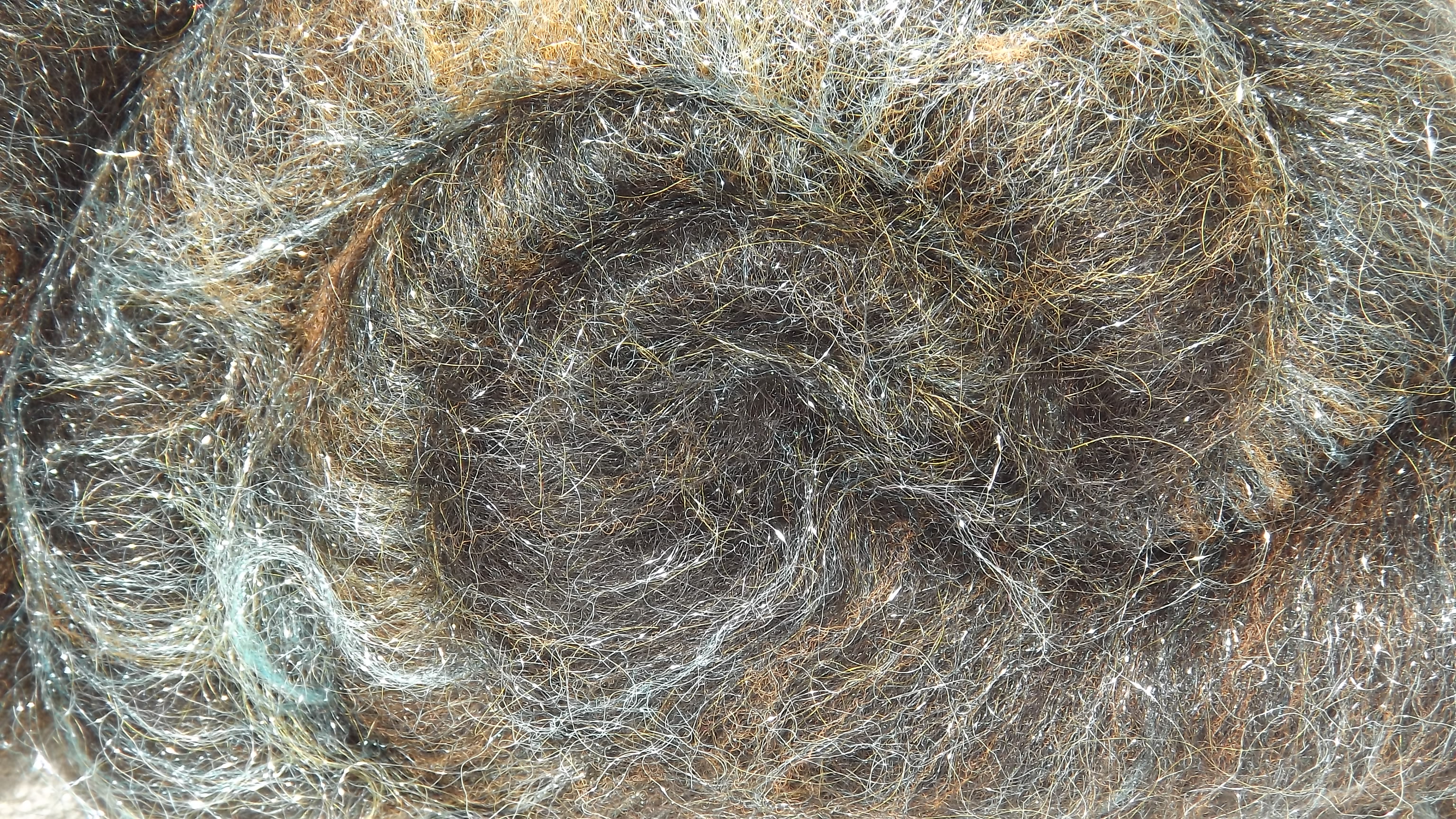
Dyed Swaledale wool


Tweed bag anyone?


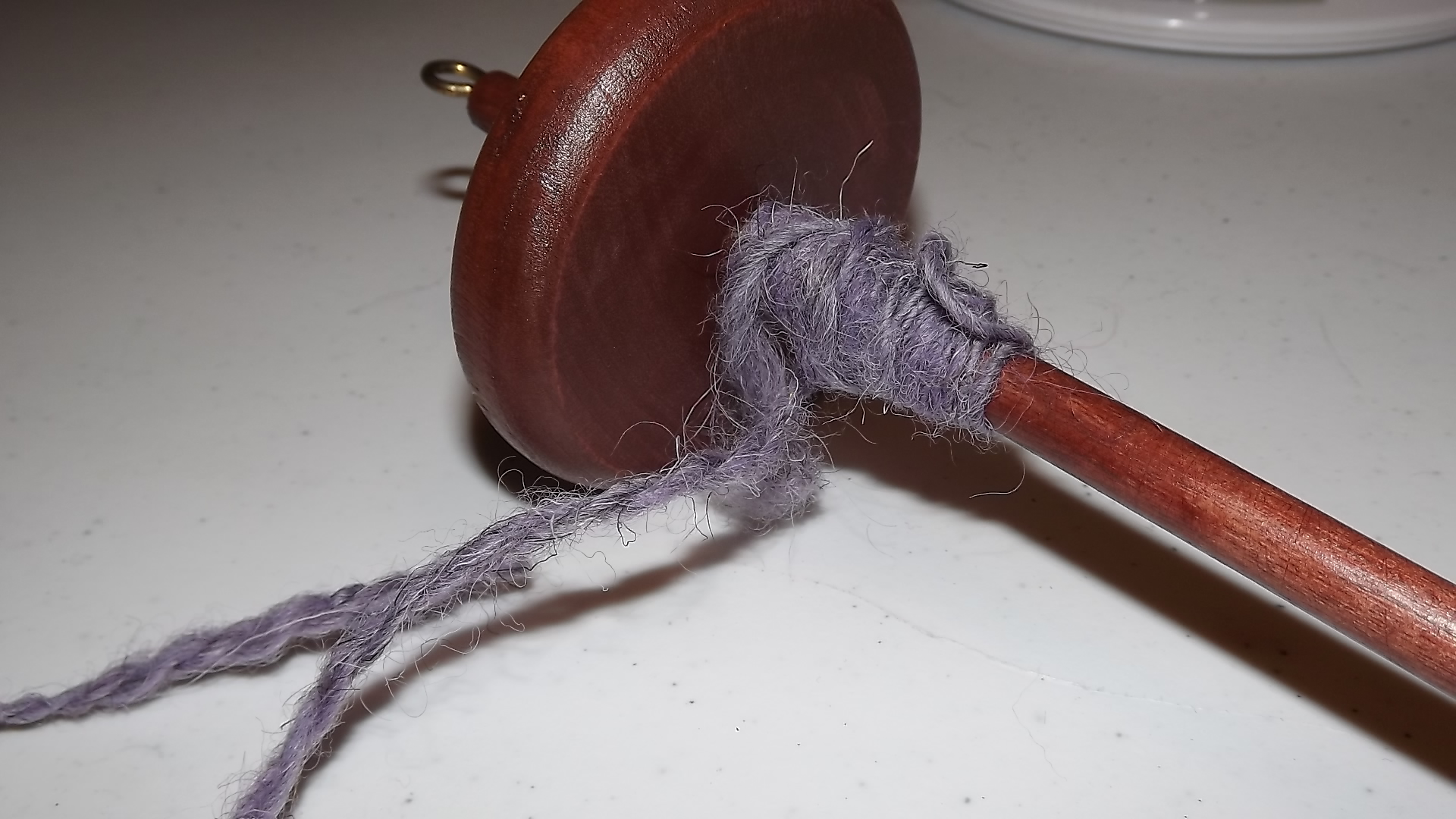
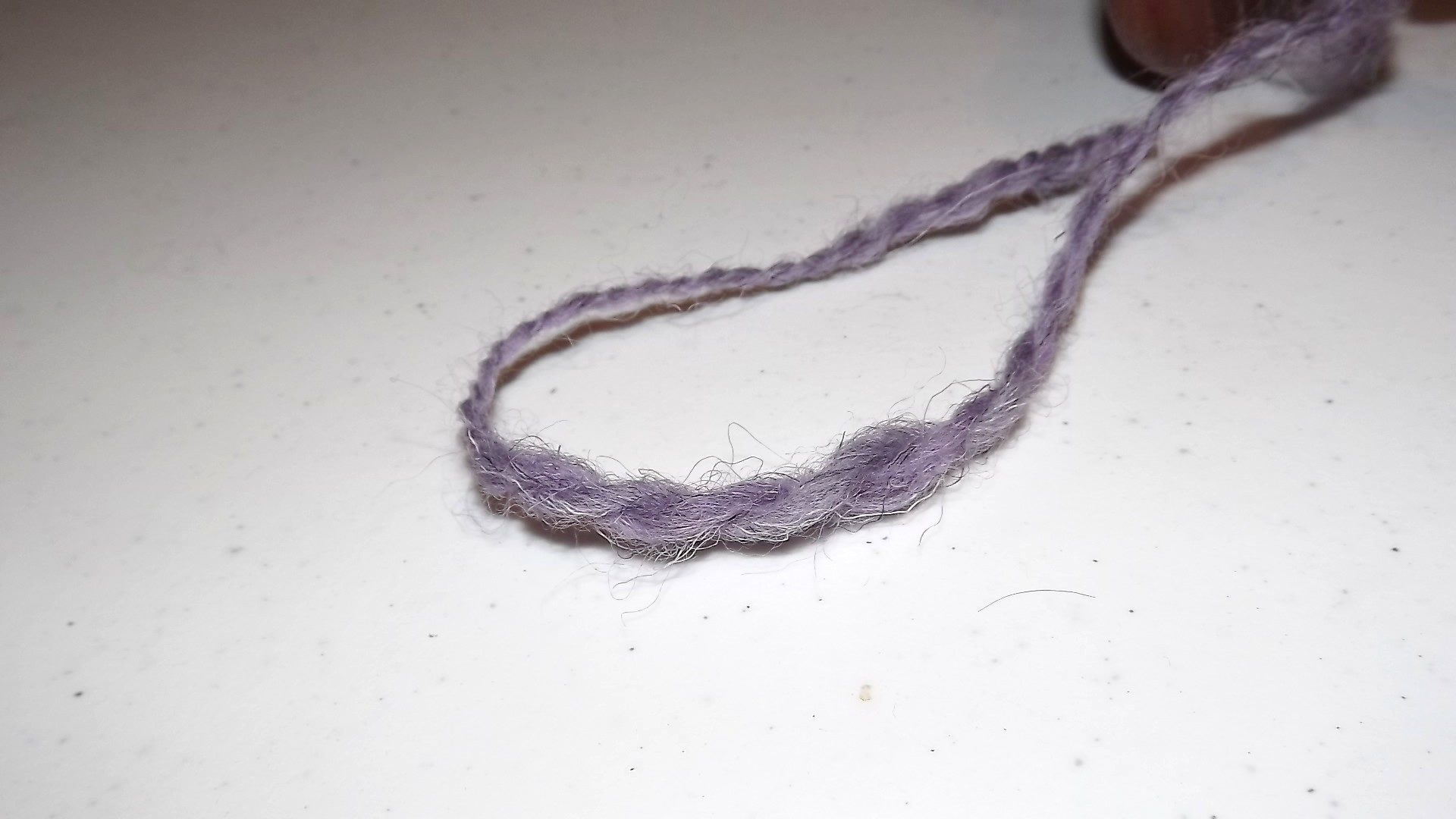
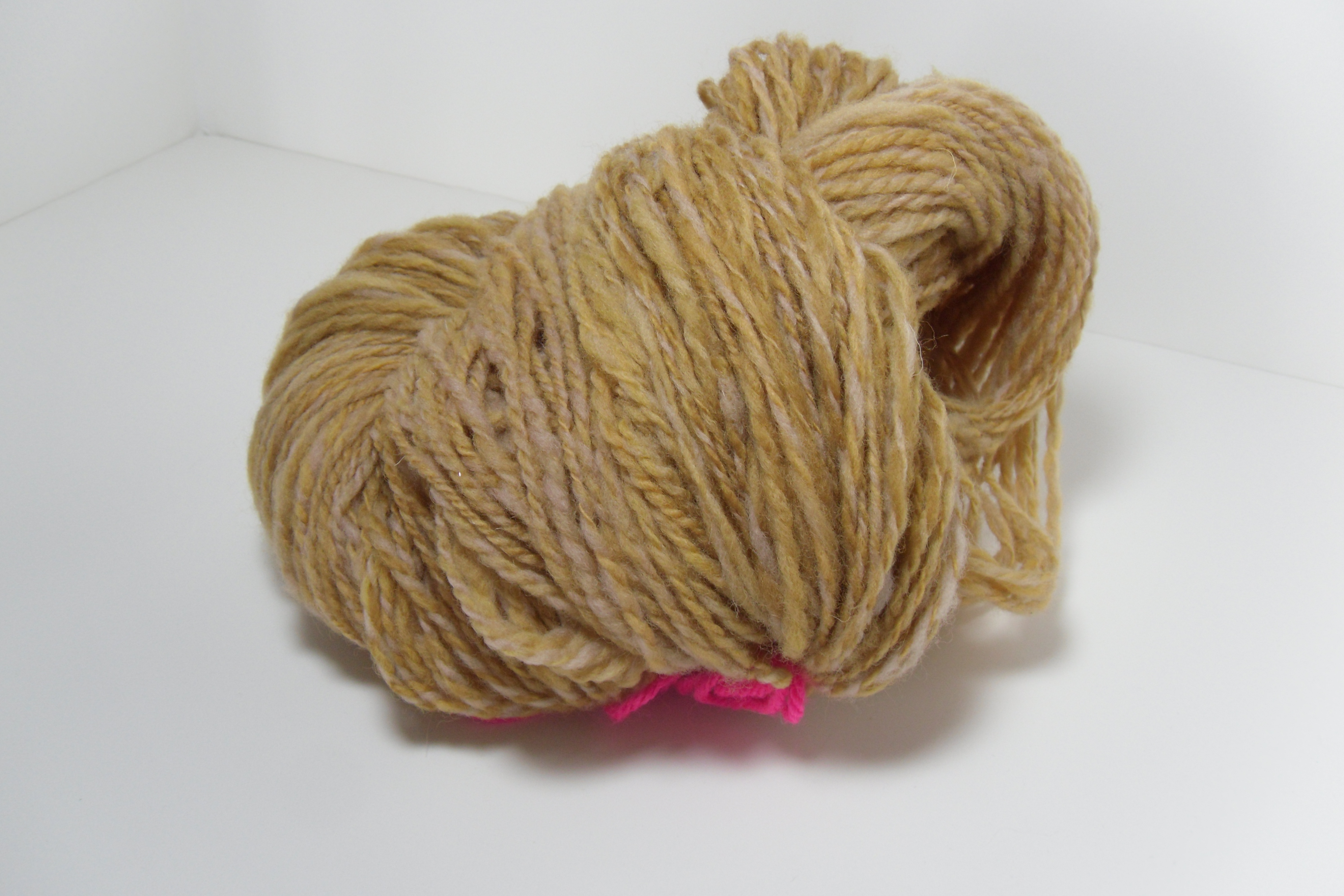
My Spun Swaledale Fiber


2 -ply?

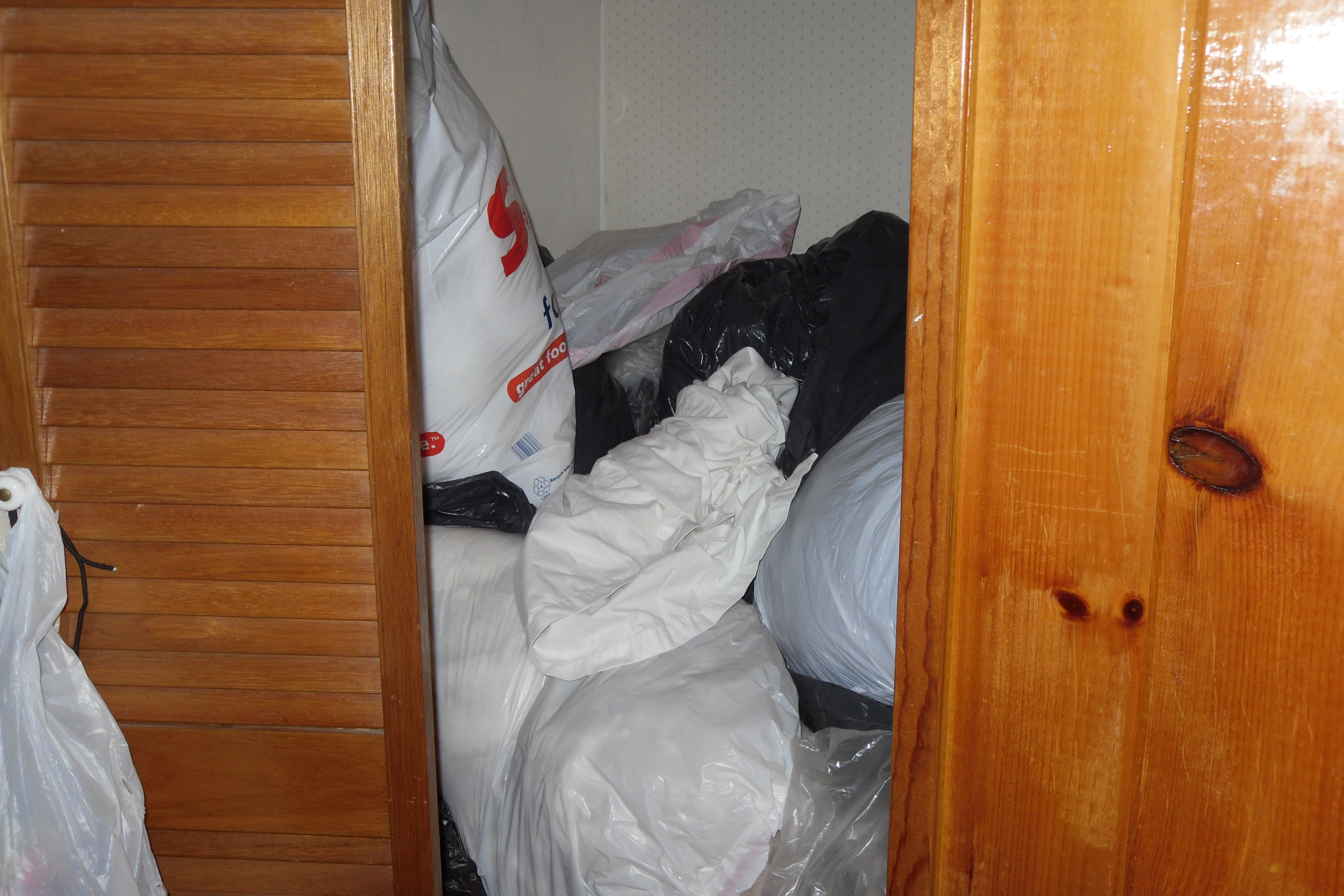
According to an article by BBC News  wool prices for this hardier yarn have been falling for quite some time to the point where farmers are burning or throwing out the wool. However, in the same article I found that some people are trying to find other uses for the wool.  How about wool enriched compost? or using wool as building insulation? I guess all those jokes about a wool stash being insulation are not that far off.


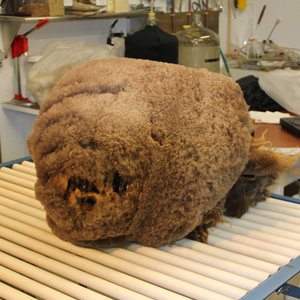
37 fleeces of insulation?


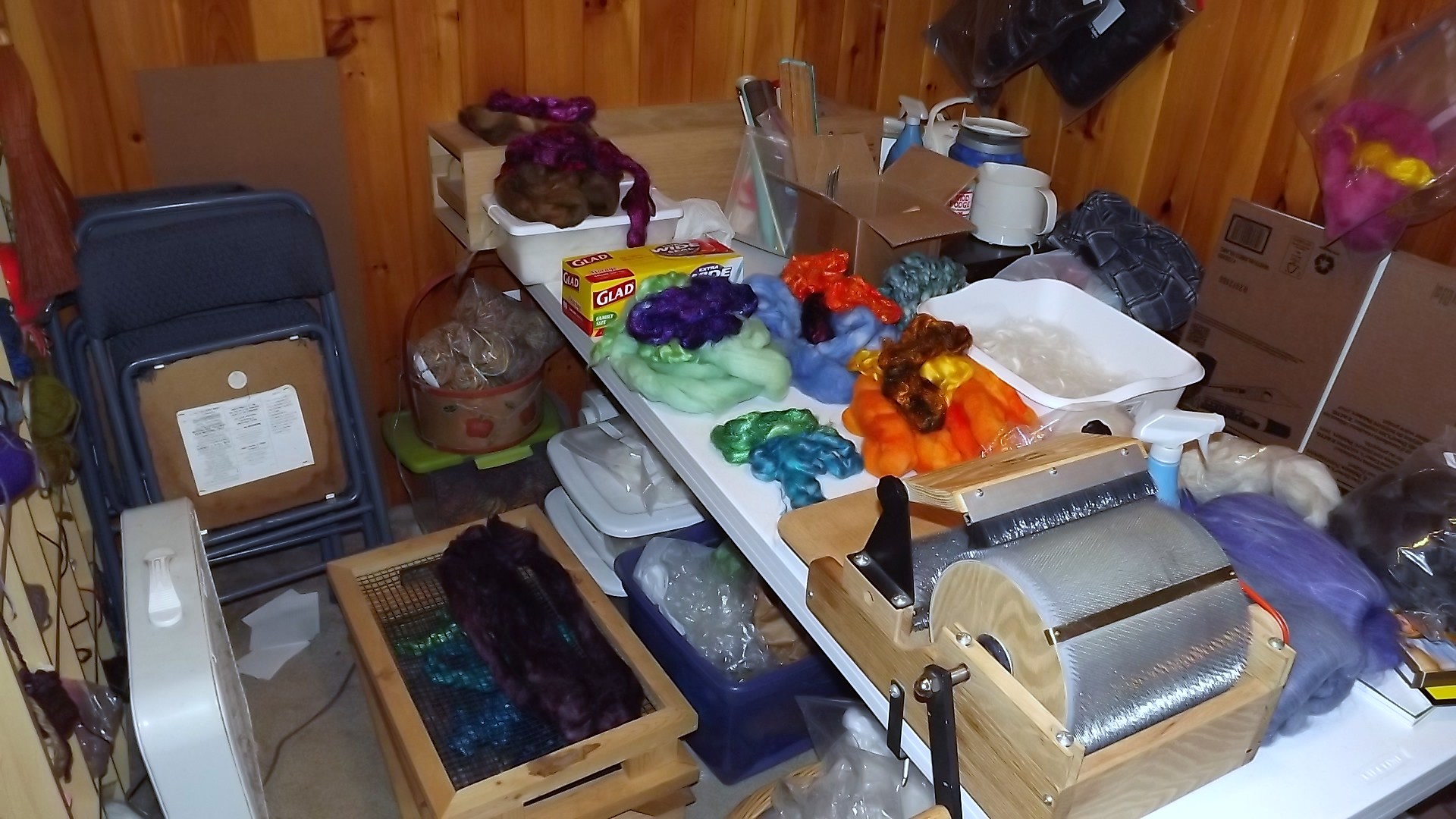
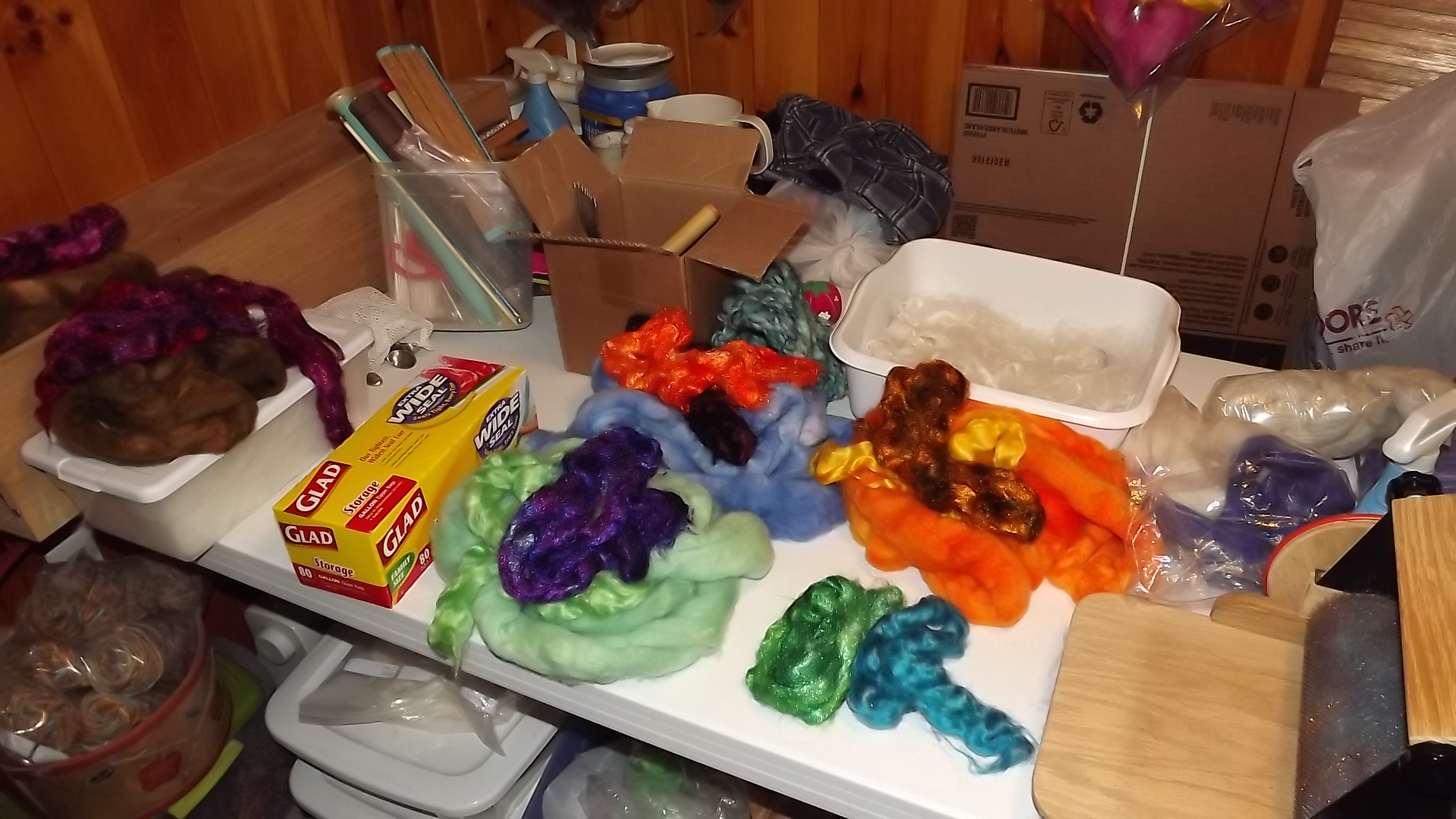
Here are a few more pics of my work area as I’m working to make about 90 bumps this month.

My workroom!
Deyaneria on February 21st, 2012
I didn’t know I had an issue until I tested the web store late last night. The problem has been fixed and I will continue tweaking it as I go. Thanks for your patience.

Deyaneria on February 21st, 2012

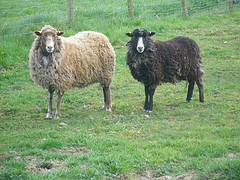
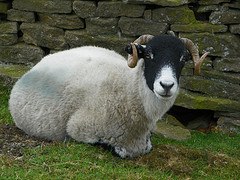
Isn't he sitting pretty? picture provided by Ambersky235 on flickr

Swaledale sheep are a type of blackface mountain sheep found in Mountainous areas of Great Britain. They originate from the valley of Swaledale (hence the name). When I saw these sheep, I feel in love with their colorful faces. What distinguishes the Swaledale from other blackfaced mountain sheep are the white circles around the eyes and white muzzle. Think of white raccoon eyes and nose. They have beautiful off-white wool which is a mix of almost creamy white hair and wool, black hair and wool and some kemp.
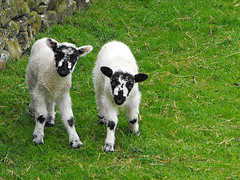
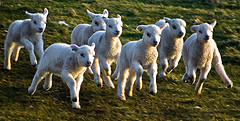
Aren't these babies adorable? pic provided by Ambersky 235 on Flickr


Swaledale is has historically been a multi-purpose breed. They were used for milk, meat, and wool. Now they are mainly at used for crossbreeding purposes ex. swaledale ewe + bluefaced leicester ram =mule or swaledale ewe+ teeswater ram = masham.
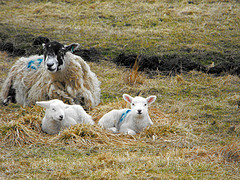
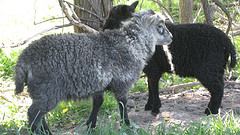
This family moment was provided by Ambersky235 on flickr....lol aren't they cute?

Some of the breed charateristics include curled horns on both sexes. They have a medium build and are thickly coated. The areas where they live are harsh and they can handle the environment well even without indoor shelter( I’m pretty impressed by this).
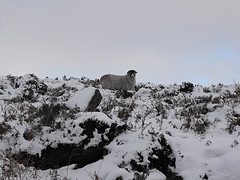
Swaledale on Barbrook Moor by Derbyshire Harrier


On another note Swaledale milk can be used to make cheese there is one there was a mention in the Fleece and Fiber Sourcebook by Deborah Robson and Carol Ekarius of the Swaledale Cheese Company. However, their brand of swaledale cheese may be made with sheep, goat or cow milk. They have keep the cheese making tradition of Swaledale intact, and that is quite an achievement.
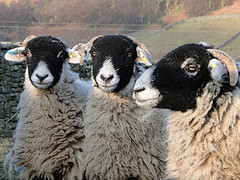
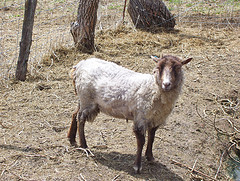
3 beautiful Swaledale by derymay on flickr

I also found a new word term associated with sheep that I haven’t heard before. That some of these sheep according to The Fleece and Fiber Sourcebook are hefted or heafed sheep. You know me when I hear a new term I need dictionary definition so here goes. From www.freedictionary.com :

heafed sheep

sheep such as Herdwicks and Swaledales in the UK that graze the same area of unfenced hill area without shepherding, year after year, and teach this behavior to their lambs. Also called hefted sheep.
 
Interesting that sheep can have such a homing instinct after years of evolution. I guess back in the old days the sheep were basically sold with the farm. I’ve tried to find out what happens to hefted sheep if the land is sold but I couldn’t find any information on the subject. 
 
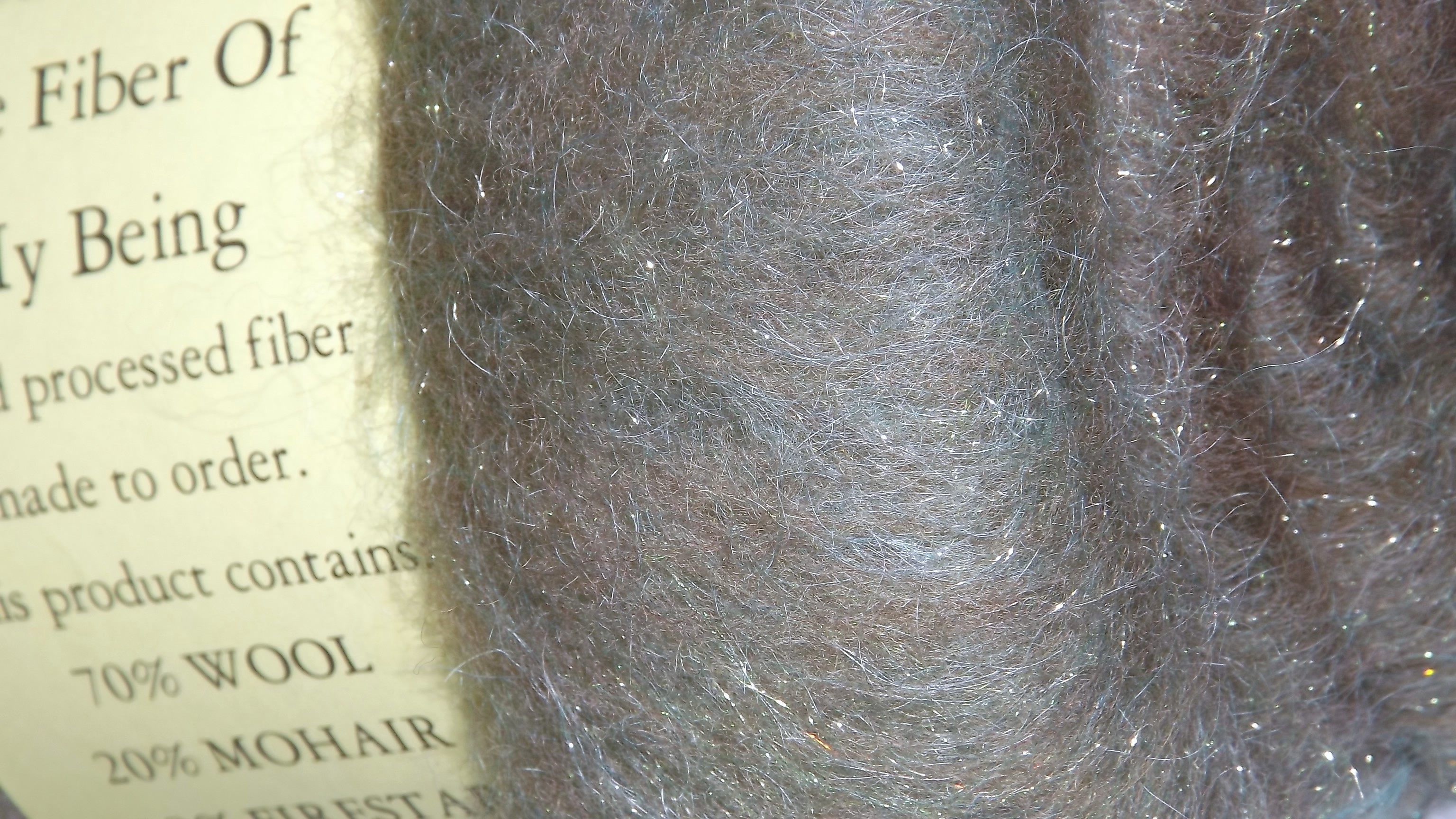
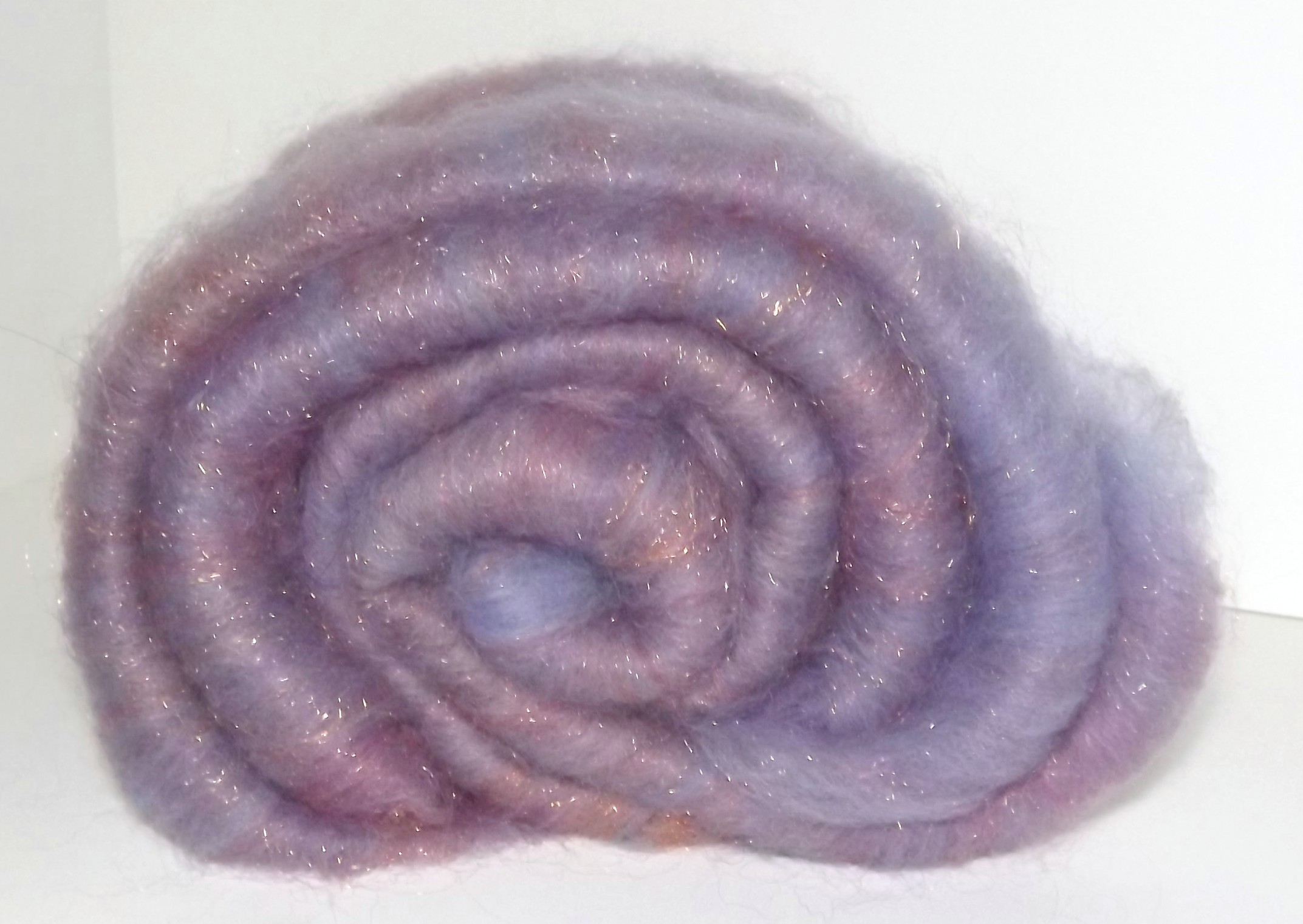
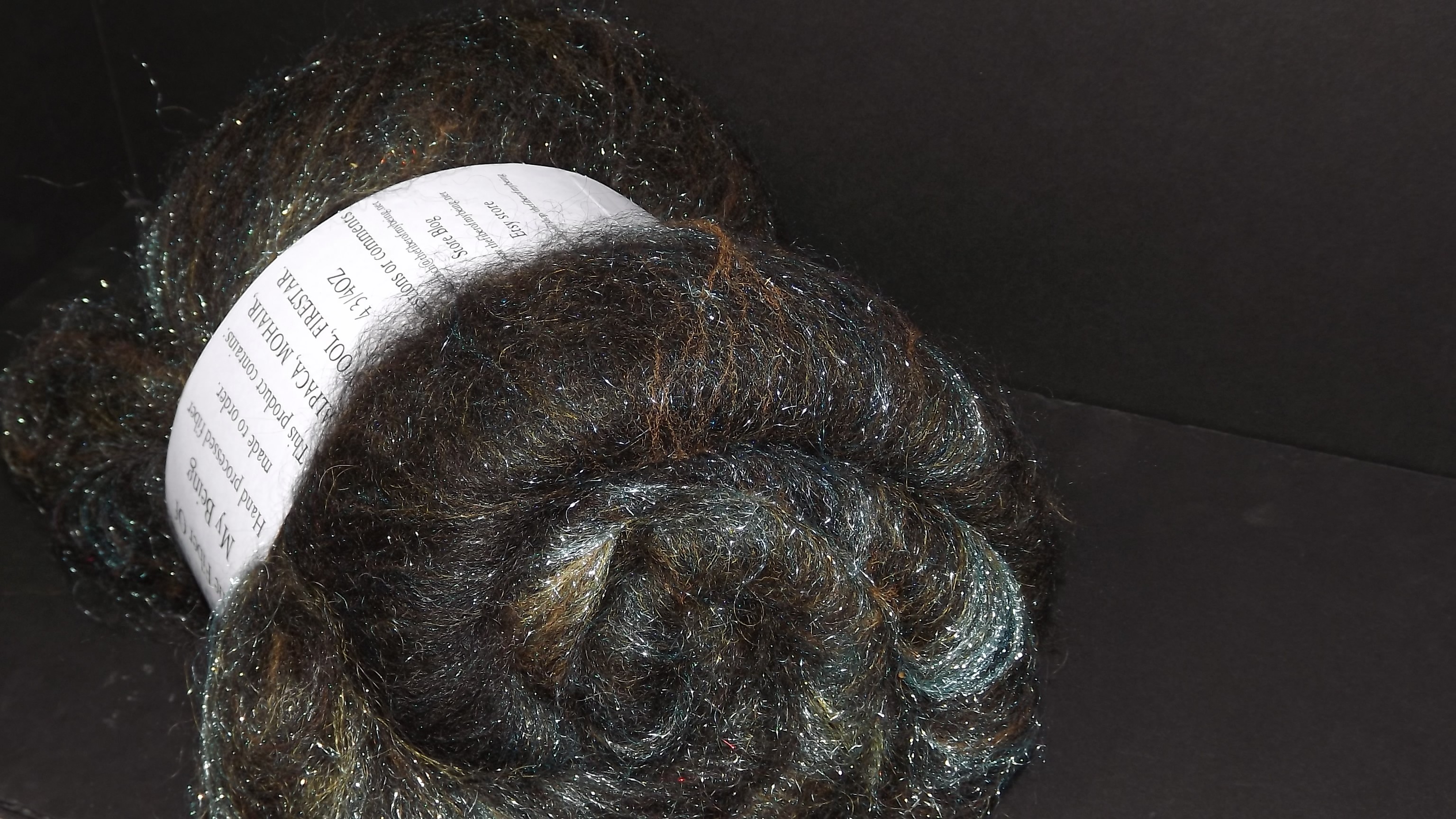
Here is how busy my dyepot has been getting ready for the new Basic Fiber Blend. The new blend is 70% wool , 20% mohair, and 10% firestar. The colorways are repeatable and will each have their own name. I may have some fun with the naming process maybe a contest to name the colorway?
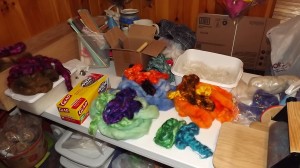


New colorways at The Fiber of My Being

 
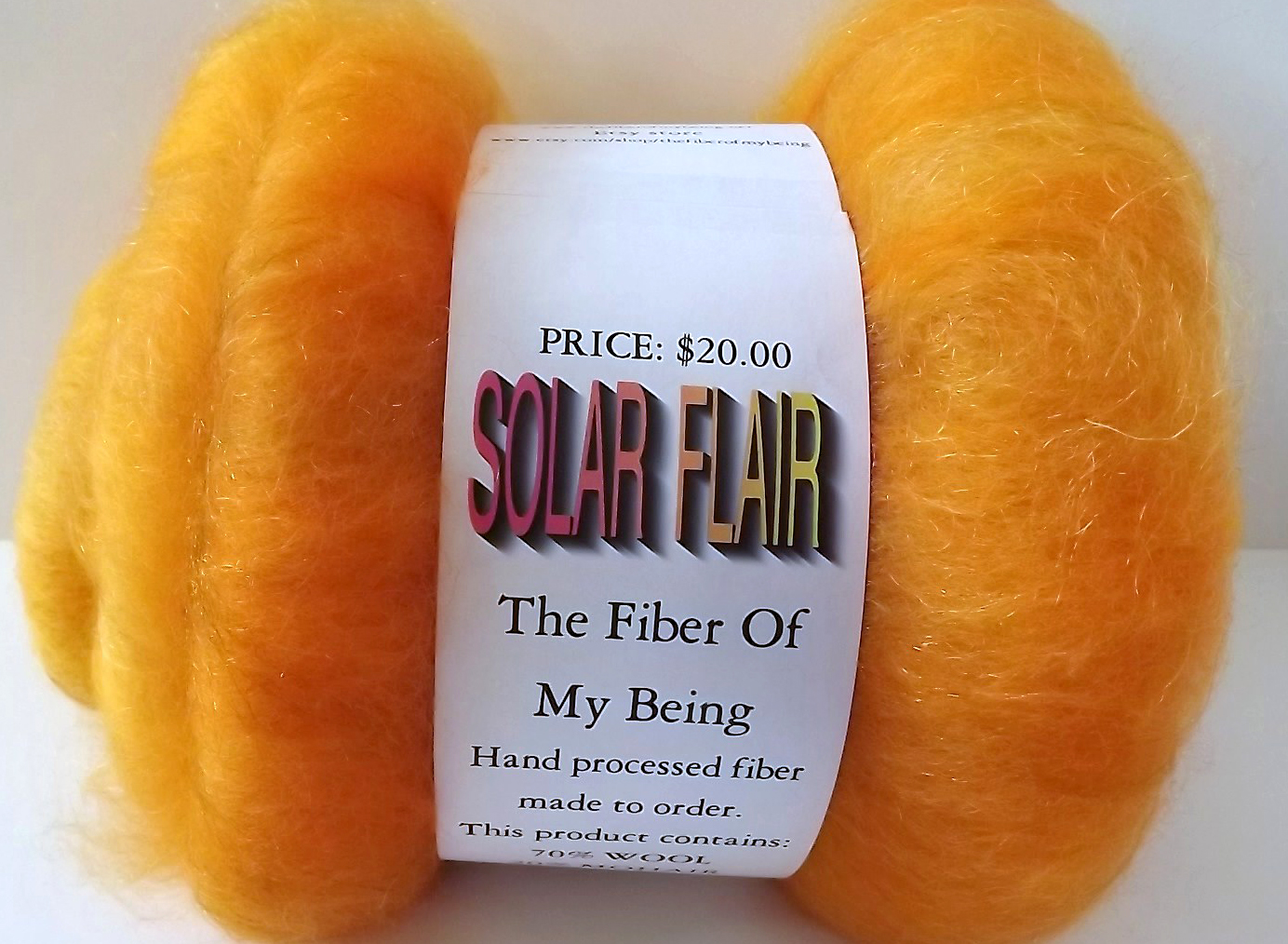
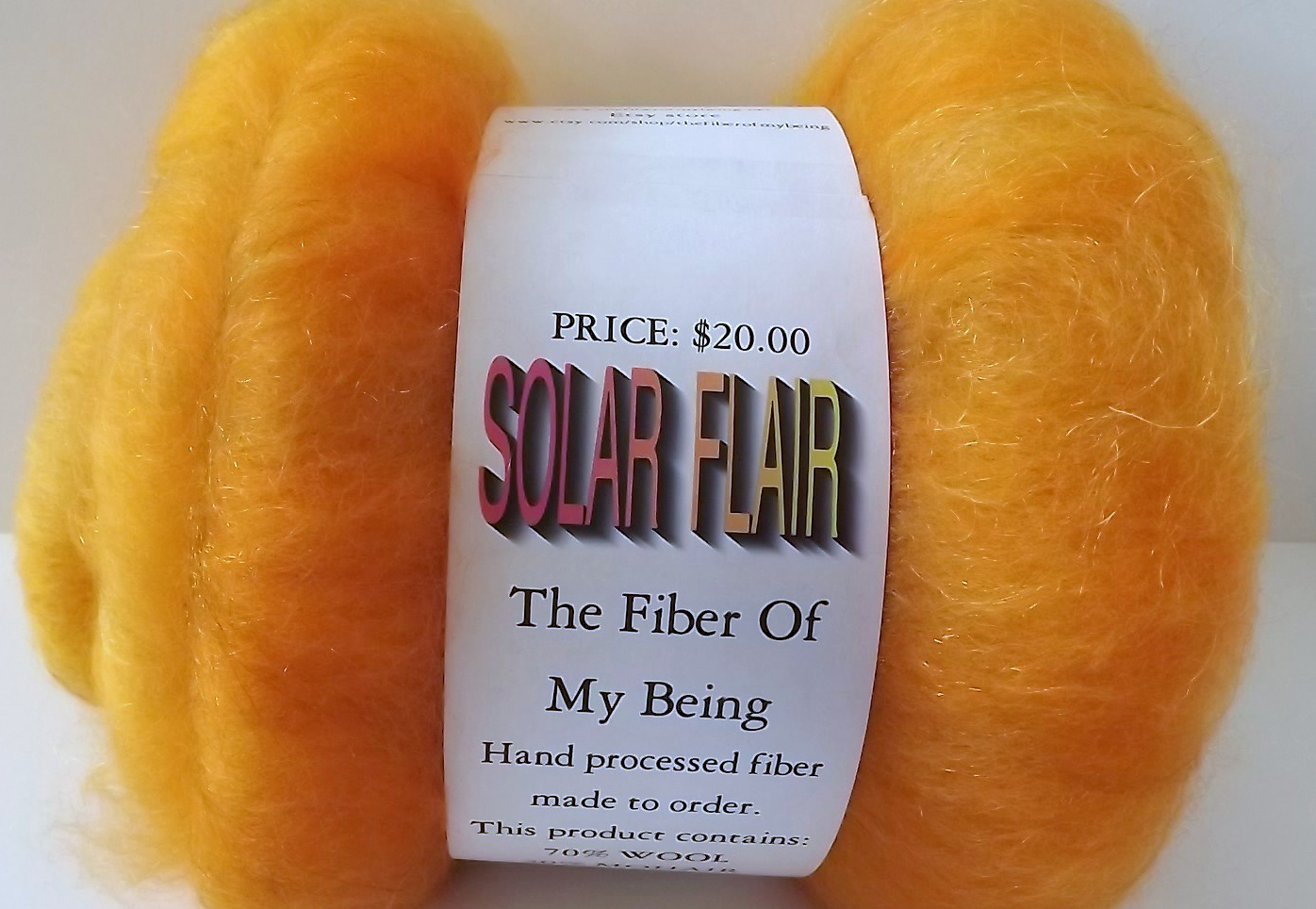
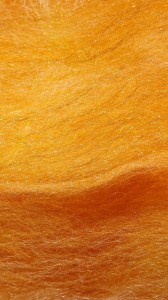
New colorway going into this  store asap. Check out Solar Flare.
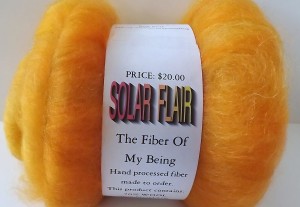
 

Solar Flare Spinning Fiber by The Fiber of My Being
 

Deyaneria on February 16th, 2012

I thought I would be back to work by the Monday after surgery. I was wrong.  Saturday found me laying in the bed in tears due to the pain in my jaw. I have gotten a secondary infection from the impacted wisdom tooth. I was miserable.  However after a few more days and stronger antibiotics. I’m starting to feel better. I’m going to take the rest of this week off and get back to it next week. In the meantime here are a few pretties to tide you over. These are repeatable colorways I am introducing. I would love to hear what you think of them so feel free to leave a comment or two.
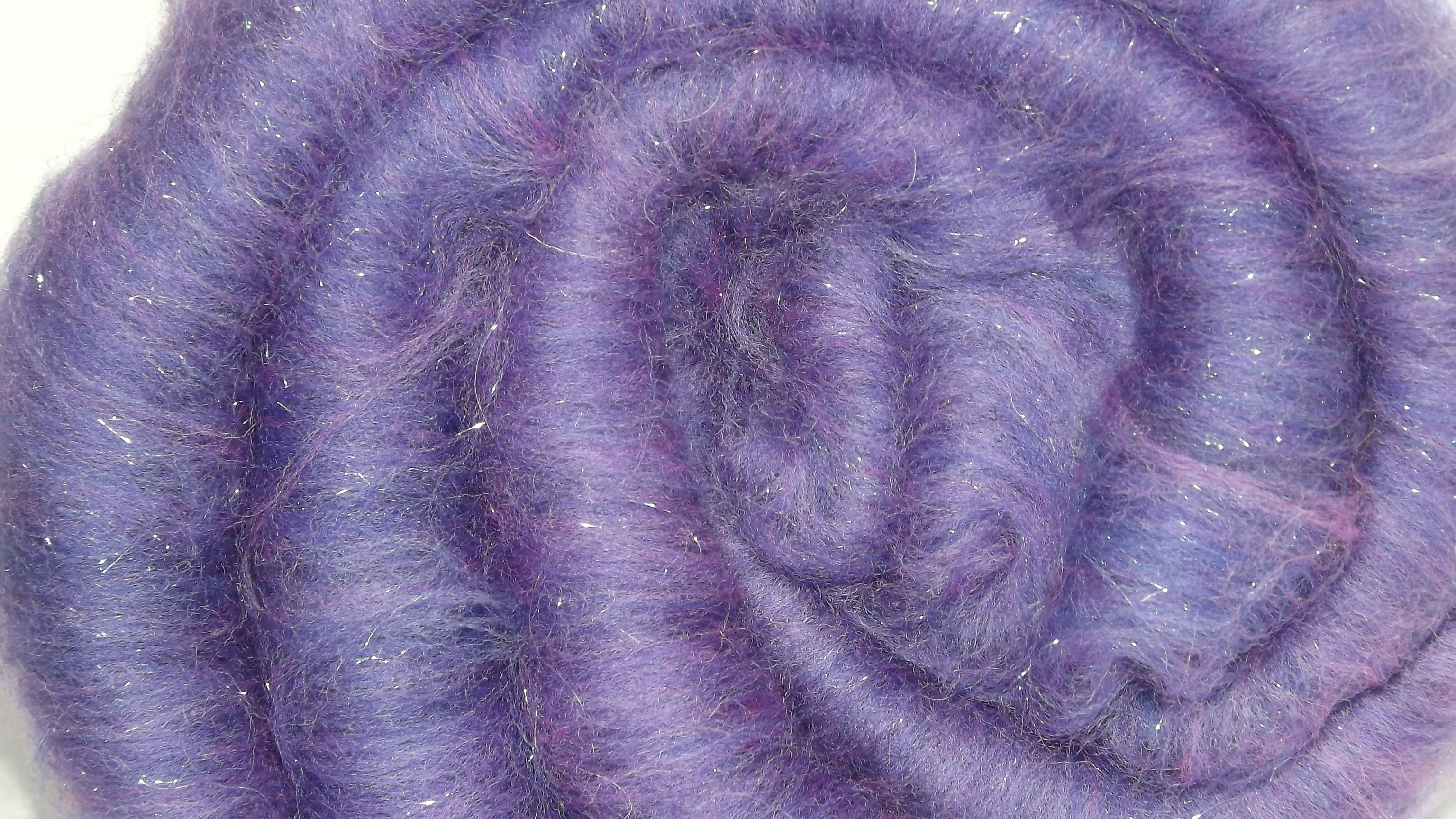
Pipevine Swallowtail coming to the store soon!


Peach Nebula available soon!


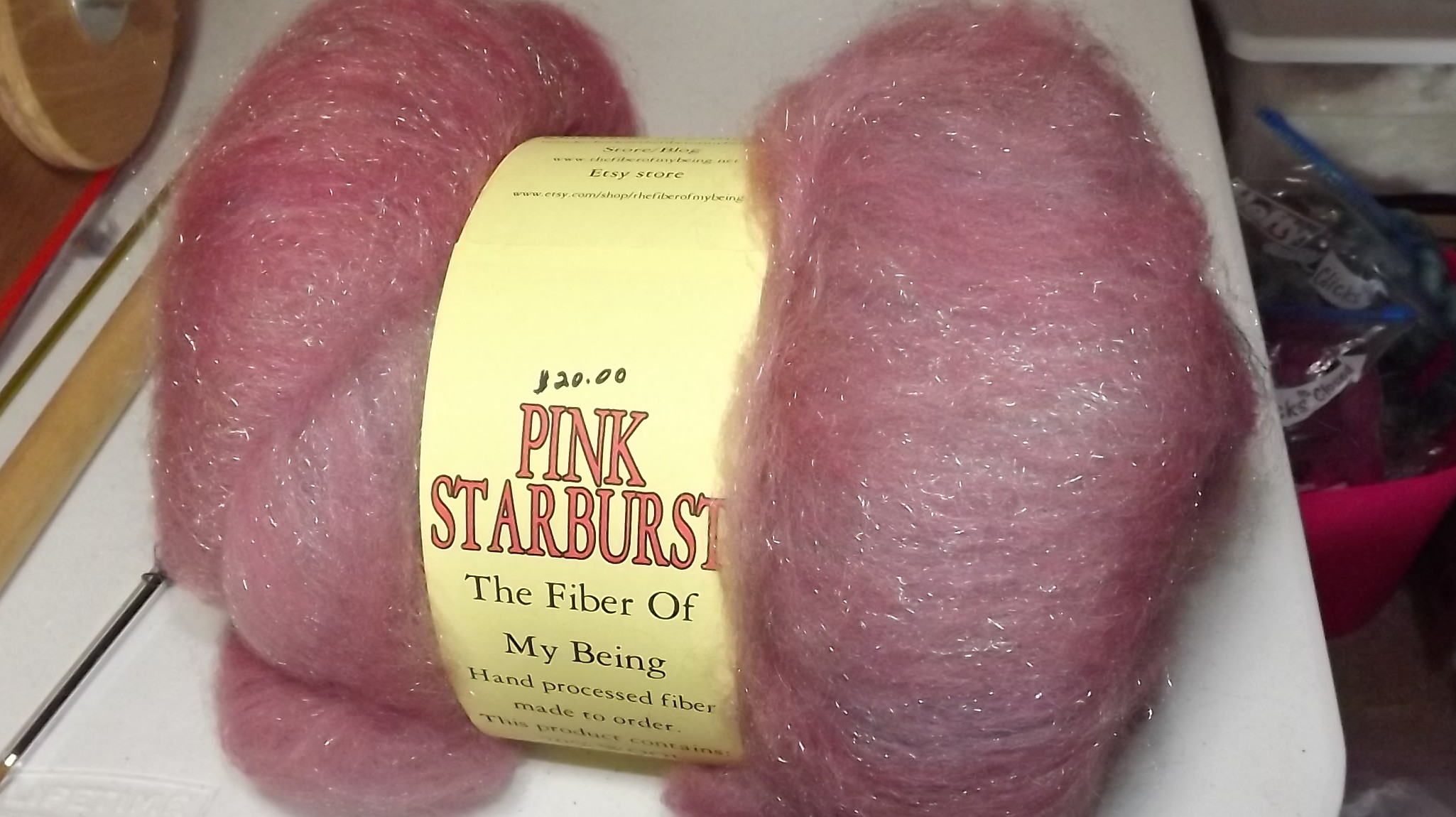
Pink Starburst Available soon!


Gaia Available soon!

Deyaneria on February 8th, 2012

I found that shetland wool come in 3 types and this a fascinating to me as the only other animal fiber that I have found thus far that has this trait are pygora goats.

One type of fleece is what they call single-coated or Kindly. The wool is of uniform length and can be rooed or shorn.    Ok I had to stop right here as I have encountered a term I hadn’t heard before. What is rooed or rooing? Roo – to handpluck the wool off of a sheep (I’ll talk more about this later). Anyway back to the single-coated fleece. Short staple, typically 2 to 4 inches in length. Has a tendency to collect debris, but this can be easily removed through the use of the combing process during fiber preparation. Ideal for the softest, next-to-the-skin garments such as baby clothes.

Single coated shetland fleece from Windswept Farms


Rolled kindly fleece from Windswept Farms

The second type of shetland fleece is called Intermediate or classic, I’ve also seen it called longish and wavy. It has a 3-5inch staple has defined locks a nice crimp and an easily seen “tip” structure to the locks. This type of fleece is very open and spins worsted well.

Long and wavy fleece by Windswept Farms


Rolled Long and Wavy Fleeve by Windswept Farms


The last type of fleece is a double-coated, beaver or primative fleece. This type of fleece has a long staple over 5 inches sometime even 10 inches in length. The outercoat is hair-like while the undercoat is downy. There can be great variation in this fleece. The coats can be separated for different applications.


Double-coated shetland fleece by Windswept Farms


Rolled primative fleece by Windswept Farms

 I found out that some more about rooing or plucking a sheep. From the information I was able to glean from NASSA and Shetland Sheep Info. Some shetland sheep pretty much molt like my cashmere goats do every spring and plucking the fiber off by hand is rooing the sheep. Shetland Sheep Info has a great tutorial on Rooing. I also want to thank NASSA for their great site with tons of useful info. I also want to thank Mike Ludman President of NASSA and owner of Windswept Farms for use of his great pictures of fleeces. Check out their fleeces, rovings and yarns.

PS I was looking for a micron count of shetland fleece I found that usually shetland fleeces range from 20-30 microns.

Deyaneria on February 7th, 2012

Lovely Shetland Sheep by despinkamer on Flickr

This week I want to talk about shetland wool. I thought it would be similar to most of the other wools I have talked about. However I found it very interesting as shetland wool has more to it then I first imagined.

Colored shetland babies courtesy of howard half farm animals and lighting on flickr

Onto the sheep: The origin of Shetland sheep are the Shetland Isles but now they are bred and kept in many portions of the world. They are short-tailed, landrace sheep. They are small hardy breed that are adaptable and able to thrive in poor conditions. Shetlands have retained many of the primitive characteristics which makes them an easy to care for breed.(info from Wikipedia)

Shetland Sheep after shearing by woodmosaics

The wool produced has been a valuable commodity, I remember reading in a few places about the fine shetland shawls that could be pulled thru a wedding ring. Amazing knitting if you ask me. I also found that many tweeds are produced by from coarser shetland wools. Of course the Isles are famous for their multicolor knitwear using fair isle knitting.

Shetland lambs playing by dawadderman on flickr

The sheep themselves are a small breed with rams weighting in between 90 – 125 pds and ewes coming in between 75-100 pds. They are small bodied with no wool on the face, nose or legs. Rams usually have horns and ewes are polled. Shetlands have a variety of colors and patterns, many of which are named. Most of this lovely information came from NASSA ( North American Shetland Sheepbreeders Association). Next time I will go into the types of shetland fleeces the super fascinating part of shetlands IMHO.


Deyaneria on February 4th, 2012

I really dig my Bfl. It is soft and squishy with a hint a crispiness. I got two different preparations to play with: top, and washed fleece.

BFL dyed 

 BFL washed and dyed

 It dyes up beautifully. I used cushing’s acid dyes in wine. I loooove this color.


Peach Nebula

I know I didn’t post on Wednesday and that normally would make me a bad blogger. However ,it wasn’t out of me wanting to sit in pj’s all day( i could do that anyway and you would never know). I am preparing for surgery next Wednesday and had my B-day this week. Happy 39th to me. I am also debuting a few new lines of spinning fiber in a few weeks. Here is a small sampling will be going to Sister X Two in Dover-Foxcroft, ME. Here are some of the lovely batts.

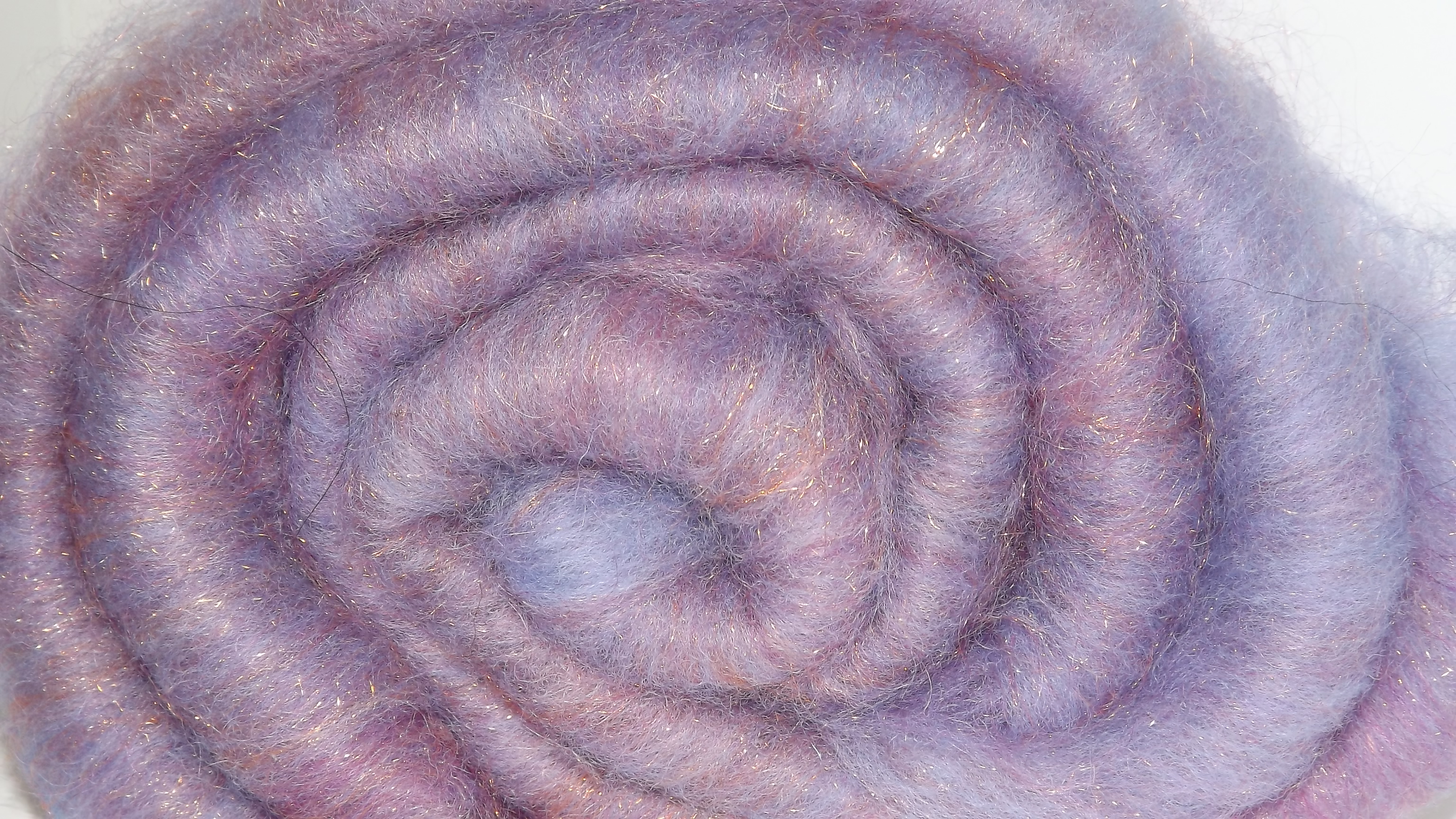
Nebula Colorway


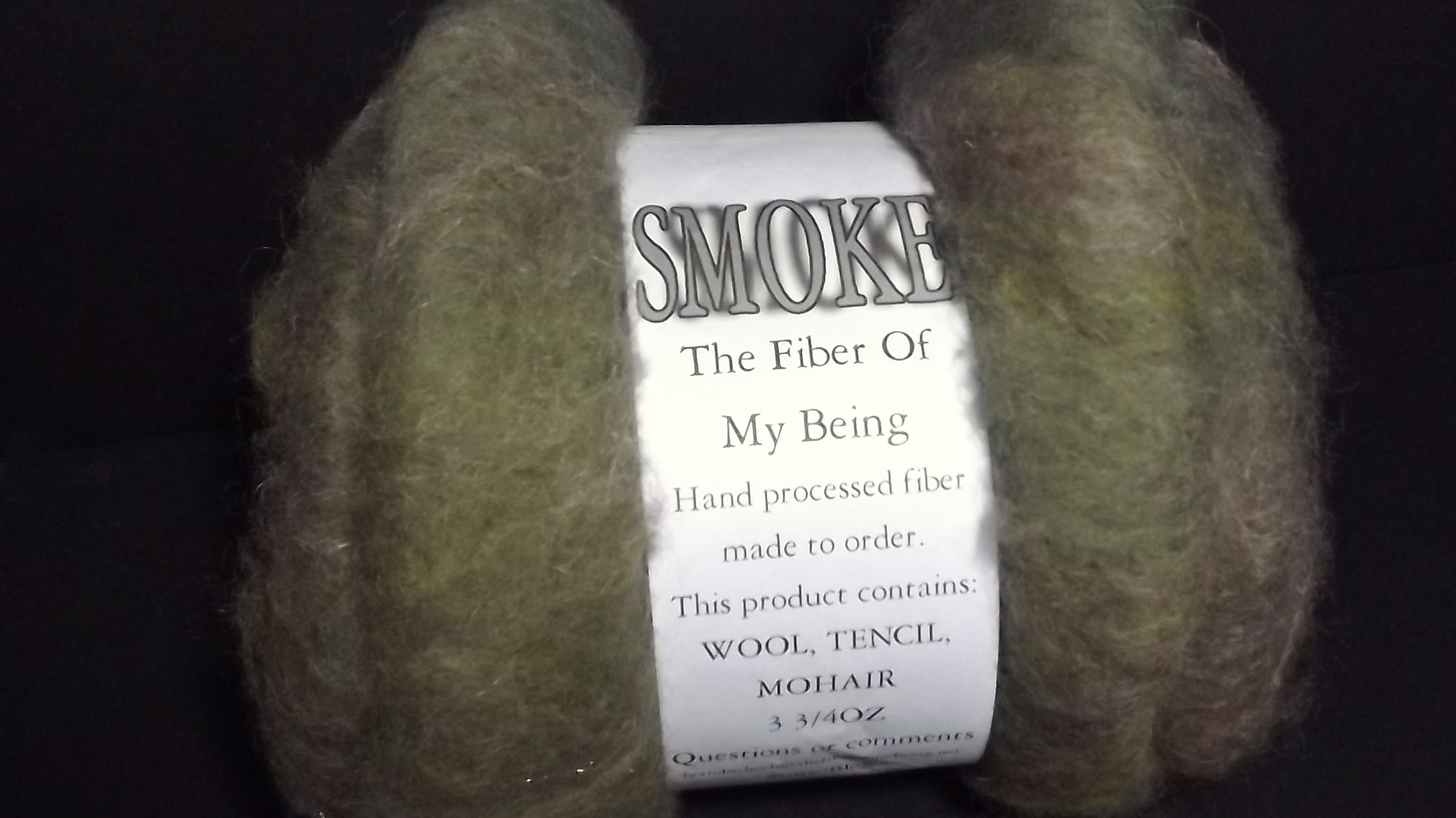
Smoke colorway OOak

Sunset colorway ooakSmoke colorway OOak


Here is the next Butterfly collection series going into the store due to popular demand I will be creating all my batts and rovings in 4 oz increments.


Butterfly Collection - Spicebrush Swallowtail


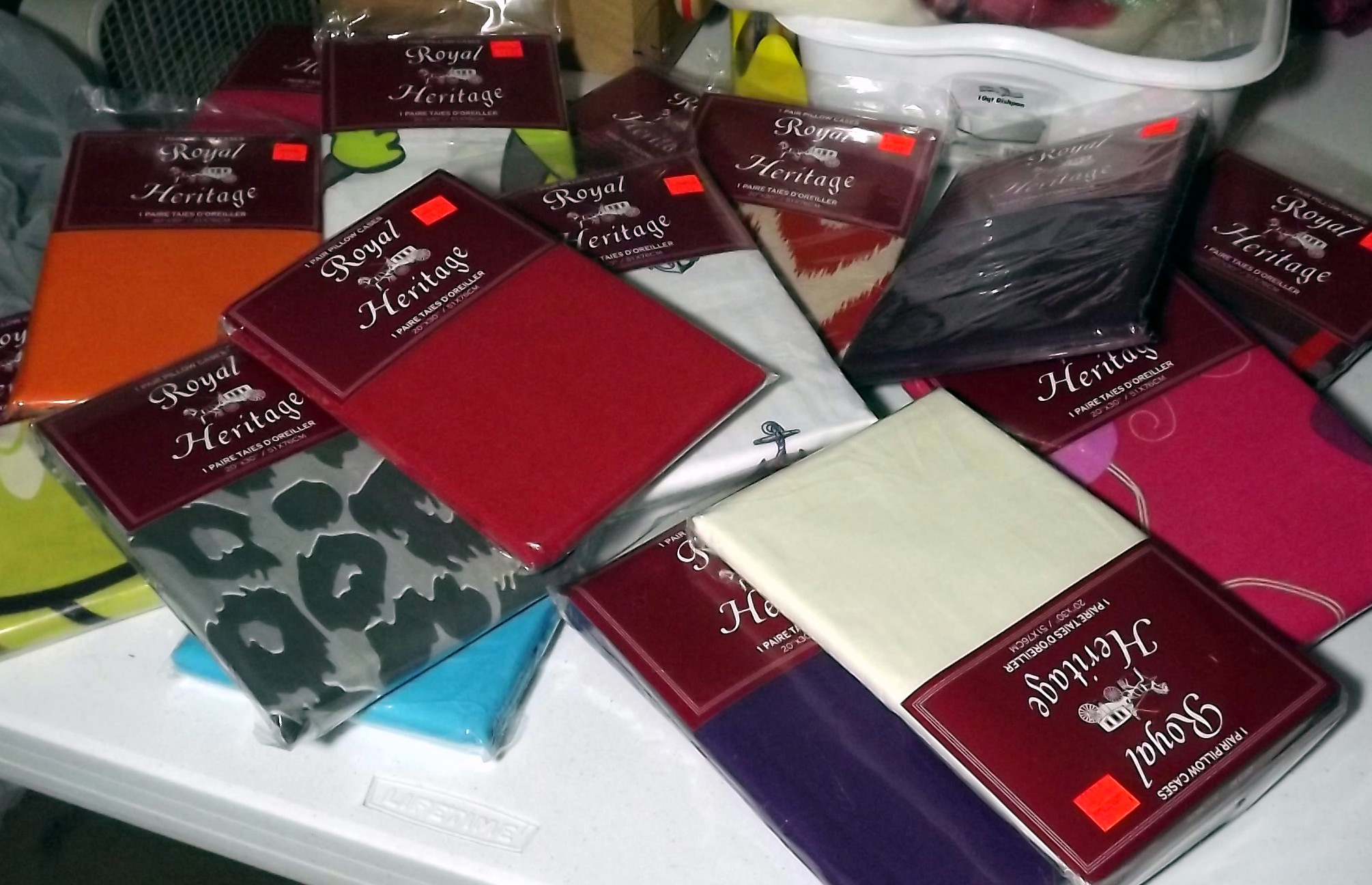
No I don’t have this many pillows, but I do have 37 fleeces to wash and the pillow cases were an amazing 50 cents each. How is that for fleece storage?


Fleece storage

Don’t forget to check out the newsletter. Have a great weekend!


Deyaneria on January 30th, 2012

Blue-Faced Leicester courtesy of Jared Lloyd on Flickr

Blue-Faced Leicester Sheep or BFL as they are know are one of the softest longwools. Descended from the  Dishely Leicester, it is one of 3 Leicester breeds including the  English Leicester and the Border Leicester. The sheep are famous for their roman noses and their dark blue head showing thru white hair as they do not have wool on their faces.

Blue-faced Leicester faces courtesy of flyhoof on flickr

 BFL come in a variety of colors including white, black, and moorit. The fleece  is tightly curled 3 to 6 inches in staple length. The micron count is in the 24 -28 range which makes it a medium wool but I think it feels softer. They produce a fleece weighting around 2.5 to 4.5 pounds.

Playing lambs are so cute! Courtesy of Gorerge n'Rosie on flickr

 I couldn’t resist sharing this last picture it was too cute.

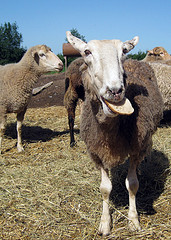
Sheep love bread too! courtesy of carrielovespuppies on flickr

Check out our weekly newsletter it’s chalked full of farm info , new store items, recipes and more!

Deyaneria on January 27th, 2012

The weather has been crazy as I write this. I woke up to  a winter wonderland then it rained , sleeted, and snowed again. I think at one point it was doing all 3 at once.

I’ve  been asked to put some fiber in a local yarn store about 15 minutes away called Sisters X Two. I reviewed their store when they first opened. I have been working hard to get some fiber ready for them.


Disclaimer: I’m sorry my picture taking skills are not up to par today. I’m finding movement difficult after going to the osteopath yesterday.

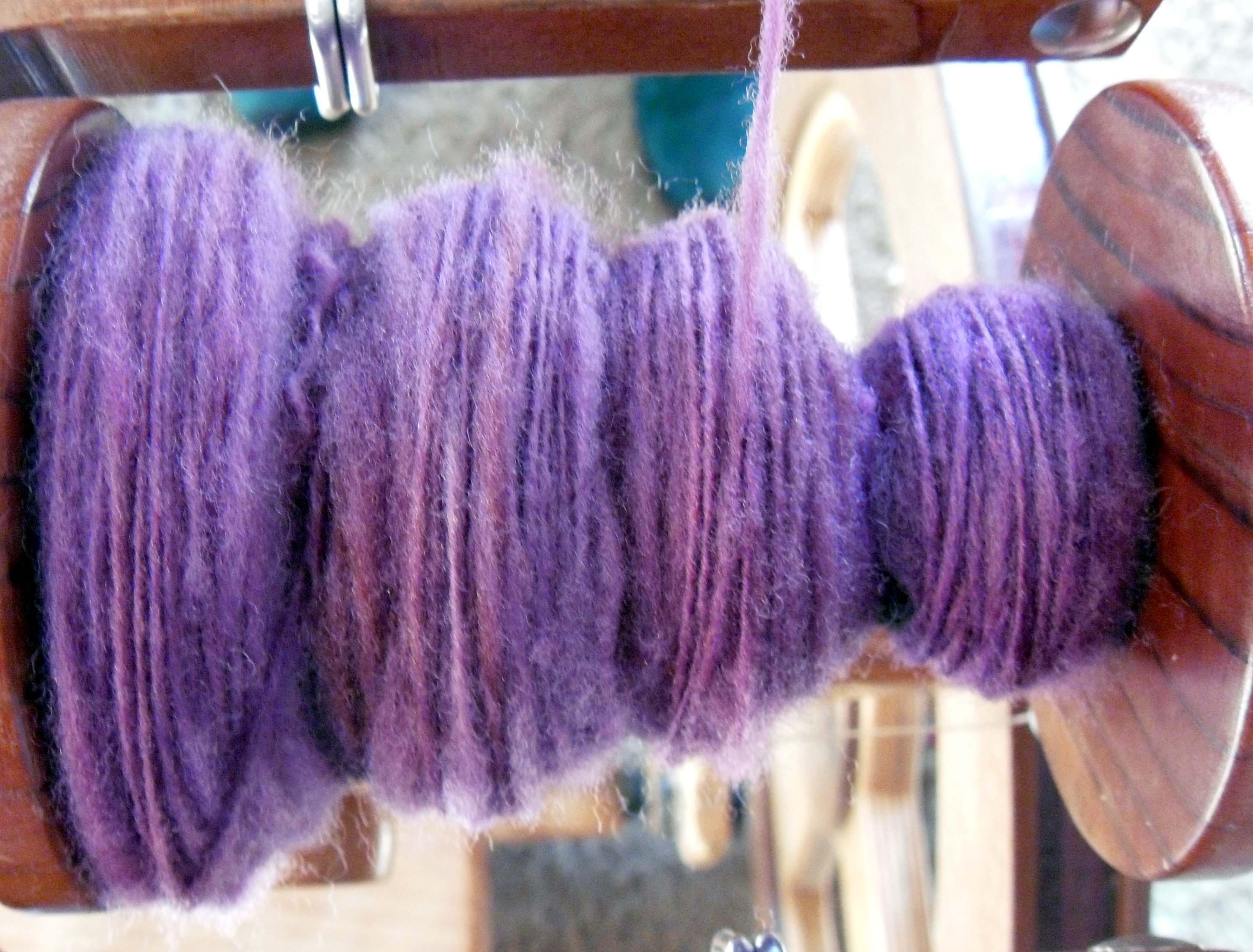
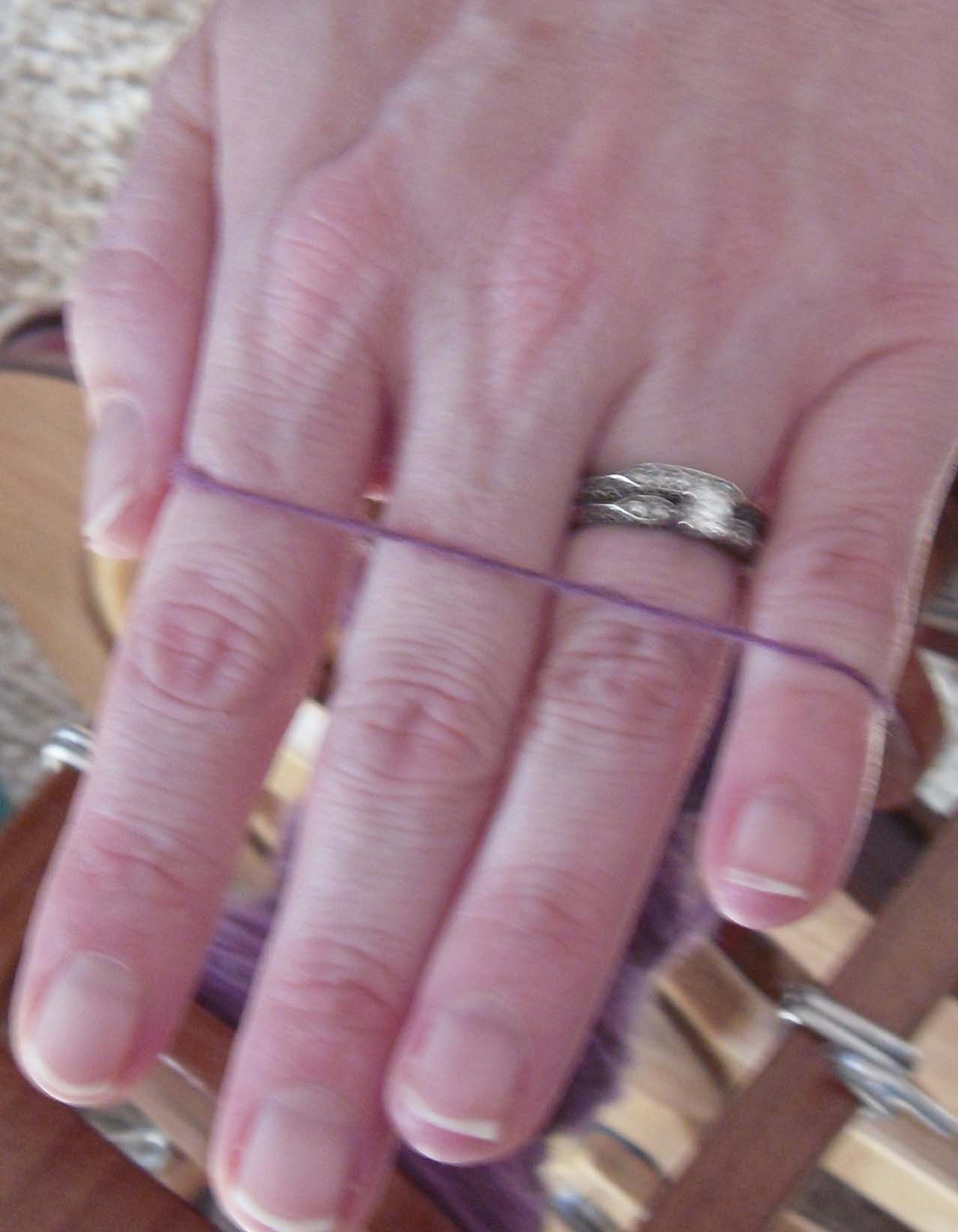
Here is the CVM all spun up. I really made an effort to spin this long draw style.


At least the animals had fun yesterday while we were giving them treats!


Have a great weekend!