I’m updating the blog site hope to be done by monday. Have a great weekend.
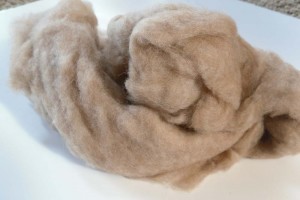
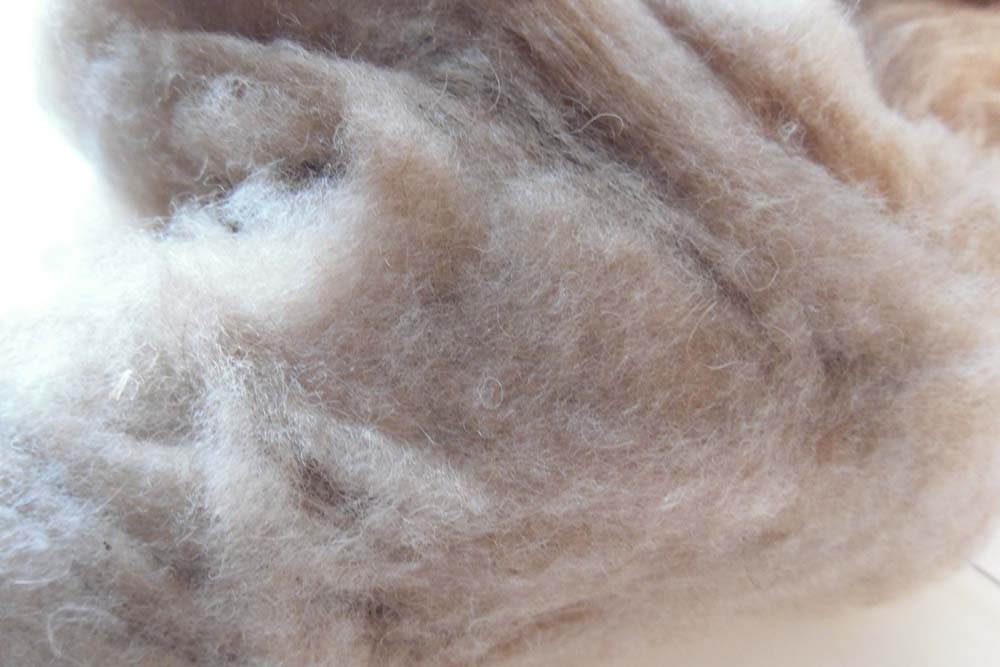
I picked up some camel fiber and fell in love with the first touch. I had to find out more.
Picture courtesy of Michael Pereckas
Camel hair is, variously, the hair of a camel; a type of cloth made from camel hair; or a substitute for authentic camel hair; and is classified as a specialty hair fibre. When woven into haircloth, using the outer protective fur called guard hair, camel hair is coarse and inflexible. However, other varieties of camel hair cloth—especially those that blend camel hair with wool— or from the pure under coat are soft and plush. Pure camel hair, frequently used for coats, is gathered when camels molt in warmer seasons. This undercoat is very soft, and is separated from the dense, coarse guard hair for cloth use(wikipedia).
So I guess what I have is the undercoat of the camel as it is deliciously soft.
Camel hair is collected from the two-humped Bactrian camel, found from Turkey east to China and north to Siberia. Significant supplier countries of camel hair are: Mongolia, Iran, Afghanistan, Russia, China, and Australia.

- John Hill took this photo on a trip along the Southern Silk Road between Yarkand and Khotan.
A camel can produce around 5 pounds of hair a year. The specialty animal fibre is collected by a number of methods including combing, shearing, and collecting the hair shed naturally during the moulting season. During the moulting season the hair falls off first from the neck, then the mane and lastly the body hair. The moulting season occurs in late spring and is a process that takes six to eight weeks.
The color of camel is primarily golden tan with a variance of red to light brown tones. Camel’s hair is also a fibre that supplies warmth without added weight. The hair contains thermostatic properties which can protect and insulate the camel from the extreme cold conditions as well as keeping them cool in the desert. The same properties and characteristics are transferred when making fabrics woven from camel hair.
Just a note I saw on wikipedia said that in 2002 wild bactrian camels were critically endangered ( one step before extinct in the wild). I went and found the recent assessment here. It seems even at 2011 this animal is still critically endangered. Camels only give birth every 2 yrs. So increaseing the numbers is slow, predation by people and wolves has been decreasing their numbers.
The ‘Great Gobi Reserve A’ was established in Mongolia in 1982 and in 2000, the ‘Arjin Shan Lop Nur Nature Reserve’ was established in China. Although the first phase of Nature Reserve construction is now complete, much more work, including the opening of a second Nature Reserve in China is needed(ICUN Red List).
The establishment of a captive Wild Bactrian Camel breeding programme in Mongolia has been established by the Wild Camel Protection Foundation. This is an urgent conservation priority. Only fifteen wild Bactrian camels are currently in captivity in China and Mongolia. With so few captive animals, the whole species could be wiped out if their natural habitats in China and Mongolia are destroyed. It is therefore important to breed enough animals in captivity to insure against this possible disaster(wikipedia).
Here is my camel fiber.
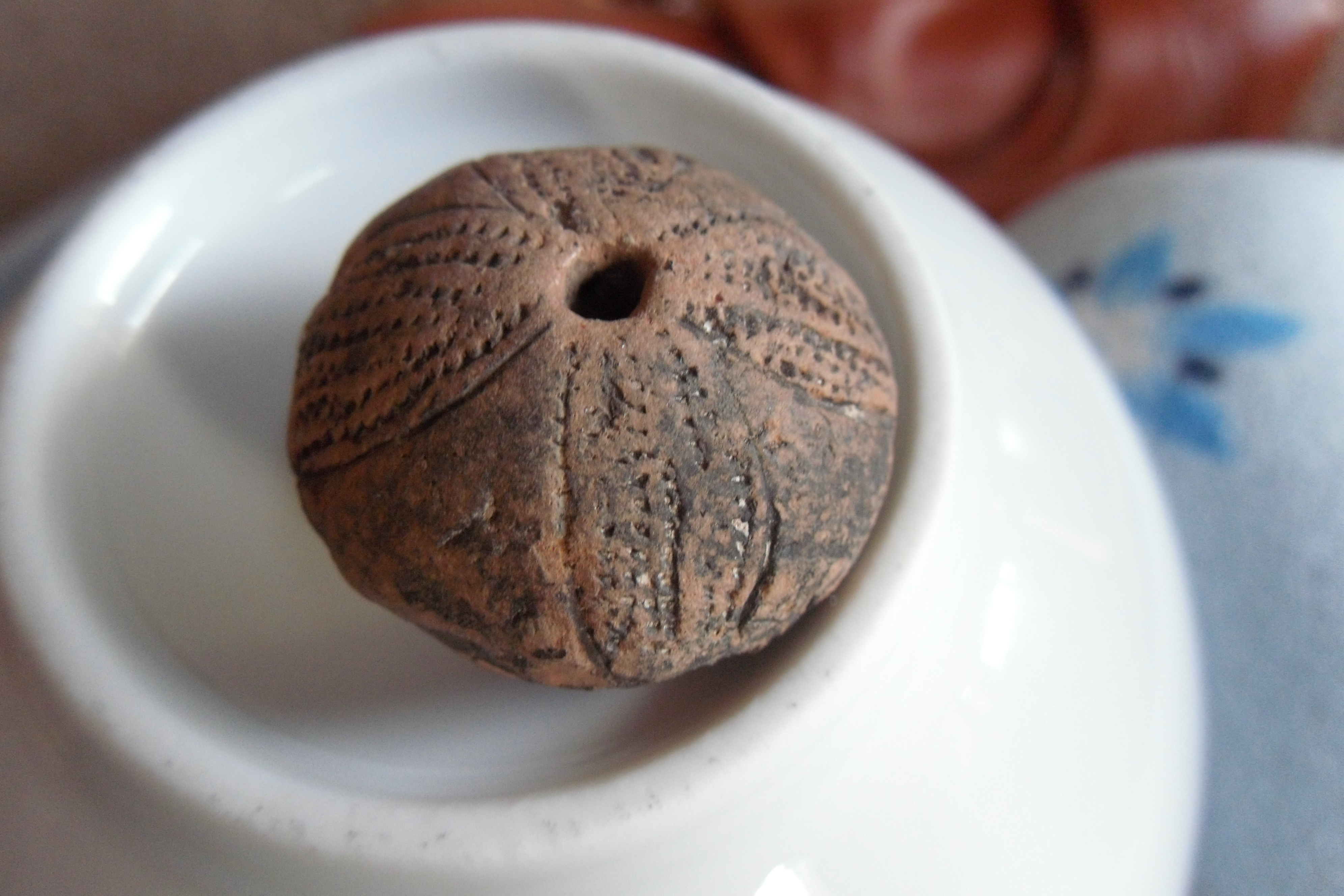
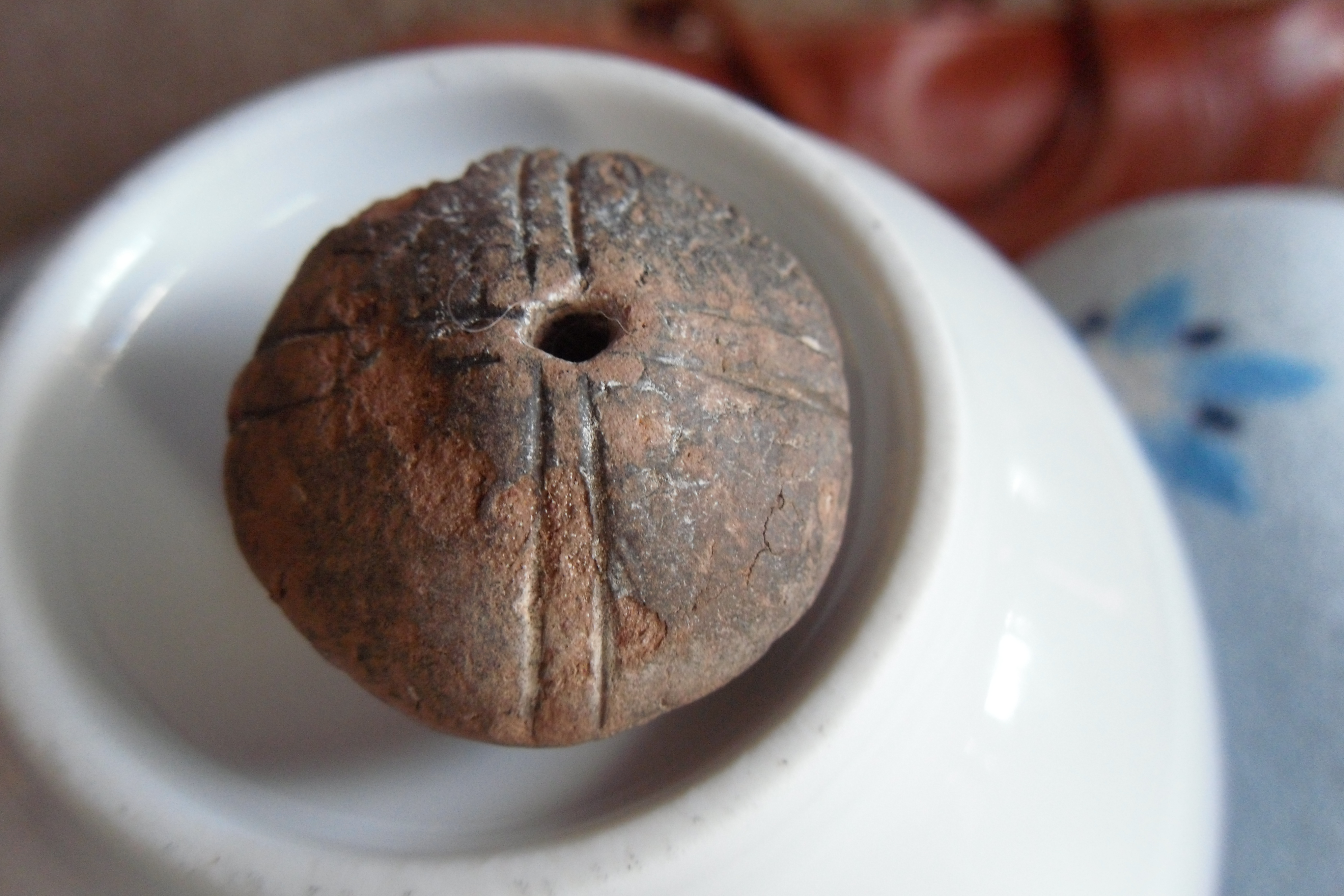
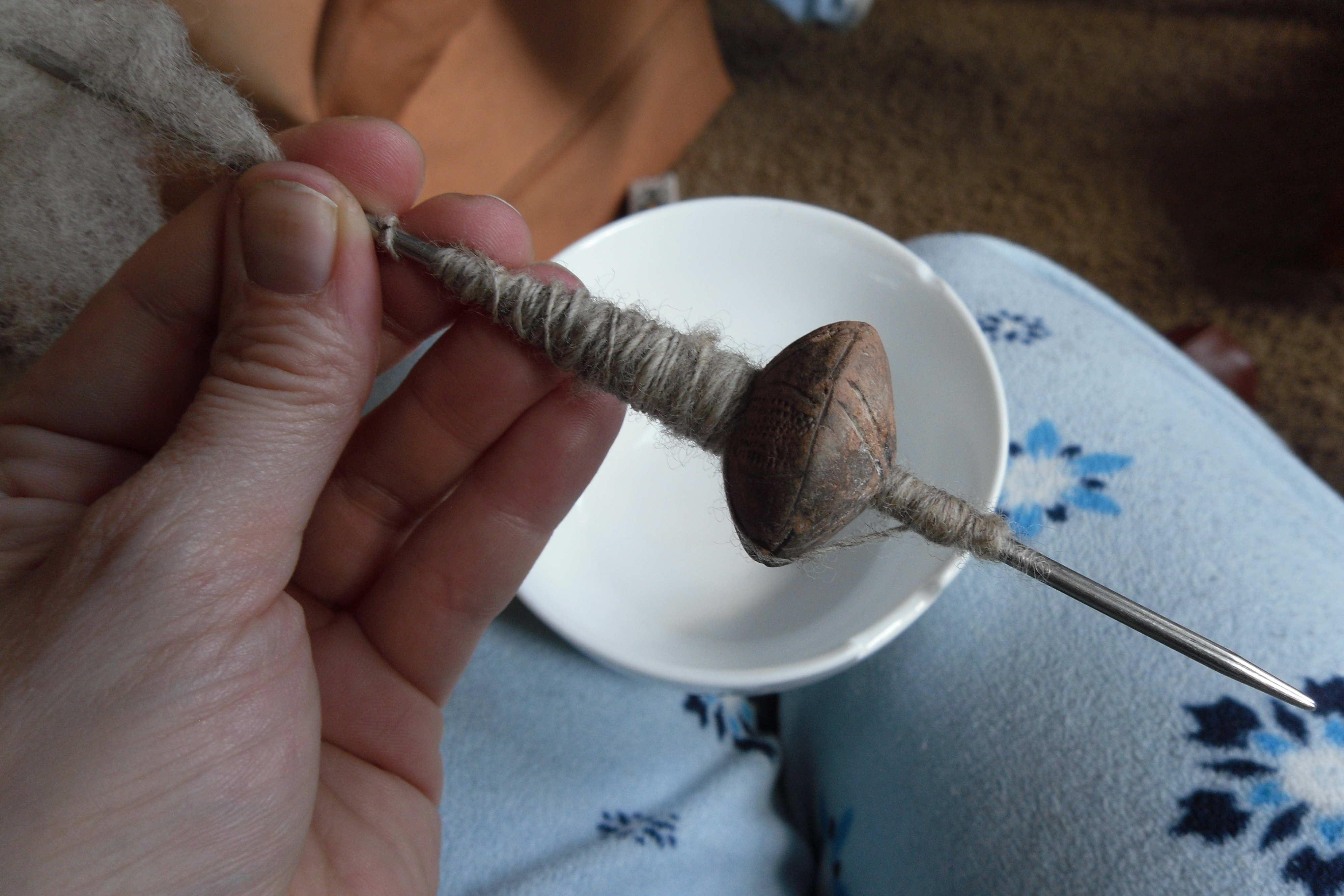
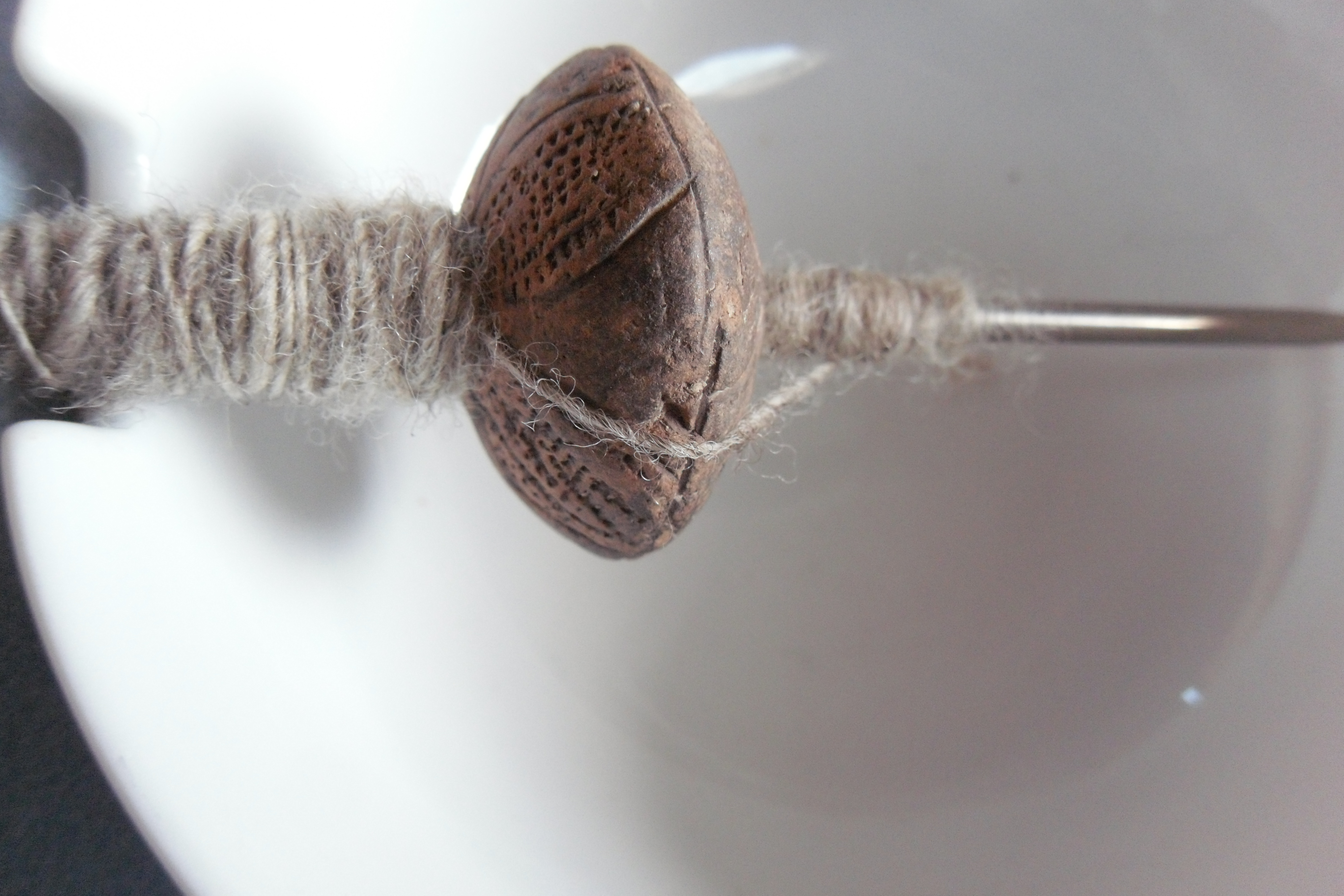
I found an interesting spindle whorl. I was told it was from Africa. It seems to be made from clay. I found a knitting needle worked well for the shaft. I did do a little spinning on it. I used it as a bottom whorl.
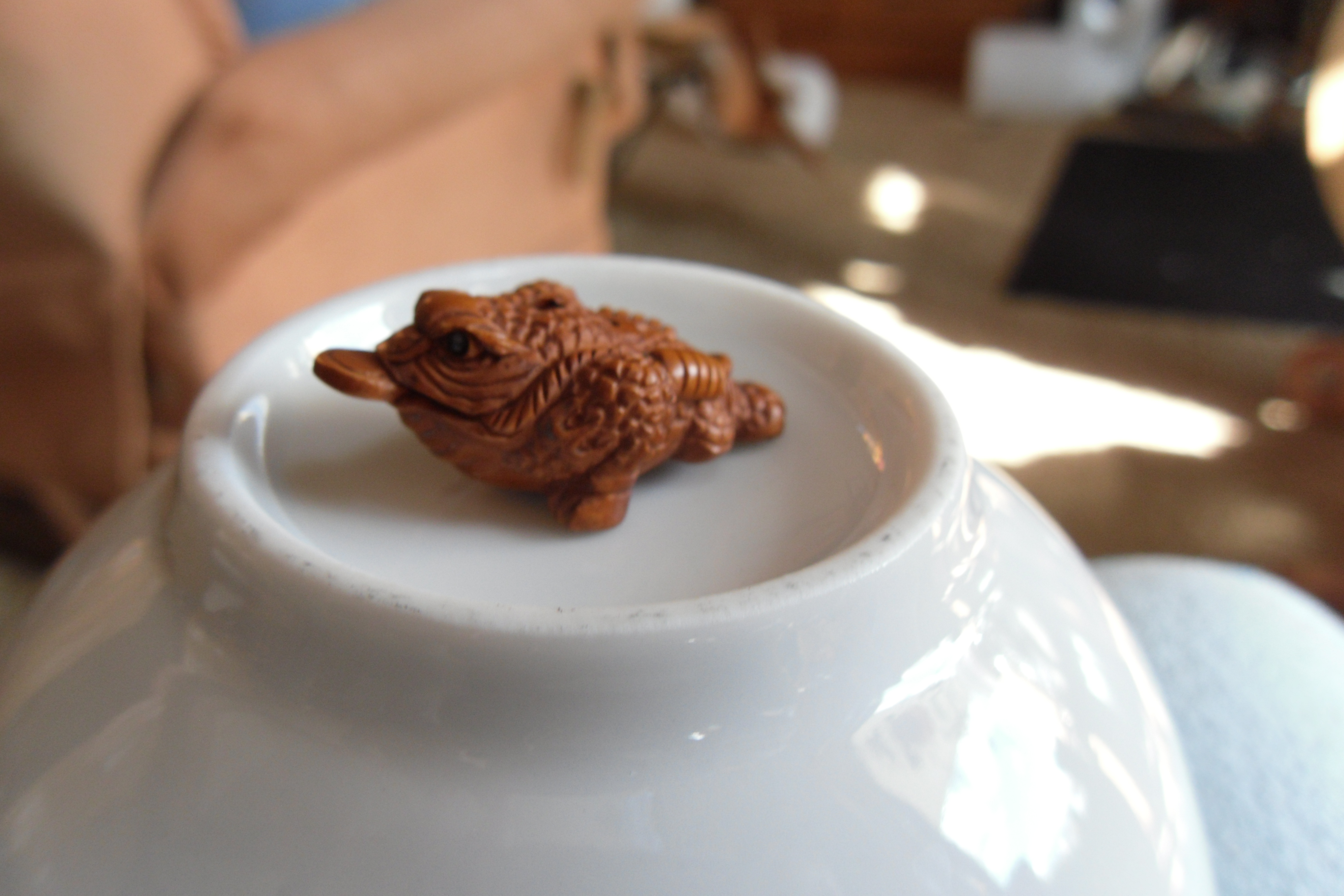
I also found this cute prosperity frog.
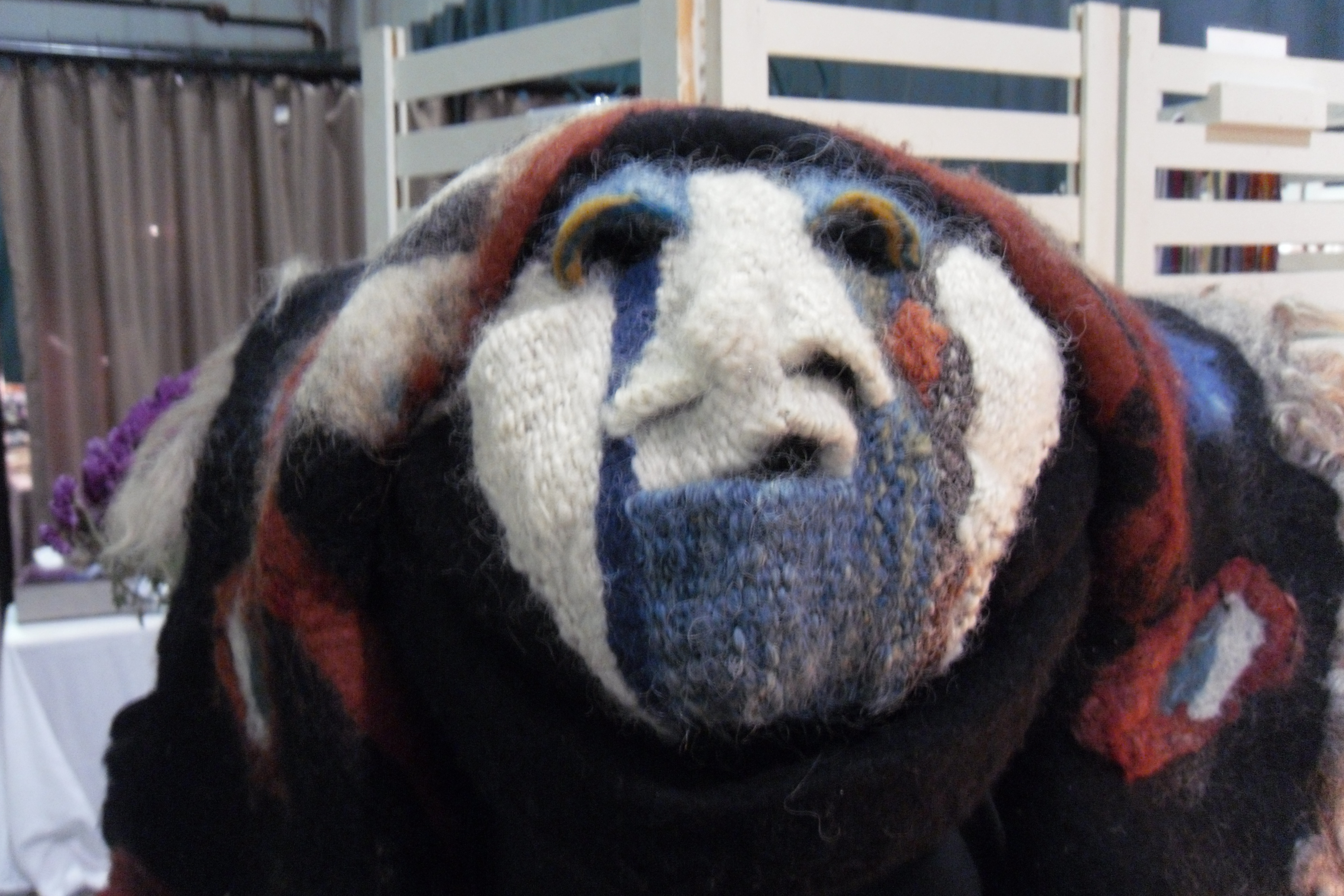
As I moved around the talking to vendors and getting to know people. I realized I was being paged(not over a loudspeaker or anything). Medora had a dear friend she wanted me to meet. That is how I met Susan Barrett Merrill. She is probably one of the most interesting people that I have met in a long time. The best way to describe her is that she lives completely in the moment with you. She has a beautiful childlike exuberance that is tempered with wisdom. I love her woven masks.
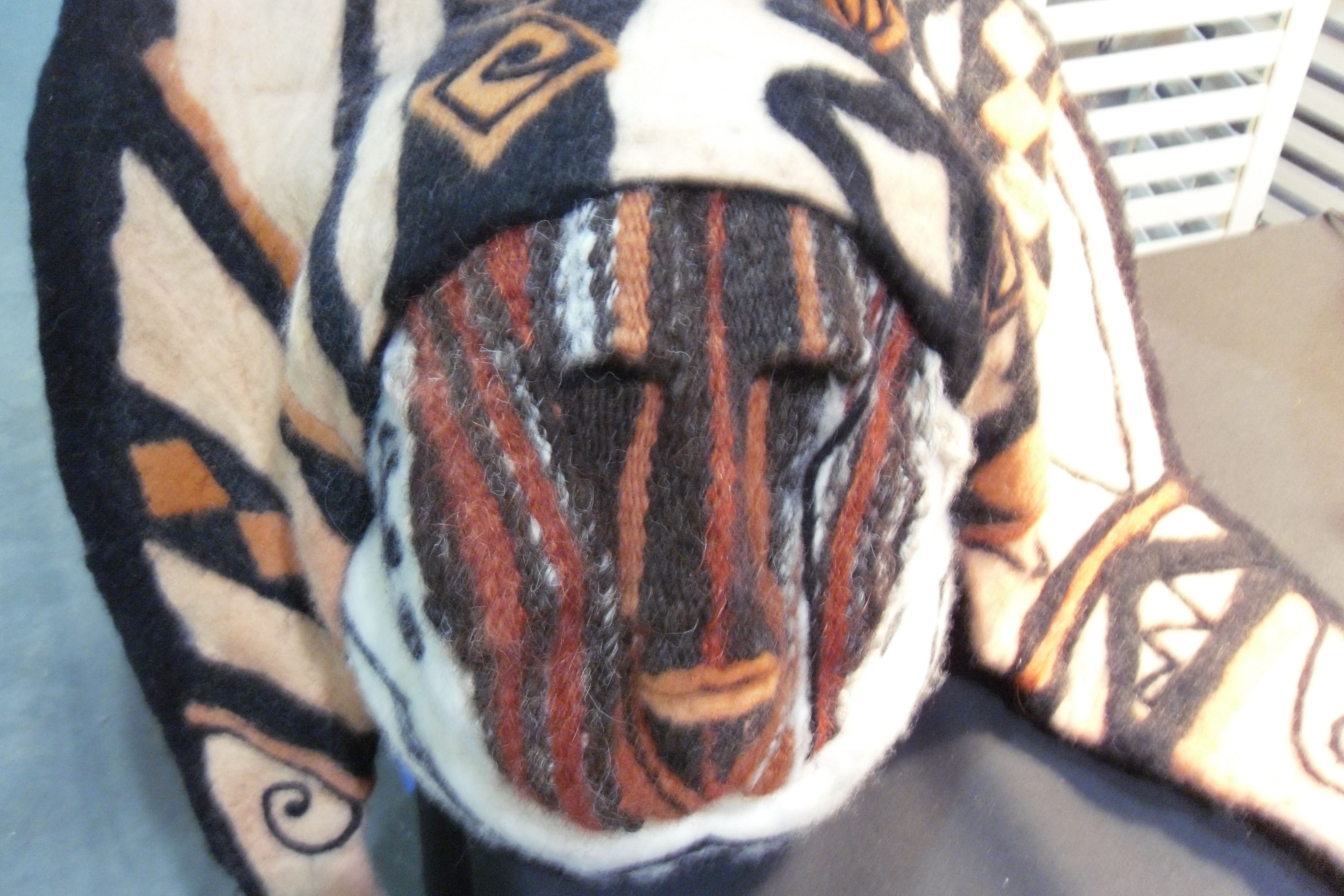
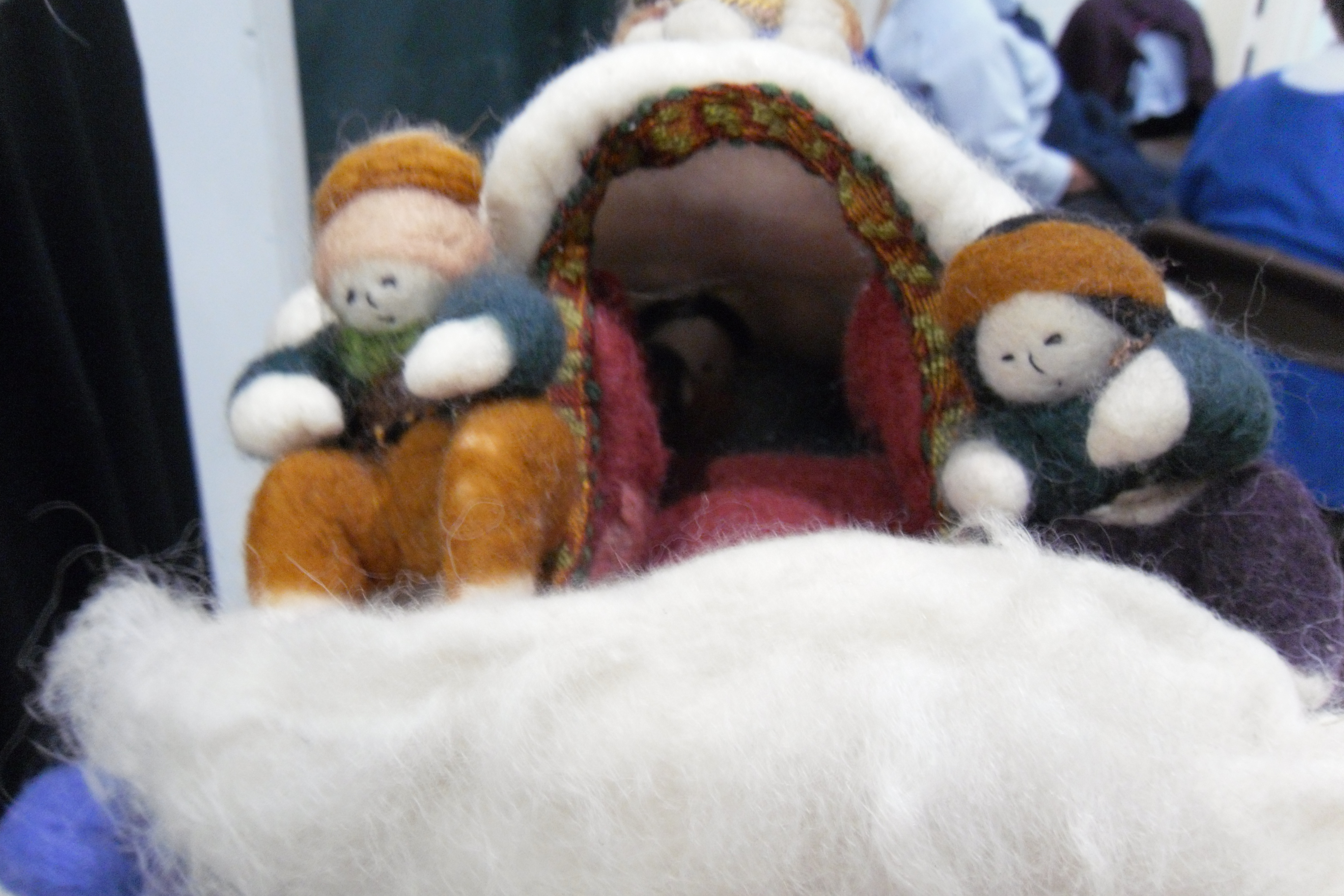
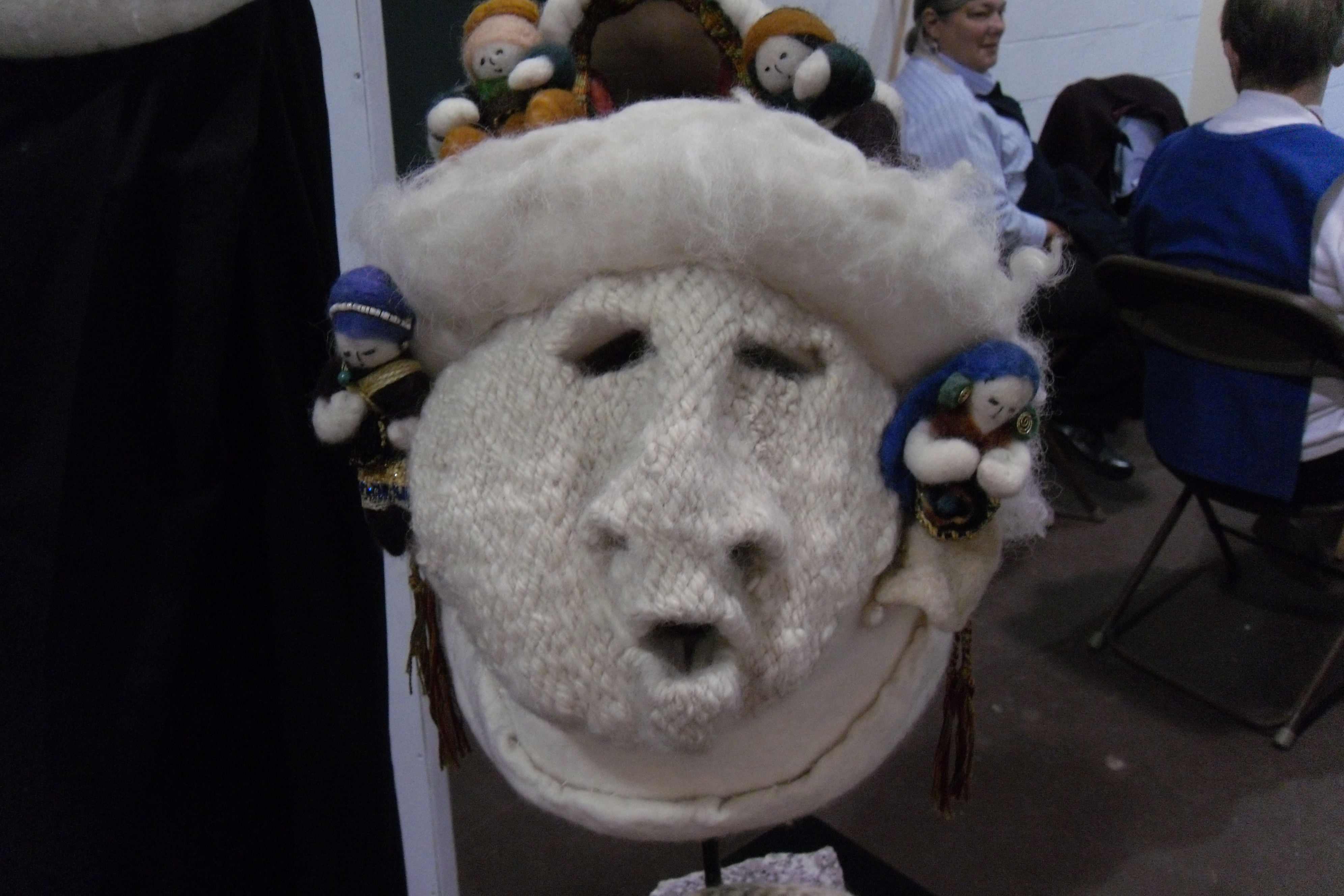
I was able to get wonderful picture of Medora and Susan with their husbands.
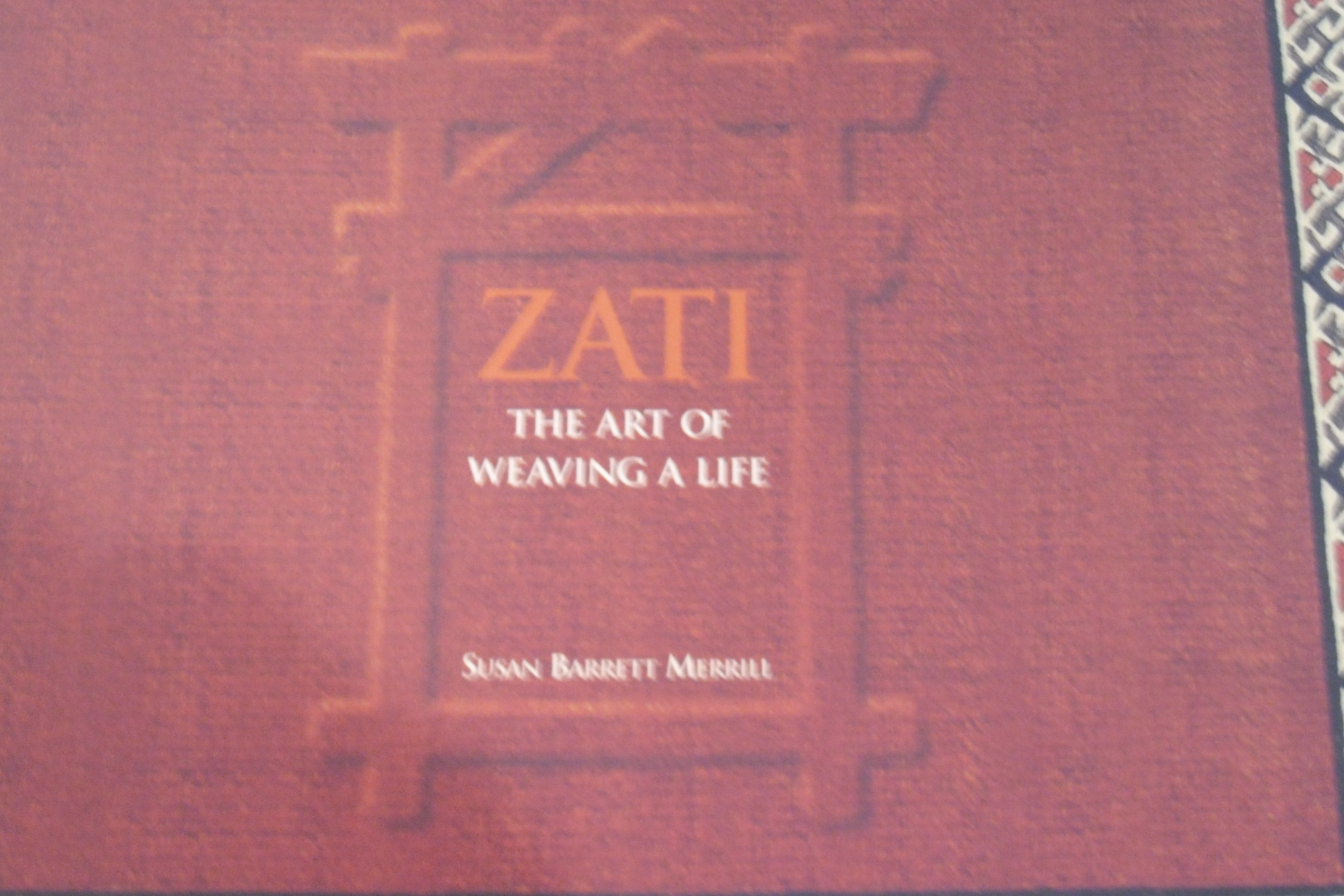
Susan has also written a book. I will soon be reading it.To find out more about Susan, her book, her weavings, and life coaching classes you can find her here.
We paid our 2 dollar admission and filled out the doorprize form. Then I went and made my first round. I’m one of those that walks around and once and then makes the decision of what I would like to buy. I didn’t know any of the vendors(unusual because I usually know someone). After my first walk-thru I knew what I wanted to buy.
I had been wanting some size 8 seed beads for a pattern I’ve been dying to try on knitty. The shipwreck shawl by Bethany Kok. It’s gonna be a challenge and will probably take me 6 months and I’m not a shawl person but I want one to distraction.
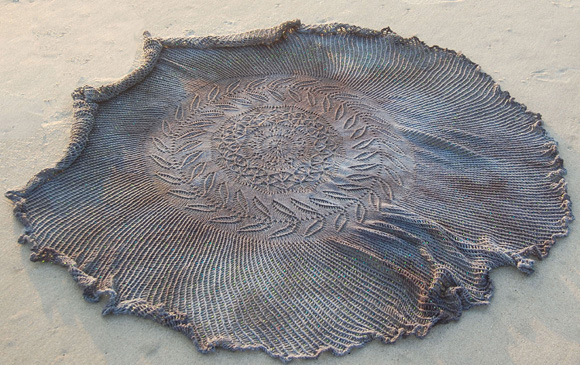
gorgeous isn't it
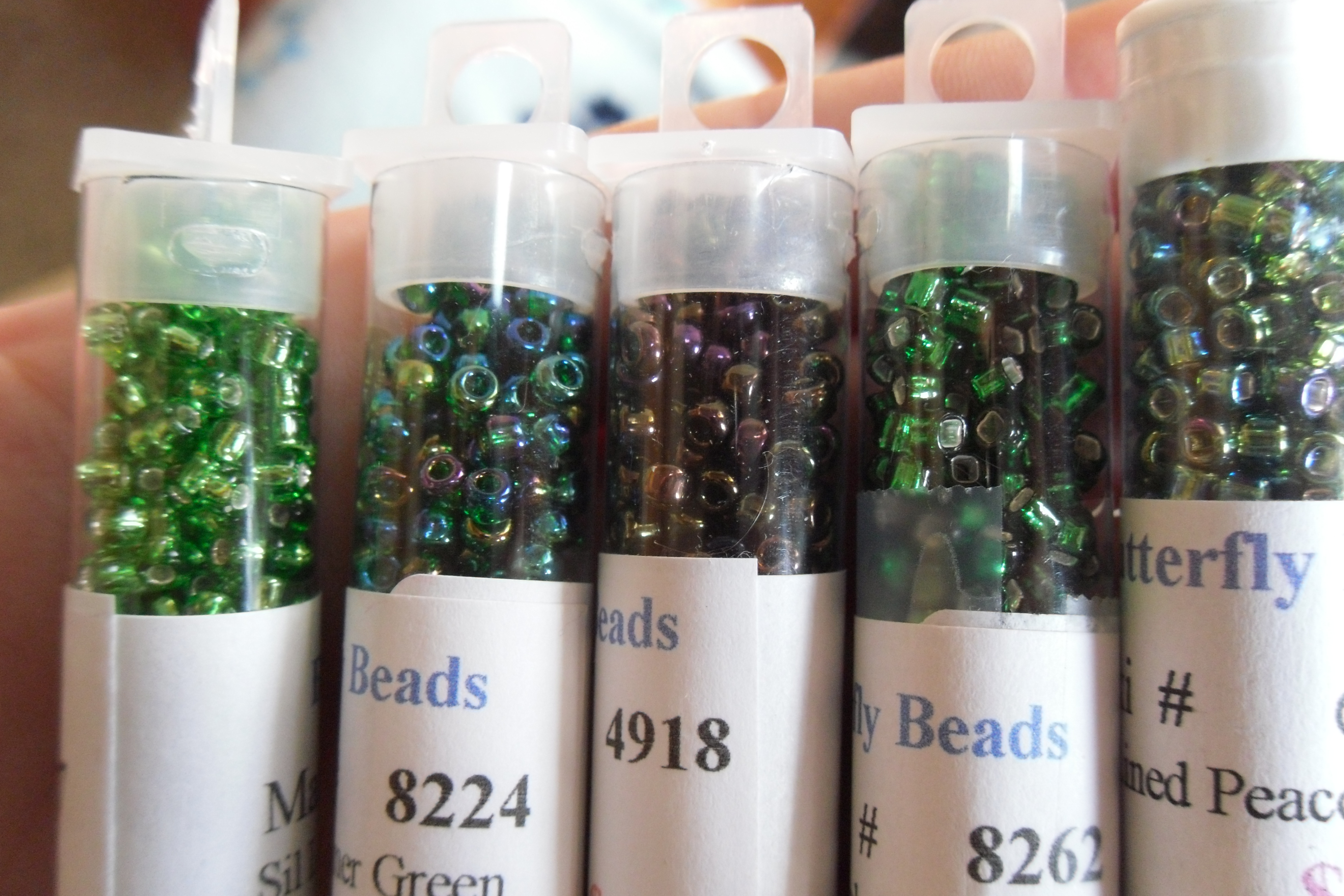
The pattern calls for 5000 size 8 seed beads. I decided that since I had never strung beads in this way and I’m knitting lace which is not easy for me I would put on 2500 beads. (They are knit in randomly in the pattern anyway).
I found these at Butterfly Beads. I had no idea that they were so close to me. I will definitely be shopping their regular store the next time I need beads.
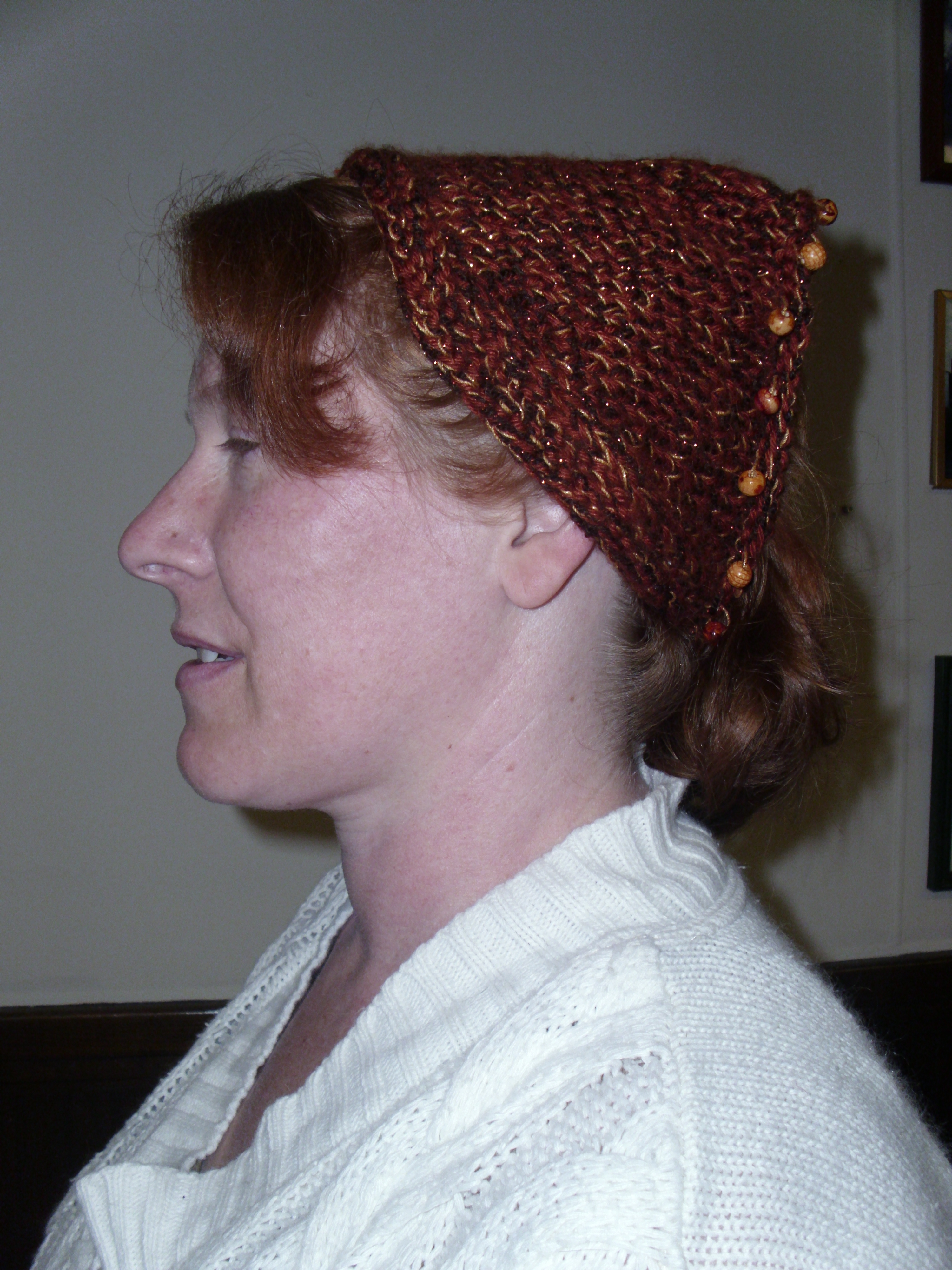
I had also been thinking about doing some head kerchief’s with beads similar to this one I made earlier this year.
I decided I wanted to go with a woodsy type feel for the new Kerchiefs so I found these great leafy beads.
Then I discovered One Woman Studio . She takes bags from things we use for our pets ex. dog food bags and makes them into usuable people bags. You can check out her Etsy Store Here.
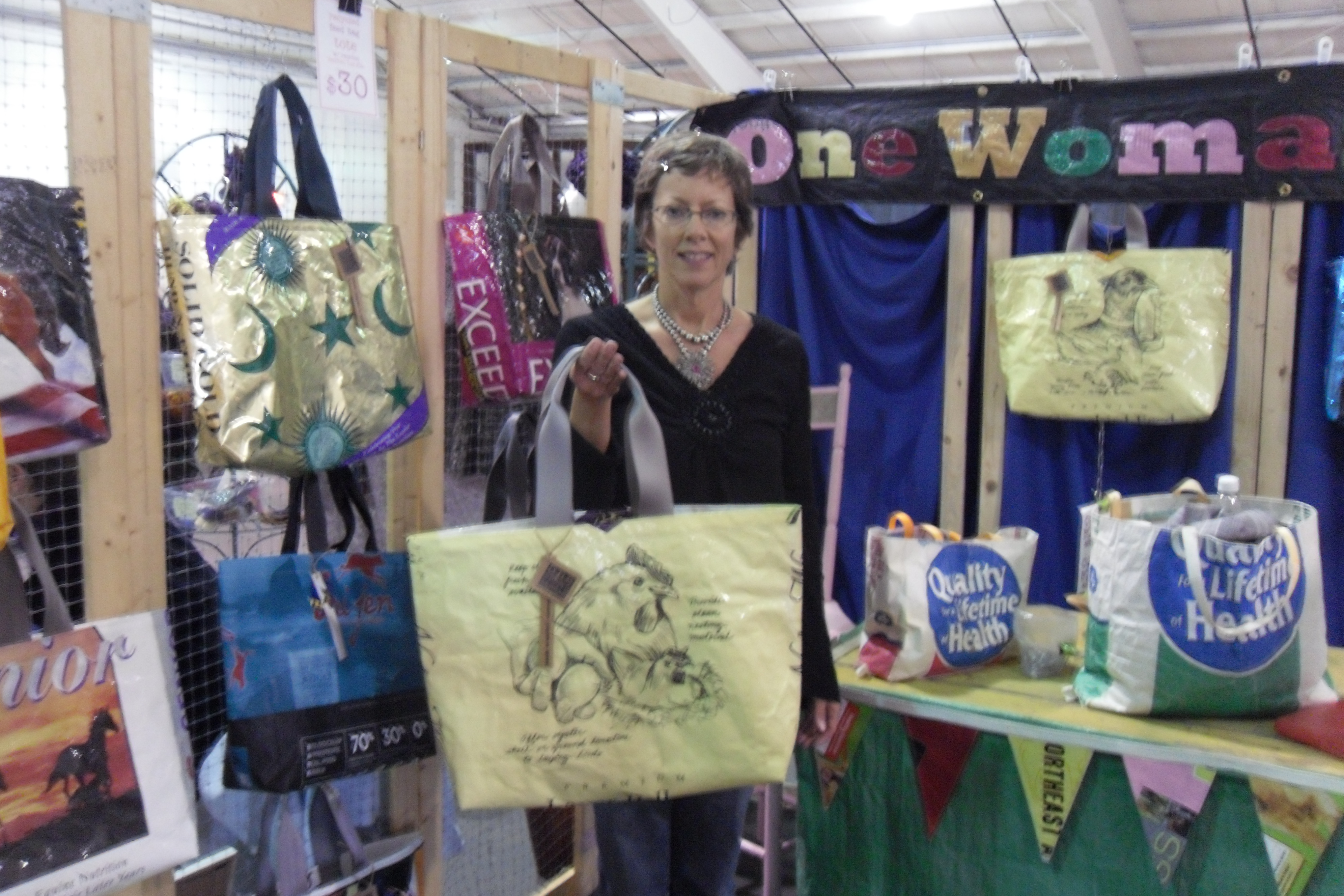
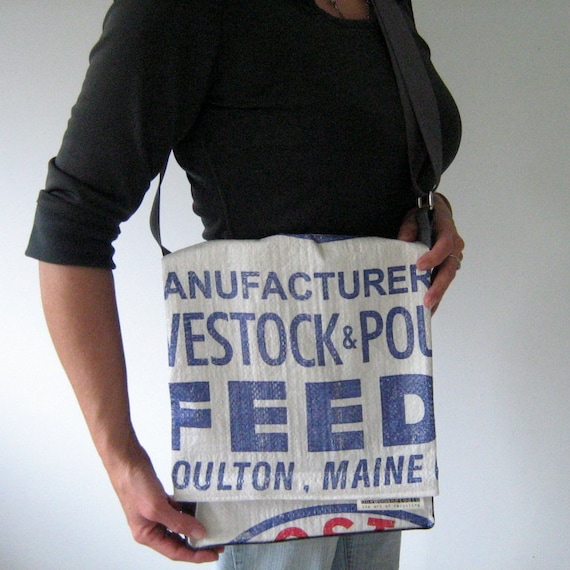
My pic is on the left the other pic came from www.onewomanstudio.com.
I apologize of the fuzziness of my pics my camera is acting up again so I’ve been trying to get used to the hubs camera.
I also got friendly with Jodi Clayton at One Lupine Fiber Arts. I can’t believe we had never met before. We run the same circles and area. I had to go clear to Ellsworth to met her. Damn camera was acting up again so I wasn’t able to get a pic.
More goodies to come friday stay tuned.
My dear friend Medora invited me on a day trip to Ellsworth, Me. It was Medora , Mr. Medora and another mutual friend. I was just looking forward to lovely day with people I adore.
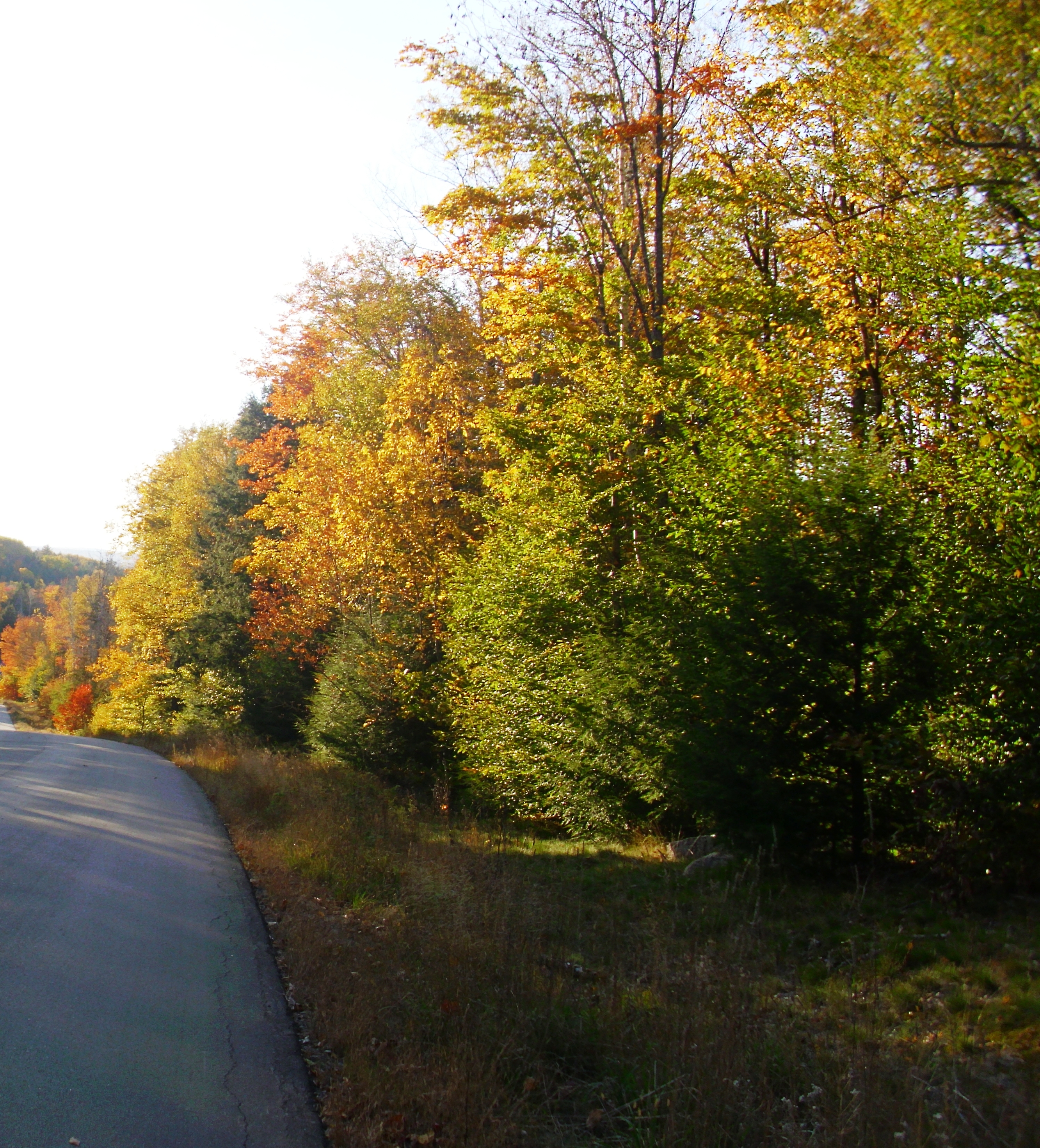
We left around 8am Saturday morning. Unfortunately, the night before as I was heading to bed I tripped over the dogs bone and broke my toe. So our first stop was Rite-Aid for tape and ibuprofen. We took the scenic route enjoying the trees and flora as well as some fauna the turkeys were out in force.
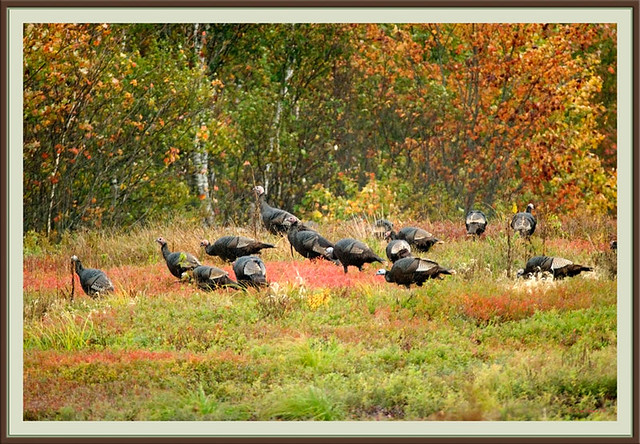
As we were driving too fast to get a pic, here's a great one courtesy of gphoto50 on flickr
We had a lovely lunch at Cleonice Mediterranean Bistro. It was a lovely 1930s-vintage space at 112 Main Street that was fitted out with art deco fixtures, dark mahogany paneling and booths, and a beautiful tapas bar. I’m so glad they didn’t try to modernize it as the decor was perfect. You could picture a couple 1930’s detectives having lunch.
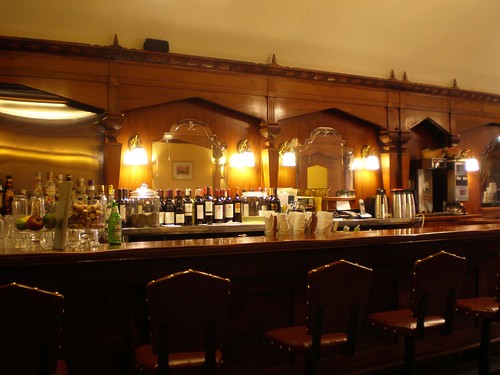
As I was too preoccupied with my lovely company to take pictures of Cleonice, Here is a wonderful picture courtesy of JBCphoto on Flickr
They were very accommodating to different diets as we had a vegetarian and vegan in our group. I had a vegetarian Reuben (they use beets for corned beef) and roasted potatoes, with mint tea. Delicious!
After a wonderful lunch we headed over to Beads, Baubles and Fleece Downeast over at the Ramada Inn. As this was only their 3rd year I hadn’t heard about this event yet but here is a list of the vendors from this year
.Christina Heiniger • Fern House Studio: Beads of all sorts, vintage buttons, pearls, felt change purses, earrings and bracelets, felted ornaments and other surprises.
Obadiah Buell • Bourne Designs: Maine Stone and glass beads, buttons, jewelry…and more.
Christine Leith • Eggemoggin Textile Studio: Handwovens, handspun yarns, roving, shibori scarves… plus more.
Hatie Clingerman • Downeast Fiber Farm: Roving, handspun yarns, felted toys, wraps and shawls plus goat’s milk soap.
Mary Eaton • Dream Weaver: Handwoven scarves, hats, jewelry and beaded vases.
Suzanne Anderson • Yikes! Studio: Polymer clay and silver jewelry, beads and buttons, all handmade.
Kim S. Dunn • Bennett’s Gems & Jewelry: Gemstone beads, findings and tools, finished bead jewelry.
Sihaya Hopkins • Blossom Studio: Handmade glass beads, buttons & Jewelry (lampwork glass).
Elizabeth Hunter • Chameleon Fiberworks: Yarns and finished fiber work.
Rose Whitehead • Fiber Fabrications: Woven & felted apparel and accessories.
Lynn Walkiewicz • Riverdog Design: Handwovens & knitted items (dishtowels, vests, jackets & gloves).
Doris Walsh • Handspun & Lace: Handknits, handspun yarn & roving.
Emily Delfin • Reflections Jewelry: 14kt Gold filled and Silver wire wrapped crystal and gemstone jewelry.
Lisa Salsbury • Willow & Me Jewelry: Fine Silver, bronze and copper jewelry and handmade buttons.
Penny Walls • Winter Wind Designs: Balsam pillows, fabric buttons, knit hats, booties & scarves, roving, beads and finished jewelry.
Lucy Rogers • Hilltop Handspun: Handspun and hand dyed Maine fiber yarn.
William S. Dodge • Frenchman’s Bay Seaglass Creations: High end seaglass jewelry as well as mobiles.
Janelle Delicata • Everyday Jewelry & wearable art.
Diane Allen • Pearl La La Jewelry: Beaded jewelry, beads and pearls.
Julie Jones • Elementals: Handspun art yarn, felted bowls, fiber jewelry and felted rocks.
Jackie Haines • Blue Leaf Designs: Intricately beaded jewelry, assortment of beads, beading supplies and cabochons.
Susan Barrett Merrill • Weaving a Life: Beading & Weaving looms, handwoven jewelry and pendants plus beads in strands.
Margaret Hagopian-Slack • Down East Jewelry Creations: Handmade jewelry & Pendants plus beads in strands.
Tina Beachy • Silver Reflections: Lampwork glass beads, buttons, beadcaps & headpins.
Barbara S. Fernald Jewelry: PMC and beaded jewelry, assorted handmade & commercial beads.
Johanna Bierwirth • Butterfly Beads: a large selection of beads, supplies and some finished jewelry.
Audra Christie • AUD Art: Felt ball beads, fiber art and wall hangings, felted items.
Leslie Jones • Tangled Web Designs: Beaded jewelry & handspun yarn.
Jenny King • Vintage, glass and other assorted beads, finished jewelry.
Michelle Souza & Patricia Savoie • Spruce & Gussy: Yarn, felting and spinning fiber and finished fiber products (including felted handbags).
Josette McWilliams • Enchanted Knoll: Fibers, hand dyed yarn, knits and wearables.
Arnelle J. Meyer • A. M. Atlantis Rising: Gemstone and Beaded Jewelry and loose beads.
Jennifer Miller • Undercover Concepts: Beads, Fabric finished pieces (quilts and accessories).
Kathy Gearhart • 5 Fireflies: Hand knit and crochet items: hats, scarves & purses…unique original designs.
Jodi Clayton • One Lupine Fiber Arts: Felted accessories plus yarn, roving, notions, needles and buttons.
Julia Ventresco • One Woman Studio: Upcycled bags, purses, accessories, and other goodies.
John & Ginny Hackney • John & Ginny Beads: Lampwork glass beads and jewelry.
Linden O’Ryan • Linden O’Ryan Gallery: Felted balls, batik scarves, cards and artwork.
Barbara Fleming • Silverdust Is…: Kumi and polyclay jewelry and beads.
Maggi Hinsey Blue • Magpie Creative: Slumped glass pendants and jewelry in a rainbow of colors.
Kathleen Mailman • Sticks ‘n Stones Bead Shop: Large selection of beads including glass, pearls, gems, resin and many more commercial beads from Brewer’s fabulous Bead Shop.
Amanda Hoel-Green • The Purple Porpoise: Handcrafted Jewelry (Information on vendors from The Gifted Hand )
So we were able to find great food and the venue more to come on Wednesday.
PS. check out my etsy store and tell me what you would like to see
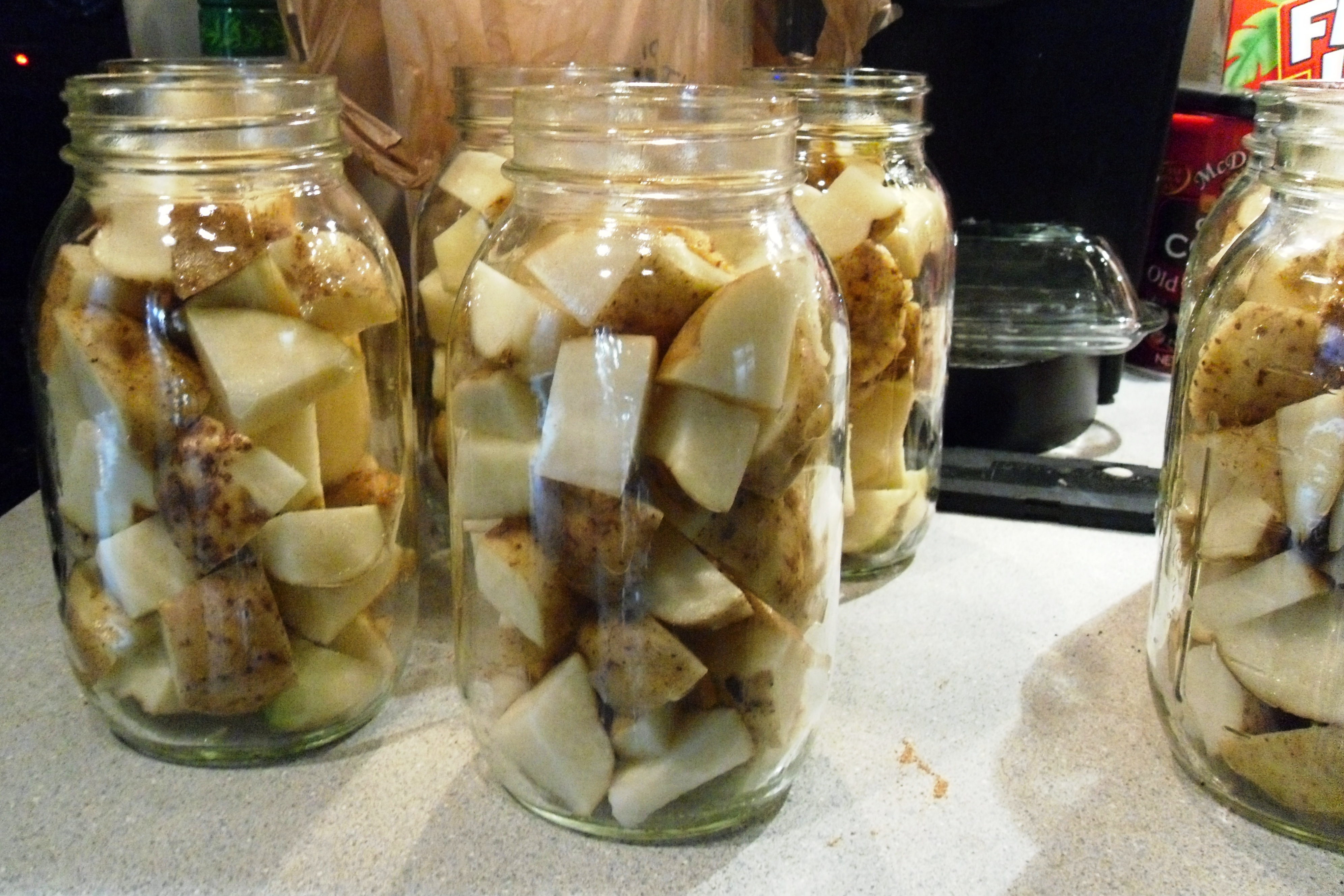
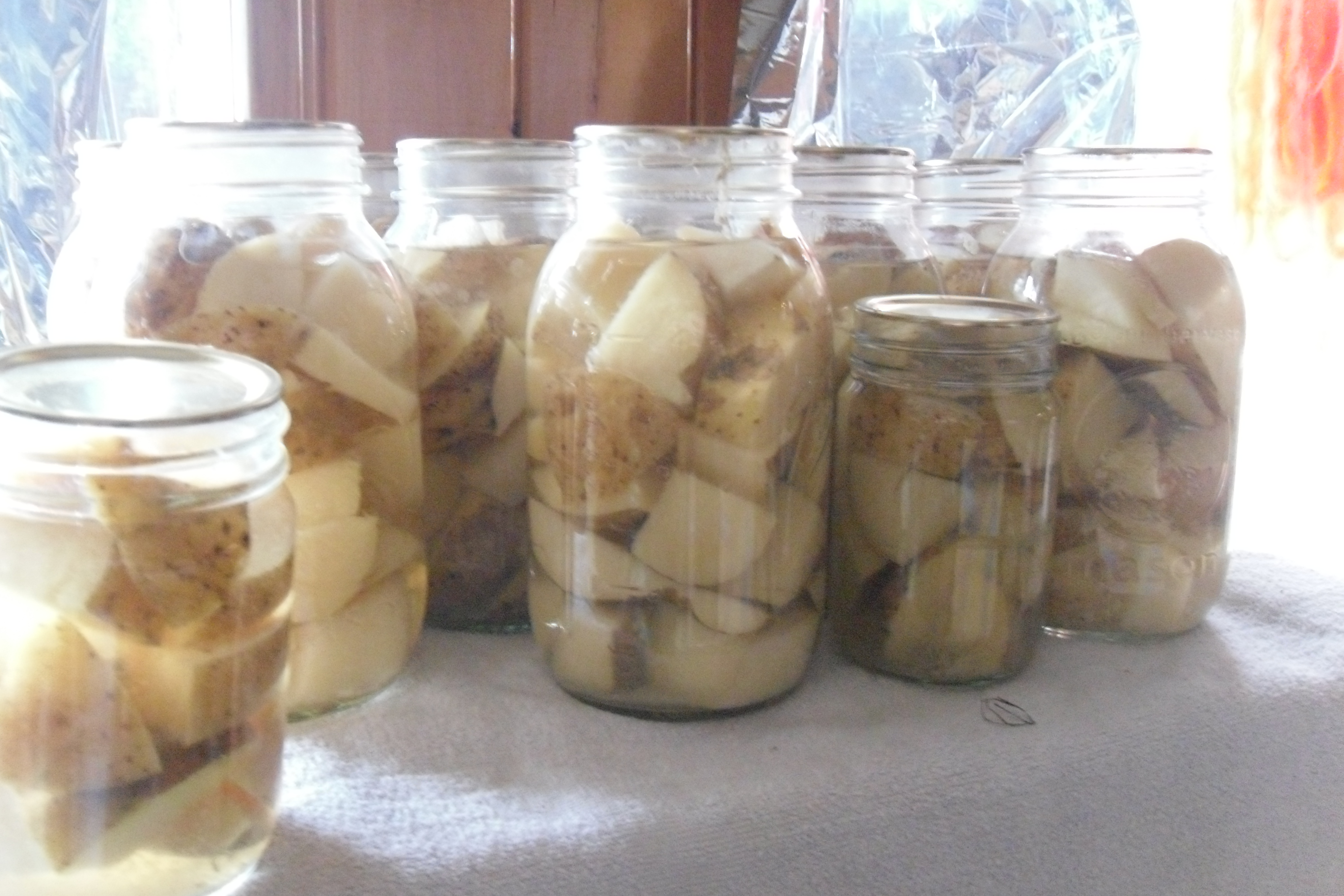
I’ve been canning again this week. 50 pds of potatoes this time.
I’ve also figured out to make a heel on my CSM whooohooo, I’m getting closer to making some “sweet socks.” Sweet socks are a really cool way to make socks on your CSM, the Colorado Cranker has quite a few youtube videos on how to achieve this. Thank You Colorado Cranker!
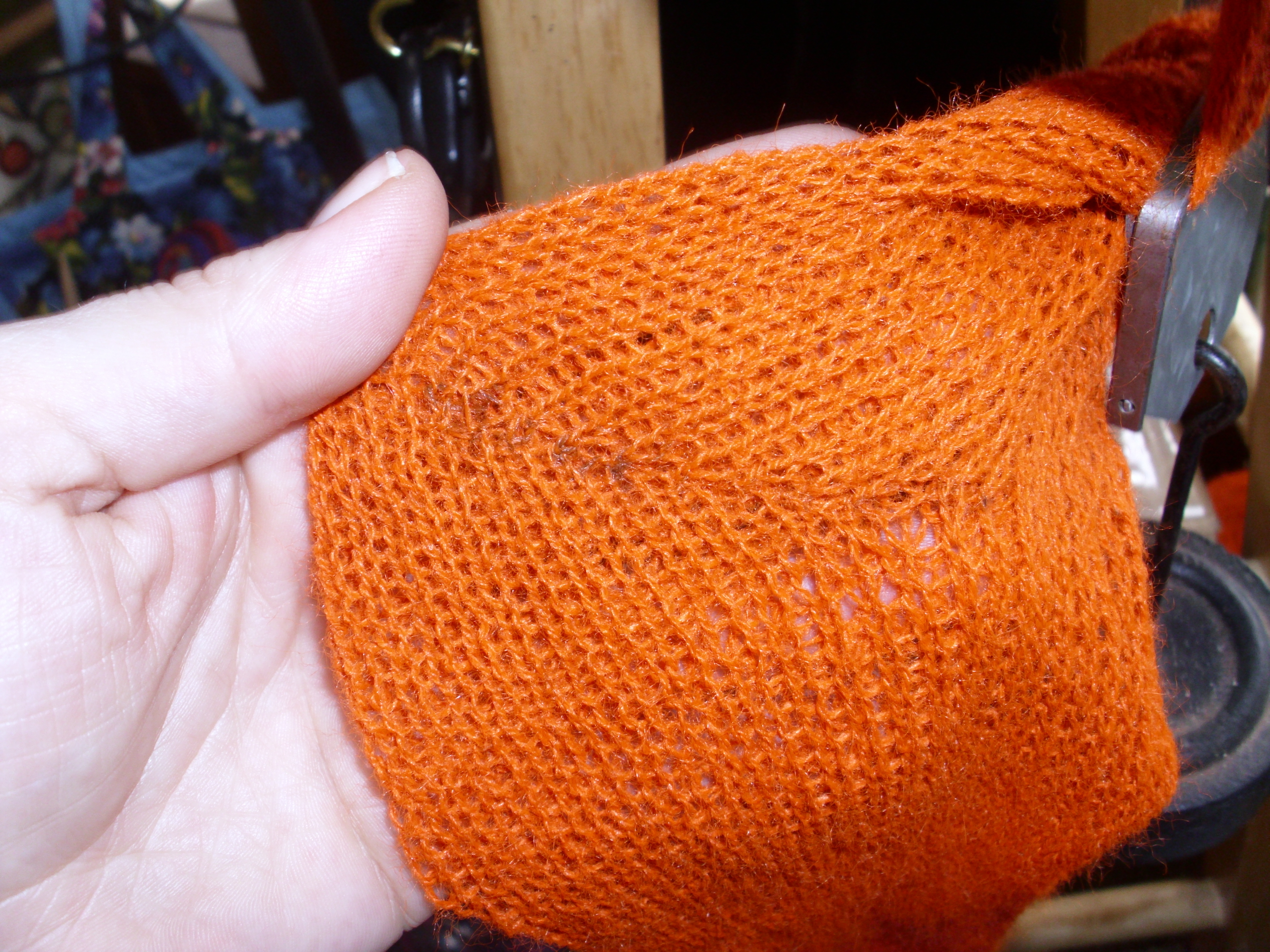
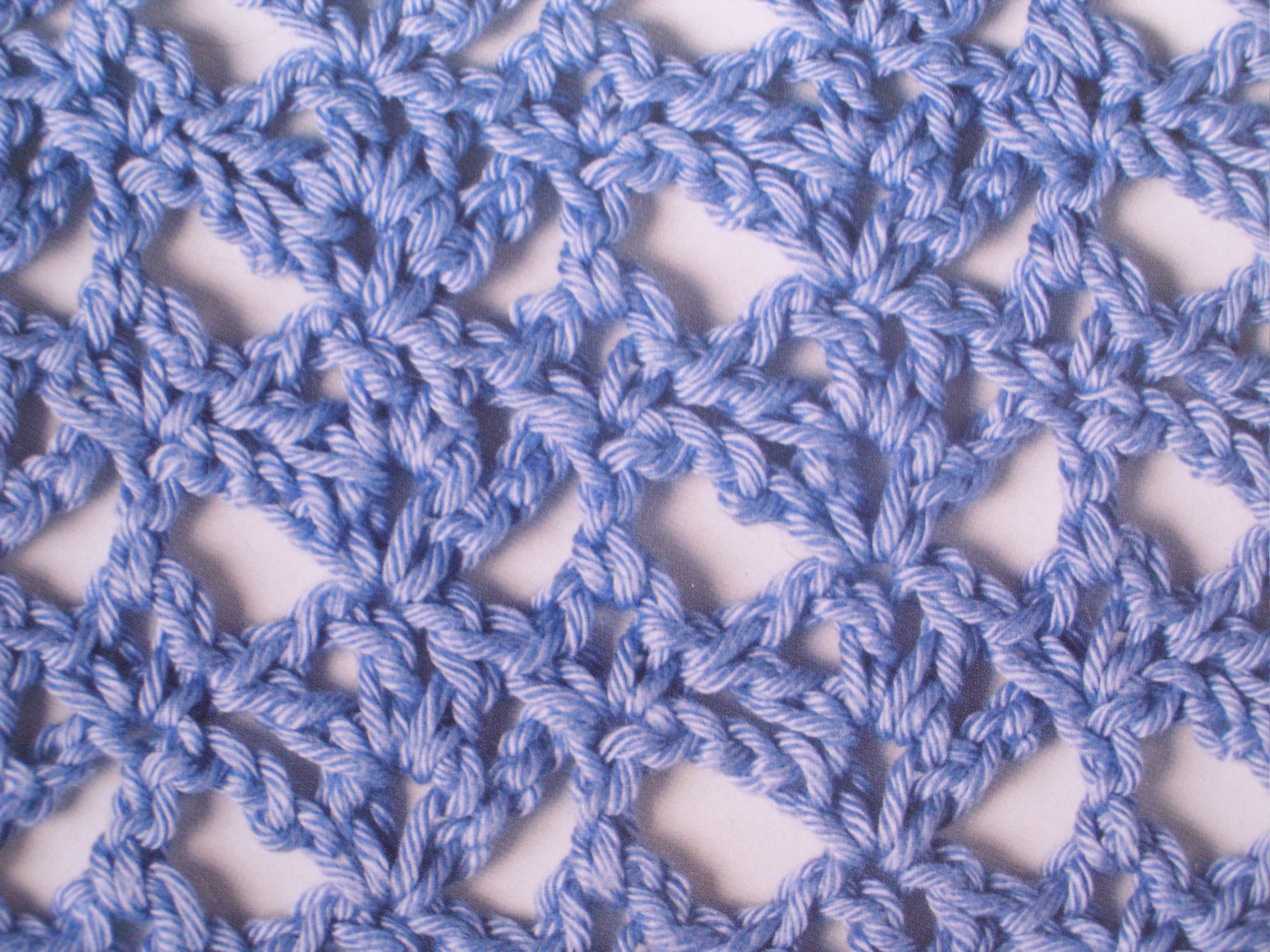
I’ve been commissioned to do a baby hat in crochet. Here are the swatches I came up with. I would love to hear what you think so please feel free to comment below.
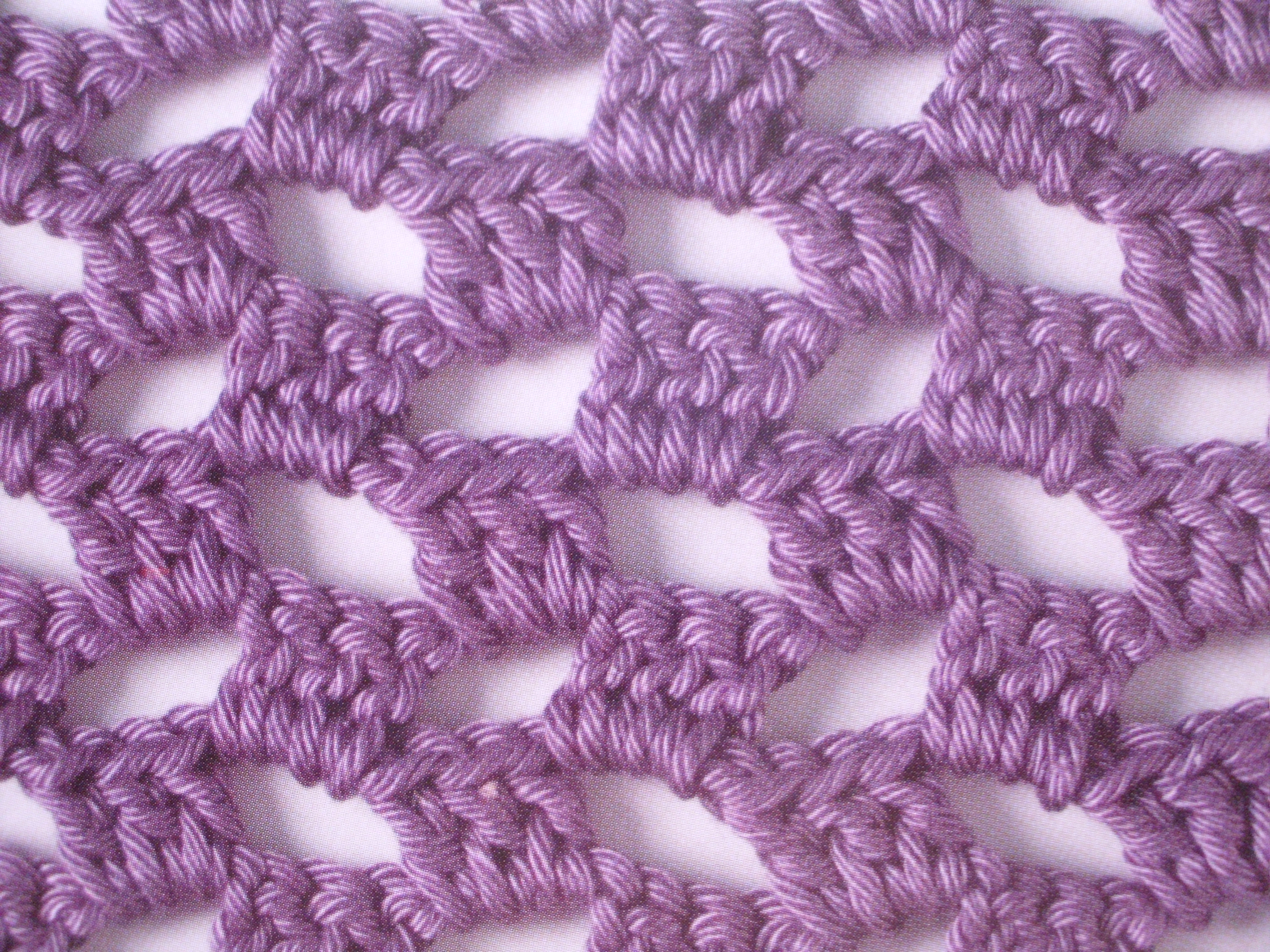
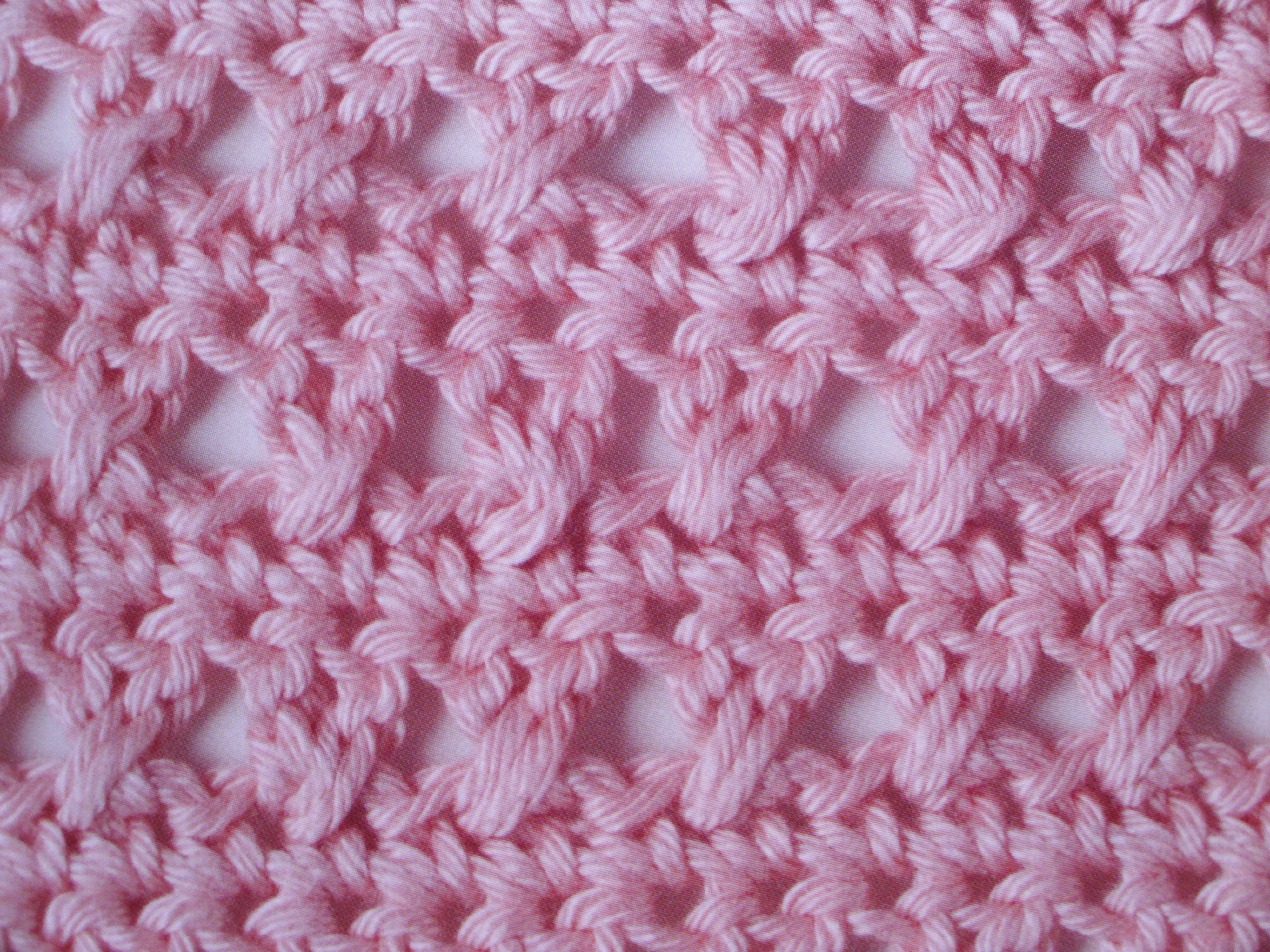
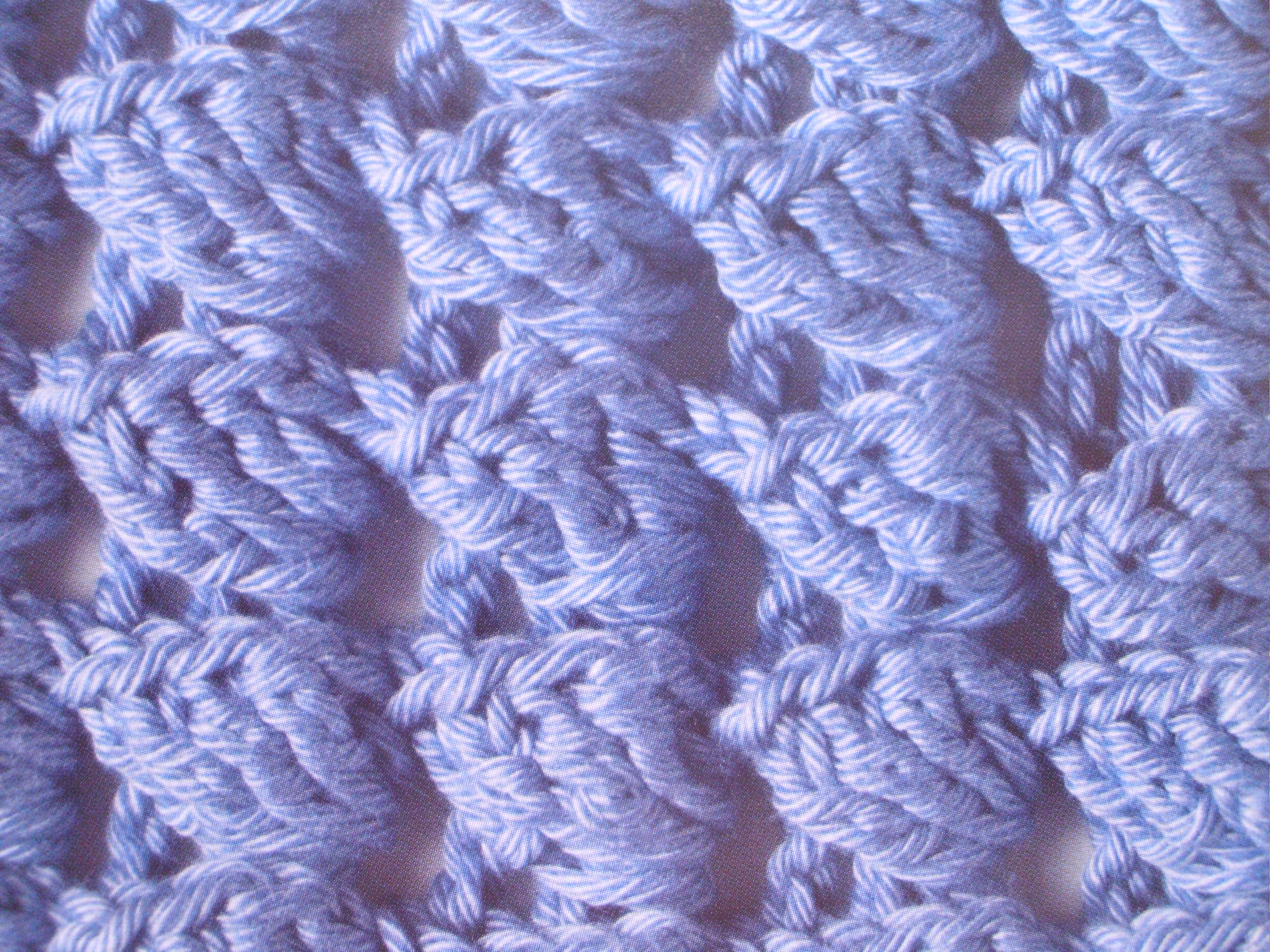
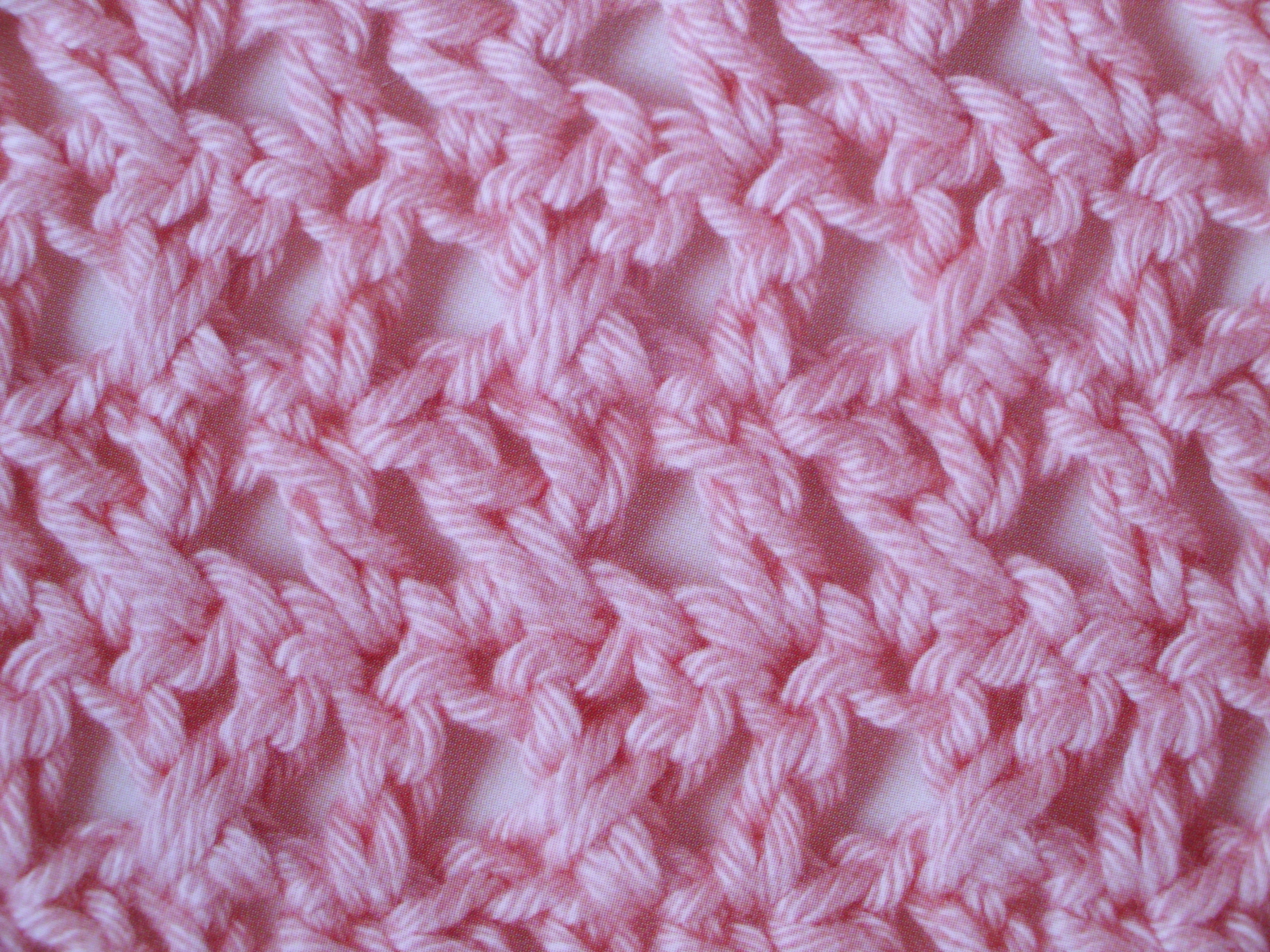
I’m heading out this weekend for Beads, Baubles and Fleece Downeast in Ellsworth, Me. It looks to be a good time. I will do a full review next week.
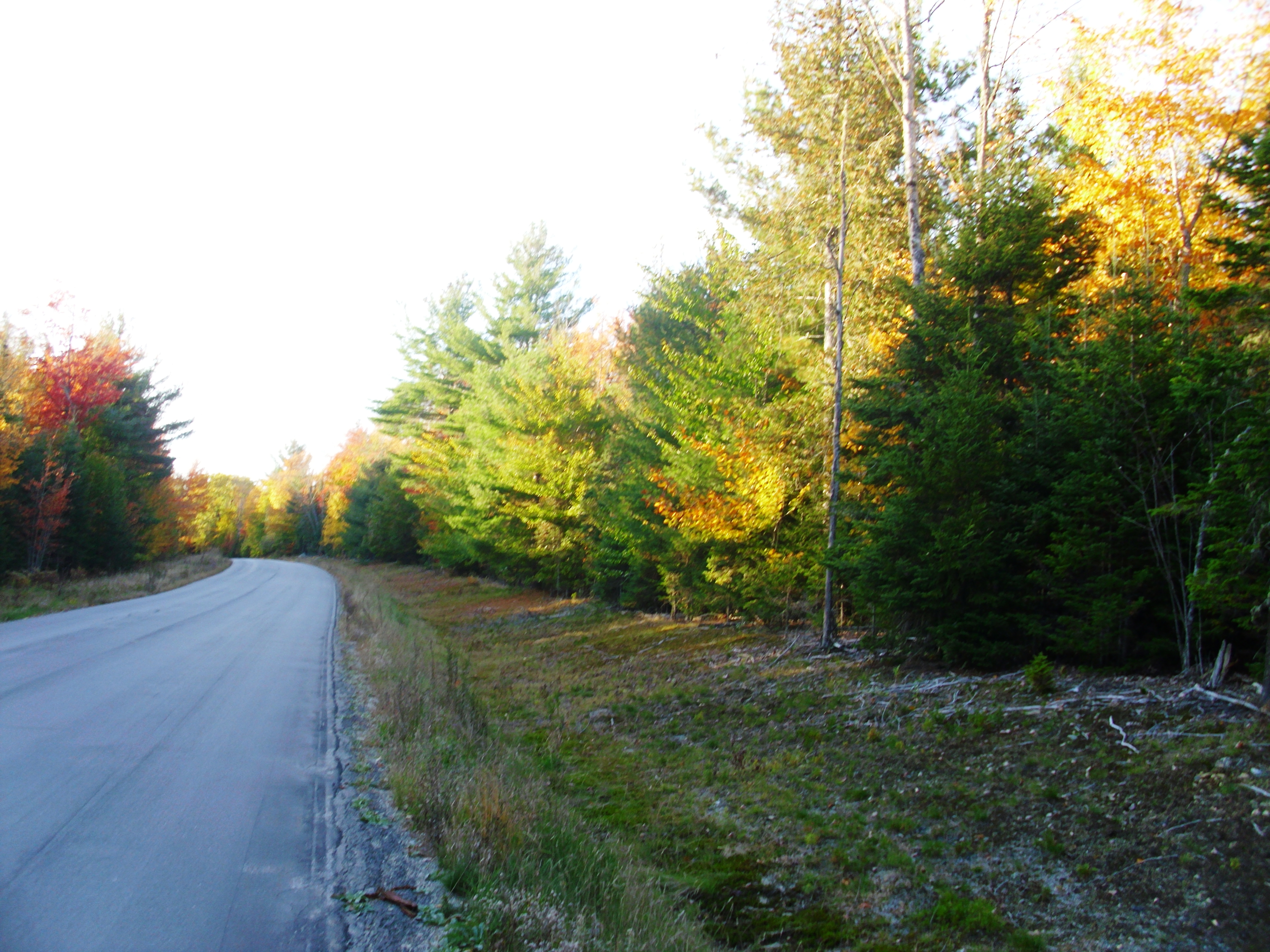
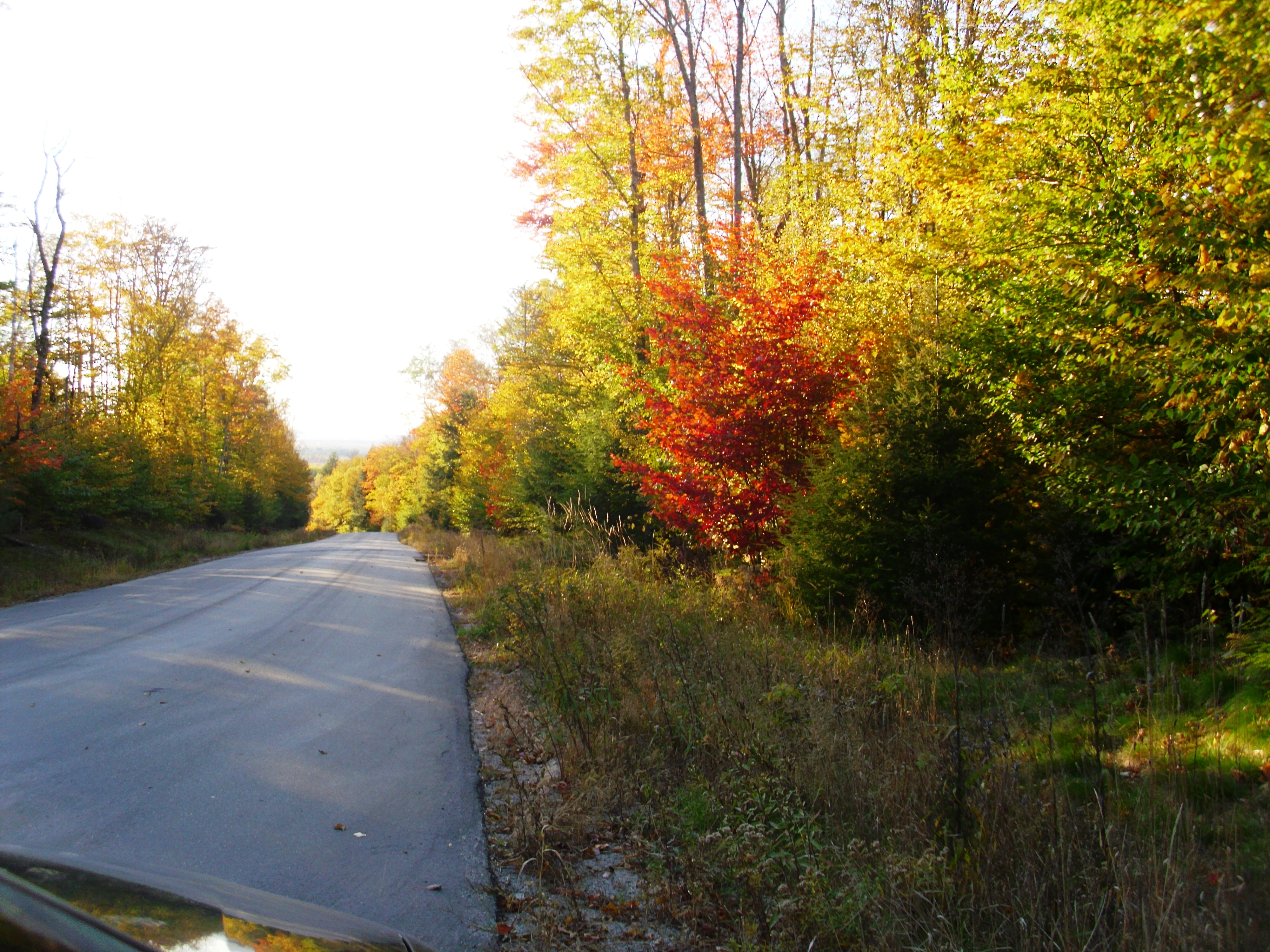
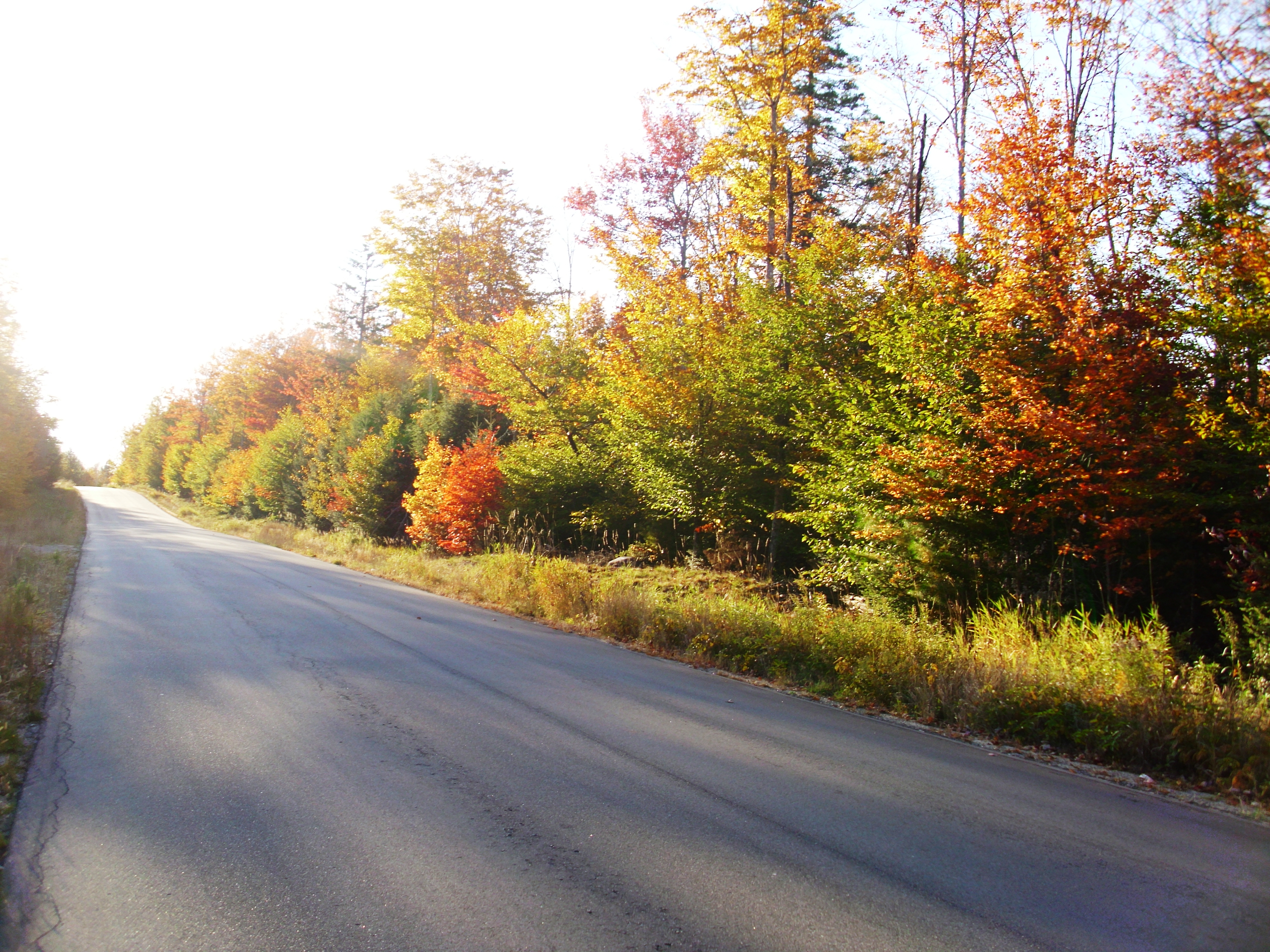
You can’t live in Maine and not notice the foliage this time of year. Here are some pics from driving about.
I wanted to explain how pygora is harvested. It is usually combed, plucked or sheared off the goat.
An A-type fleece is usually used as is off the goat due to to a smaller amount of guard hair this type is basically scour and go. If the limited guard hairs are removed a lustrious silky yarn is result.
B-type fleece is finer than an A-type it may or may not have alot of guard hair. If this fiber is spun woolen and fulled it creates nice halo similar to angora rabbit fiber.
Type – C fleece has to be dehaired if it is clipped because all the guard hair comes with it. However plucked or combed fleeces may not need dehairing.
Here are some pictures of my dehaired pygora.
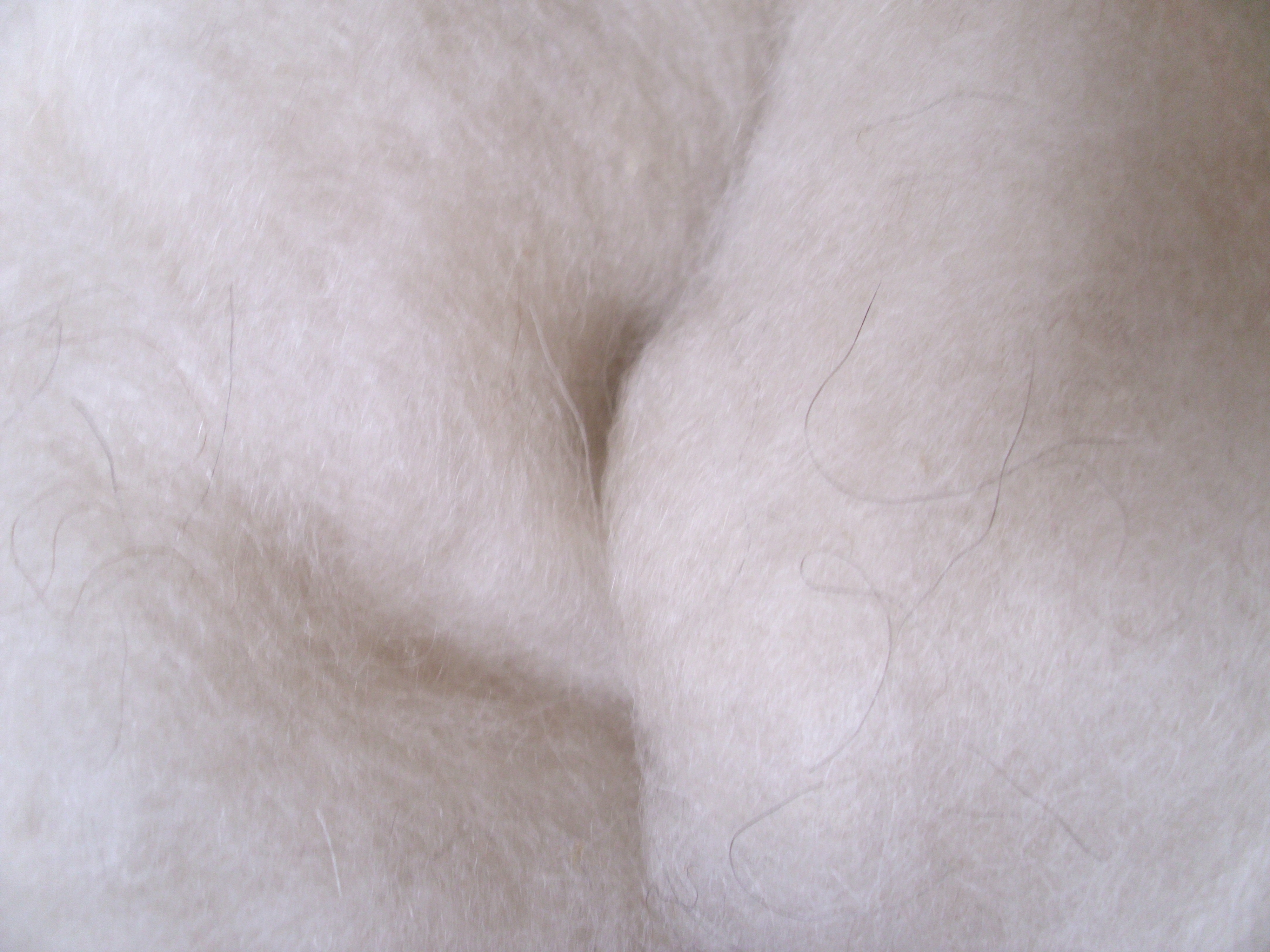
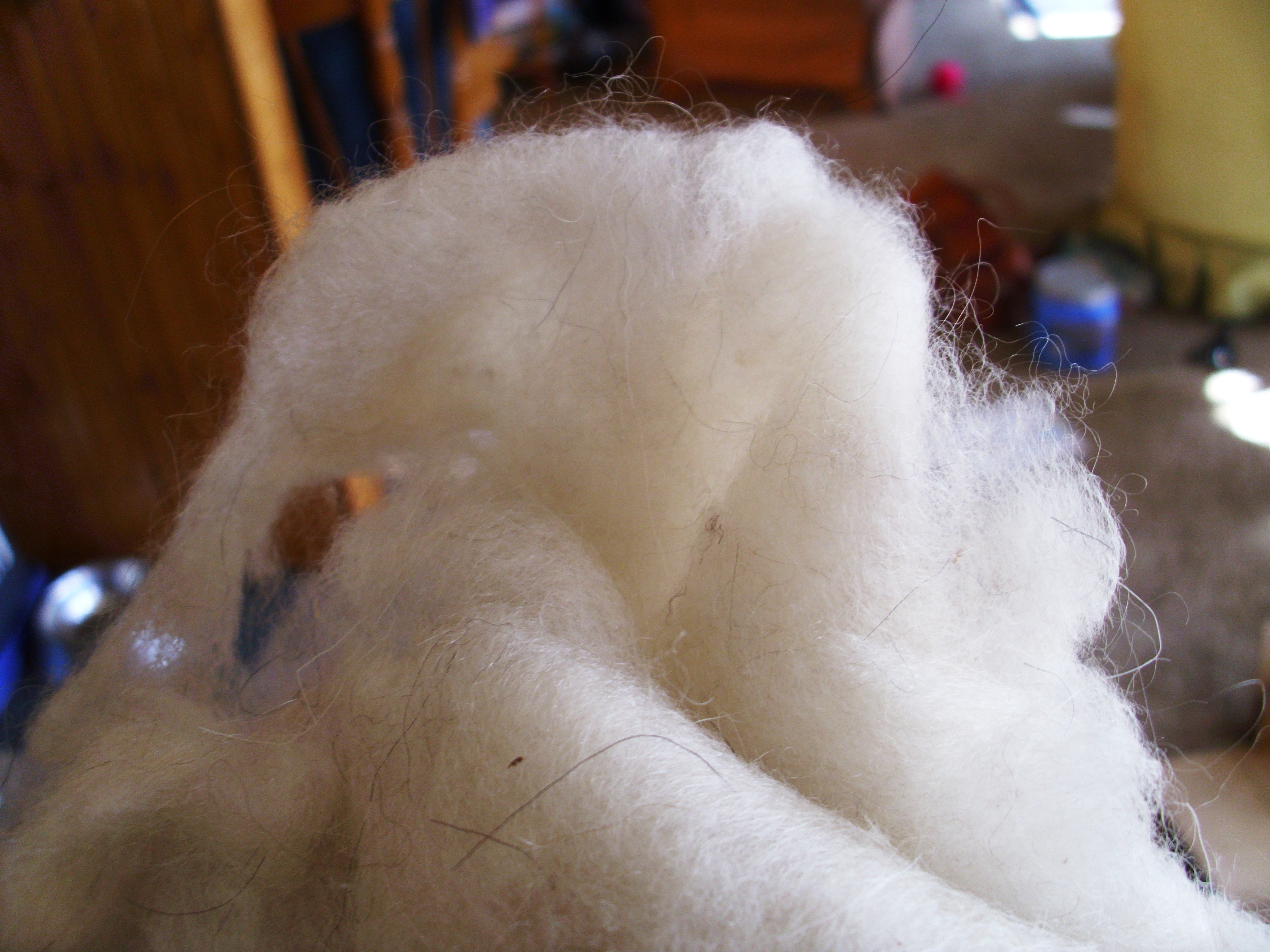
And all dyed up!
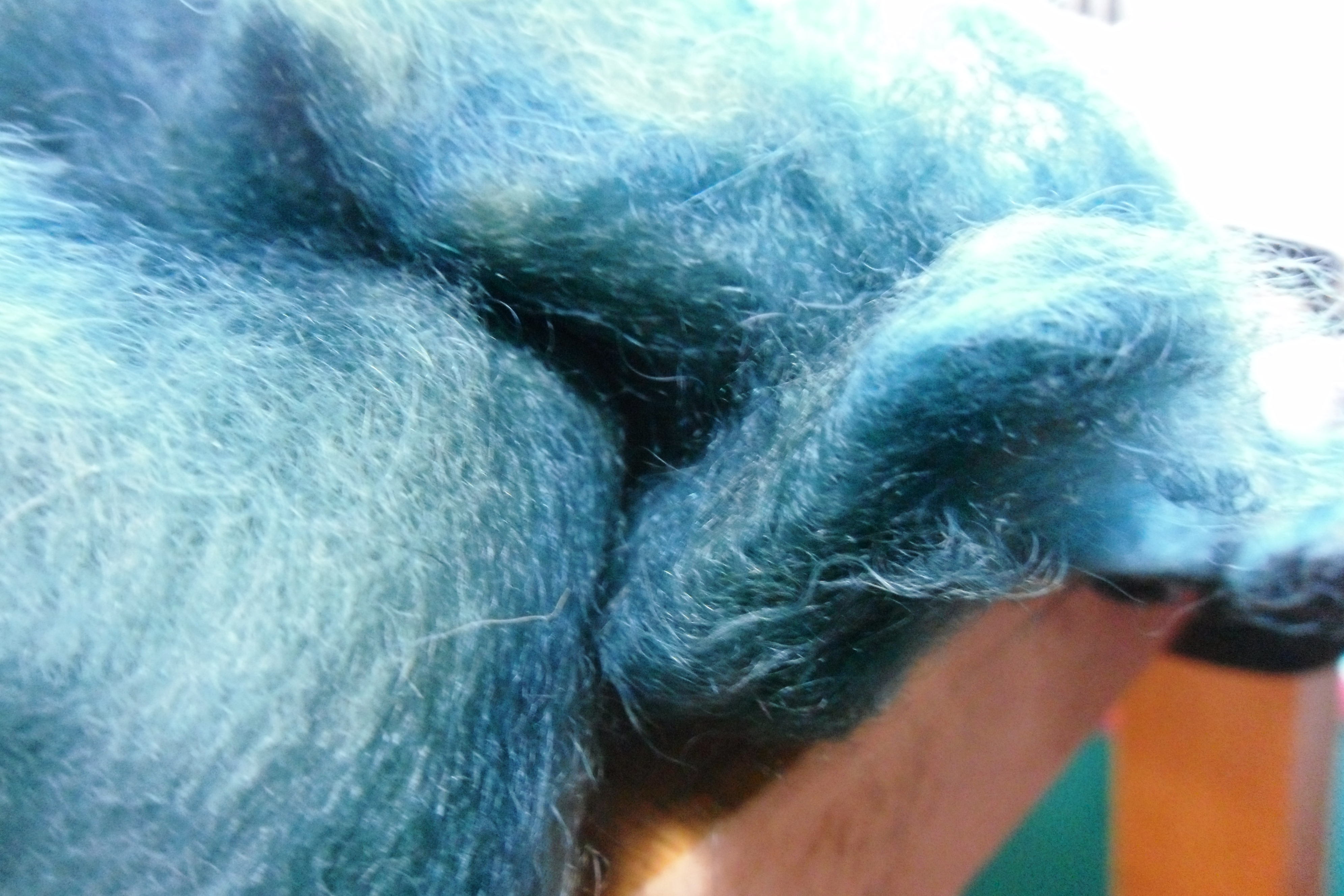
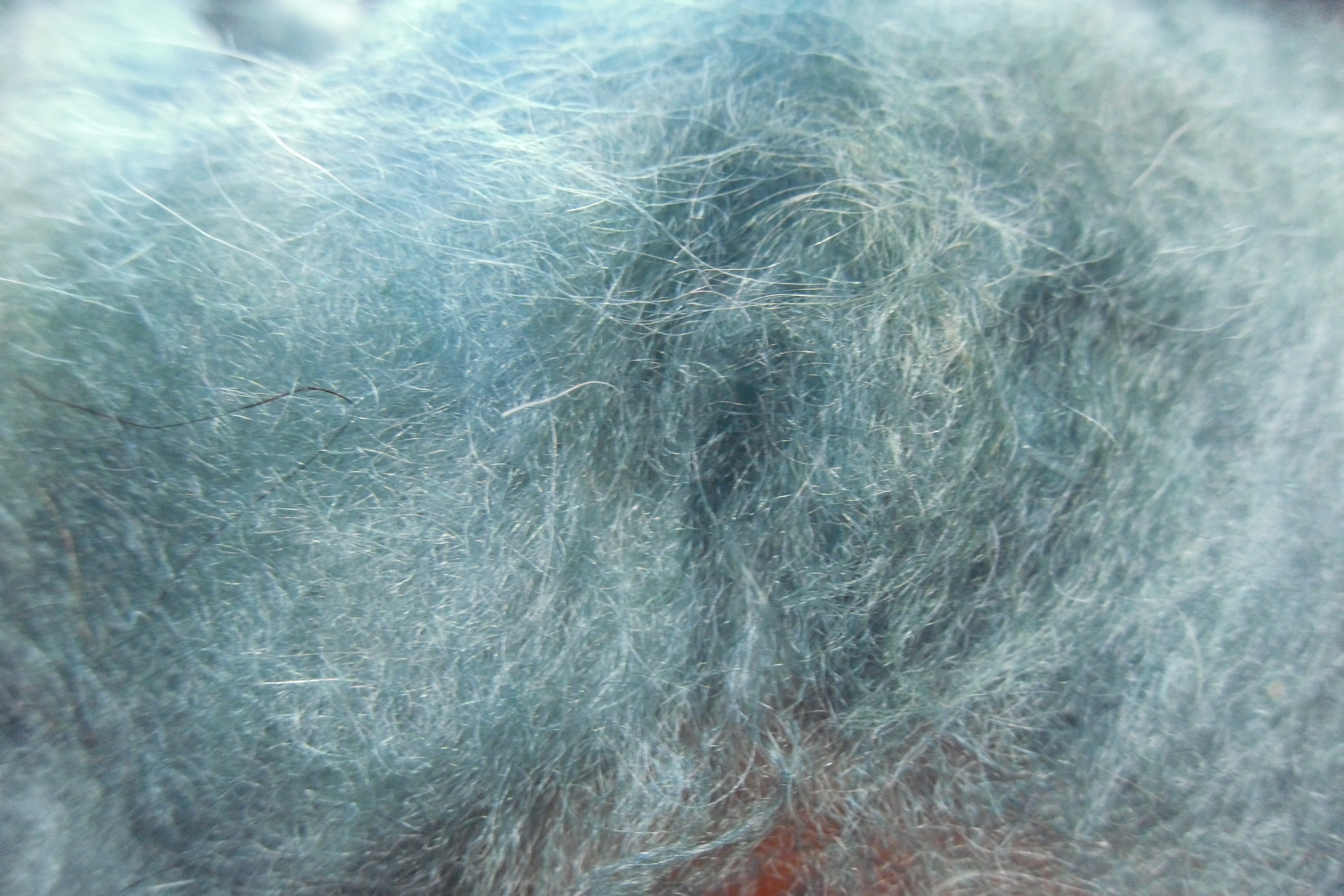
Make sure you sign up for the weekly newsletter.
Picture by Arran Edmunstone
Pygora goats are a mixed breed of Angora and Pygmy goats. I love goats they are so cute!
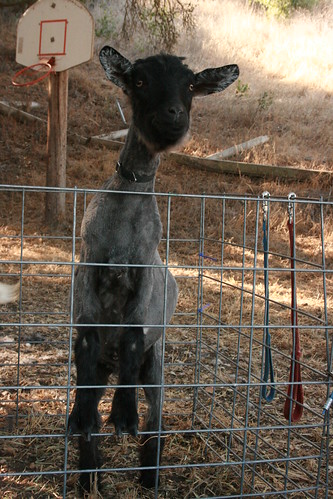
What a sweet face! Pic by Preita on flickr
The Pygora was a purposeful cross, bred by Katharine Jorgensen of Oregon City, Oregon. In 1987, the Pygora Breeders Association was formed in the United States, and has since then been registering and promoting Pygoras. Today, the registered Pygora goat may not be more than 75% AAGBA-registered Angora goat or 75% NPGA-registered Pygmy goat( wikipedia).
Pygoras live from 12-14 years, and are commonly used as pets, along with being show, breeding, and fibre-producing animals. Pygora fibre is frequently used by artists for spinning, spindling, knitting, crocheting, weaving, tapestries, and other fibre arts. It is also commonly used in clothing. Pygoras can also be milked, producing about one litre per day(wikipedia).
Registered Pygora goats will produce cashmere-like fleece (Classified as Type-C), a mohair-like fleece (Type-A), or a combination of the two fleeces (Type-B). Type-A fleece is composed of fibres averaging 6 or more inches in length that drape in ringlets. It may occur as a single coat, but a silky guard hair is usually present. The fibres are typically less than 28 micrometres in diameter. Type-B fleece fibres average between 3 to 6 inches (150 mm) in length with one, possibly two, guard hairs. The fibres are usually less than 24 µm in diameter. Type-C fleece is very fine, typically 1 to 3 inches (76 mm) in length and less than 18.5 µm in diameter(wikipedia).
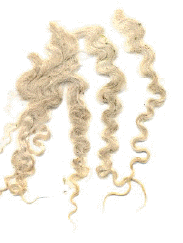
Type A fleece, Picture courtesy of Hawks Mountain Ranch Pygora Goats
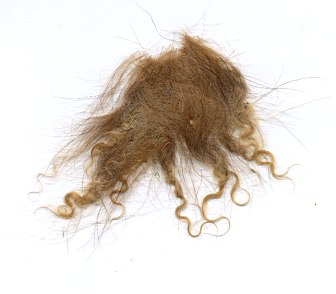
Type B fleece picture courtesy of Hawks Mountain Ranch Pygora GoatsType C fleece , Picture courtesy of Hawks Mountain Ranch Pygora Goats

Type C Fleece, Pictures courtesy of Hawks Mountain Ranch Pygora Goats
Here is the link for Hawks Mountain Ranch.
According to breeders I have talked to there are actually 5 types of coat. The goats don’t always produce either A,B, or C. Sometimes they will produce an A-B or B-C coat as well. Each goat is an individual and all fleeces are different. Colors range from pure white to black with many shades of brown in between.

B-C coat, Pic by sockpr0n on flickr

Pygora kid rides llama
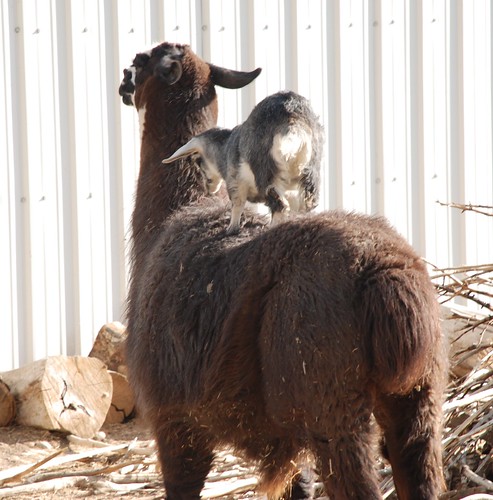
And another one just because it's so cute!
I love these photos thanks to morgsarah on flickr for sharing them.
Hard to believe it’s almost socktober! I see trees losing leaves but not a whole lot of color yet. The animals have been enjoying the great weather here.
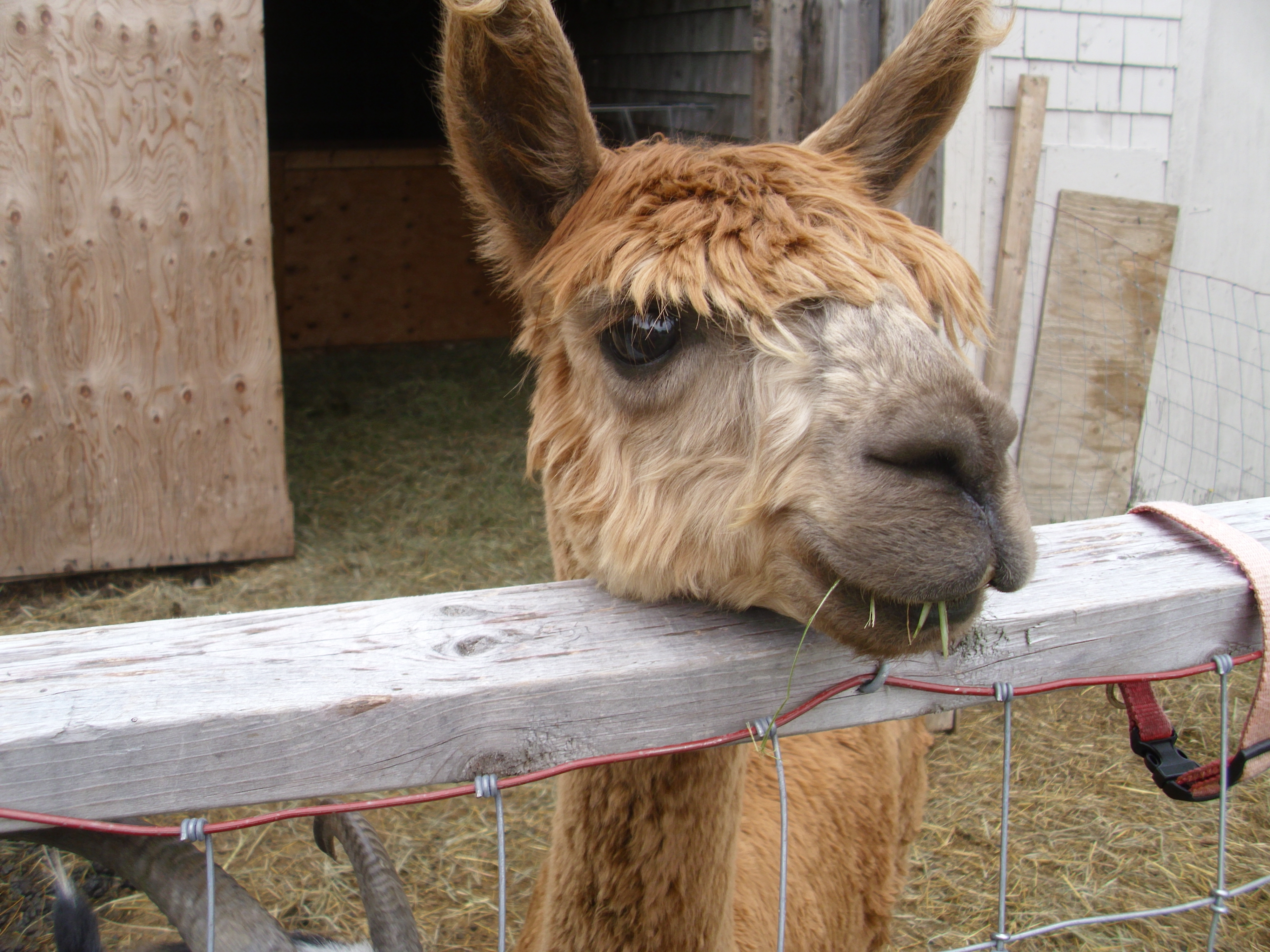
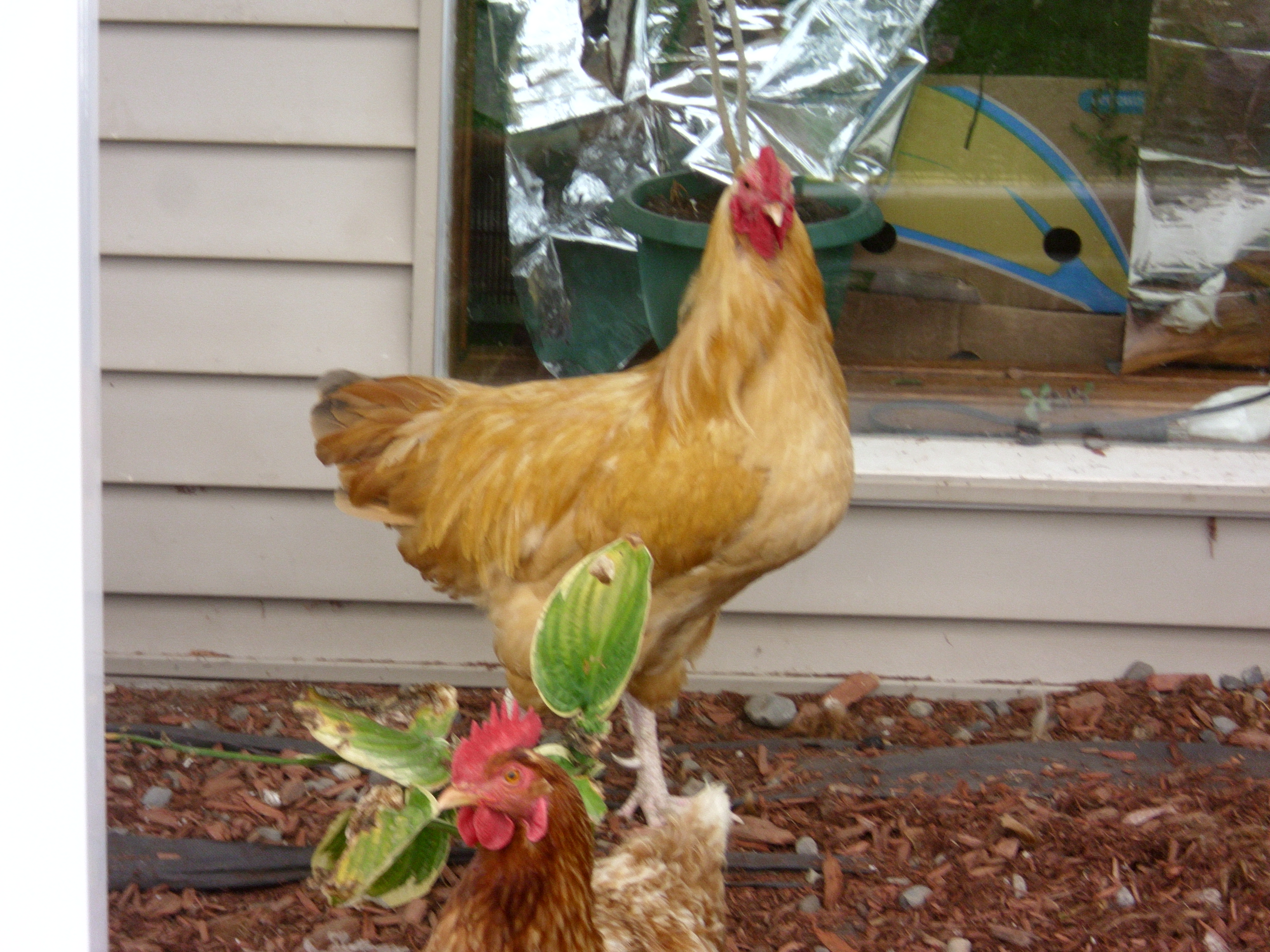
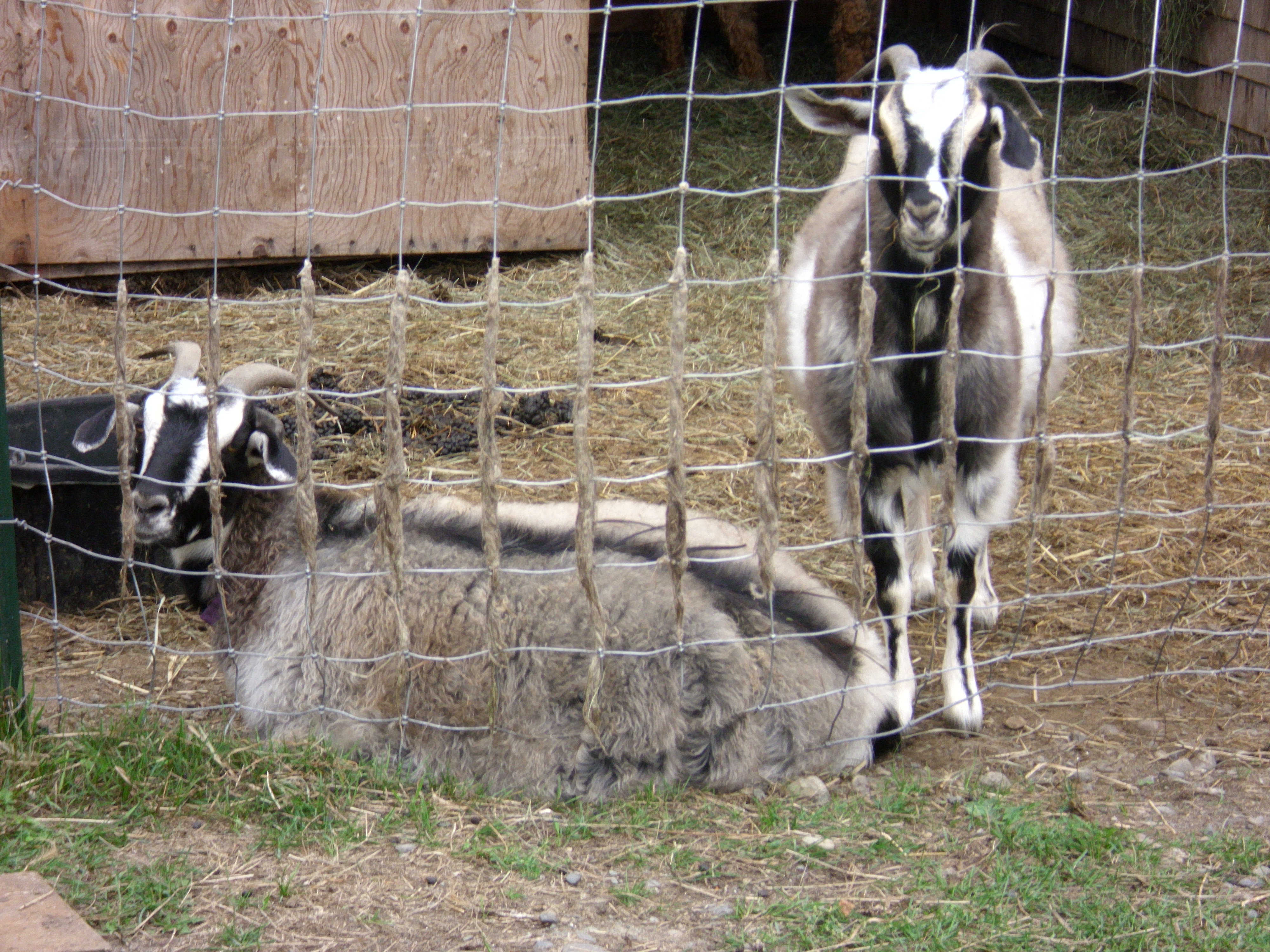
I had a wonderful week my new pattern Scat is being test knitted and the Cabled Star Hat is now available for download.
ScatCabled Star Hat
I also got two wonderful gifts from a good friend. I’m so pumped about this I could barely wait until Friday to write about it. She was a given a wonderful 100yr old loom and a CSM (circular sock knitting machine). She didn’t want either of them and had no use for them. After being turned down by the local historic societies for the loom. She offered both items to me. whooo hooo!
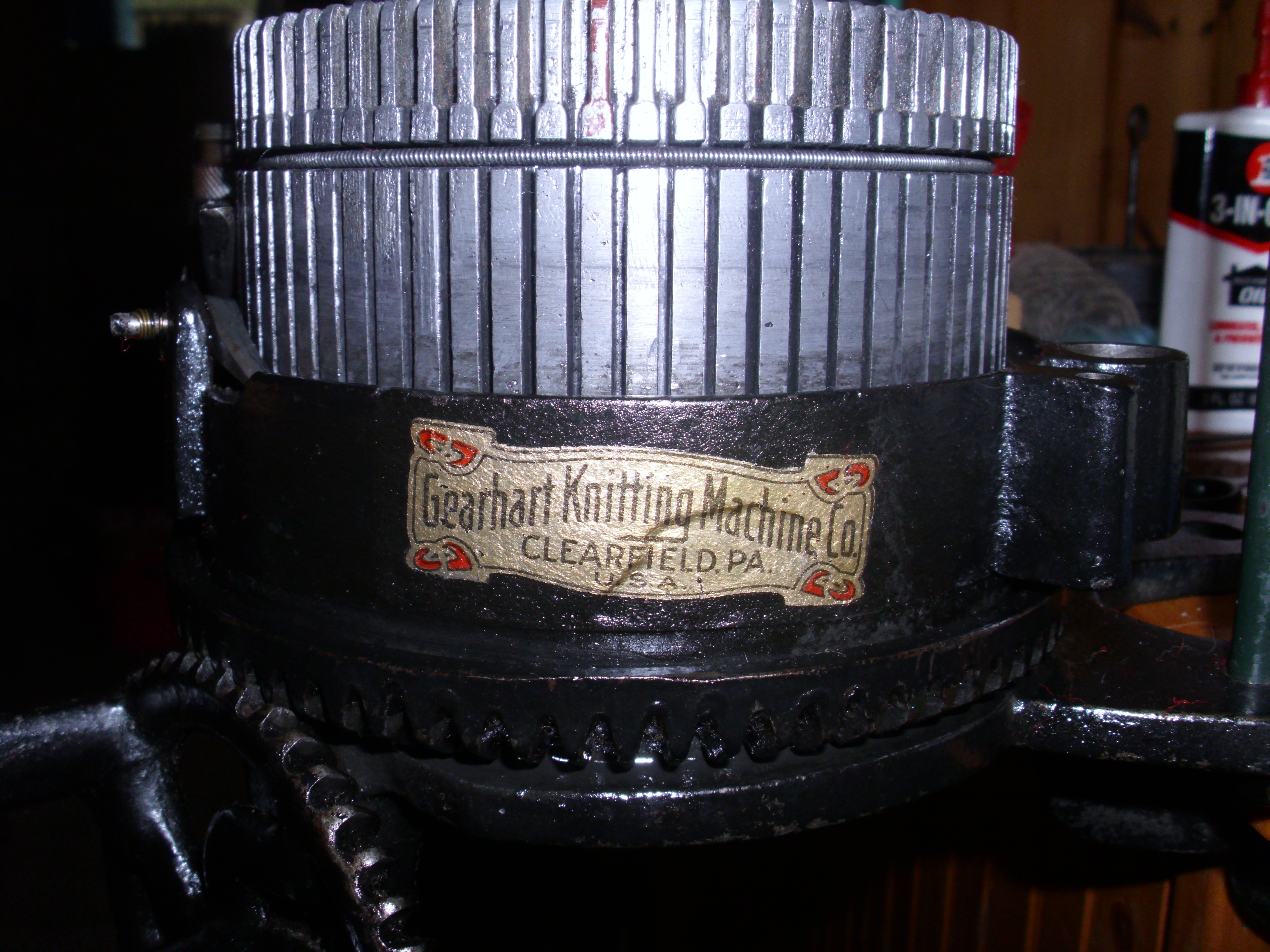
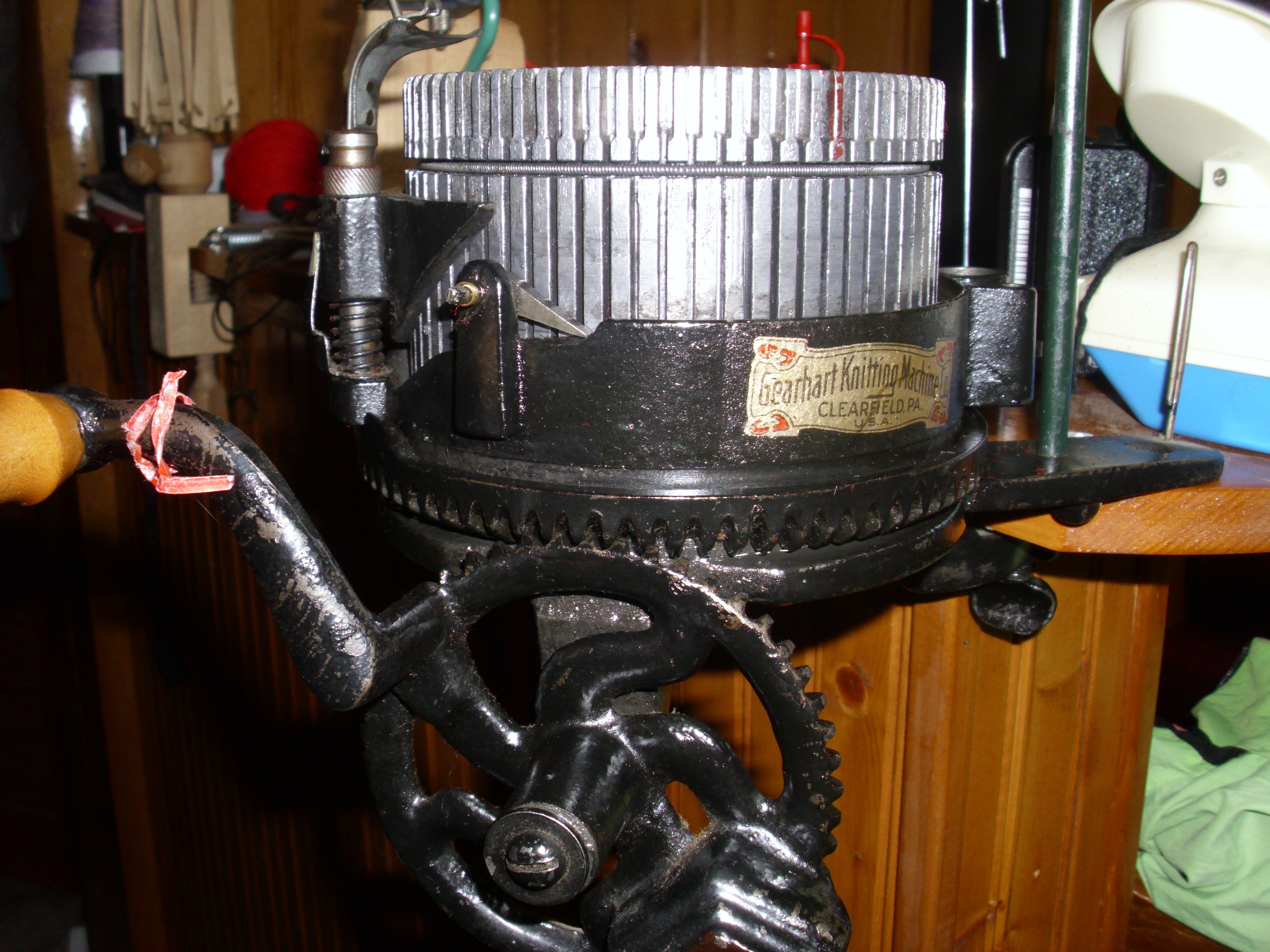
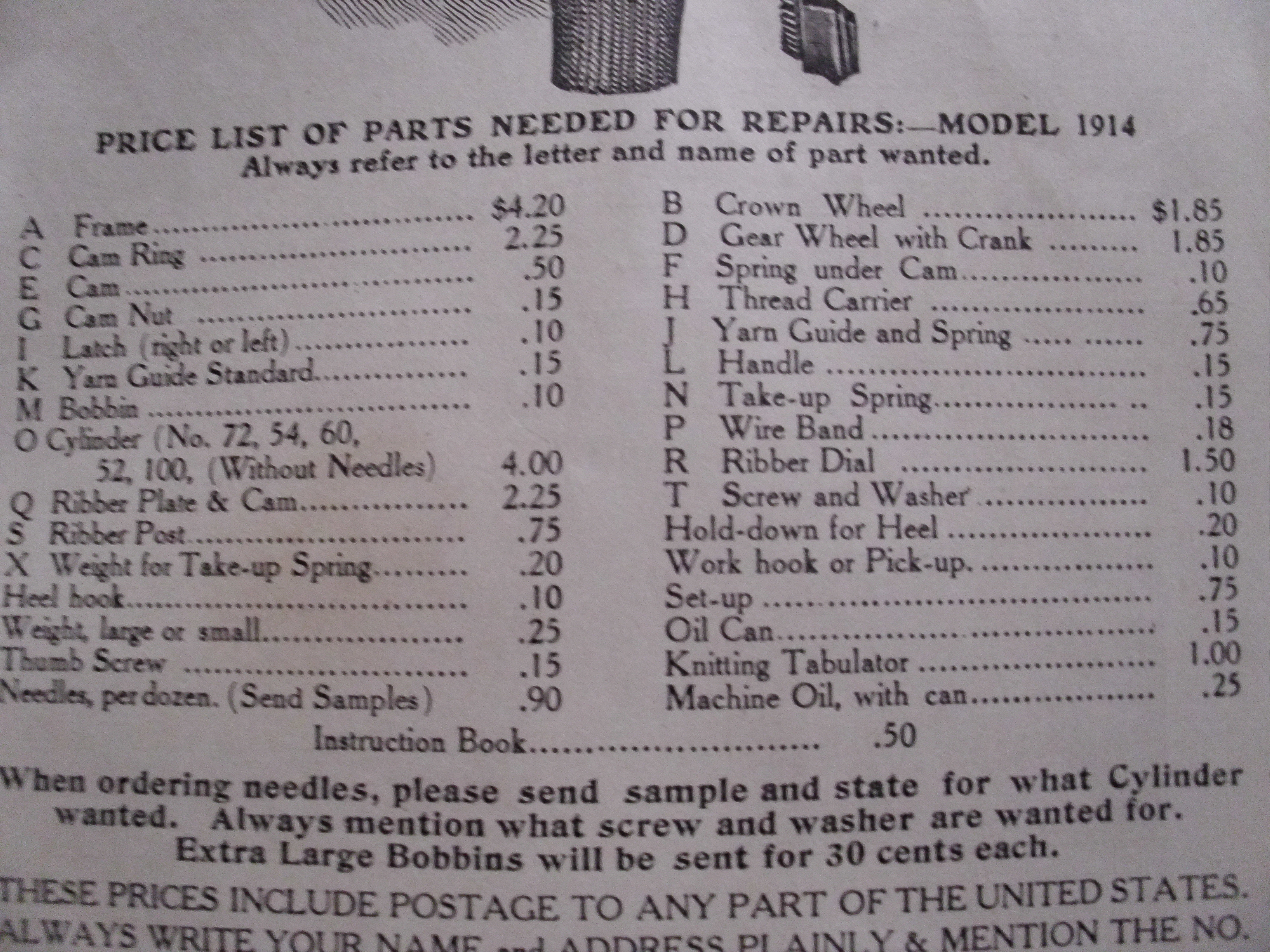
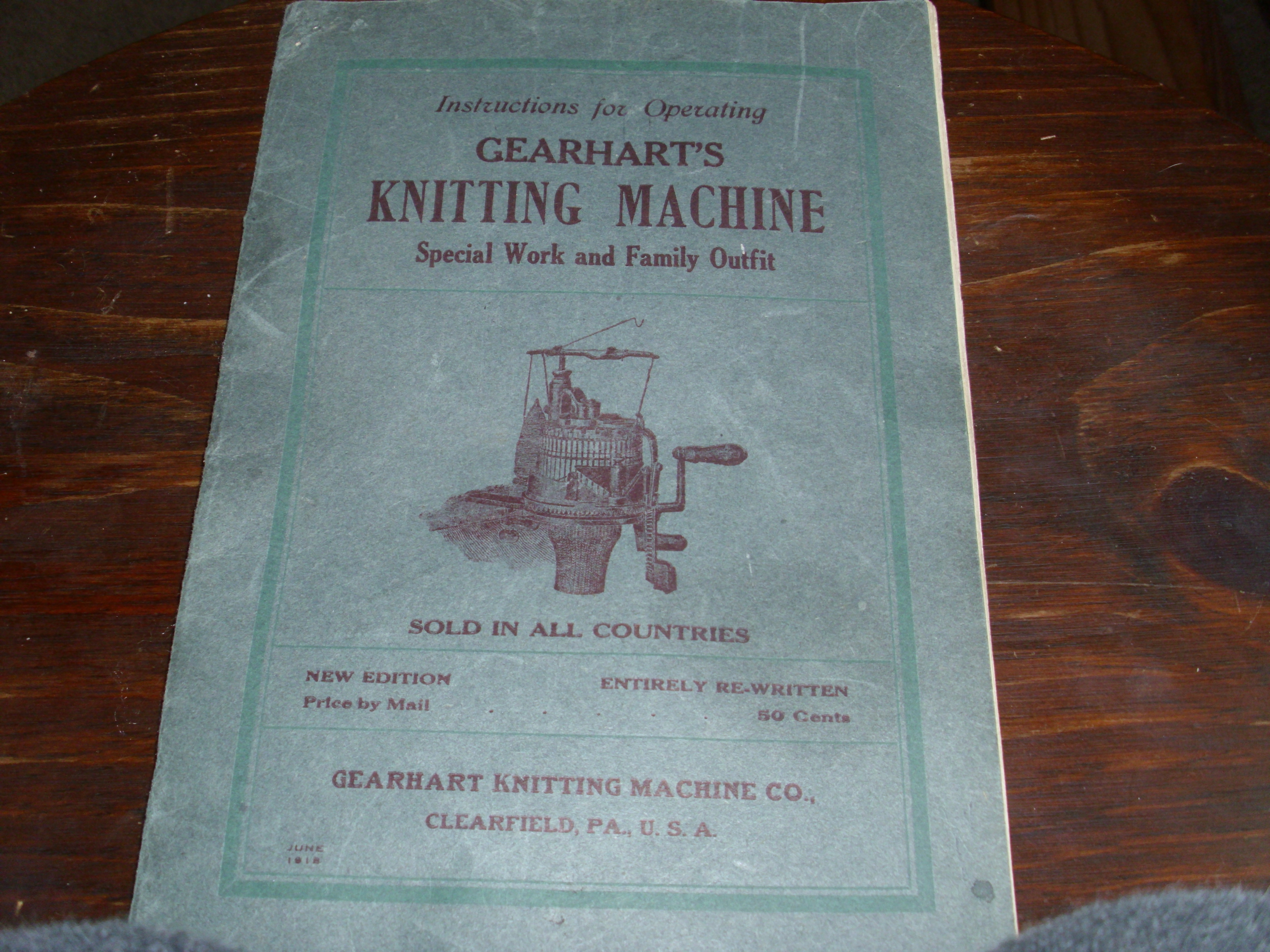
It seems the sock knitter is from 1914. It’s in great condition and had the book that came with it on the machine’s care and use. I also found the price list astounding.
I haven’t gotten the loom at the house yet but the paperwork is very interesting. It seems that the loom cost 48.00 at the time it was purchased. There are letters from the previous owner and the previous owners grandmother who learned to weave on it at 8 yrs old in 1913. I found the price list and the booklet on how to make a profit selling rag rugs to be very interesting.
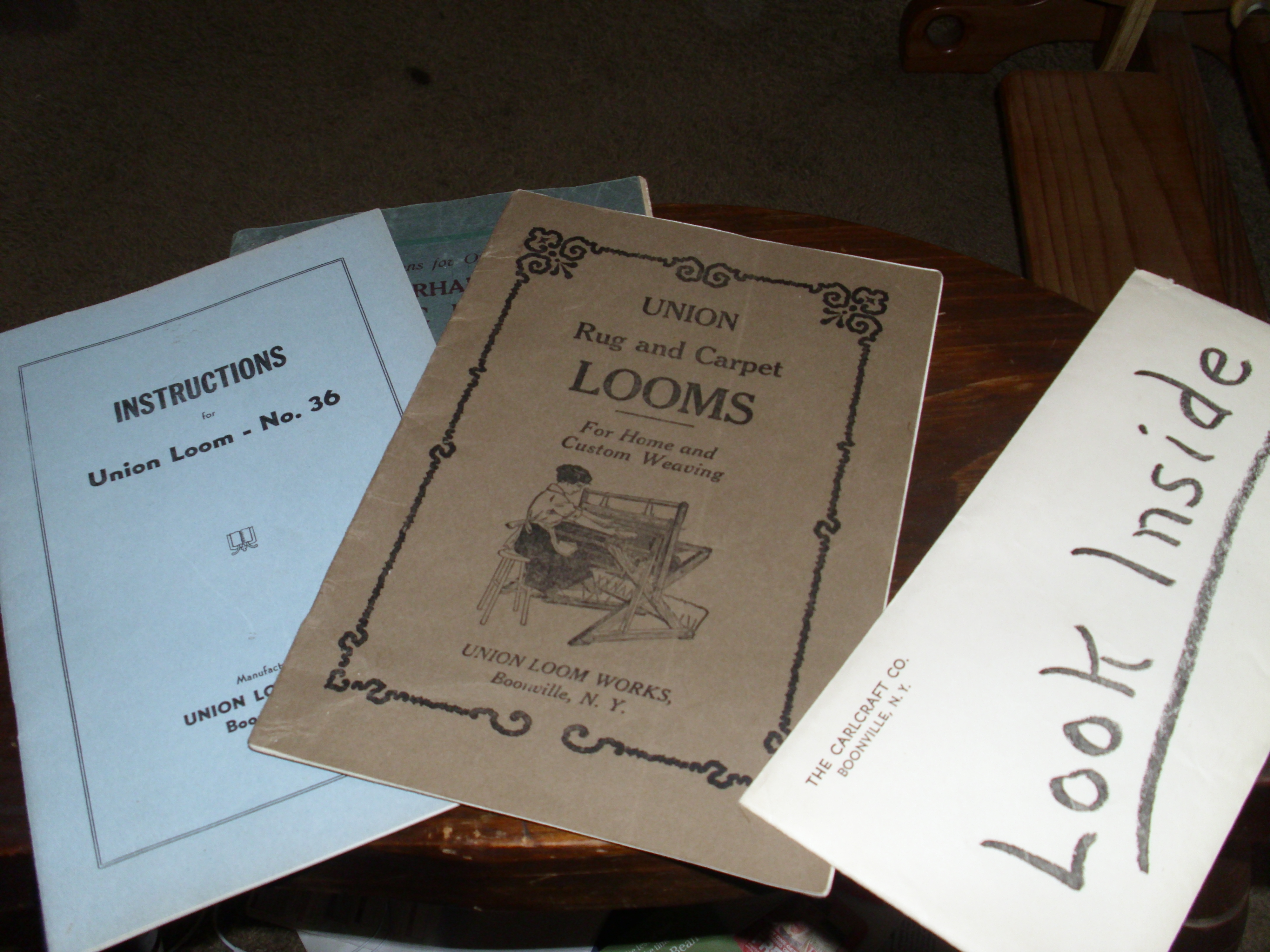
I will get pics of the loom as soon as it arrives at the house.
As Friday is my crazy busy day. I gave into one of my little luxuries. I bought myself a sandwich. Not just any sandwich a Roadrunner Sandwich from Mountains Market in Dover-Foxcroft. I order mine with provolone(it comes without cheese). I have to say it is the best vegetarian sandwich I’ve ever had(easily made vegan by omitting the cheese and pesto mayo). They grill the vegies and the bread is herbed panini bread. Soooo Gooood!
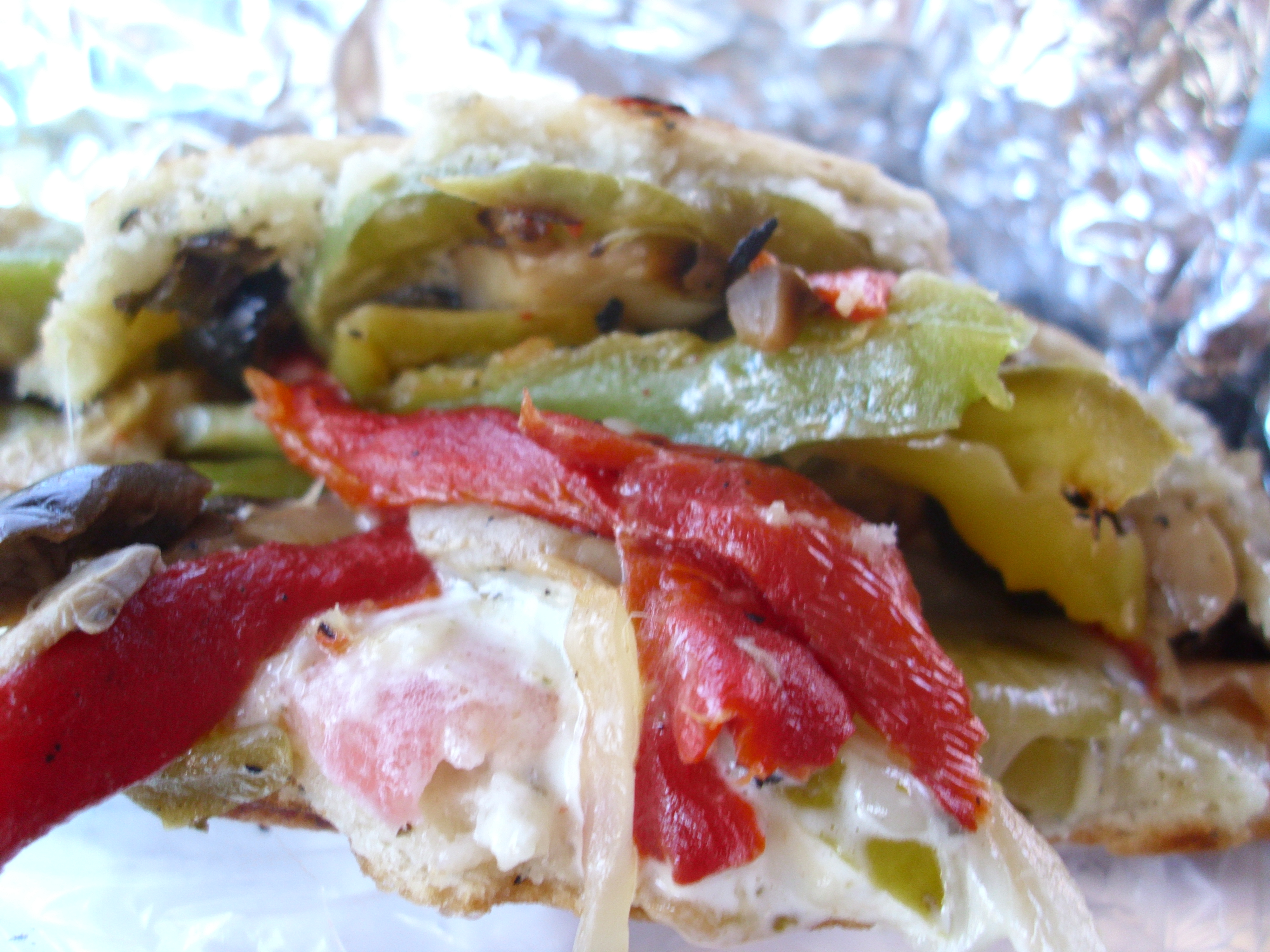 What a great week!
PS. Don’t forget to sign up for our weekly newsletter.
Tags: circular sock knitting machine, csm, knitting, knitting patterns, knitting projects
I took a fun day with a good friend of mine this Sunday and went to the Common Ground Fair. We had a lovely time. The Common Ground Fair is in Unity, Maine. It is a different fair in some ways than what I am used to.
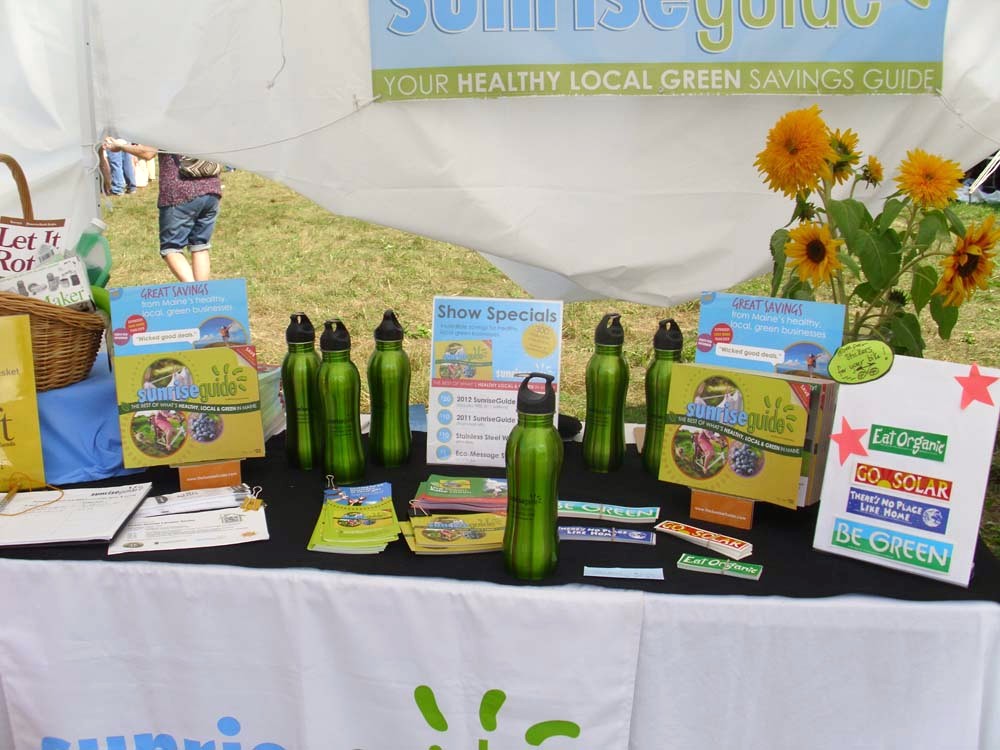
The Sunrise Guide finds deals from local organic businesses in Maine, and created an awesome coupon book(nearly 300 coupons, plus tips on living more green). I liked what they were about so I bought an aluminium water bottle as most of the stuff in the book was not within my local range. You can find them at www.thesunriseguide.com .
They specialize in organic, green, and Maine-made. There can be exhibits from companies specializing in green products, right beside organic gardeners, there are the animal barns, as well as arts and crafts. All the food is organic and much of it is steered toward a vegetarian or vegan lifestyle. Everyone can eat at this fair. My children had no desire to go because they offer no rides. I guess electric and gasoline powered rides definitely go against being eco-friendly. Not to say they have nothing for children. There is entire huge area sectioned off for the ( I would say 12 and under) children. The only ride I saw was parents and children being given cardboard boxes to ride down the side of slippery grassy hill(everyone looked like they were having a blast). There was also live entertainment(at least 2 stages) and also people playing their instruments in other areas.
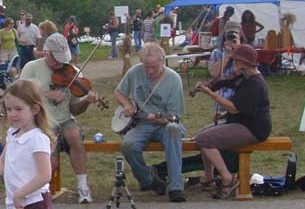
They had classes(some free some you had to pay for) and informative talks on a plethora of subjects.
Here are a few of my highlights:
I took alot of animal pictures. First of course the Bunny Barn.
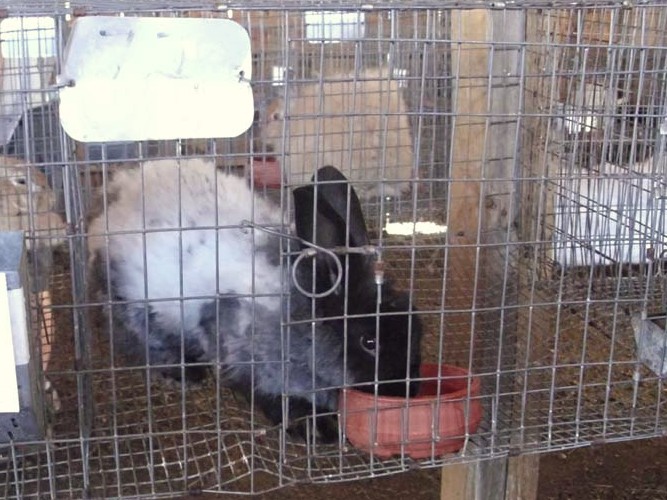
what a gorgeous black angora bun
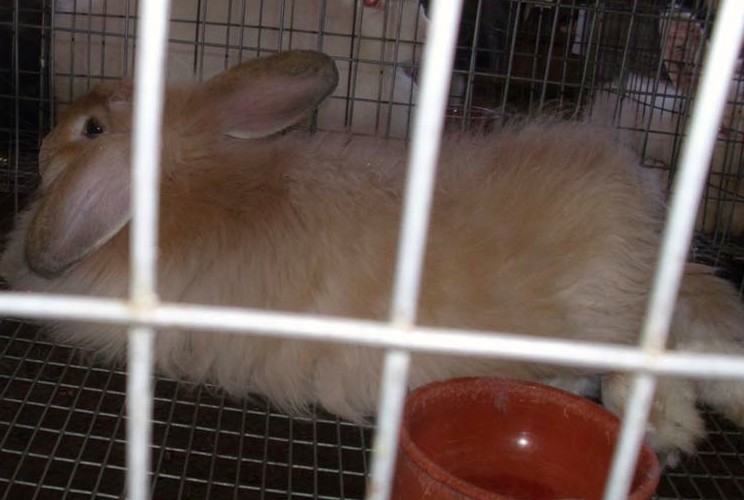
love the flop ear on this bun what a cutieThe horse shows
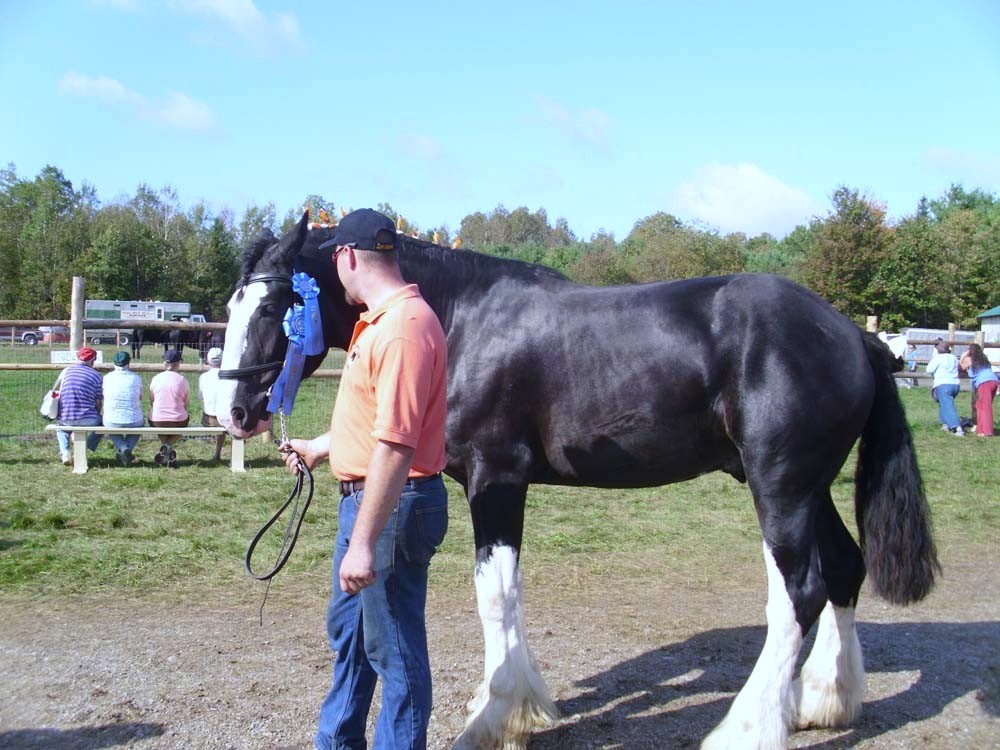
I was just amazed at this beautiful animal.
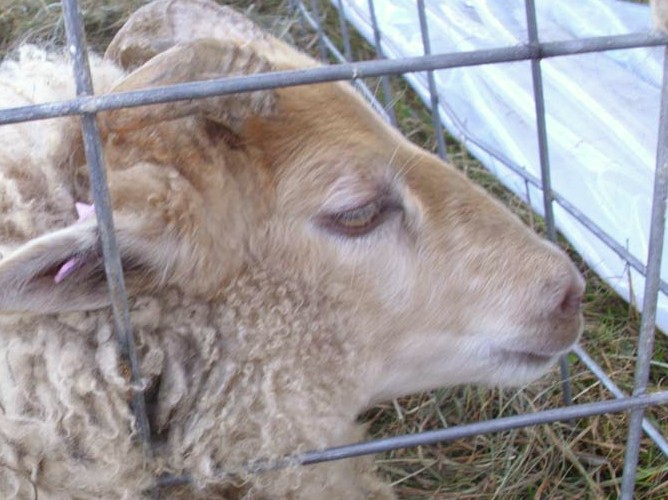
Love the color of this goats eyes and the fiber is to die for.
