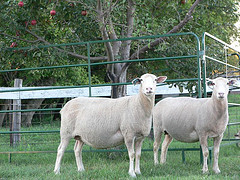
Deyaneria on April 16th, 2012

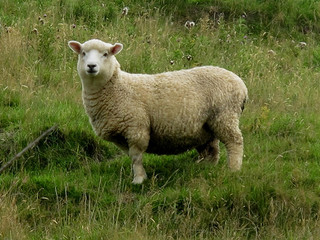
Cormo Sheep Courtesy of Juniper Moon Farm

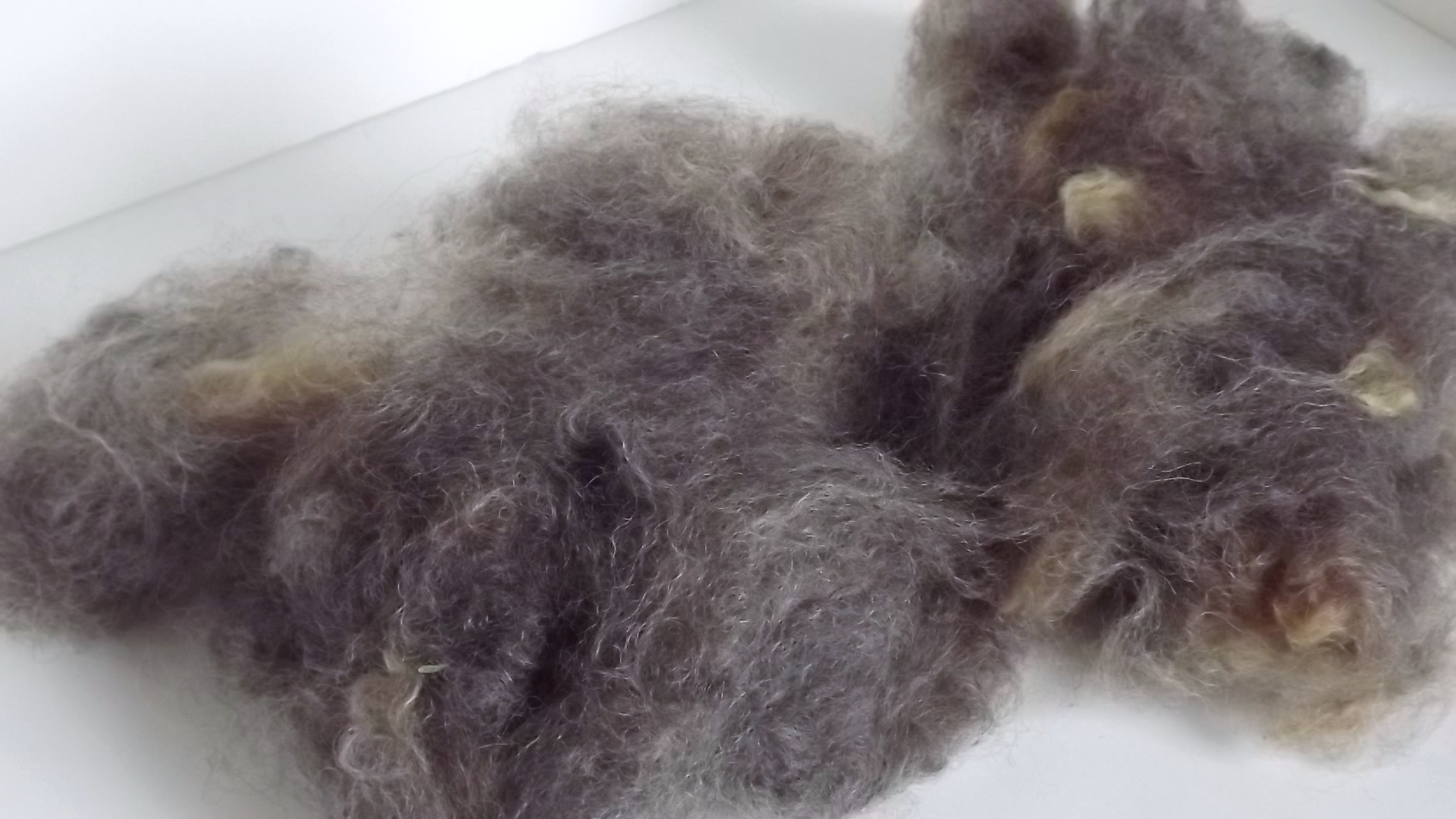
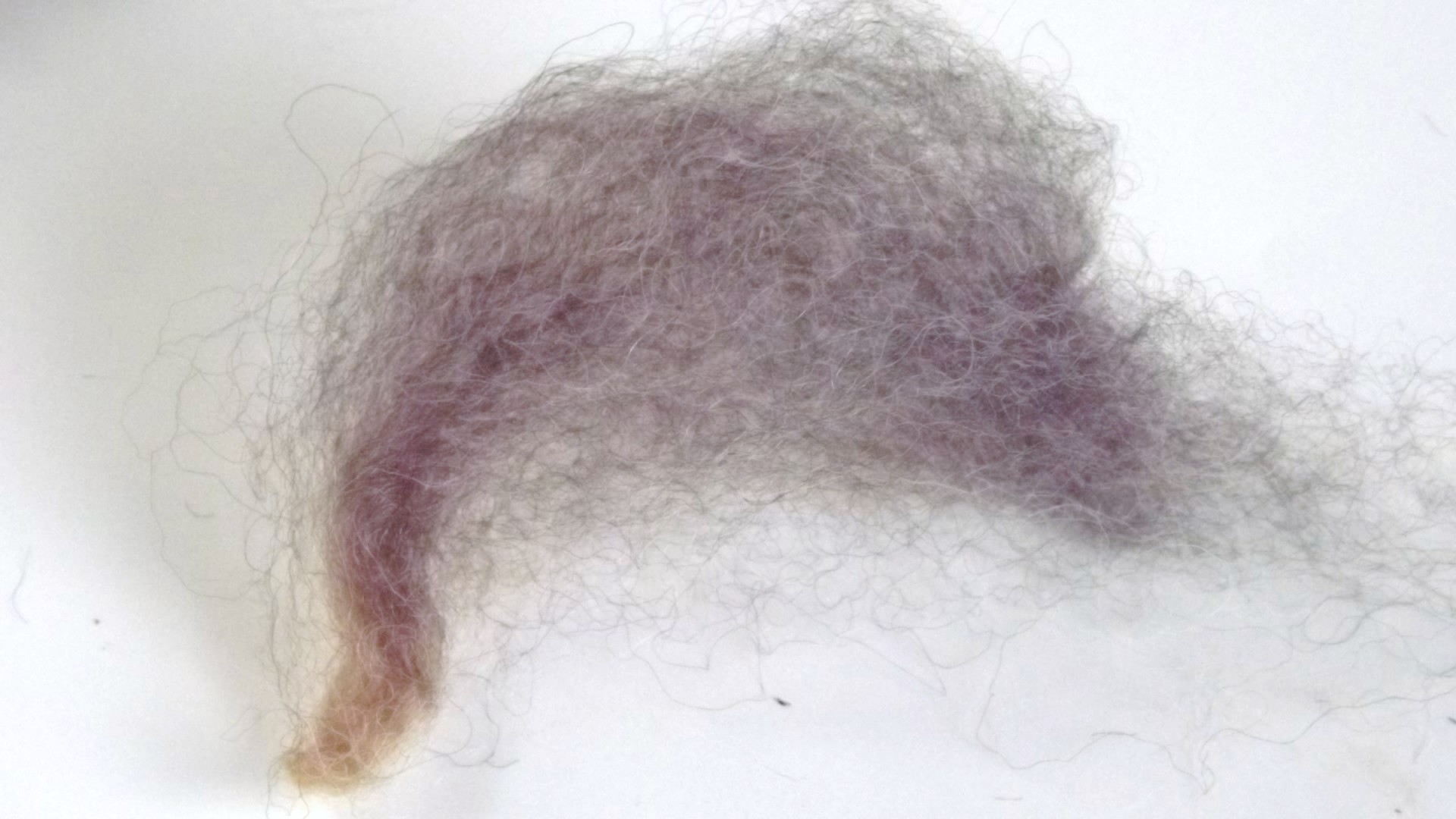
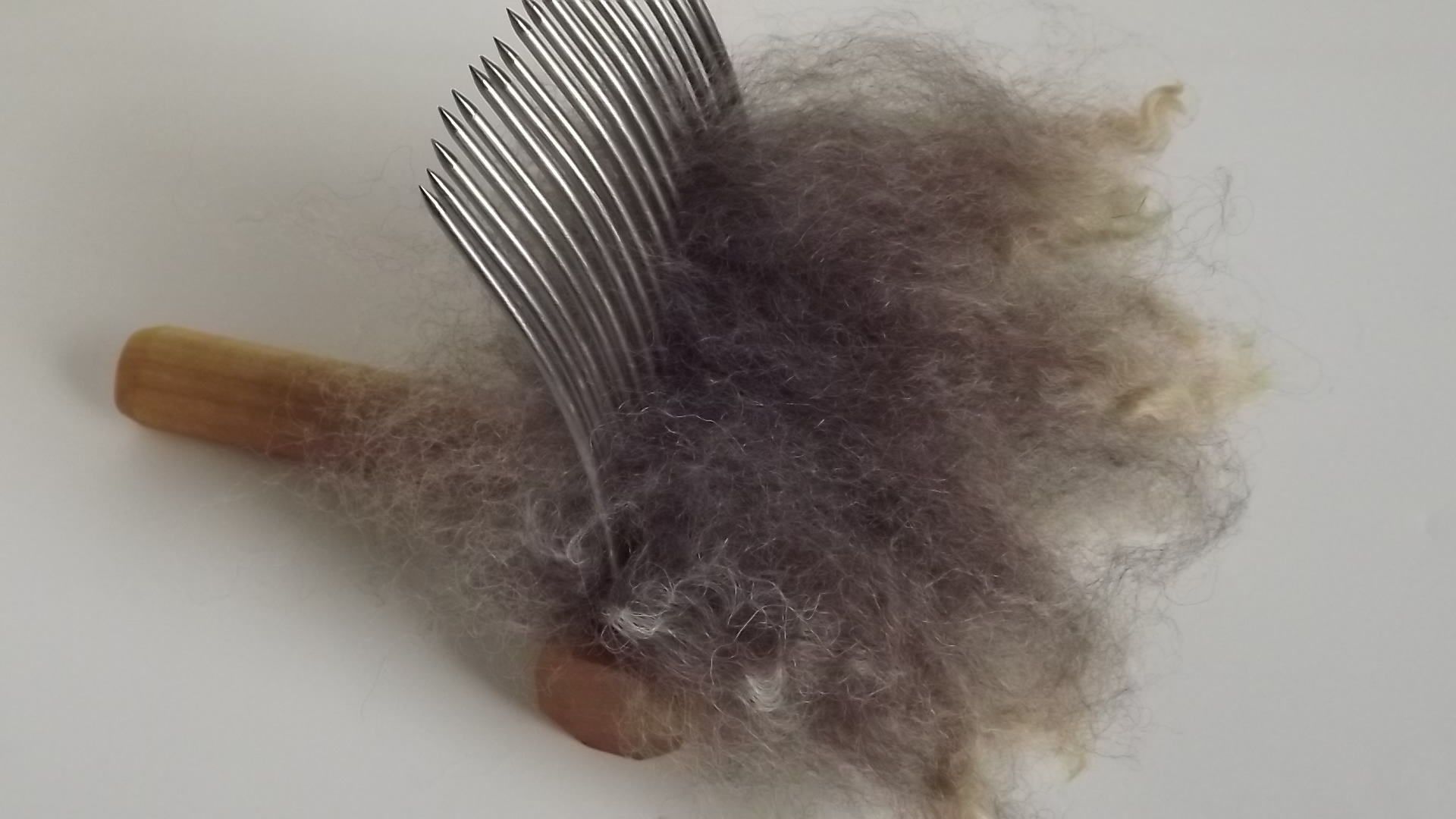
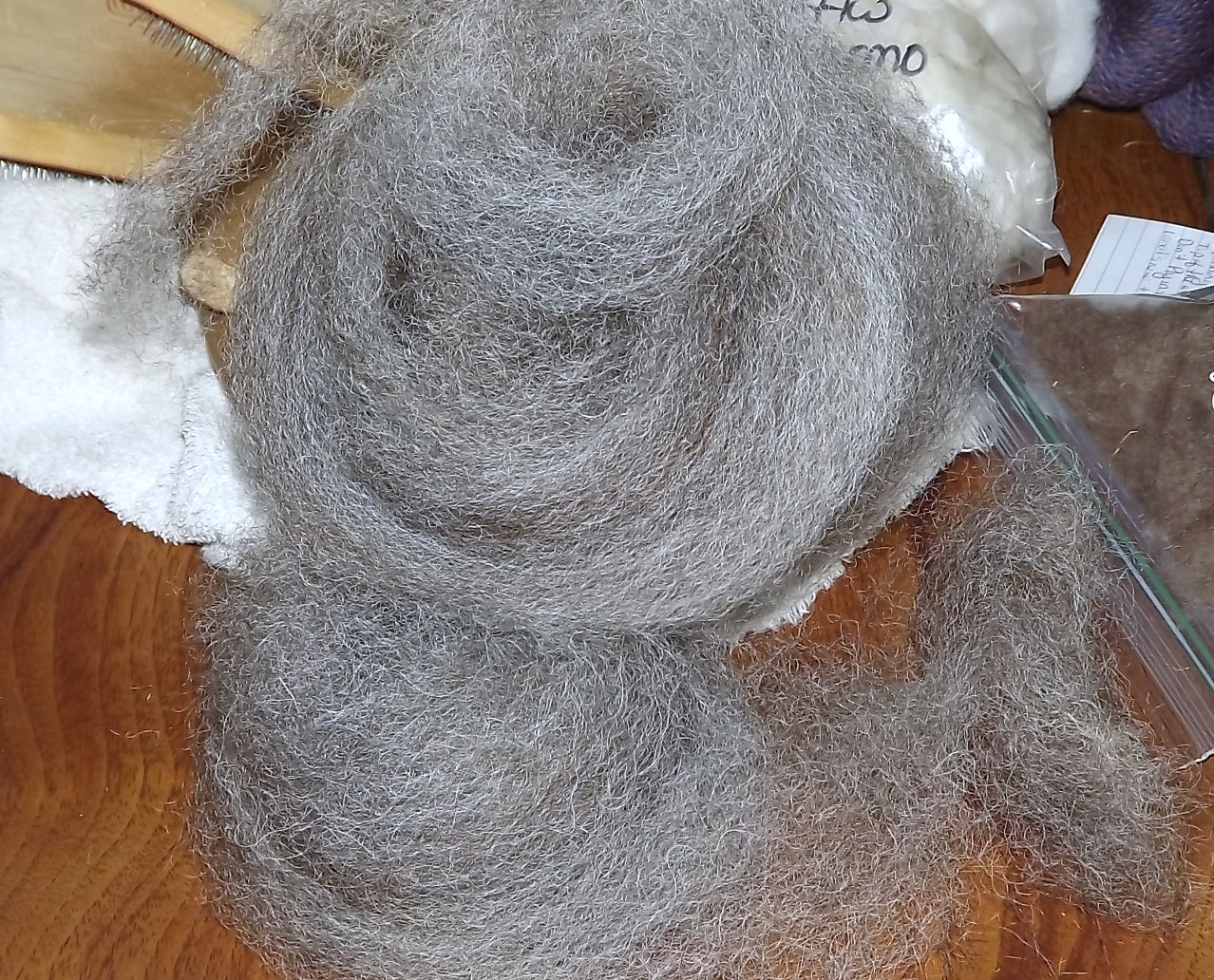
Cormo is an Australian breed of sheep developed in Tasmania. In 1960, Ian Downie with the help of the Division of Animal Genetics of the Commonwealth Scientific and Industrial Research Organization did a carefully constructed study. The object was to produce a more fertile, larger framed and higher wool producing sheep.

Select Corriedale Rams were crossed with 1200 selected saxon merino ewes. They strictly selected certain offspring to become the Cormo (corriedale, merino) breed.

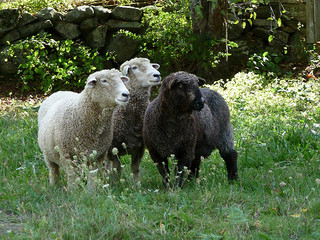
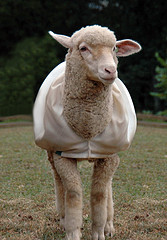
Sheep in a coat by Apple Rose Farm on flickr

The cormo breed has these characteristic’s: 

  • They are a rugged breed meaning they need no shelter or supplemental feed
  •  High fertility rate
  • long staple, high yield wool
  • resistance to fleece rot and skin issues
  • open ( no wool) faces
  • can be used for meat animal (large carcass)
  • polled
 

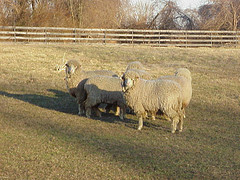
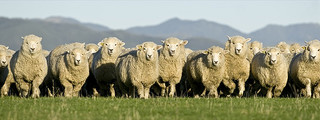
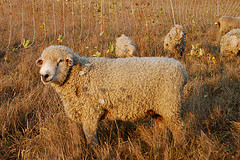
Group of Cormo Sheep courtesy of Apple Rose Farm

 
Cormos have  been exported to Argentina, China, the United States, Italy and Belgium. However according to The Cormo Sheep Registry, Inc, there has only been 507 ewes and 28 rams brought to the U.S. as of 2002. that would explain why this breed is harder to find here.
 
Information from Wikipedia, Oklahoma State University, and The Cormo Sheep Conservation Registry, Inc.
 

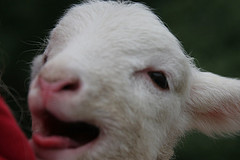
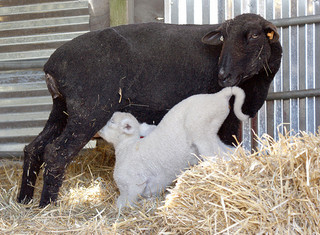
What a face! thanks to Juniper Moon Farm on flickr

P.S. If you would like to be notified whenever there is awesomely fibery update here click the RSS feed!

 P.P.S. If you would like to know more about what’s going on around the farm and store upcoming specials sign up for our weekly newsletter

I couldn’t resist one last pic.

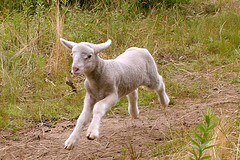
Wheeee! picture courtesy of Juniper Moon Farm on flickr

Deyaneria on April 13th, 2012
YouTube Preview Image
Deyaneria on April 11th, 2012

Romneys produce an extremely heavy fleece depending on where the romneys are from they can produce anywere from 8-22 pds. Romney has little grease compared to other breeds there is only a loss of about about 20-25% percent in weight after washing.


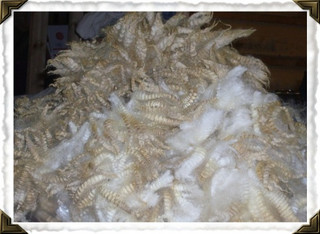
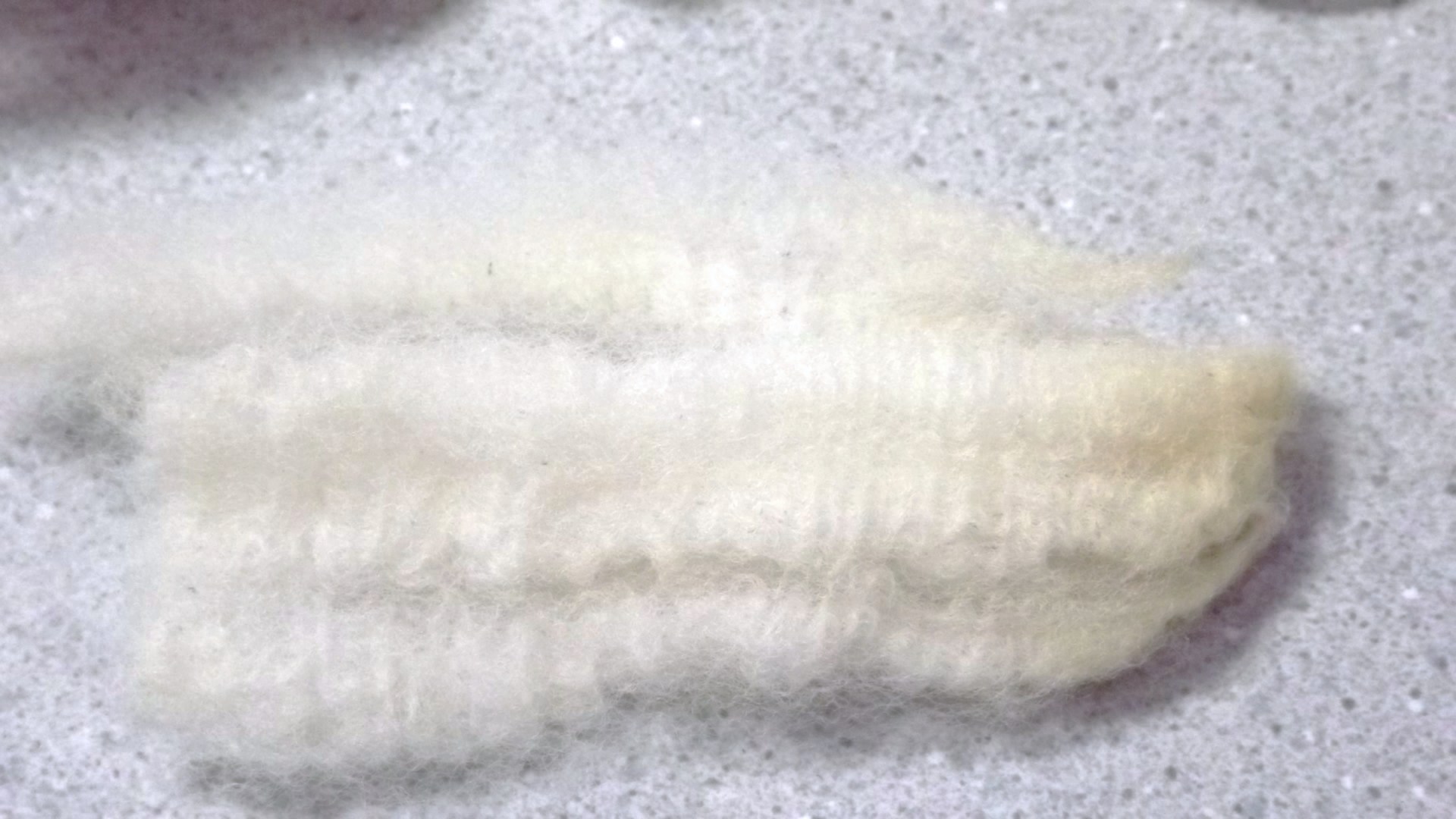
White Romney Fleece from Homestead Wool and Gift Farm on flickr

The average staple length is 4-9 inches. The micron count depends on where the romney is from: North american romney wool micron count is  29-36 microns. New Zealand Romney wool ranges from 33-37 microns. British Romney has a range of 30-35(information on micron count taken from The Fleece and Fiber Sourcebook). They may be softer or crunchier depending on the animal.

I found my romney to have a buttery, silky hand with a slight bit of crispness. It is next to skin soft. I have no trouble wearing this next to my neck.

Natural colored romney fleece by cgoyer on flickr

Romney fleece is wonderful for handspinning as some can be fine enough for next to skin wear.  It’s delicious to use in any preparation carding or combing.

Dyed romney locks by carrie loves puppies on flickr

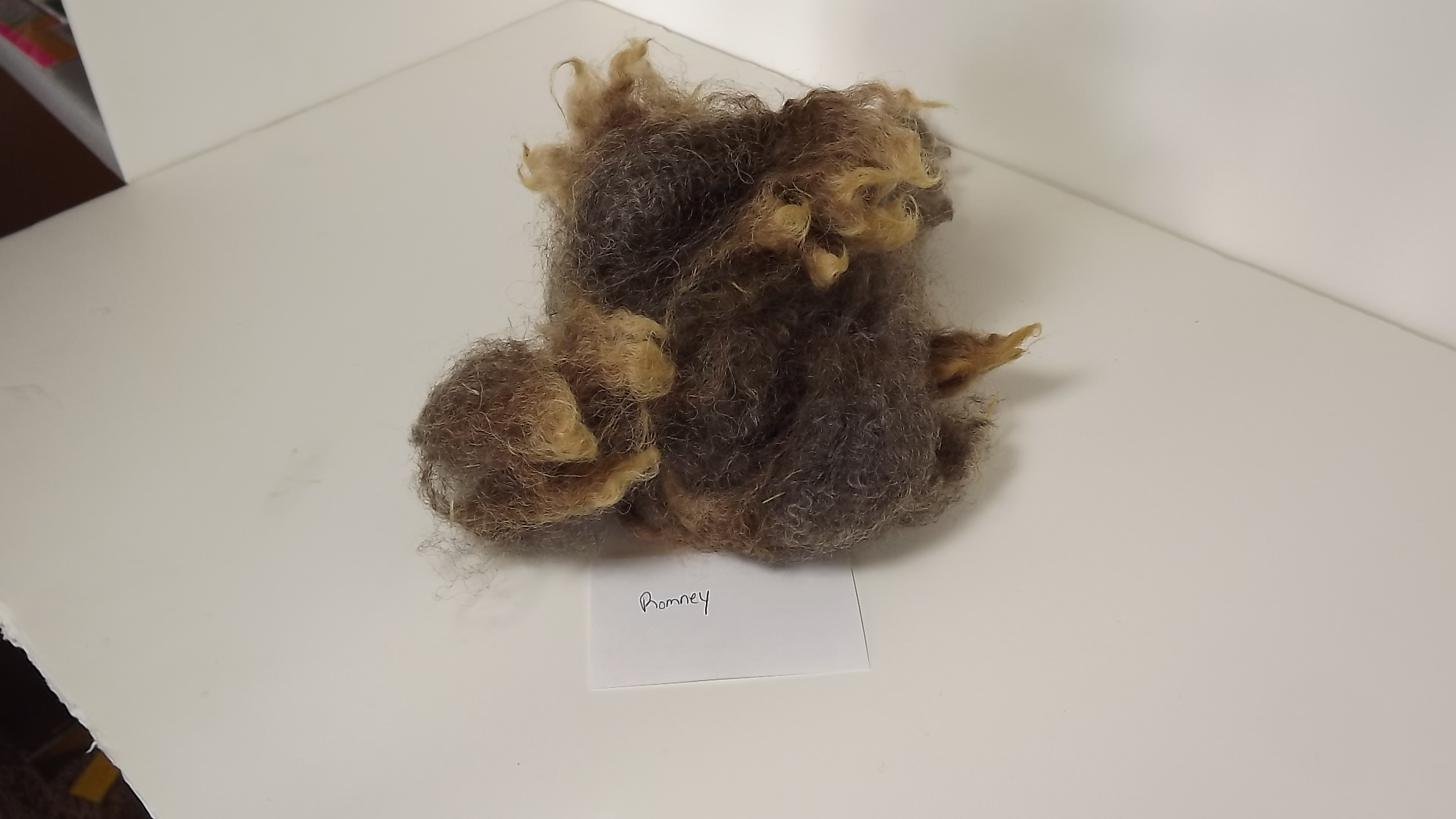
Here are my unwashed Romney Locks.


My unwashed romney


unwashed lock of romney


Here the romney is after a bath. 

washed romney


washed romney lock


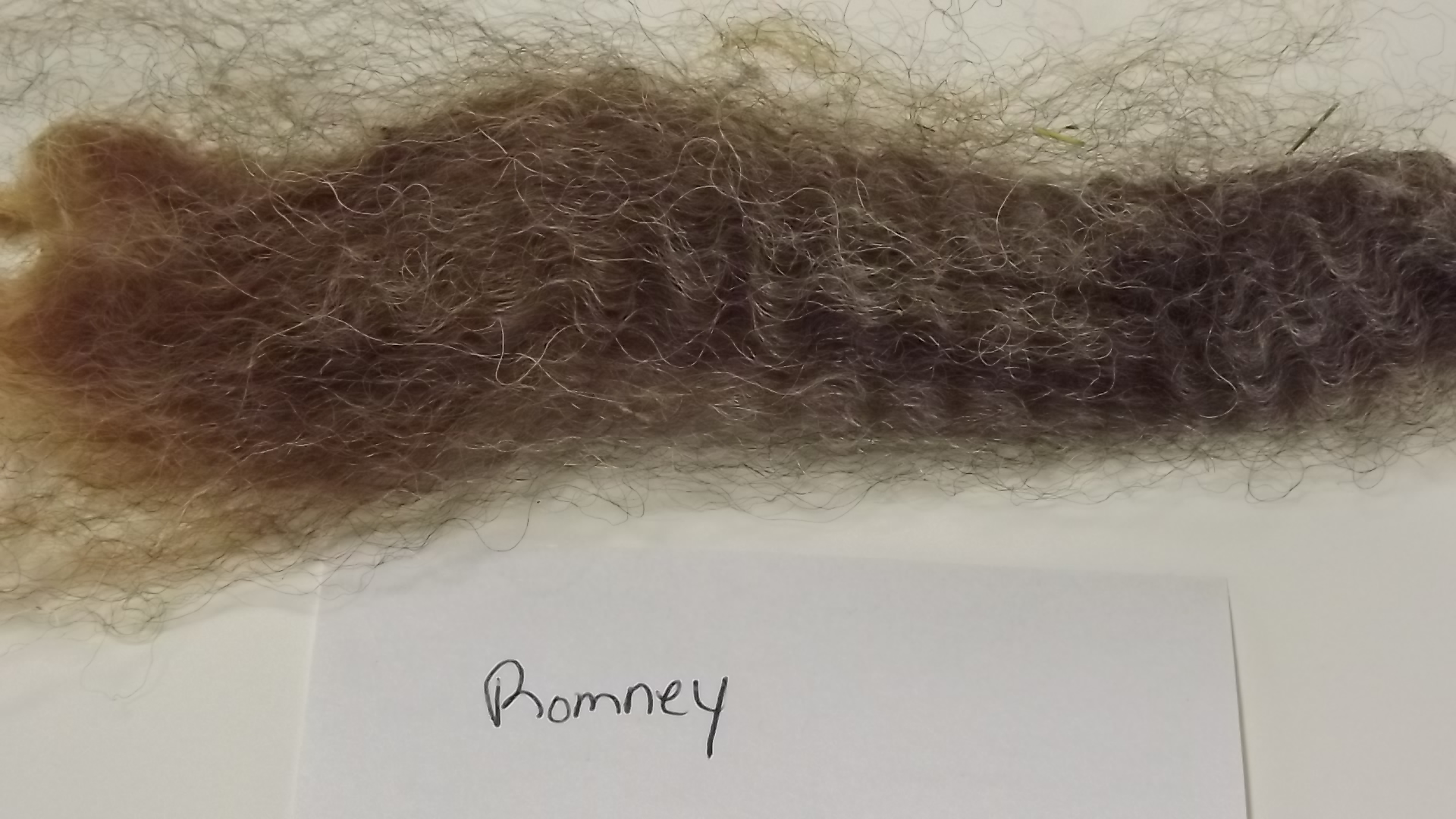
Combed romney wool


Combing romney fiber


Combed romney nests


 P.S. If you would like to be notified whenever there is awesomely fibery update here click the RSS feed!

P.P.S. If you would like to know more about what’s going on around the farm and store upcoming specials sign up for our weekly newsletter!

Deyaneria on April 9th, 2012

Romney Sheep courtesy of David Audiovend on flickr

Romney sheep have a few different names Romney Marsh and Kent (by the locals). Romney sheep originated in England. They are a long wool breed. This breed  is believed to come from other medieval long-wool sheep from which the Romney and Leicester breeds evolved. These sheep were recognized in the 1800’s as Romney Marsh or Kent.

Romney ewes by yarnbee on flickr


Romney’s are an clean faced (meaning no wool on the face) breed with long wool that grows down over the legs. Breed standards are not identical in all countries but they do have things in common.  “The oldest Romney breed society, that of England (founded 1895), adopted the following standard in 1991,

The Official Description of the typical Romney sheep is as follows: Head wide, level between ears, with no horns nor dark hair on the poll. Eyes should be large, bright and prominent and the mouth sound. Face in ewes full, and in rams broad and masculine in appearance. Nose and hooves should be black. Neck well set in at the shoulders, strong and not too long. Shoulders well put in and level with the back. Chest wide and deep. Back straight and long, with a wide and deep loin. Rump wide, long and well-turned. Tail set almost even with the chine . Thighs well let down and developed. The face should be white, and the skin of a clean pink colour. Ribs should be well sprung. Legs well set, with good bone and sound feet. Sheep should stand well on their pasterns. The fleece should be of white colour, even texture and a good decided staple from top of head to end of tail and free from kemp.( Wikipedia)”


White romney sheep by Geoff the Kiwi on flickr


What about colored romneys? I have only seen colored romneys and have some beautiful brown romney wool. I decided I need to read further.


Romney ewe and lamb by QueenieVonSugarPants of Flickr


“In North America and England, natural-colored Romneys (whose fleeces are not white, but black, gray, silver, brown, variegated) have come to be valued for what they bring to hand-spinners and weavers who like the palette of natural colors. Traditionally, natural-colored (or “black”) sheep were detested, as even a small amount of black fiber on an otherwise white sheep can ruin hundreds of pounds of textile.

Since 1972 natural-colored Romneys have been registered with the American Romney Breeders’ Association (founded 1911), which has developed a special breed standard for them. In New Zealand natural colored Romneys can be registered in the Romney section of the Black and Natural-colored Sheep Breeders Association, but are still eyed with suspicion by many breeders of white Romneys.(wikipedia)”

Romney ewe with lamb courtesy of Majic hands on flickr


So it seems that in most places colored romney fiber is accepted. It seems a bit strange that it would be “eyed with suspicion” or not mentioned at all by “the oldest romney breed society.”

Color in a romney lamb by kesath on flickr

I think that colors makes thing more interesting so bring on the color!

P.S. white is a color too!

white romney lamb by Sheep Dreams on flickr


 P.P.S. If you would like to be notified whenever there is awesomely fibery update here click the RSS feed!

P.P.P.S. If you would like to know more about what’s going on around the farm and store upcoming specials sign up for our weekly newsletter!

Deyaneria on April 6th, 2012
YouTube Preview Image


This is my first vlog. I would looove some feedback….tell me what you like what you hate. I know this is a work in progress. I can’t tell you how nervous I am to be doing this.

Tags:

Deyaneria on April 4th, 2012
How gorgeous is this fleece? pic by grahamramsden52 on flickr
 
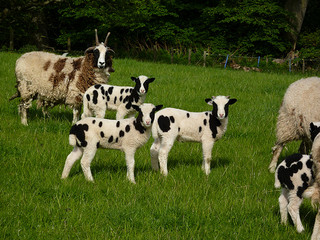
Jacobs are not a big breed. The British Jacobs are a bit bigger due to breeding for larger body size. Mature rams weigh about 120 to 180 pounds (54 to 82 kg), while ewes  weigh about 80 to 120 pounds (36 to 54 kg).The head is slender and triangular, and clear of wool forward of the horns and on the cheeks. They have many colors black and white is most popular in the U.S. while browns are seen more over-seas.

What a pretty picture! by zlithgow on flickr

 
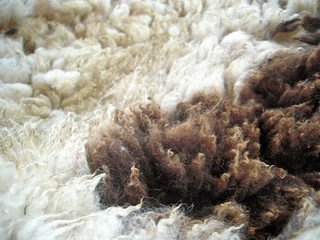
I think I love Jacob fleece.  It’s a medium single coated fleece. They usually weigh about 3-6 pds. The staple length is from 3-7 inches and the micron count wide range but mostly from 25-35 microns. There can be a lot of variation in the breed. The range of natural colors are amazing because the spots can be separated out they can be carded together. Oh the possibilities! The feel is slightly crispy on top and buttery soft at the same time.

close-up of jacob fleece courtesy of TreasureGoddessChic on flickrLovely carded jacob wool by Yarnstruck Cathy on flickr

 
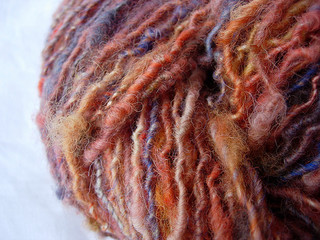
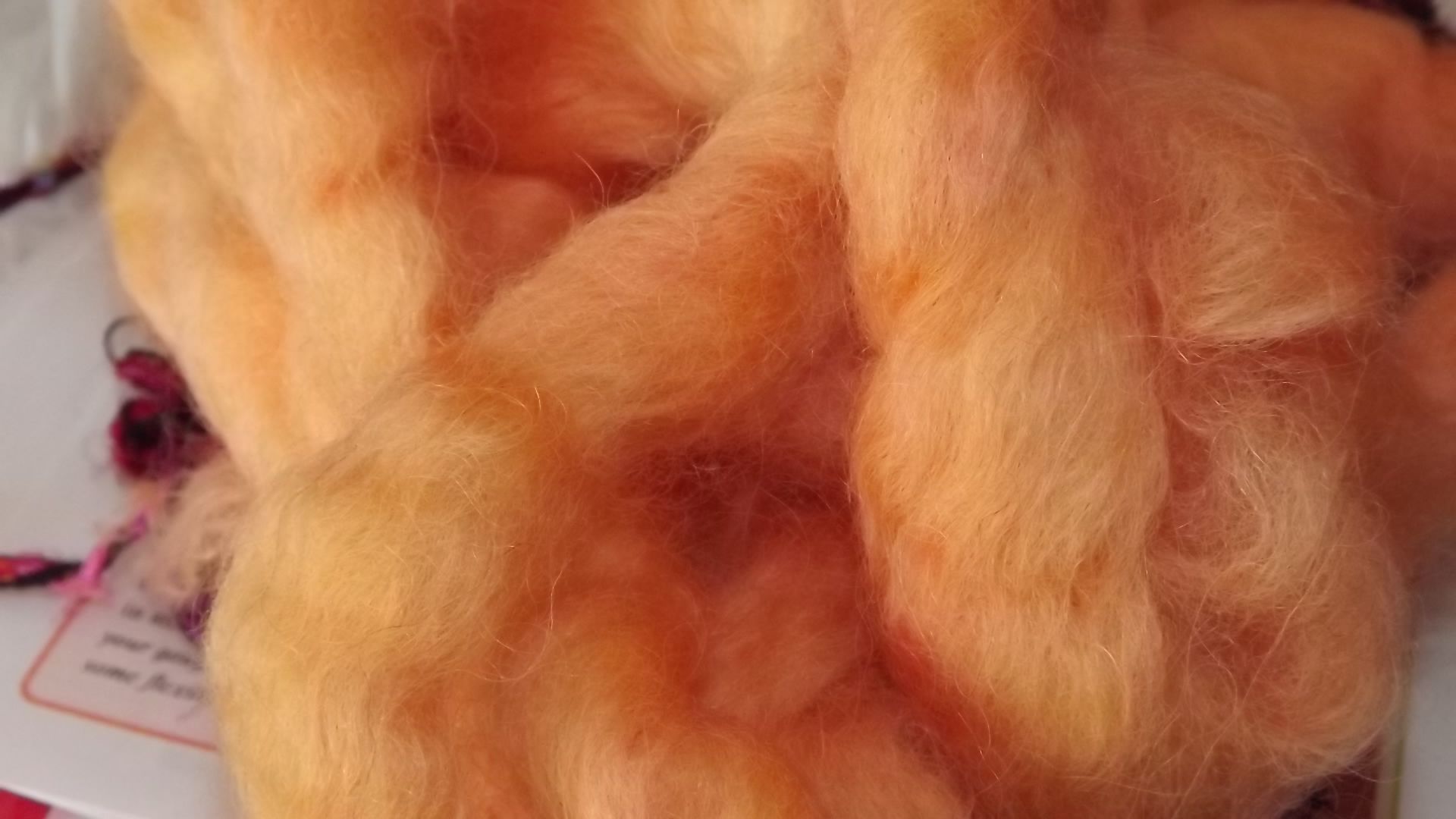
The dyeing possibilities are amazing too as I would think this would dye in an interesting way.
  

Dyed Jacob yarn by missdollymix on flickr


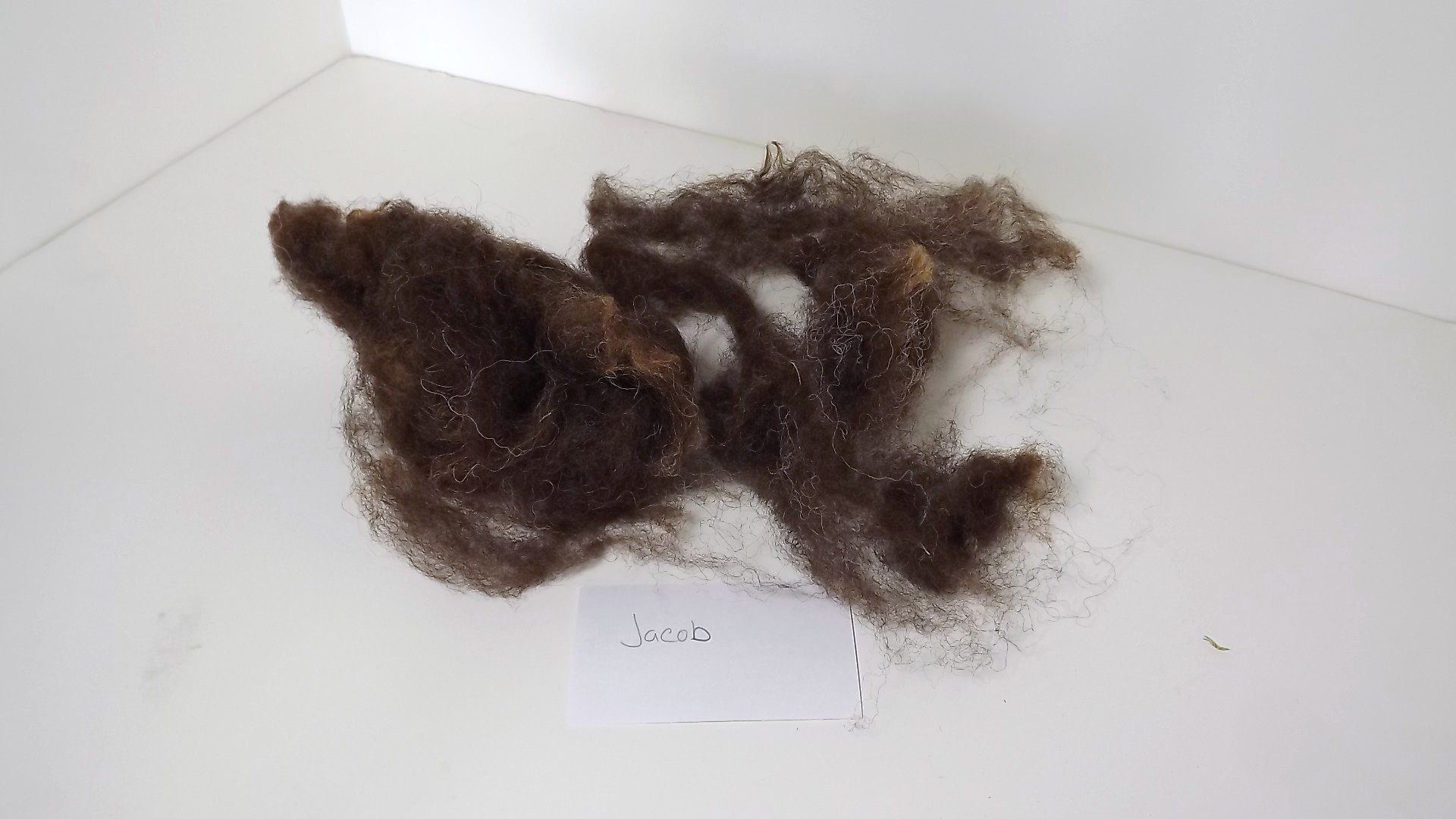
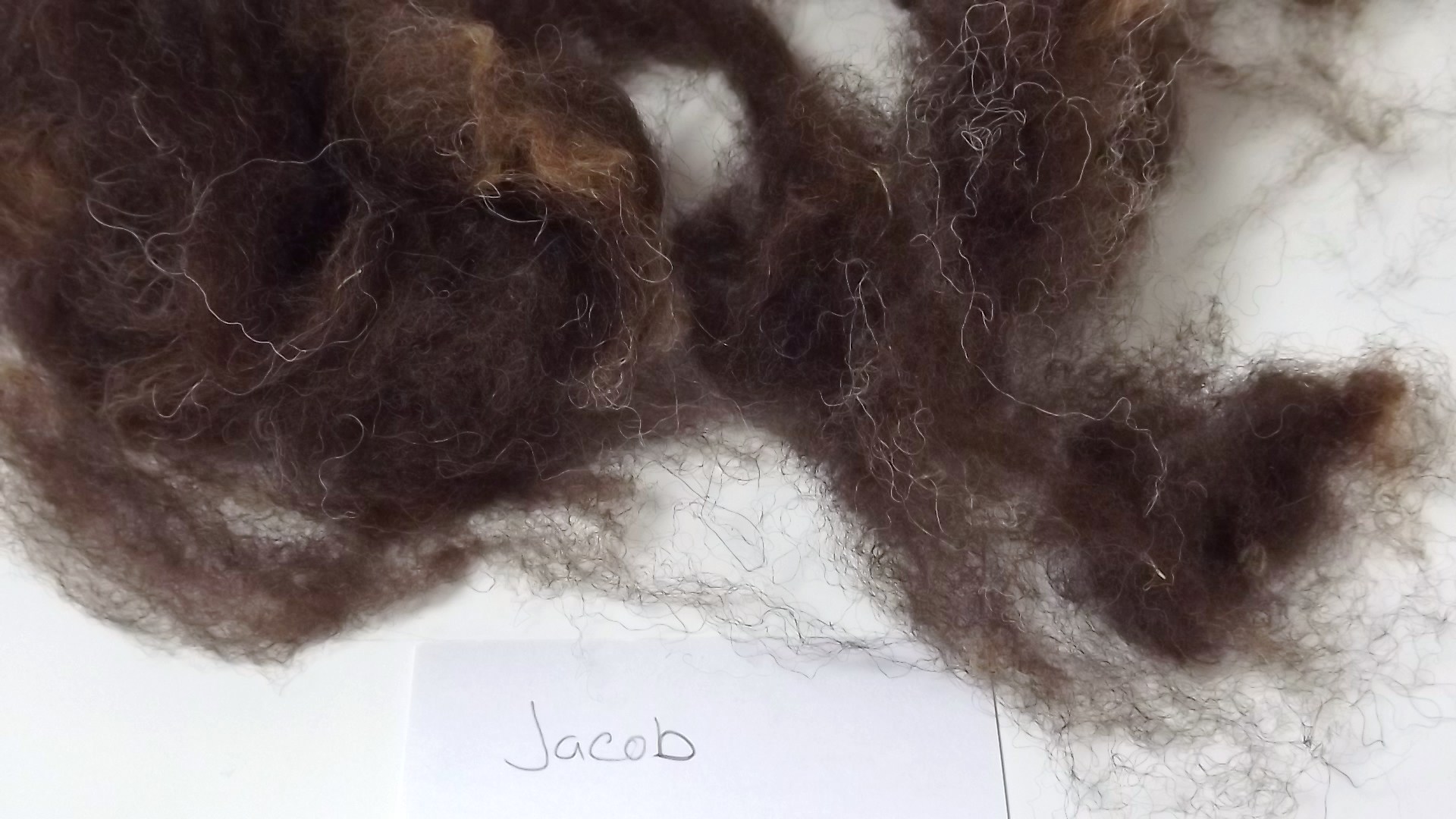
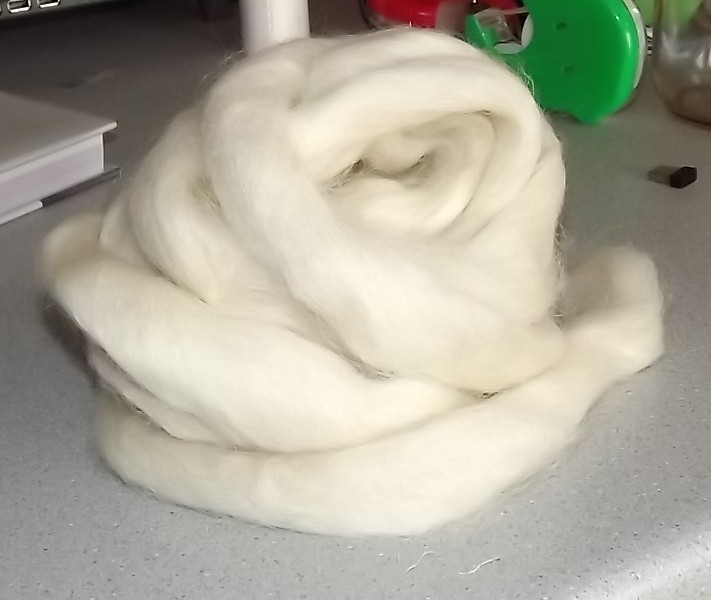
Here is my Jacob fiber.
 

My jacob wool


Close-up

 
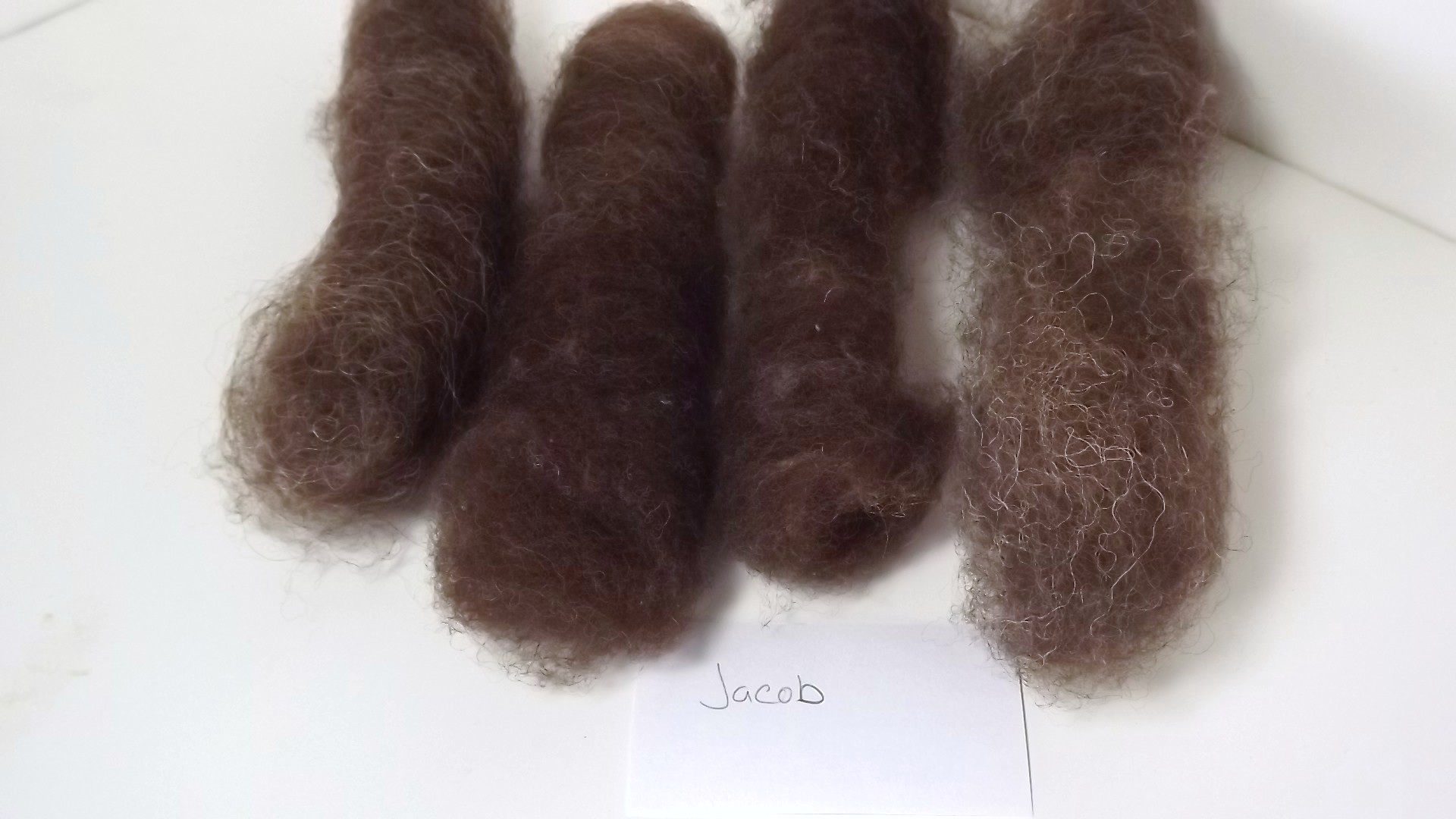
 I decided to card it up.
 

P.S. If you would like to be notified whenever there is awesomely fibery update here click the RSS feed!

 P.P.S. If you would like to know more about what’s going on around the farm and store upcoming specials sign up for our weekly newsletter!

Deyaneria on April 2nd, 2012
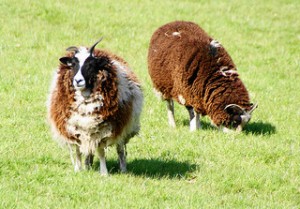
 

British Jacob sheep by Bill Boaden on flickr


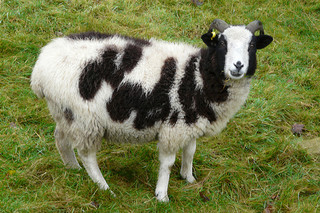
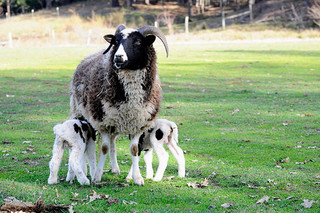
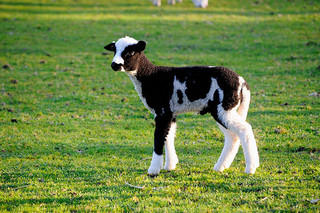
Jacob Sheep are  rare breed of small, piebald, polycerate sheep(wikipedia).  Ok in that first sentence I learned 2 new words.

Piebald : from wikipedia:”A piebald or pied animal is one that has a spotting pattern of large unpigmented, usually white, areas of hair, feathers, or scales and normally pigmented patches, generally black.”

Polycerate: multihorned

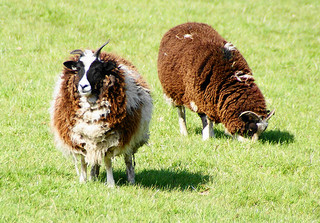
Jacobs may have from two to six horns. I’ve honestly only seen 4 in person. The most common color is black and white. I managed to get some grey and brown.   The Jacob is descended from an ancient breed of sheep, although its exact origins remain unclear. Spotted polycerate sheep were documented in England by the mid–17th century, and were widespread a century later.  Jacob sheep  of North America have not undergone extensive cross-breeding and selective breeding. They look a bit like a goat to me as most more primitive sheep usually do.  British Jacobs tend to be larger and heavier, and have lost many of their original characteristics through breeding.
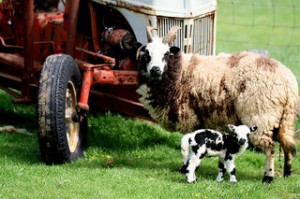
American Jacob Sheep by Scott361

 There a couple of theories about the origins of Jacob sheep one of them being the biblical account of Jacob in in Genesis taking all the specked sheep from his uncle’s flock and breeding them. Jacob sheep came from Jacob.  This was the probably the first documented selective breeding. I don’t think that was were the name came from though because the sheep weren’t actually named Jacob sheep until the 20th century.
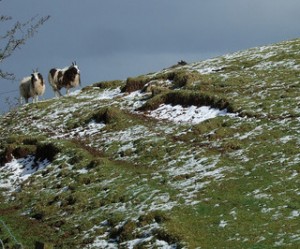
Jacob Sheep courtesy of slemish girl on Flickr

Another theory bases on circumstantial evidence is that Jacob sheep are descendants of a fat-tailed breed from Mesopotamia. Some early records in Sumerian cities in mosaics  show fat-tailed sheep. More compelling is the genetic evidence that Jacob are linked to other unimproved breeds in southwest Asia and Africa. These breeds migrated and became  Mouflon, Soay, and North Ronaldsay Sheep. 
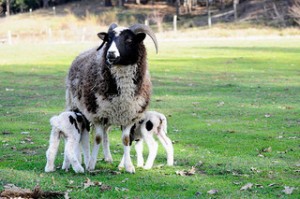
Ewe and lambs feeding time by MudRanch on Flickr

One last theory is that Jacob are a descended from a subartic breed of sheep introduced to the British isles by the vikings.  The problem with this theory is that all scandinavian breeds of sheep are short-tailed sheep Finnsheep, icelandic, shetland, and spaelsau are all shortailed sheep. The Jacobs’ are long tailed so the idea that Vikings introduced them isn’t likely(wikipedia).

There is also one legend that makes the Jacob a spanish sheep. It is said that Jacob sheep washed ashore after the destruction of the Spanish Armada in the late 16th century. There is little evidence to support this.
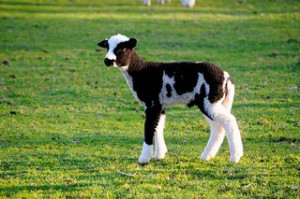
 

How cute is they little one? courtesy of MudRanch on flickr

I found the convoluted history on these sheep to be fascinating. There is the middle east and vikings involved:)  It hasn’t been really figured out where these sheep came from.  The point is that they are here and are a breed worth saving.

P.S. If you would like to be notified whenever there is awesomely fibery update here click the RSS feed! 

P.P.S. If you would like to know more about what’s going on around the farm and store upcoming specials sign up for our weekly newsletter!
Deyaneria on March 30th, 2012

I realized I had been forgetting to put some of the my fibers. The Week of Cheviot there was so much information I realized if forgot to put up some of my own fiber.  This is some of what I did on Cheviot week. 

Cheviot Fiber


dyed cheviot fiber

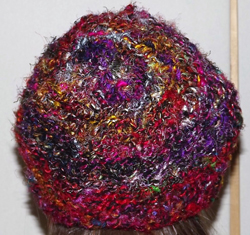
I also finished a new pattern for a client (going up in the store soon).

Slouchy hat

 The yarn is Darn Good Yarn in Stained Glass 4-ply. One skein makes a hat 🙂

Slouchy hat back view

Here is this weeks fiber the buttery, crimpy, polypay all spun up.

Polypay

Here are few more projects I have been working on.

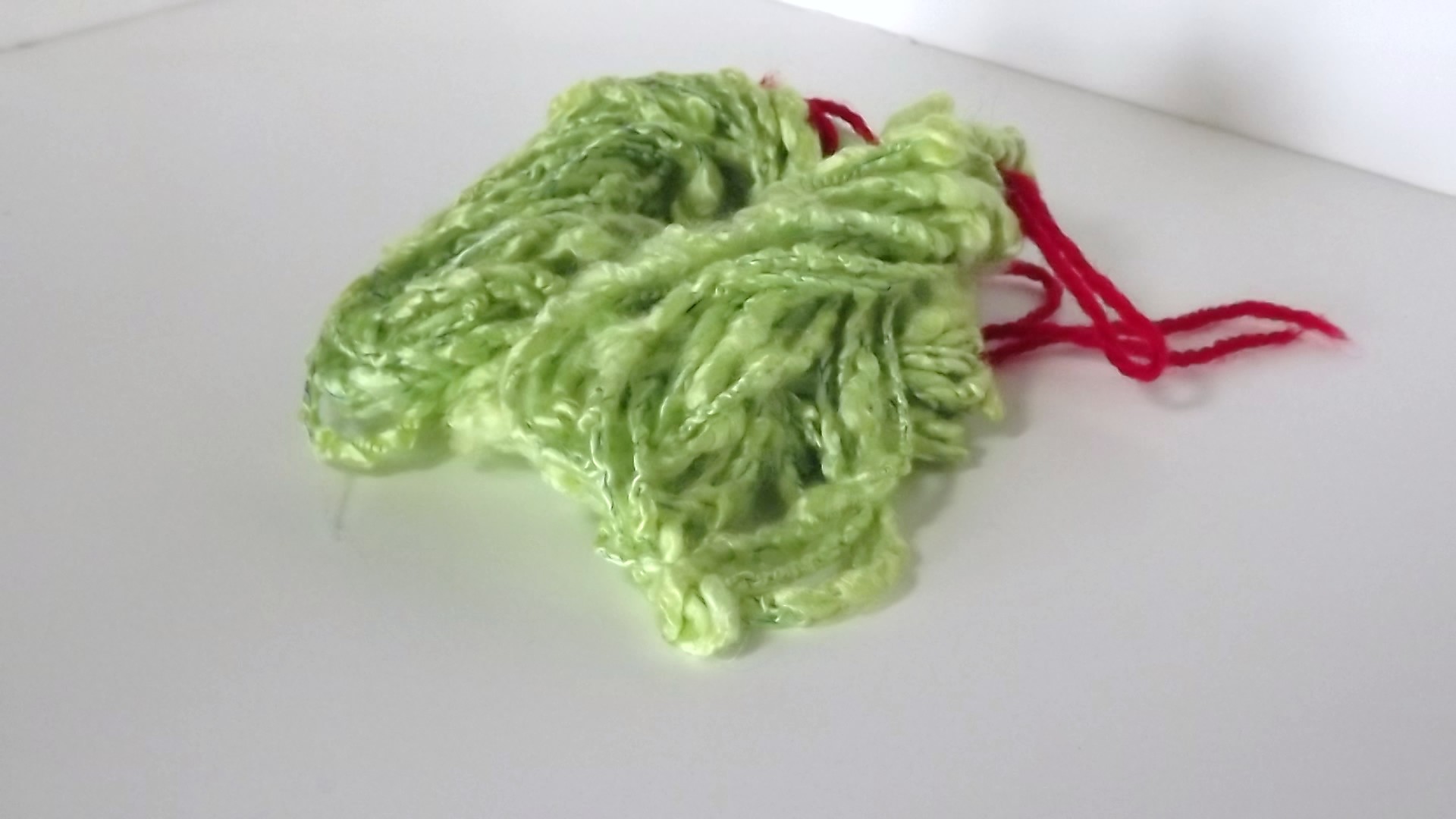
Slubby yarn plied with thread

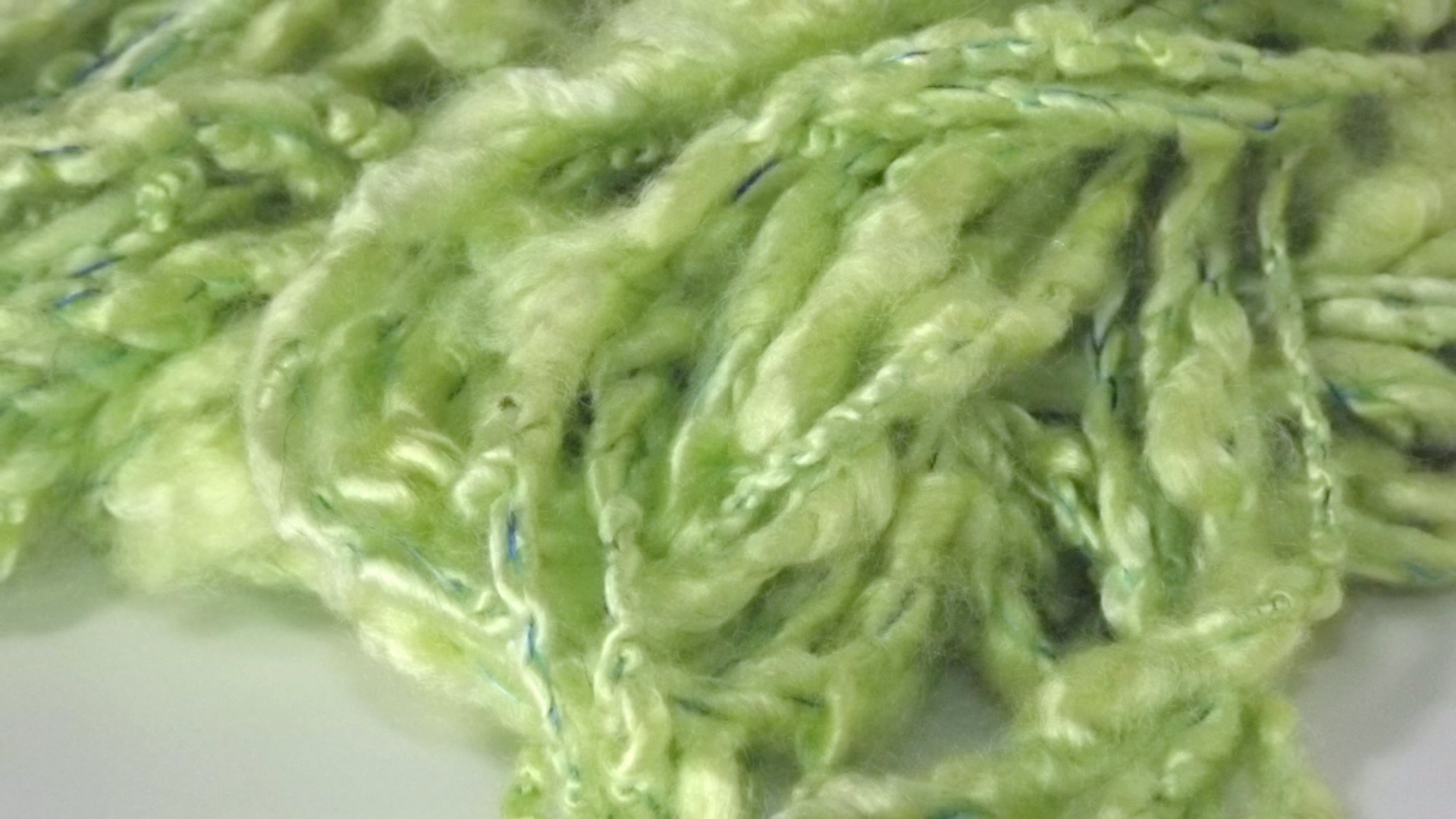
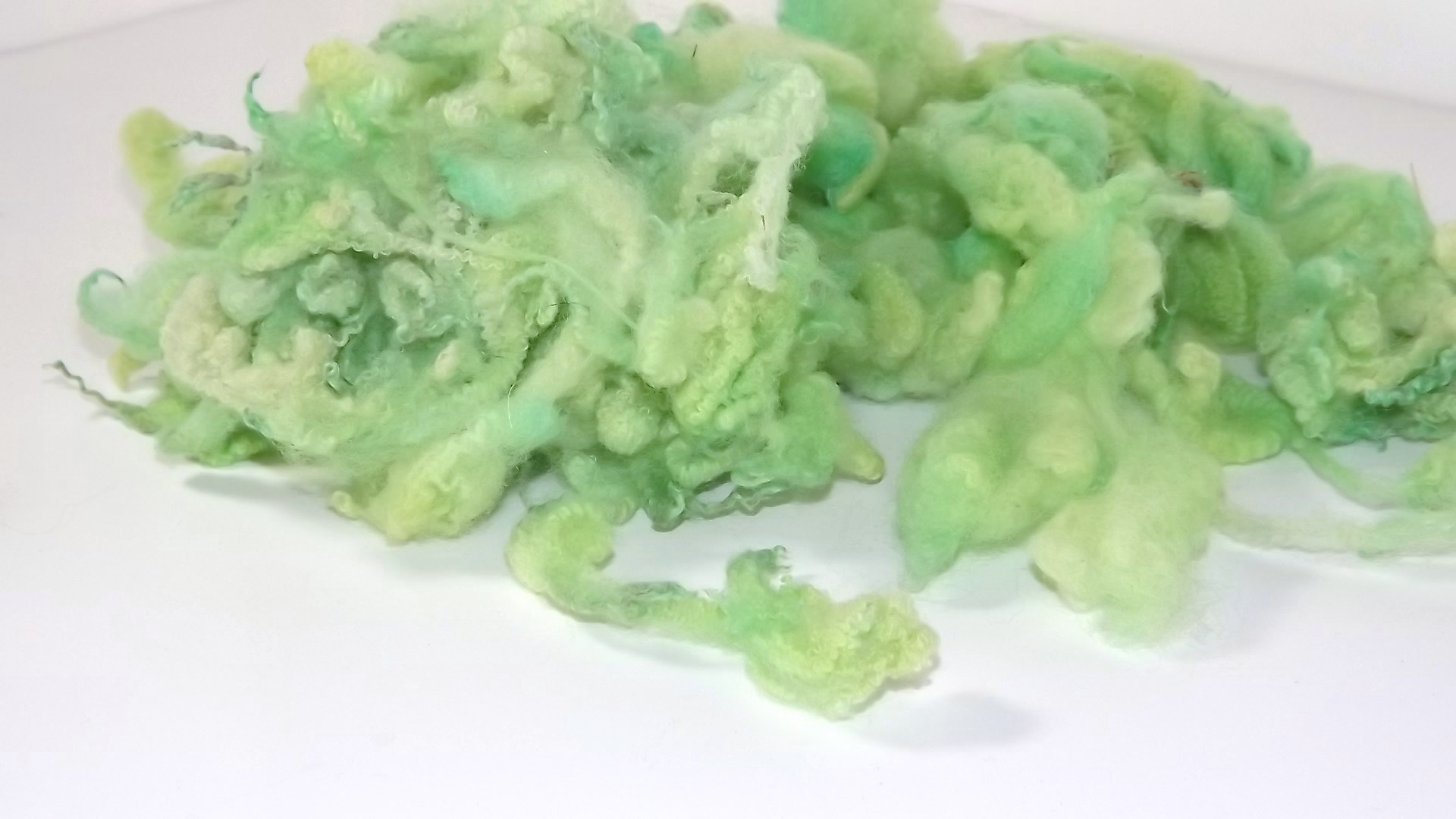
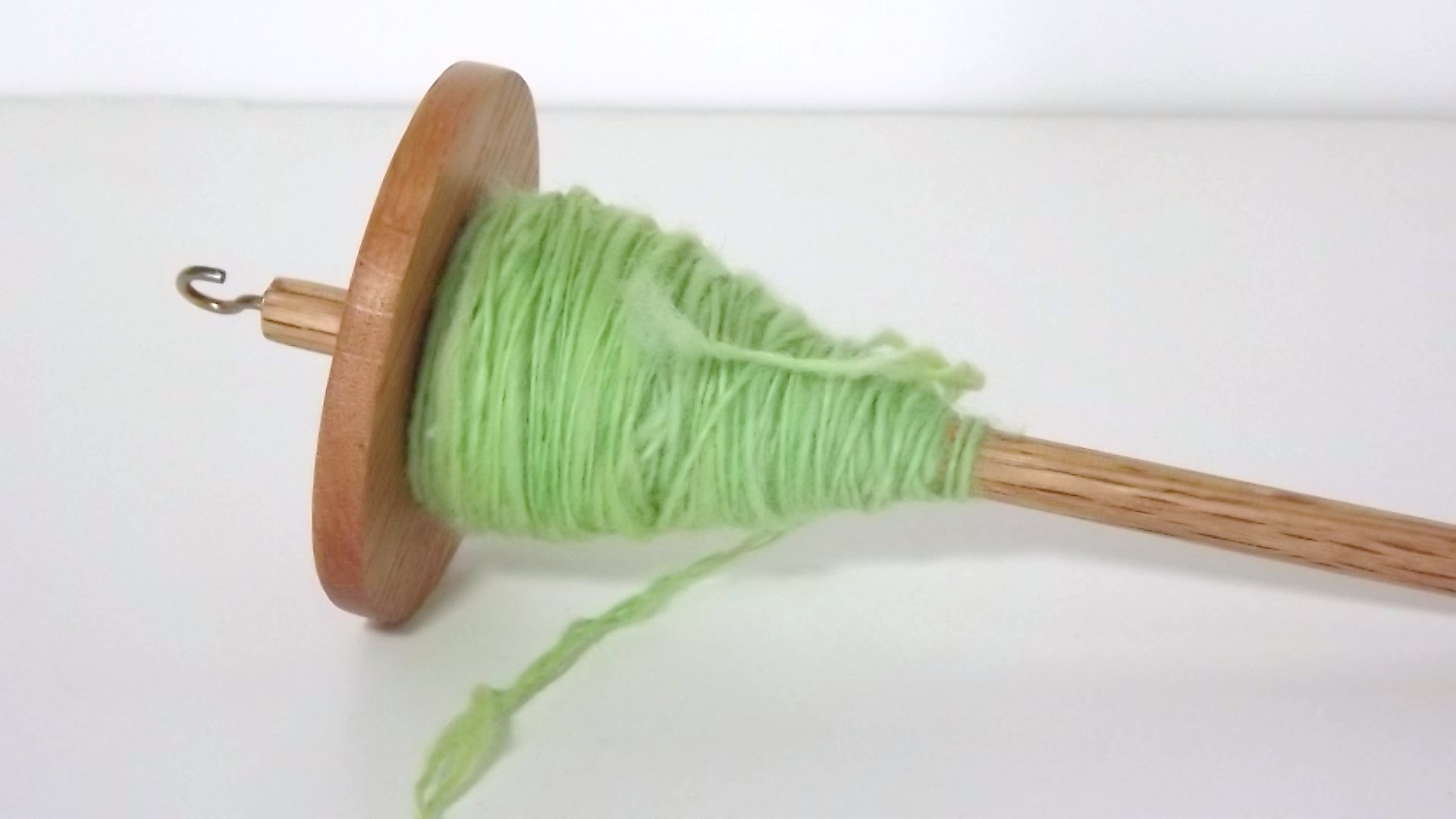
I promised myself I would learn how to spin artyarn this year so this is my second attempt.

Slubby green yarn close-up

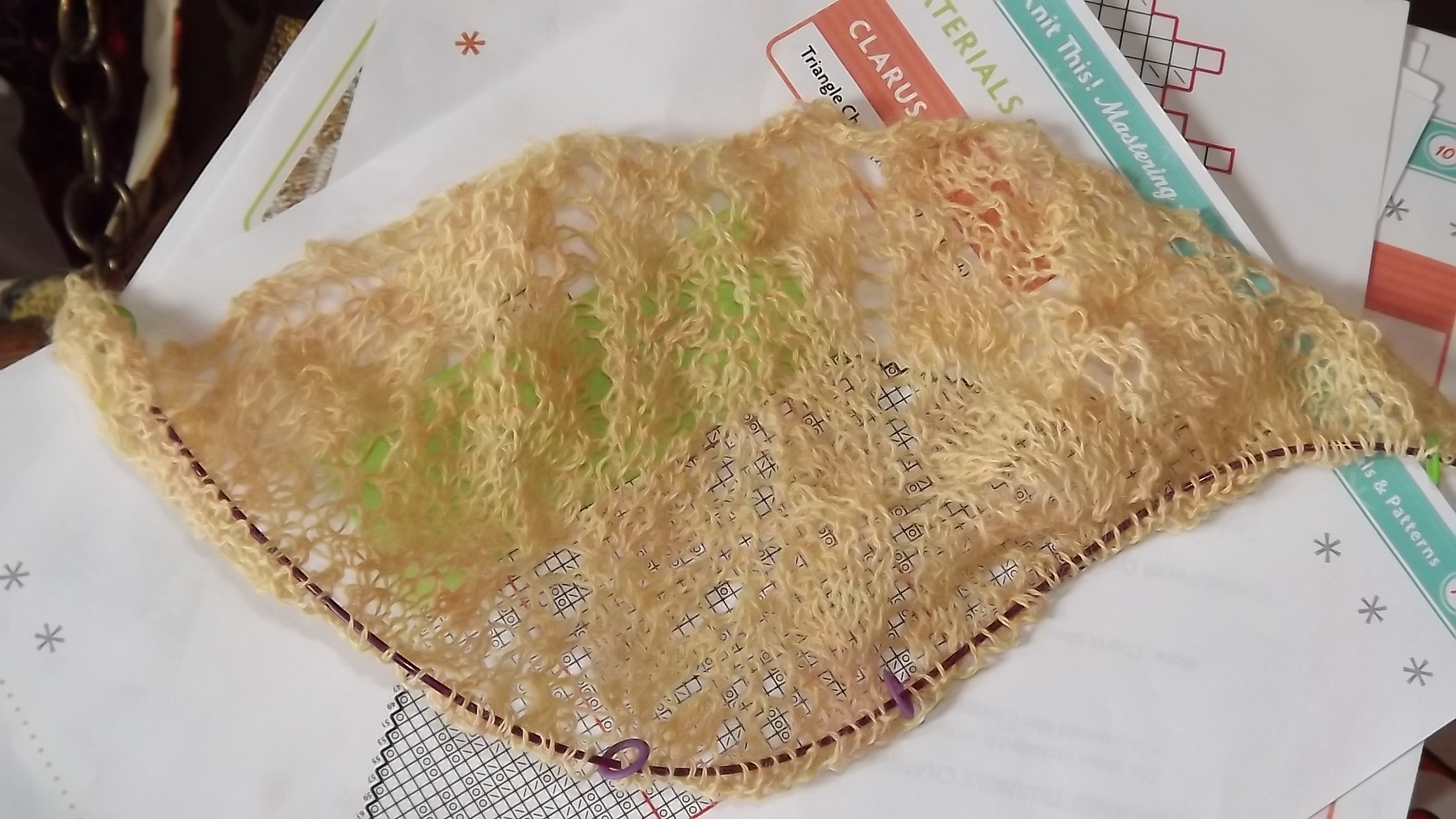
I’ve also started working on the second shawl in my lace class called Clarus.

Clarus

Here are a few of the items that went into the store this week.

moody colorway 3-ply yarn

Redwood colorway yarn


The new Brandi’s Basic Blend Batts are out.

Gaia

Moody

Peach Nebula

Sea Mist

Redwood

Sherbert

Morning Fog

Solar Flare

Whew! I guess I’ve been pretty darn busy lately. I actually didn’t realize until I started posting the pictures.
I’m working on putting together a cool backdrop  for the vlog. I had a great commenter….Thank You Joseph! Who came up with:

Freedom Friday Vlog
Fantastic Fiber Friday

I love the idea of Fantastic Fiber Friday. It is much better than Friday Fiber Frenzy which was the best I came up with.  I was thinking about a question and answer session on the vlog.  I would love to hear about some of the questions you may have about knitting, spinning or fiber arts in general. So post ’em down below.

Deyaneria on March 28th, 2012


These little ones are just too cute by Grandview Polypay on flickr

The fleece is dense, about 7-11 pds with a 3-5 inch staple. The color is yolk-white to cream white and the micron count is 22-29 microns. This breed has a super crimply structure to it’s fleece.

My polypay fiber


 Like I had mentioned when I heard the word polypay I though of polyester. I could have not been more wrong. I was able to get some washed fleece and what lovely stuff it is. The crimp is amazing. It is next to skin soft (I put some locks in my bra for a spell and had to remind myself that it was there). I wouldn’t call is crispy it’s just bouncy, a soft bouncy,buttery scrumptious ball.

A lock of polypay what a crimp!

I dyed some of my supply up and here is how it came out deliciously soft and colorful.


Polypay all dyed up


This is taking a very light hand carding so I’m using my cotton handcarders on this delicate fiber.


Carded polypay

Deyaneria on March 26th, 2012


Isn’t this just a lovely picture? by Grandview Polypay on flickr

When I first heard the term polypay sheep in an issue of spin-off. I thought polyester(like those scratchy itchy pants from the 70’s). Ummm,  no thanks. As I kept hearing more and more praise for this fleece I knew I had to check it out.

Polypay sheep were created by two brothers Reed and Clarence Hulet. Their aim was to create a new breed of sheep that would be a pay-off for the farmer regardless if it was pasture or grain raised. They also wanted a sheep that could produce two lamb crops and one fleece crop per year.

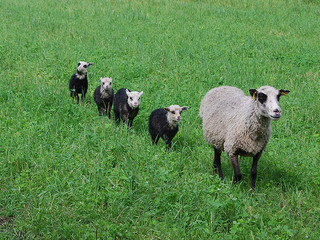
Finsheep courtesy of feltfinland of flickr


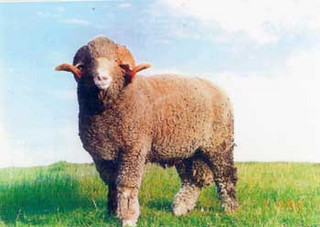
Rambouillet Sheep courtesty of Nyr100

They took Finnsheep because they were highly prolific, and for their early puberty and short gestation and bred to Rambouillet with their adaptability, hardiness, productivity and quality fleeces. Then bred Targhee for their large body size, long breeding season and quality fleeces to the Dorset with their superior mothering ability, carcass quality, early puberty and long breeding season. They then took these crosses and bred them together to create a 4-way cross (info from wikipedia).

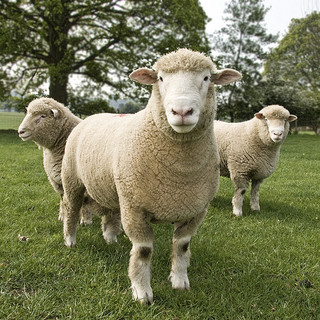
Dorset sheep by Julie.Nichol on flickr


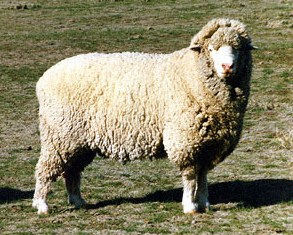
Targhee sheep courtesy of dlotter on flickr

Polypay ewe weigh in at about 150-200 pds. The rams are larger at 240-300 pds. Both are polled.

Polypay sheep courtesy of Grandview polypay on flickr