Deyaneria on May 9th, 2012

The Musk Ox Farm

 As I was looking for information on Musk Ox, I found a very interesting program. Some wonderful people are domesticating a small portion of these awesome animals. The Musk Ox Farm in Palmer Alaska is wonderful 1930’s farm where they raise, socialize, and breed these beautiful animals. There mission states that “The Musk Ox Development Corporation, a non-profit organization, is dedicated to the domestication of the musk ox and to the promotion of qiviut production as a gentle and sustainable agricultural practice in the far north.” I think it’s a beautiful idea.


Cow and Calf at The Musk Ox Farm

I had the opportunity to speak with Mark Austin who is the Executive Director of the the Musk Ox Development Corporation. He explained to me that they are basically a breeding toward more domesticated animals and socialization is a huge part of this domestication. The people at The Musk Ox Farm are very hands on and and it seemed almost like they were imprinting with the animals to a point. Mark was telling me about a PR Cow that brings her babies right up to fences to show them off.  I asked about husbandry and how old musk ox cows should be and found out it’s acutally a few years (3-4). This is not a fast growing animal. There is also a certain weight that cows need to attain before breeding.  I asked what they did with the more “wild” animals. They allow these “rangier” (as Mark put it) animals to live out their lives on the farm. I’m so glad they weren’t culling or tossing out those with unwanted traits. 

Kissing a Bull (courtesy of Musk Ox Farm)


The Musk Ox Farm has a program. I would love to share with you!

Spring Membership Drive & Great qiviut Give-Away

 For the first time ever the Musk Ox Farm in Palmer, Alaska has a limited amount of the world’s finest gently combed raw qiviut available exclusively for our members. 


Mommas and babies how cute!!! thanks to The Musk Ox Farm


Here’s how it works: 


While supplies, last every new “Friends of the Musk Ox” member that signs up at the adoption level ($100), or above, will receive one free ounce of luxurious qiviut.  


We want you to be able to finish your project, so if you wish, you may purchase up to an additional two ounces for $75/ounce.


 To become a new member and receive your qiviut “thank you” print this flyer off and send it with your name, address, phone number, email address and check to the Musk Ox Farm at:


Musk Ox Farm

P.O. Box 587


Palmer, AK 99645


For more information call (907)745-4151 or email: info@muskoxfarm.org


How cute is this little one? (courtesy of The Musk Ox Farm)


 Now that I’ve brought of Quiviut. I have to ramble on about how soft it is:) The musk ox coat is a mix of black Grey and brown with long guard hairs. Occasionally white muskoxen have been found.

There is also a great variety within the actual coat of the musk ox. According to The Fleece and Fiber Sourcebook by Deborah Robinson and Carol Ekarius there are  4 types of “hair” in Musk Oxen coats.
 

Musk ox fiber before dehairing by Dreams in Fiber on Flickr


The skirt hairs which are up to 24 inches long. The guard hairs which are 3/4 -6 inches long. Intermediate striaght hairs length not determined similar to down.

And then of course (drumroll please)  the down, the quiviut, creme de la creme. The down is usually in the range of 10-20 microns placing it right up there with cashmere. There are no locks really to speak of it comes off the the animal in a cloud mass all at one time.

I was able to get my hands on some of this amazing stuff. I do think there are some straight hairs in mine. It is a crazy soft, buttery, chocolate cloud of fluff.
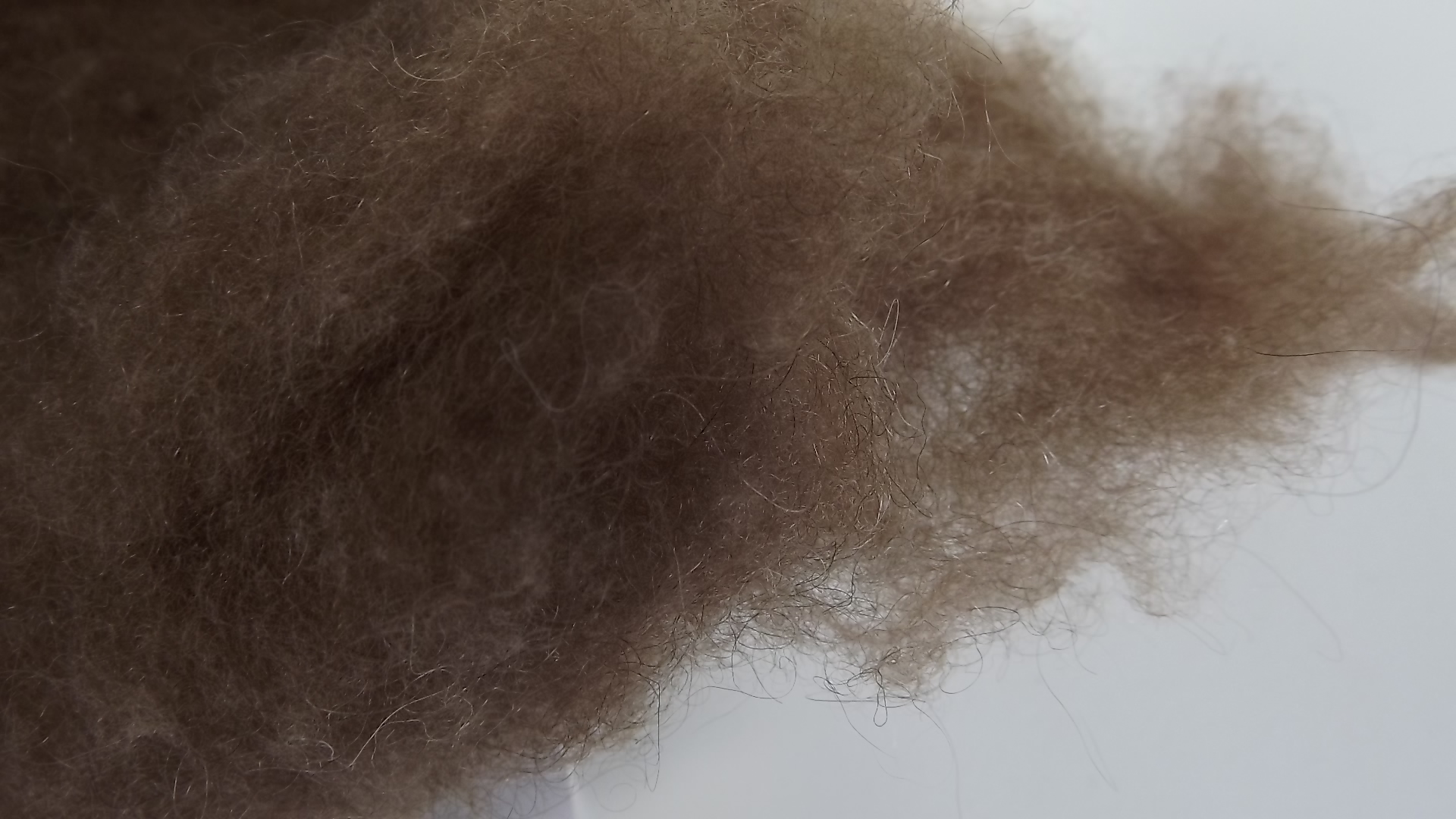
 

My quiviut


P.S. If you would like to be notified whenever there is awesomely fibery update here click the RSS feed!

P.P.S. If you would like to know more about what’s going on around the farm and store upcoming specials sign up for our weekly newsletter!
Deyaneria on May 7th, 2012

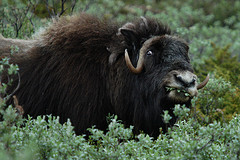
Musk ox shared by KvikneFoto on flickr


The musk ox is prehistoric mammal one of the few that survived the last ice age. They moved across North America as far as Greenland.  Looks can be deceiving although they look similar to a ox, Musk Ox are actually much closer related to goats and sheep. They were given the genus name  Ovibos which means sheep-ox.

Musk Oxen are horned, stand about 4ft at the shoulder with males haveing a longer length than females. They weigh in between 400-600 pds and live for between 12-20 years.


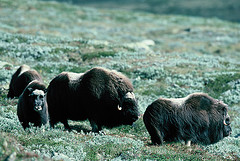
Musk Oxen in Norway courtesy of kenjclarke on flickr


Both sexes are horned. Muskoxen stand about 4 ft at the shoulder with females being between 4-6 ft long and males being 6-8 ft long. They weigh in at about 400-600 pds. Muskoxen live about 12-20 yrs. During rutting season the bulls use those impressive horns to show their dominance. There is a definite pecking order with these animals based on sex and age. Older and more dominate animals will get the prime grazing areas. A subordinate bull can change his status by charging the dominate bull.


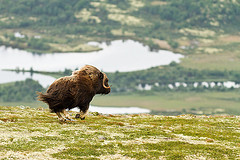
Running musk ox by Peter Krejzl on flickr


In an interesting twist the bulls of a herd are in charge during mating season but during gestation the cows are in charge and decide how far to travel and when to stop. When calving the cows stay within the group for protection. Calves are quickly able to keep up with the herd. If winters are severe cow’s may not even go into estrus. I think this is an interesting survival technique.


Goliath at Musk Ox Farm


When the herd is threatened bulls and cows will form a circle around the calves in a defensive posture. The bulls usually provide the first line of defense. However, in another interesting twist it seems the bulls decide what defensive measures to take during rutting season and the cows decide the rest of the time.


Storm from The Musk Ox Farm


Muskoxen are natives to arctic areas. in the late 19 , early 20th century they were wiped out in Alaska by climate changes and/or over hunting. These amazing survivors have been introduced back into the ecosystem in Alaska. Information found on wikipedia.

P.S. If you would like to be notified whenever there is awesomely fibery update here click the RSS feed!

P.P.S. If you would like to know more about what’s going on around the farm and store upcoming specials sign up for our weekly newsletter!


Deyaneria on May 4th, 2012
YouTube Preview Image


In today’s video along with the regular fun stuff, I address an issue that makes me a bit uncomfortable talking about. On a good note I have found a solution.

Spinning lesson Link http://www.thefiberofmybeing.net/?page_id=3225 or you can click at the top of the page toward the middle where it says Fiber Lessons.

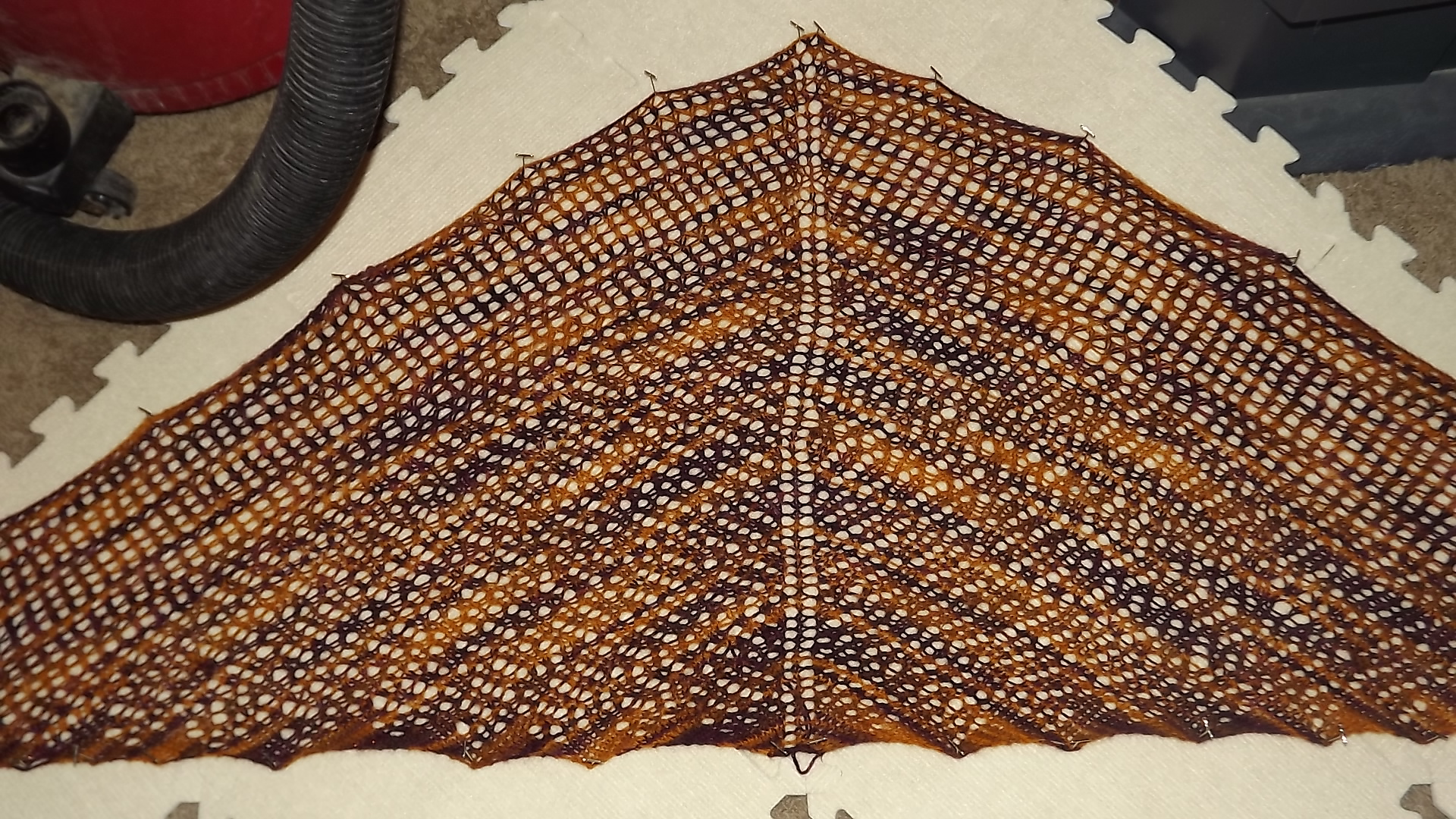
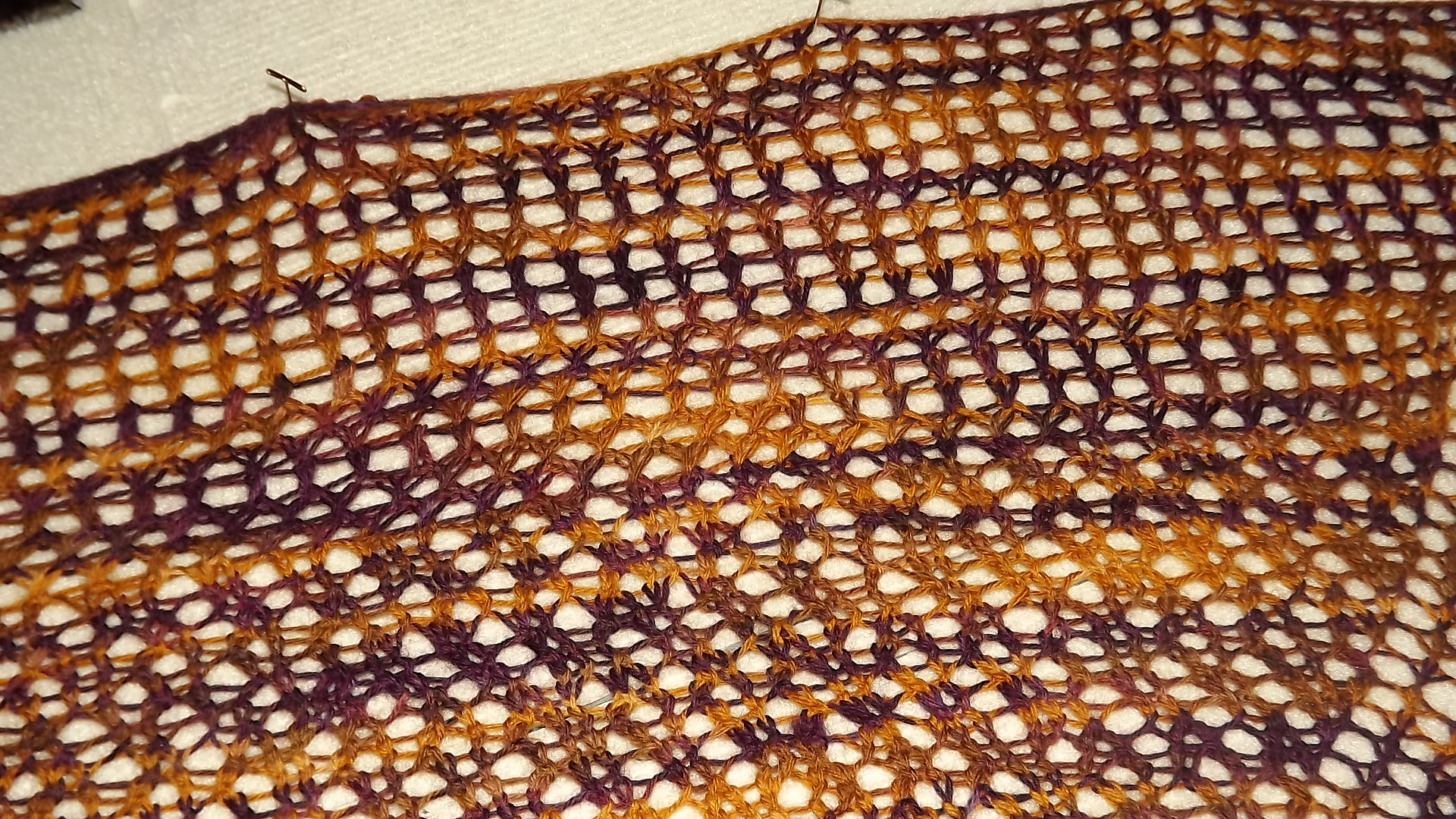
More pics of the Romulan Cloak One Skein Shawl all finished.

If your interested in more designs from the Fickleknitter you can check out her website here.


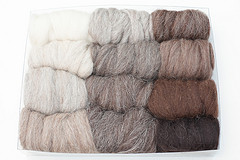
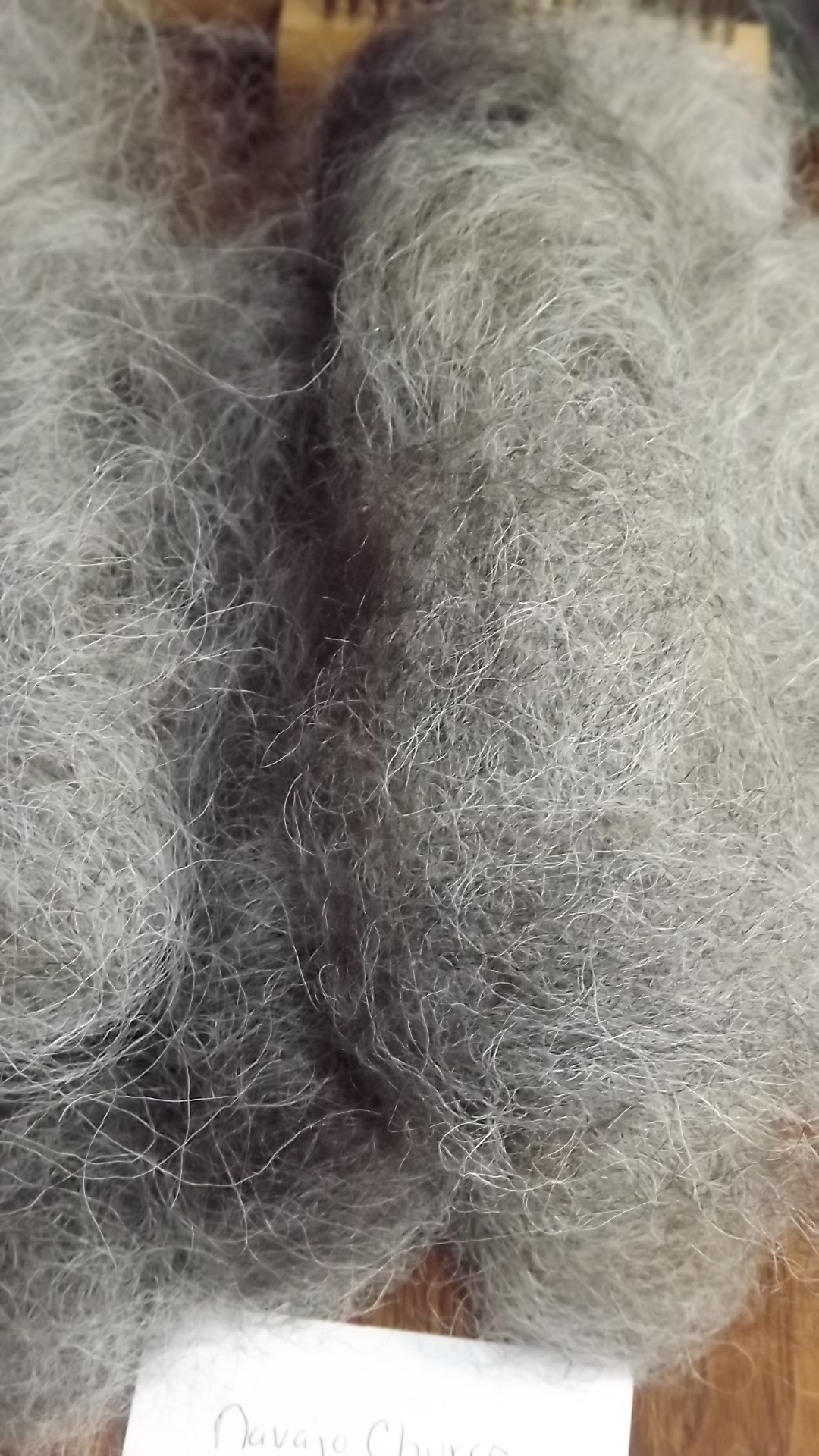
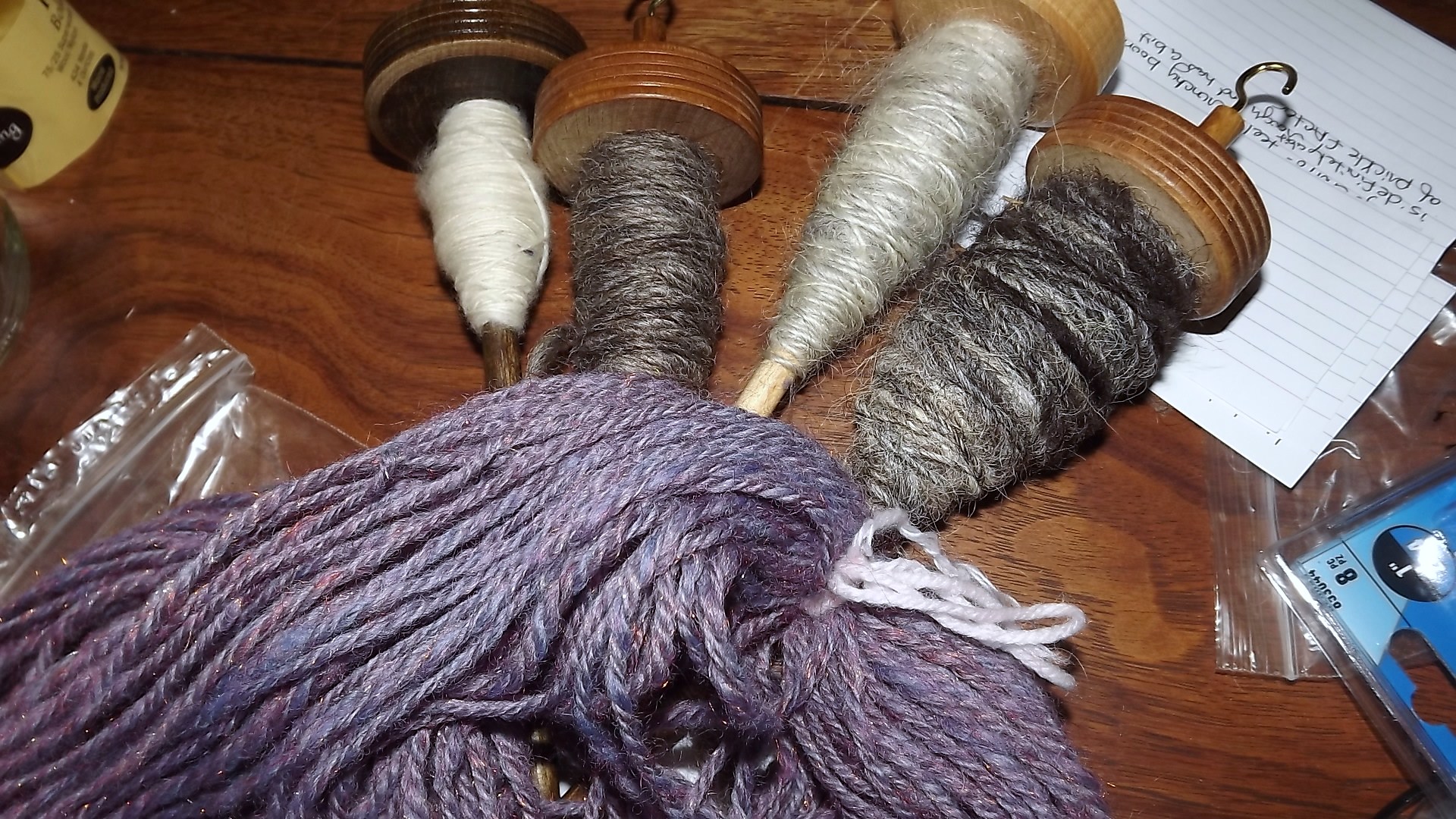
Fibers are as follows from left to right Cormo ,romney ,Lincoln ,and navaho churro. Below is the peach nebula colorway spun up 🙂

Deyaneria on May 2nd, 2012

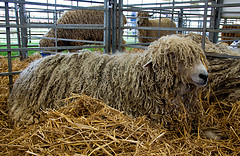
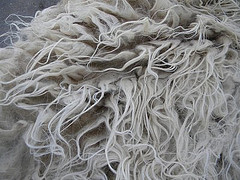
Look at the fleece! shared by Rob Wilsdon on flickr

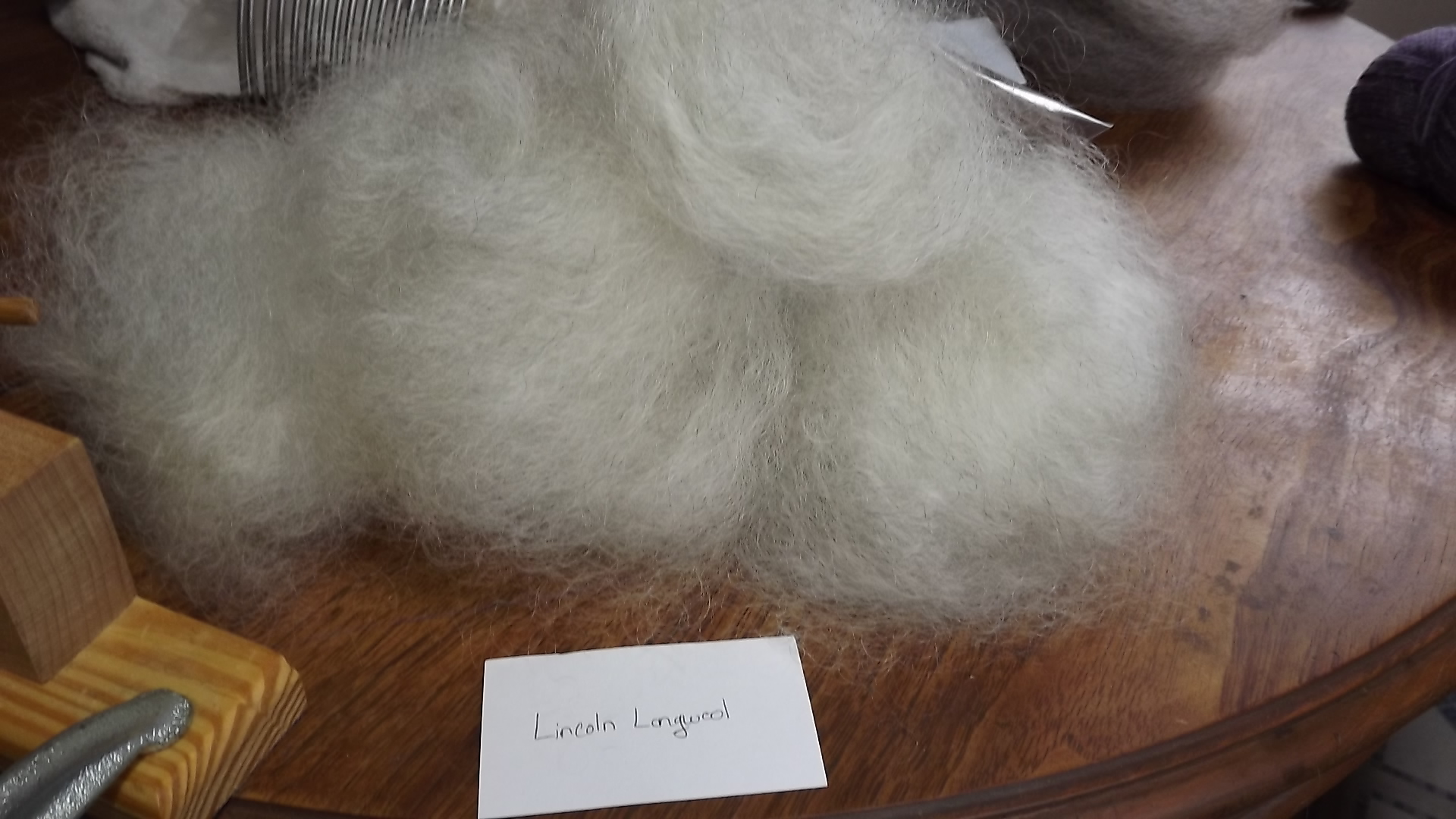
Lincoln fleece is in heavy,twisted locks that spiral toward the end.  These large sheep produce fleeces weight in in at 12 -20 pounds.

They do produce a more hair-like fleece with a lot of luster. The staple length is usually between 8-15 inches and the micron count is from 33-42 microns.

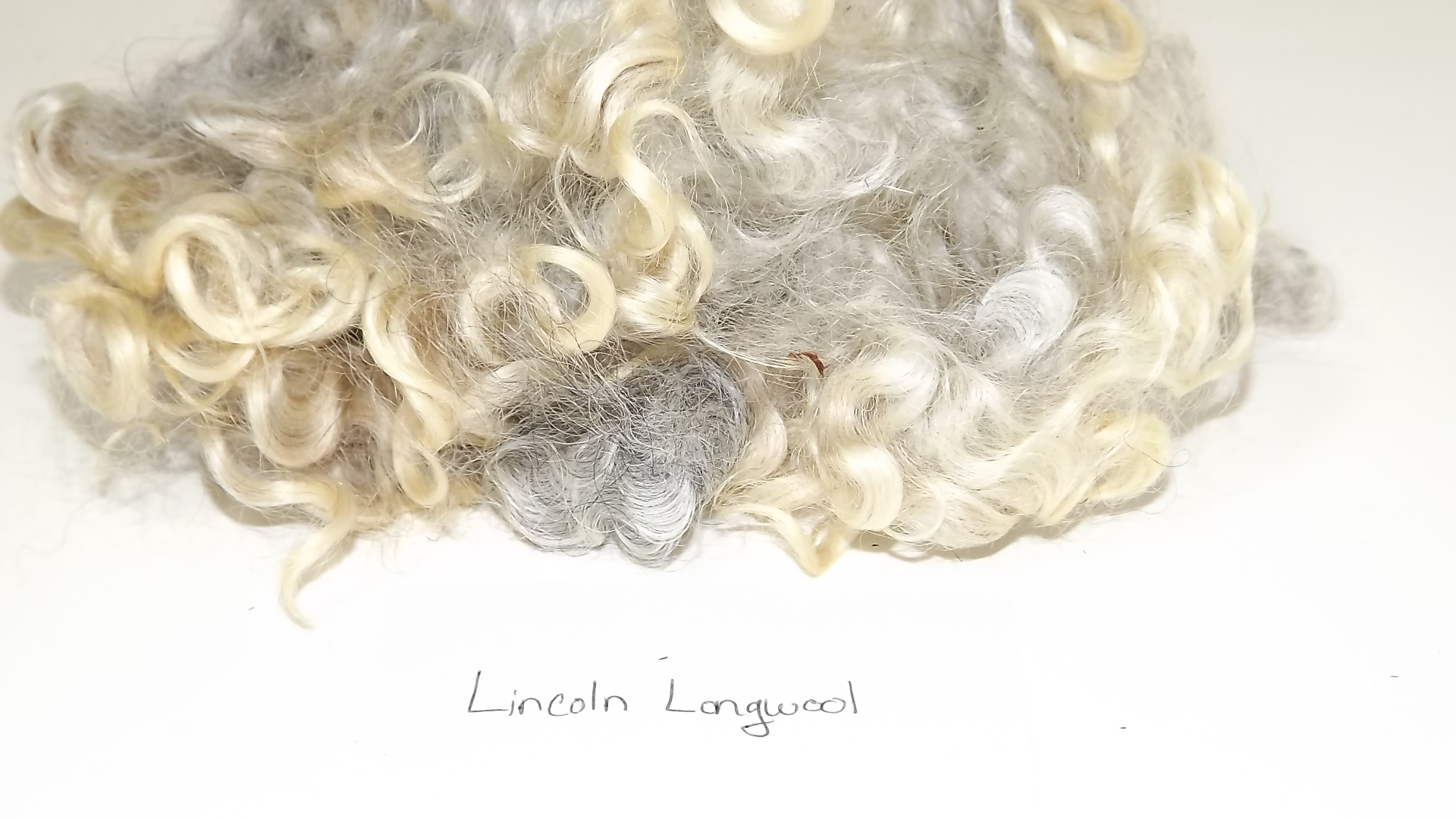
My raw lincoln fleece

I would have more fleece to show you in a gorgeous grey but as a newbie starting to process fleeces I ruined it. I washed it, dried it, picked and promptly put in a plastic bag for storage where 6 months later it was felted. I learned to only store wool in plastic for a short period and never to pick it before stor.ing it as it can become compacted from all the other fleeces in the closet. That said here is my new lincoln fleece.


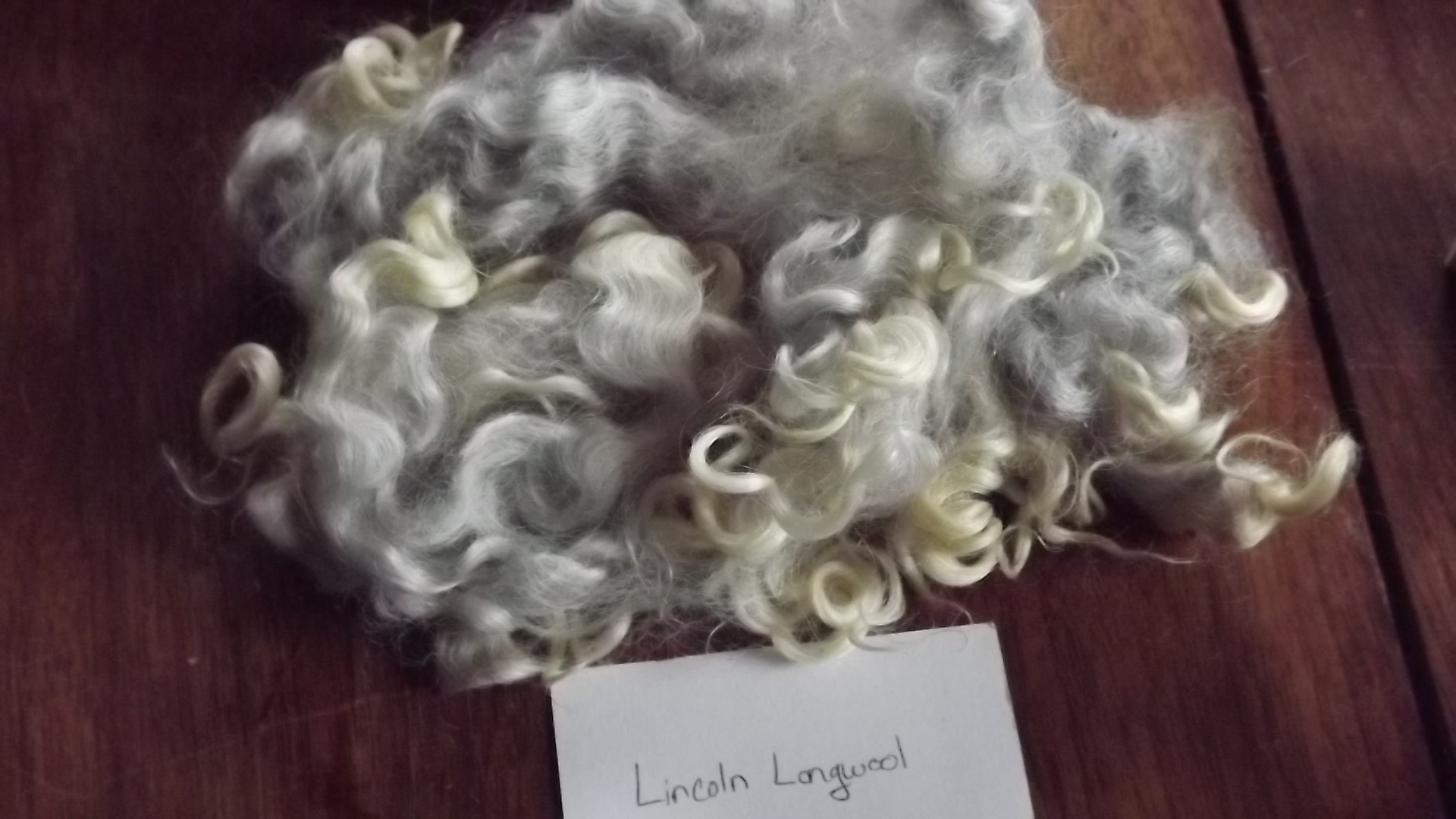
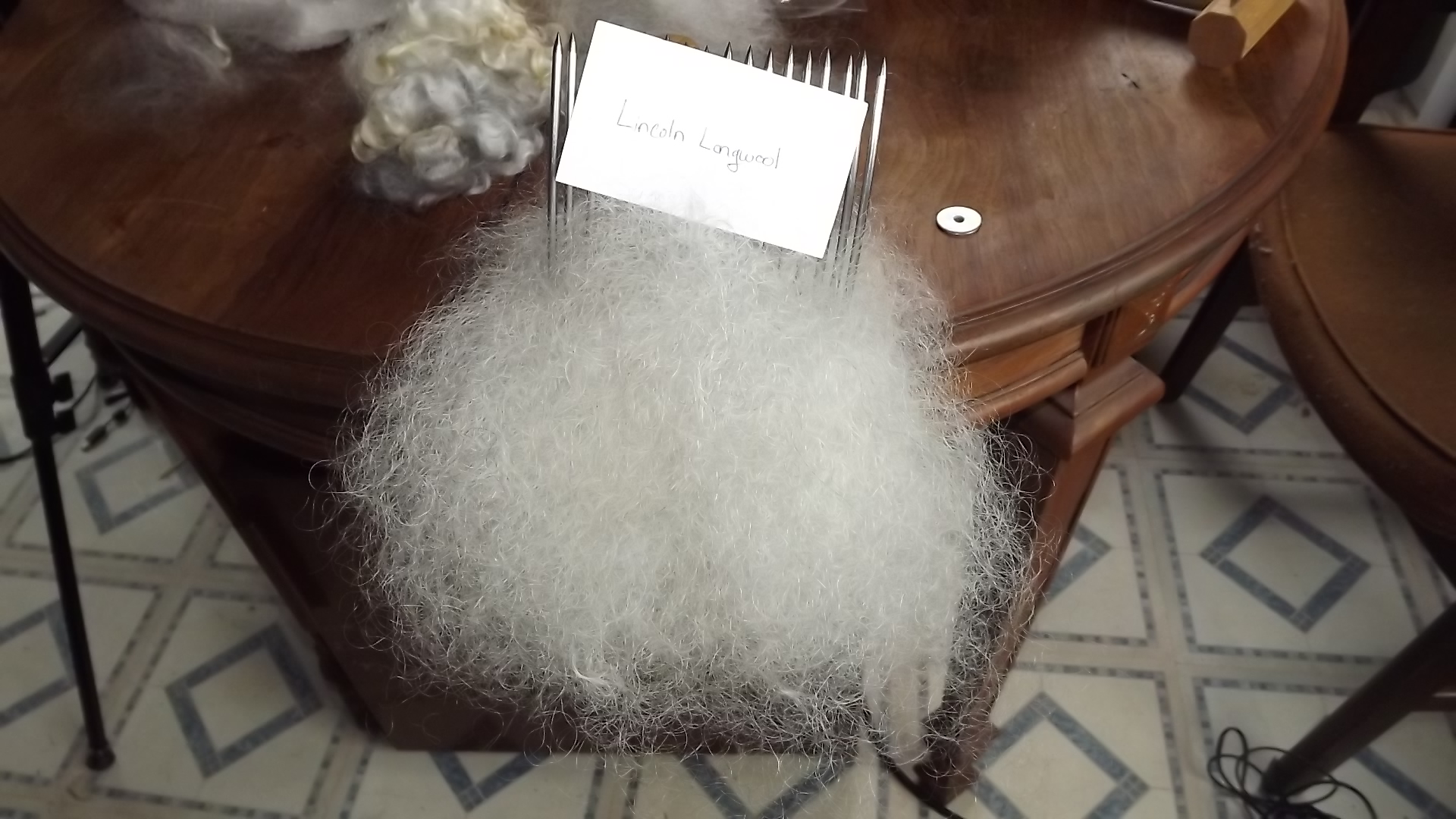
Washed Lincoln fleece...I love these curls! I decided to comb this fleece as it was so long and lustrous. combing lincoln fleece

 This fiber is silky and smooth with a bit of a prickle and some crunch it can feel like hair smooth until crumpled in the hand then you get the crunchy feel.

almost done combing

 
finished combed nests

It turned out so yummy, I wanted more than an ounce so I could roll in it.

P.S. If you would like to be notified whenever there is awesomely fibery update here click the RSS feed!

 P.P.S. If you would like to know more about what’s going on around the farm and store upcoming specials sign up for our weekly newsletter!



Deyaneria on April 30th, 2012

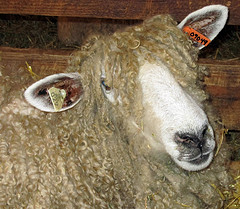
Look at those locks! shared by Baalands on flickr

Lincoln sheep are a breed from England , they are also called Lincoln Longwool sheep. These sheep are really large.They were bred to produce really long, heavy fleeces. The idea was to have them produce more wool than any other sheep.

The old Lincoln sheep that were first identified and in the 1700’s caught the attention of Robert Bakewell a famous livestock breeder. Bakewell bred these old lincoln sheep with the native sheep of the area creating the “new” leicester. Later Lincolnshire sheepmen used the new liecester breed to improve the coarsenss of the lincoln  fleece. Lincoln’s have been sent around the world where they were bred with the native sheep to “improve” them.

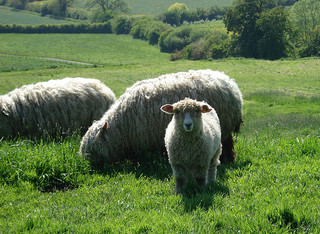
Aren't they a beautiful sight ? picture courtesy of salty-catpig on flickr

Lincoln rams weigh in at about 250-350 pds. Ewes weight about 200-250 pds. They are polled and tend to have a gentle disposition. They come many natural colors and colors other than white are not looked down upon.

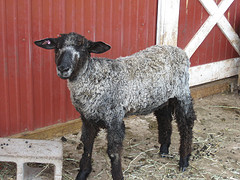
How cute is this little one? Thanks to Kellywright on flickr

“It is now one of Britain’s rarer breeds, categorized as “at risk” by the Rare Breeds Survival Trust since there are fewer than 1500 registered breeding females in the United Kingdom.(wikipedia)”

These quad lambs(the 4th was cut out of pic) are laying in the pen next to their proud papa. Pic courtesy of Baalands on flickr

My wonderful info comes Wikipedia and the National Lincoln Sheep Breeders Association.

 The Fiber Lessons are up!!!! Look at the top of the page tabs and check them out!!!

P.S. If you would like to be notified whenever there is awesomely fibery update here click the RSS feed!

 P.P.S. If you would like to know more about what’s going on around the farm and store upcoming specials sign up for our weekly newsletter!
Deyaneria on April 27th, 2012
YouTube Preview Image

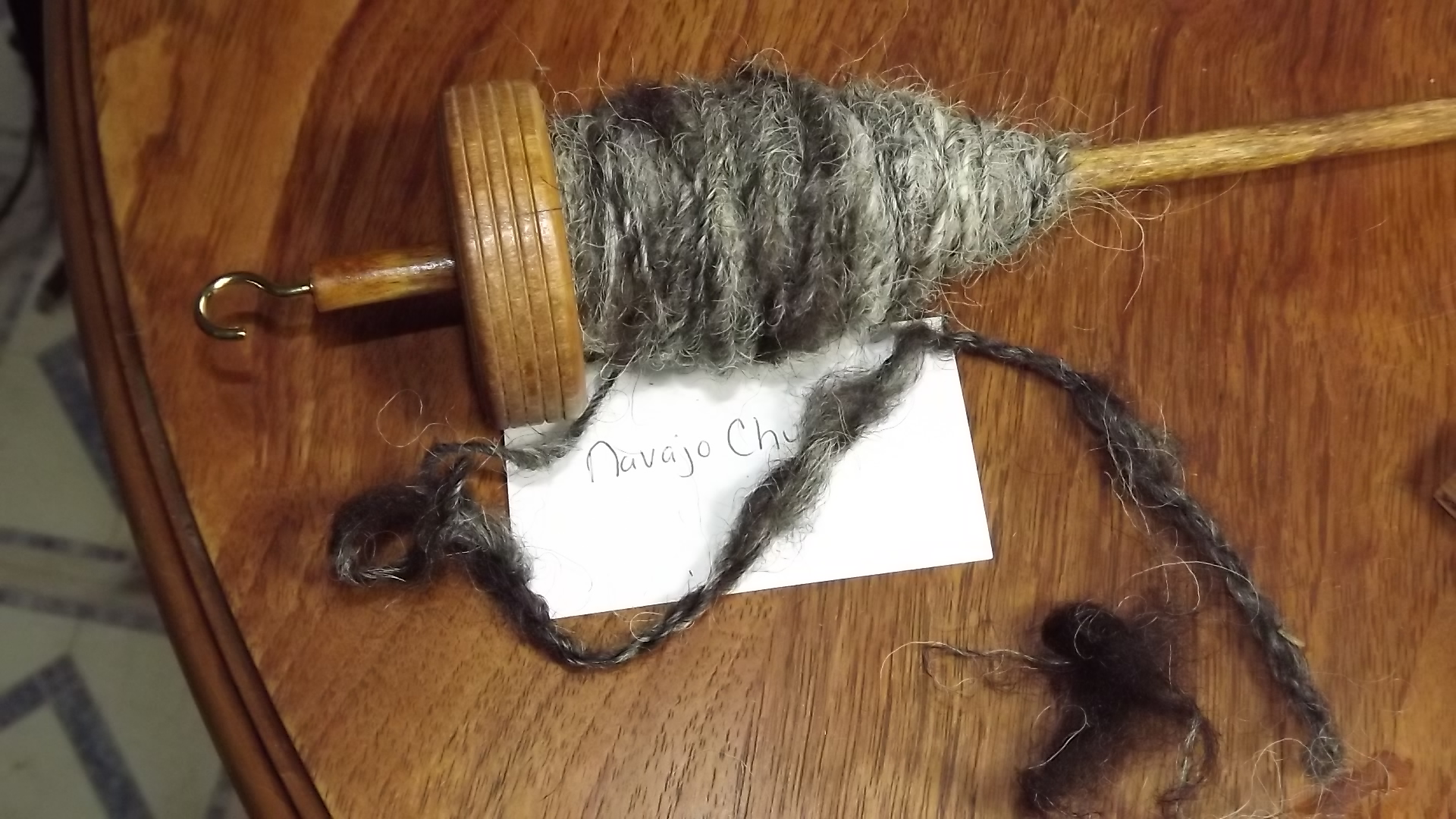
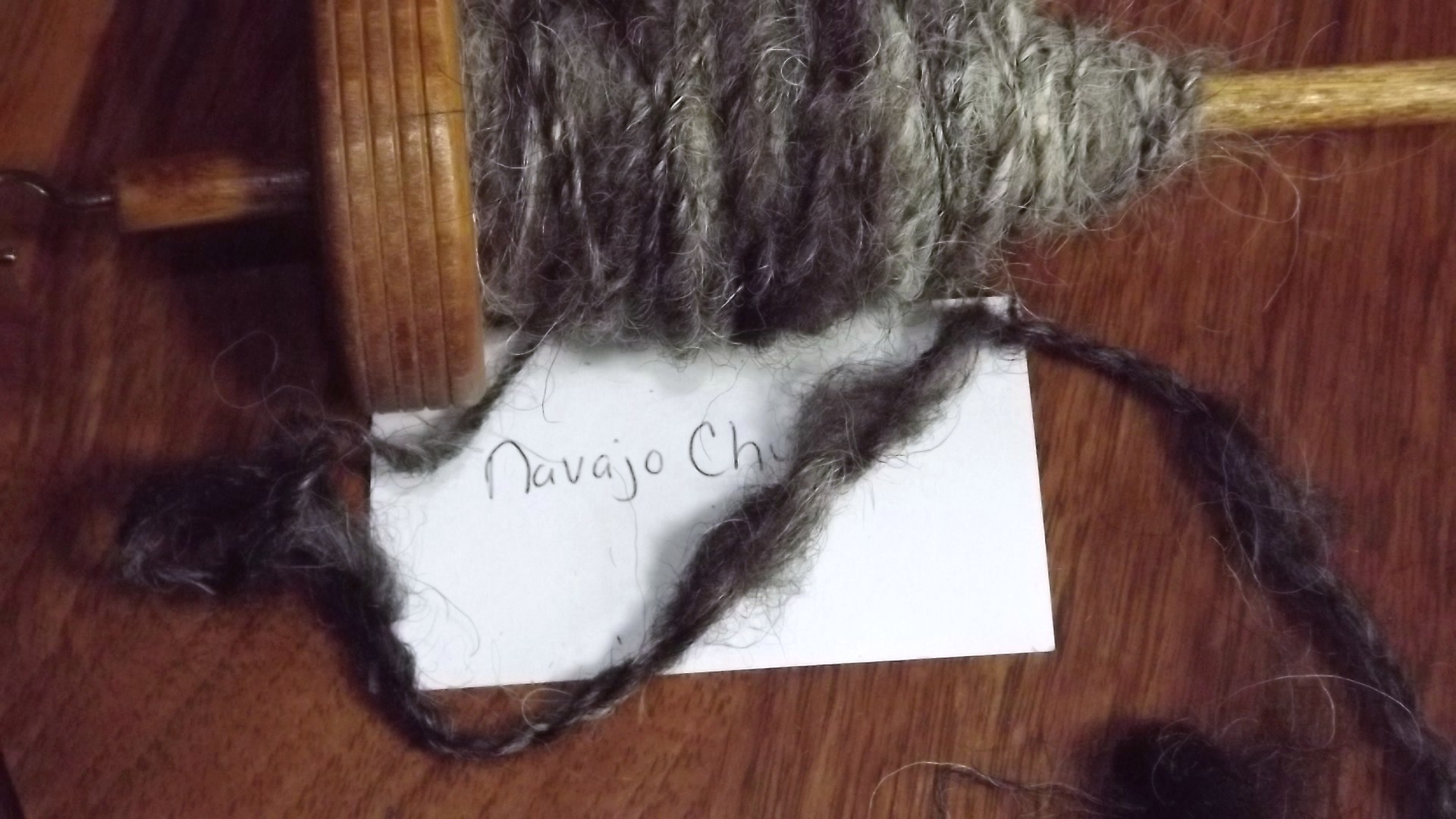
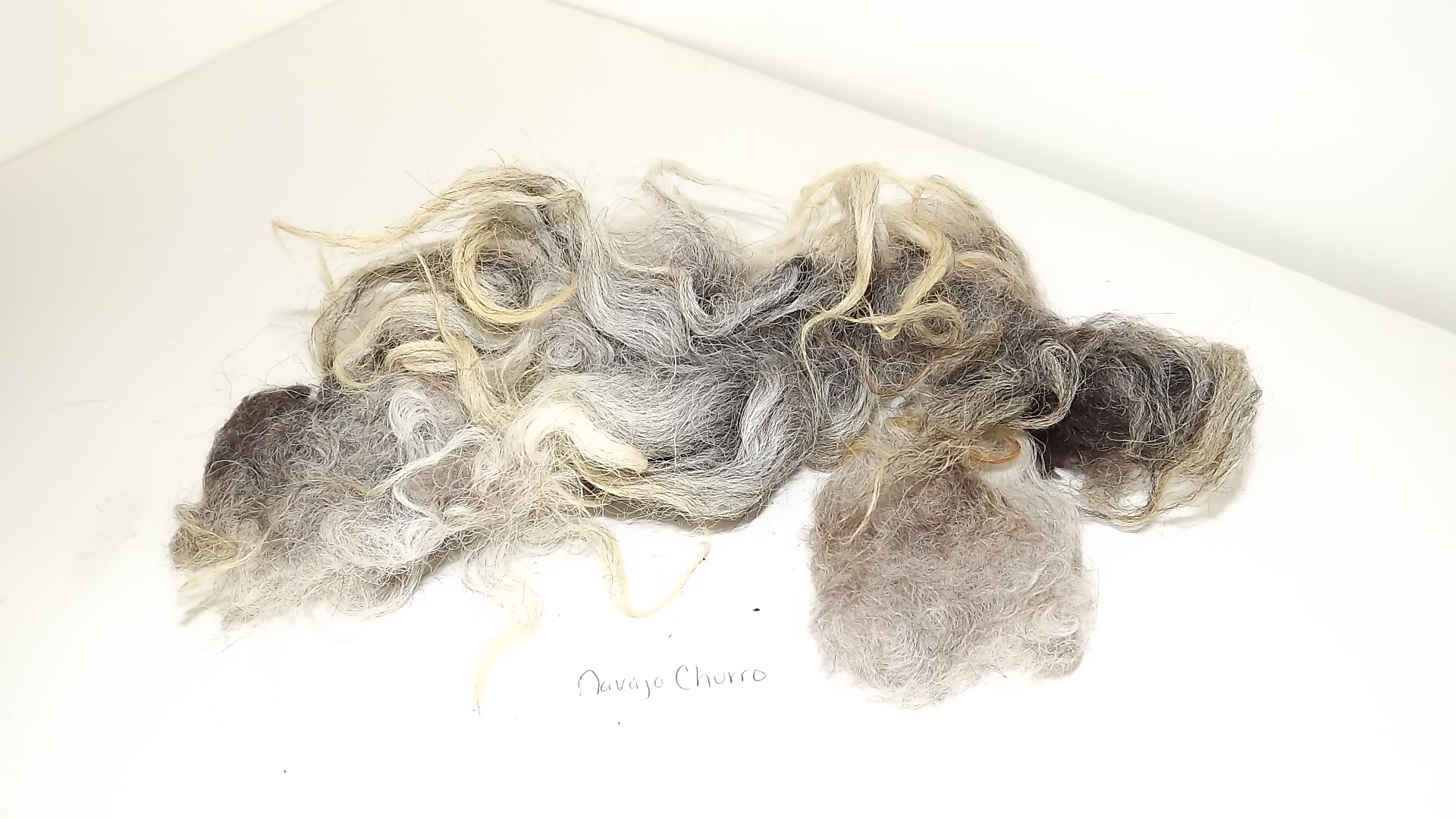
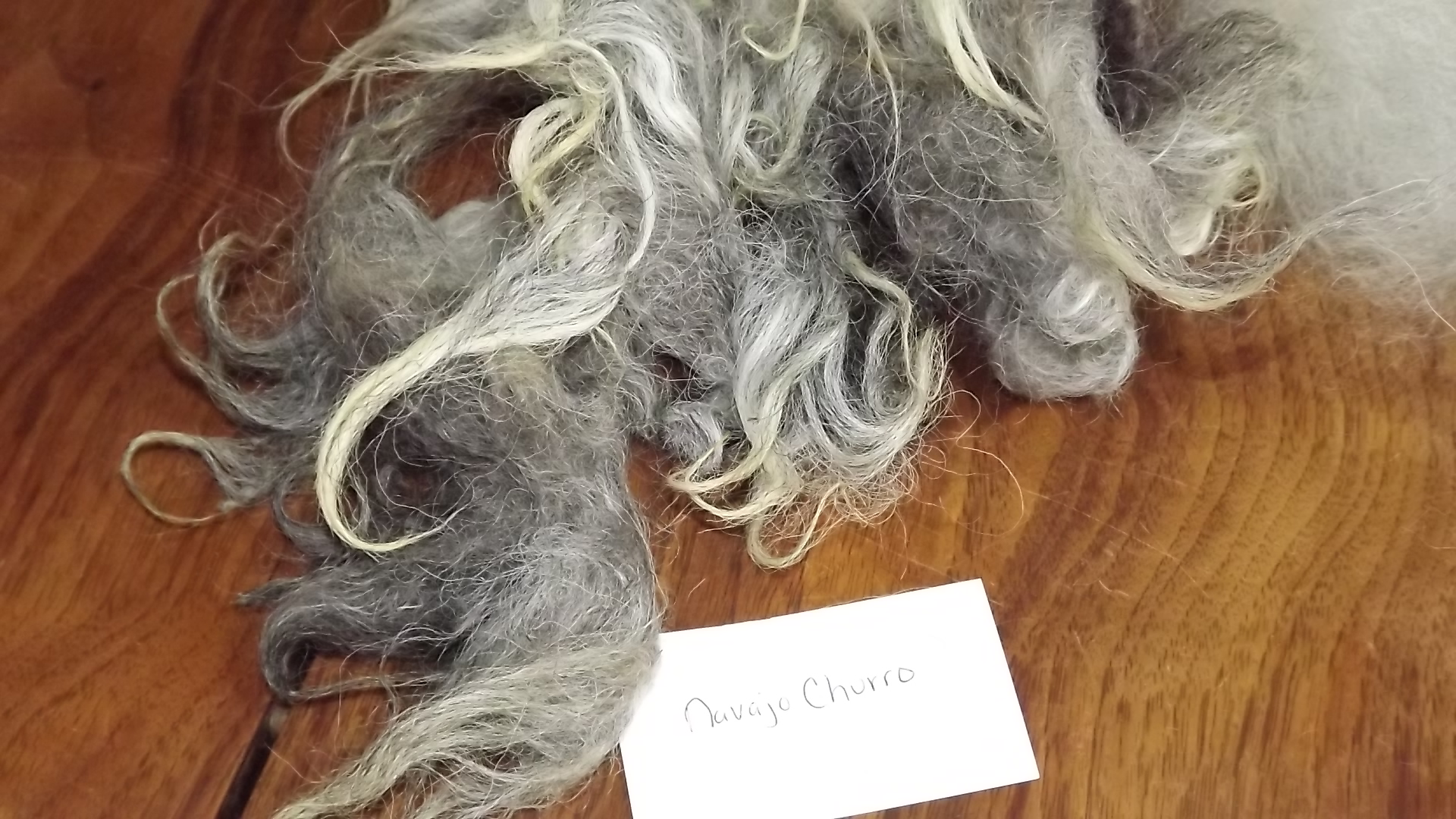
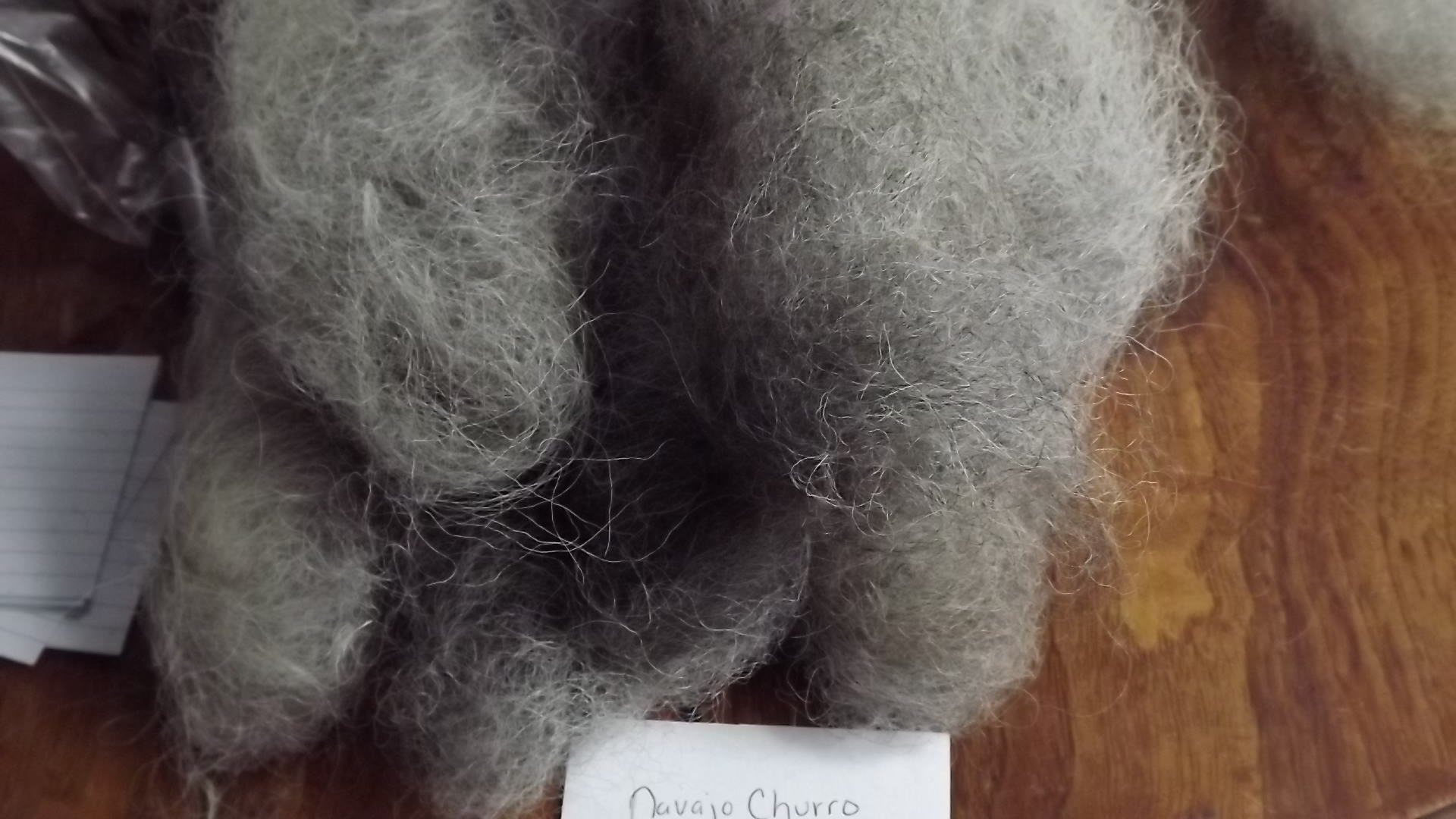
Here are a couple extra pics of the navaho churro.

Aren't the colors great?


close-up

 email : brandischoch@thefiberofmybeing.net


Deyaneria on April 25th, 2012

White Navajo churro fleece by craigeann on flickr

The fiber of the Navajo churro is classified as coarse and has 3 distinct types of fiber. There is kemp, an outer coat, and an inner coat.

The many colors of Navajo Churro Sheep by lemudillo on flickr


The outer coat has a staple of 6-12 inches and has a micron count of 35+. The kemp is short (an inch or shorter) and is 65+ microns.  Finally,the inner coat measures about 3-4 inches and the micron count is 10-15 microns.

My unwashed navajo churro

The fleeces range from 4-8 pds in weight. This fleece has no visible crimp pattern but that said you can see the pattern on separate pieces. I’m not even sure how it stays together as it is very open.


All washed up!

 I found this fiber to be quite crunchy like horse mane or tail hair with a slight softening underneath. Definitely not for next to skin wear. I would love to mix the yarns in with some older llama I am hoping to weave into a rug. The colors are truly amazing. My undercoat was really short so I decided use my wool cards to mix it up.


My rolags


close-up of rolags


P.S. If you would like to be notified whenever there is awesomely fibery update here click the RSS feed!


P.P.S. If you would like to know more about what’s going on around the farm and store upcoming specials sign up for our weekly newsletter!
Deyaneria on April 23rd, 2012


navajo churro ram courtesy of liongate on flickr


Navajo Churro sheep are primitive old breed of sheep that are descendents of the Churra sheep from Iberia. The name churro came from the butchering of the name by american frontiersmen. The churra sheep were highly regarded by the Spanish. They were the first domesticated sheep in the new world.


Very dignified navajo churro by themattharris


 This primitive breed was rare at one time due to breeding with finer wools, but has made a comeback thanks to cooperative breeding programs such as the Navajo Sheep Project (info from OK State University).

Navajo Churro’s are primative (unimproved ) breed of sheep. They have long legs and narrow bodies. They are a lean sheep and can be horned ( or polycerate) or polled with no wool around on the face or legs. Some may have wattles. Navajo Churro rams weight about 120-175 pds and the ewe’s weight in at about 85 to 120 pds.

Independent baby not with mom courtesy of ticaboo trader on flickr

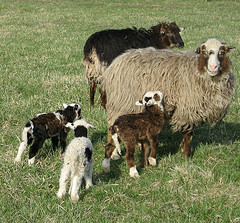
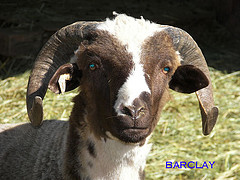
The colors of Navajo Churro’s can vary there are patterns such as badgerface, piebald, and others the variety seems endless.  Here are a few examples.


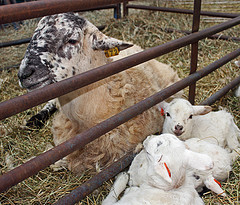
Ewe with 3 lambs by lamb lady on flickr


Barclay is his name. Pic by liongate on flickr.


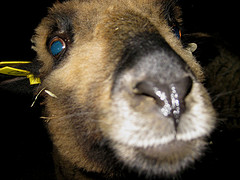
This nose was too cute to leave out.

Sheepy nose courtesy of Rick Scully


P.S. If you would like to be notified whenever there is awesomely fibery update here click the RSS feed!

 P.P.S. If you would like to know more about what’s going on around the farm and store upcoming specials sign up for our weekly newsletter!
Deyaneria on April 20th, 2012
YouTube Preview Image

I’m sorry about the crappy quality at the beginning of the video. For some reason my camera didn’t record the first take so I had to do it again earlier this  morning.

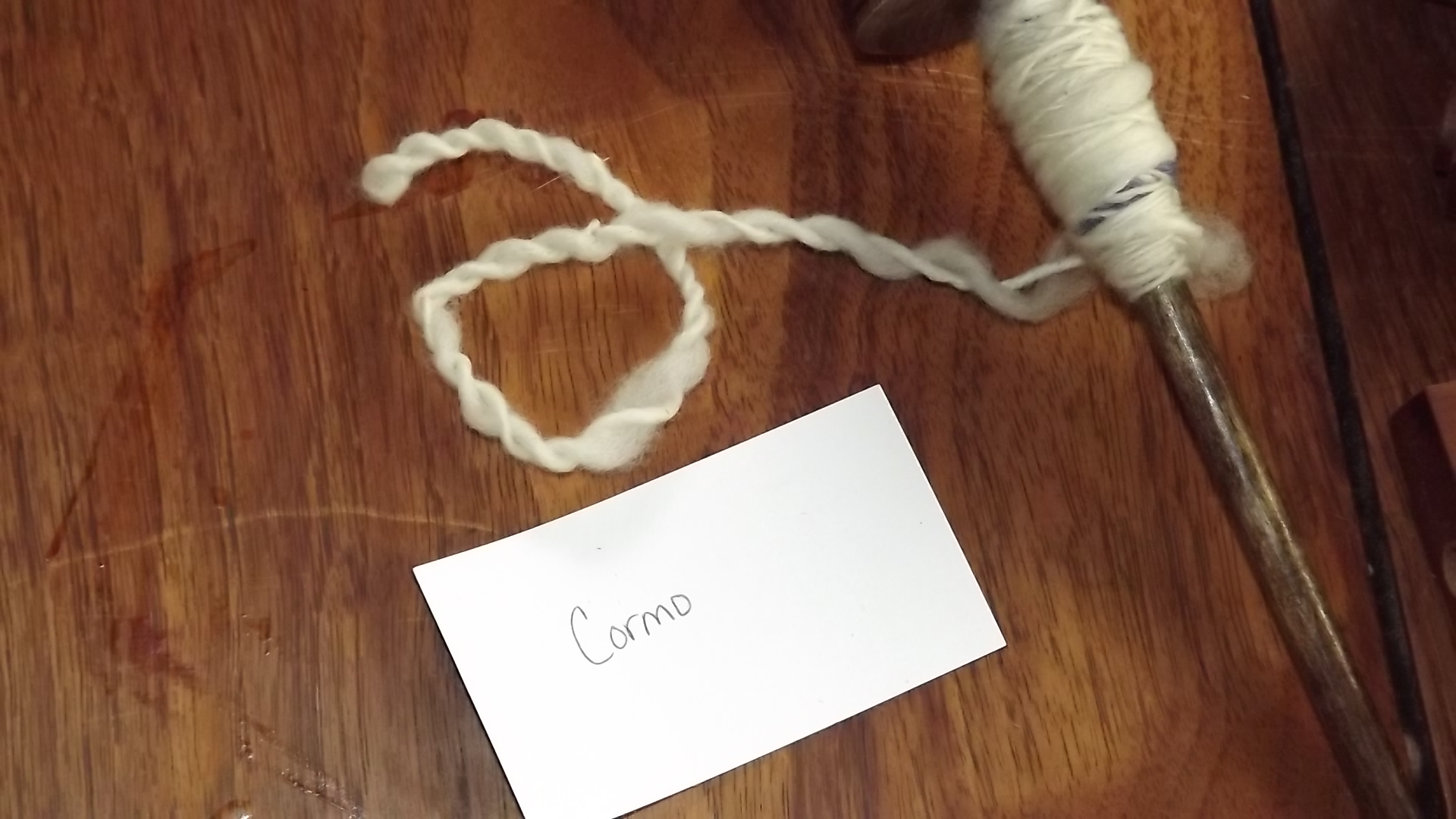
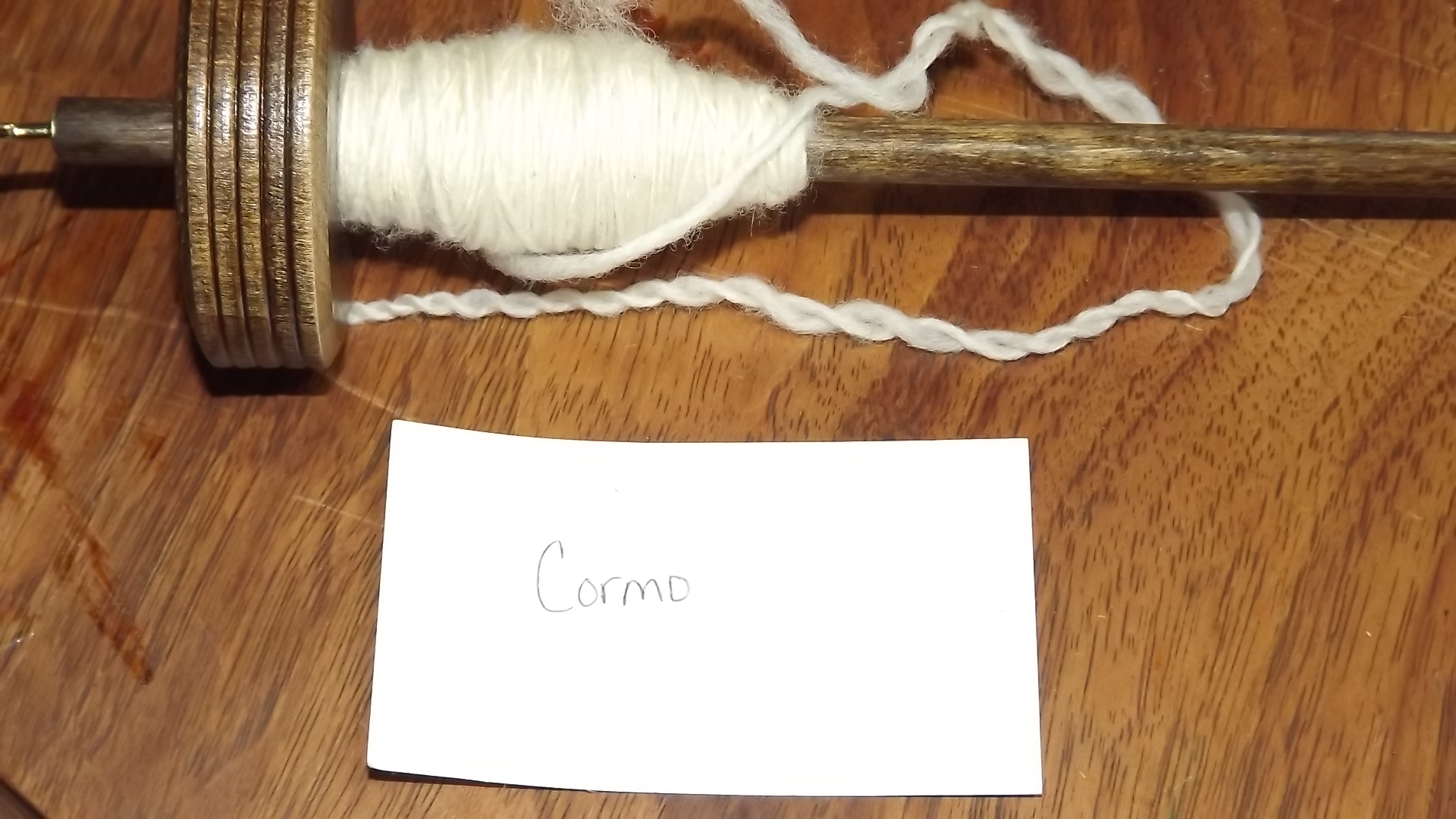
Here are a few pics of the spun Cormo if you couldn’t see them.

cormo


more cormo pics


Deyaneria on April 18th, 2012

I just want to run my fingers thru it! shared by Juniper Moon Farm on flickr
Here are some cormo fleece facts:

  • the fleeces weight an average of 12 pds
  • the staple length is 3-5 inches
  • micron count is 17-23
  • it is a very dense fleece with a nice “v” crimp
  • Information from Oklahoma State University, and The Cormo Sheep Conservation Registry, Inc

Cormo comes in many natural colors. Here are a few:

dark brown cormo shared by BobL612 on flickr


Grey cormo courtesy of RunsWithHolden on flickr


Black Cormo Fleece, Thanks to fic_kitty on flickr

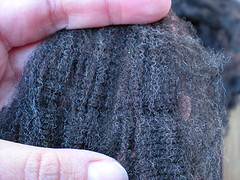
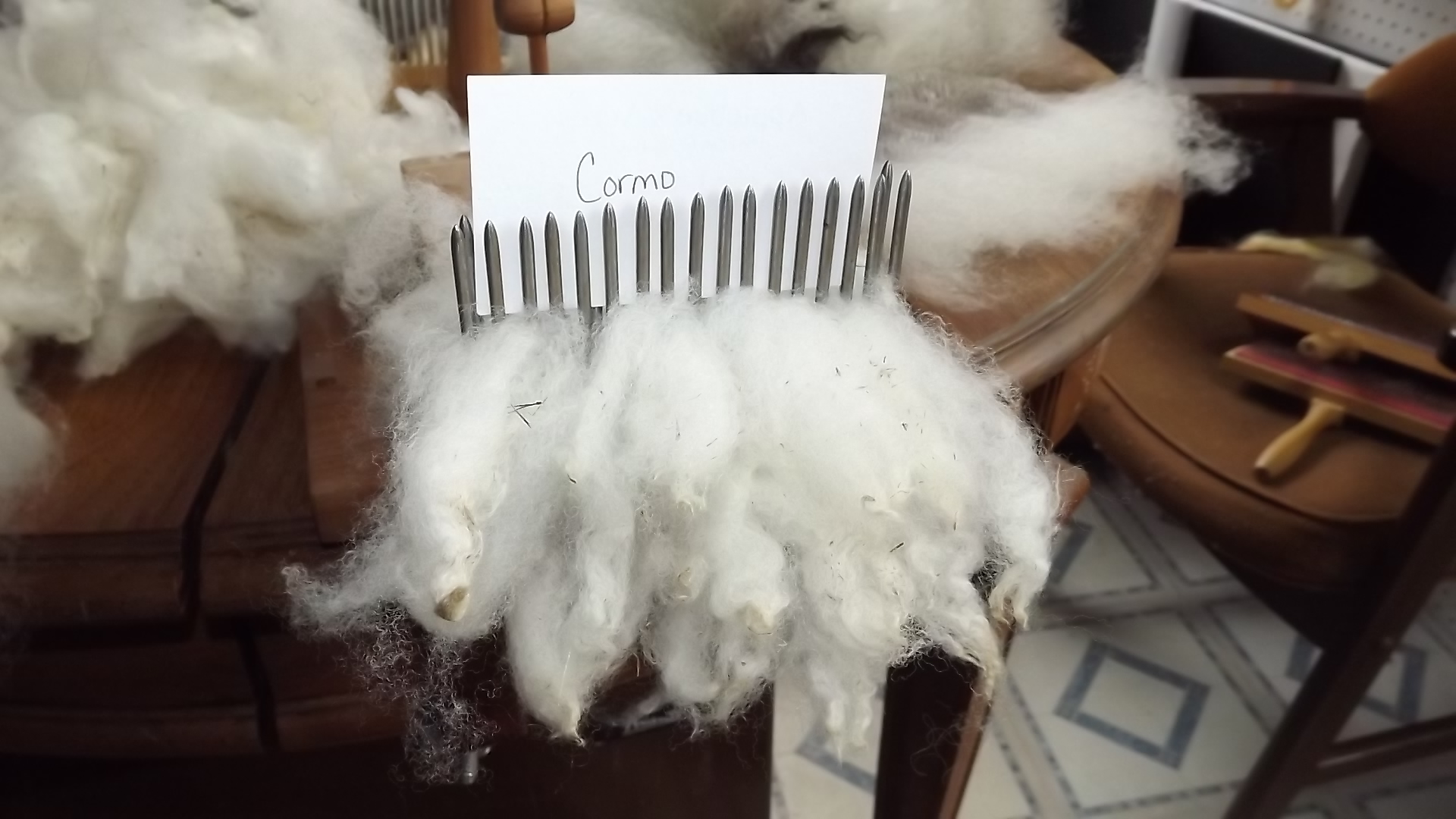
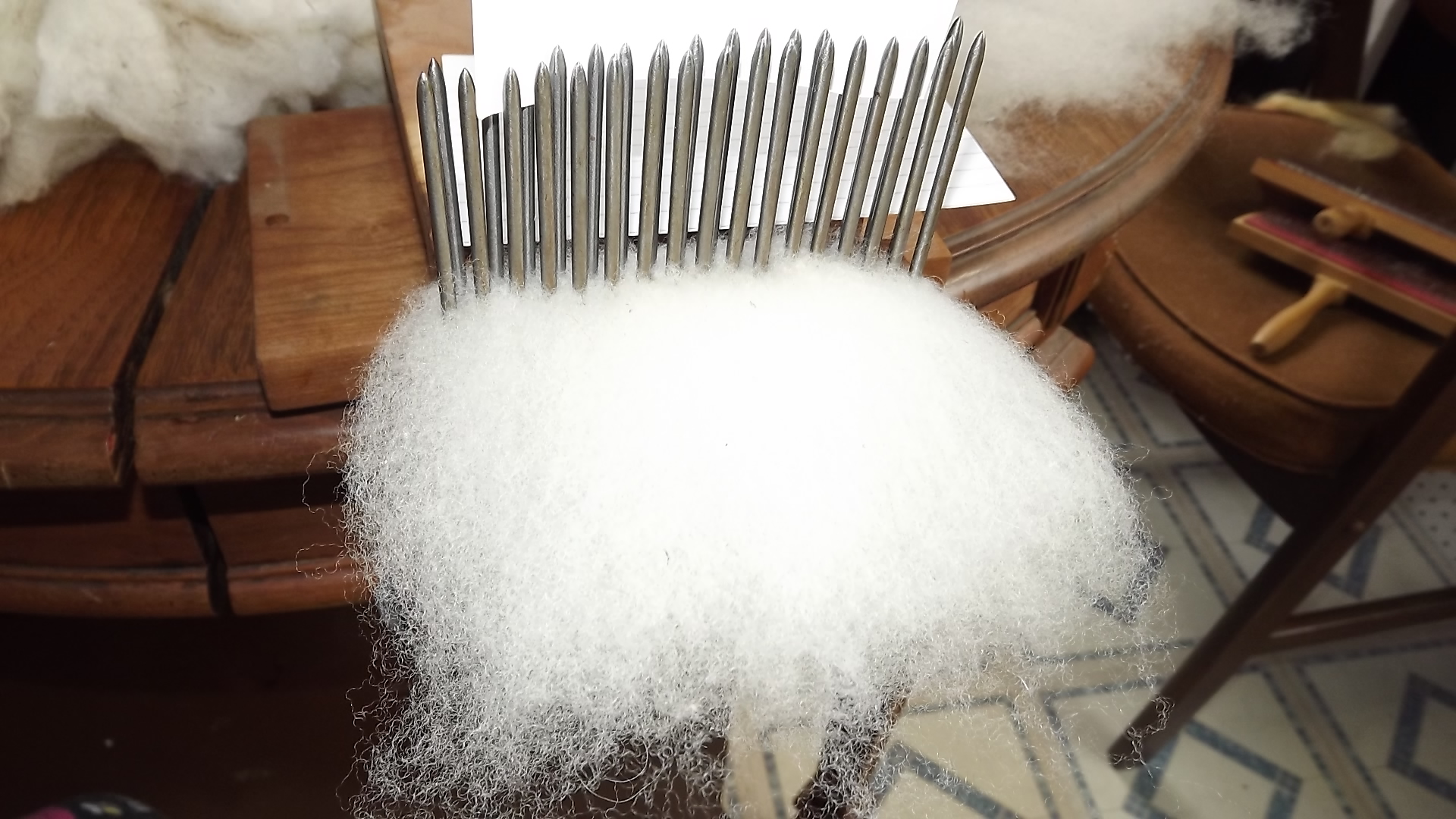
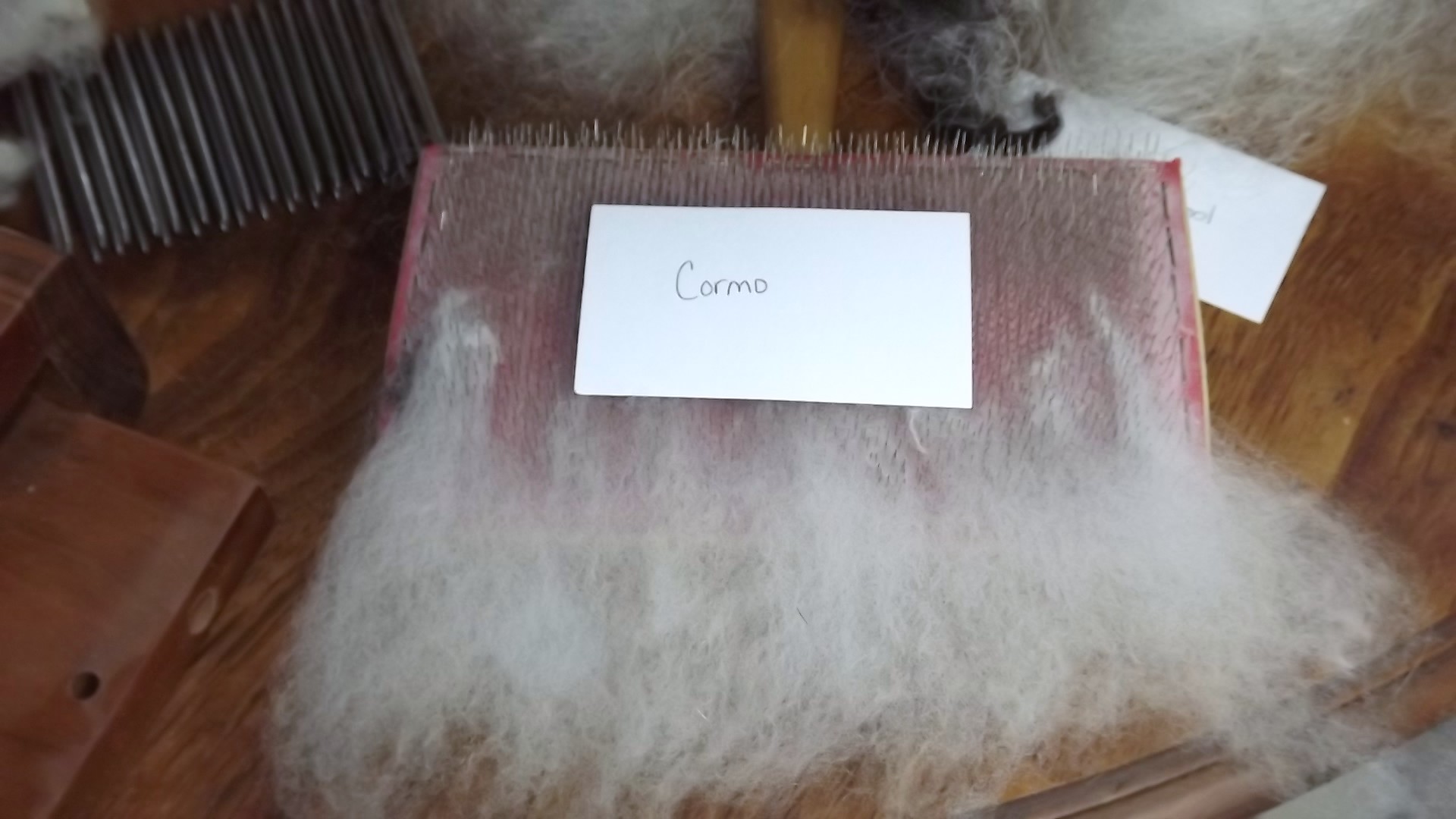
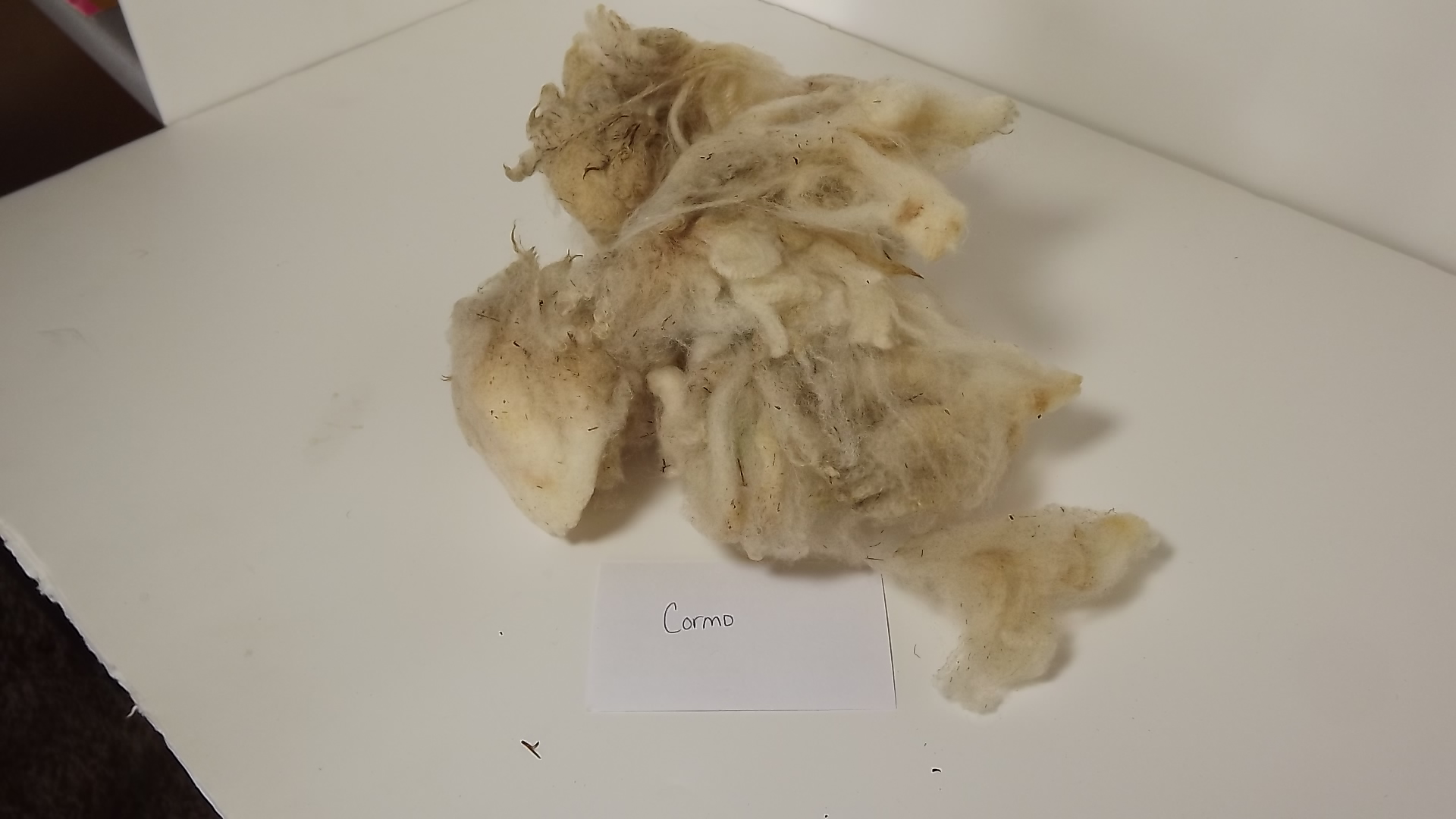
I looooove me some Cormo. It is incredibley soft, buttery, and springy.  I processed it in 3 different ways to see which one worked best. Cormo definitely feels wonderful next to the skin I forgot I was wearing washed fleece. it did have a good amount of “grease” but it came out easily.


my unwashed cormo


washed cormo


Combed cormo


flicked cormo


carded cormo

 That was a bunch of fiber prep. I was looking for the best way to prepare this fiber without getting nepps as it was so soft nepping happened rather easily. I felt combing worked best followed by flicking and then carding.
 

P.S. If you would like to be notified whenever there is awesomely fibery update here click the RSS feed!

P.P.S. If you would like to know more about what’s going on around the farm and store upcoming specials sign up for our weekly newsletter

Sneak peak of items coming to the Store coming!